

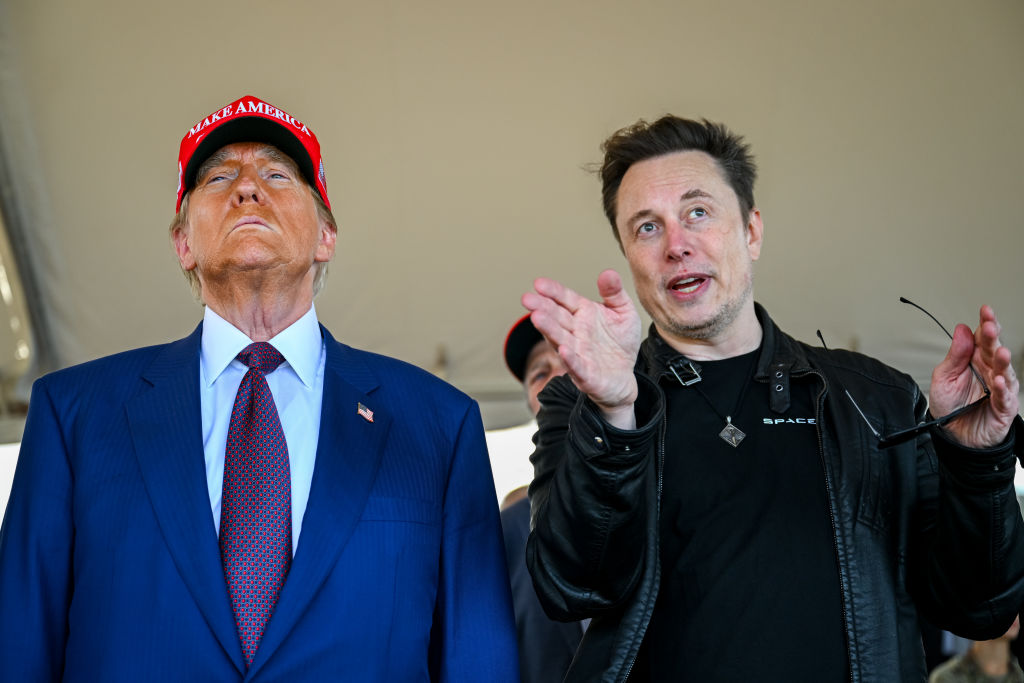
The frenemies' strange obsession with historical "accuracy" has disturbing connections to big AI
Elon Musk's Grok AI Is Pushing Misinformation and Legitimizing Conspiracies
Grok's selling point is real-time access to news, but Motherboard found that it generated inaccurate information about Israel-Palestine and lent credence to conspiracy theories.

DOGE Blitzkrieg: on Musk's artificial intelligence statecraft
Published in Science as Culture (Ahead of Print, 2026)

How Elon Musk and the Tech Billionaires Hijacked the State and Our Minds
Historian Quinn Slobodian tells Byline Times that Elon Musk's rise tells a deeper story—of fortunes built on state power, and a new politics where humans are treated less as citizens than as systems to be optimised
AI FOR EPISTEMICS & COORDINATION
Civilization and technology have radically improved the human condition. Nonetheless, the world sometimes goes in directions which essentially nobody would prefer — e.g., nuclear arms races, unexpected financial crashes, predatory marketing, or ubiquitous political misinformation.
AI Bros Wanted Trump. Now They Learn What Happens When You Tell Him No.
Last year, in Fascism For First Time Founders, I warned the tech industry what happens when you cozy up to authoritarians. As I wrote then: Innovation requires trust. Not just between individuals, …

Relying on AI chatbots for historical facts can influence your political beliefs, new study shows
A recent study in PNAS Nexus suggests that reading history summaries generated by artificial intelligence can subtly shift your political opinions. Even when factually accurate, chatbots carry hidden biases that influence how people view the world.

News Factory: Musk’s fixation on Google AI chief Demis Hassabis highlighted in trial testimony
During the high‑profile lawsuit between Elon Musk and OpenAI co‑founder Sam Altman, testimony revealed that Musk repeatedly mentioned Google DeepMind founder Demis Hassabis. Court transcripts show Musk called Hassabis "evil," worried about Google’s lead in artificial intelligence, and exchanged a series of urgent emails warning that OpenAI could not keep pace. Witnesses, including OpenAI president Greg Brockman, confirmed Musk’s obsession with the British scientist, describing it as a driving force behind strategic discussions at Tesla and beyond.
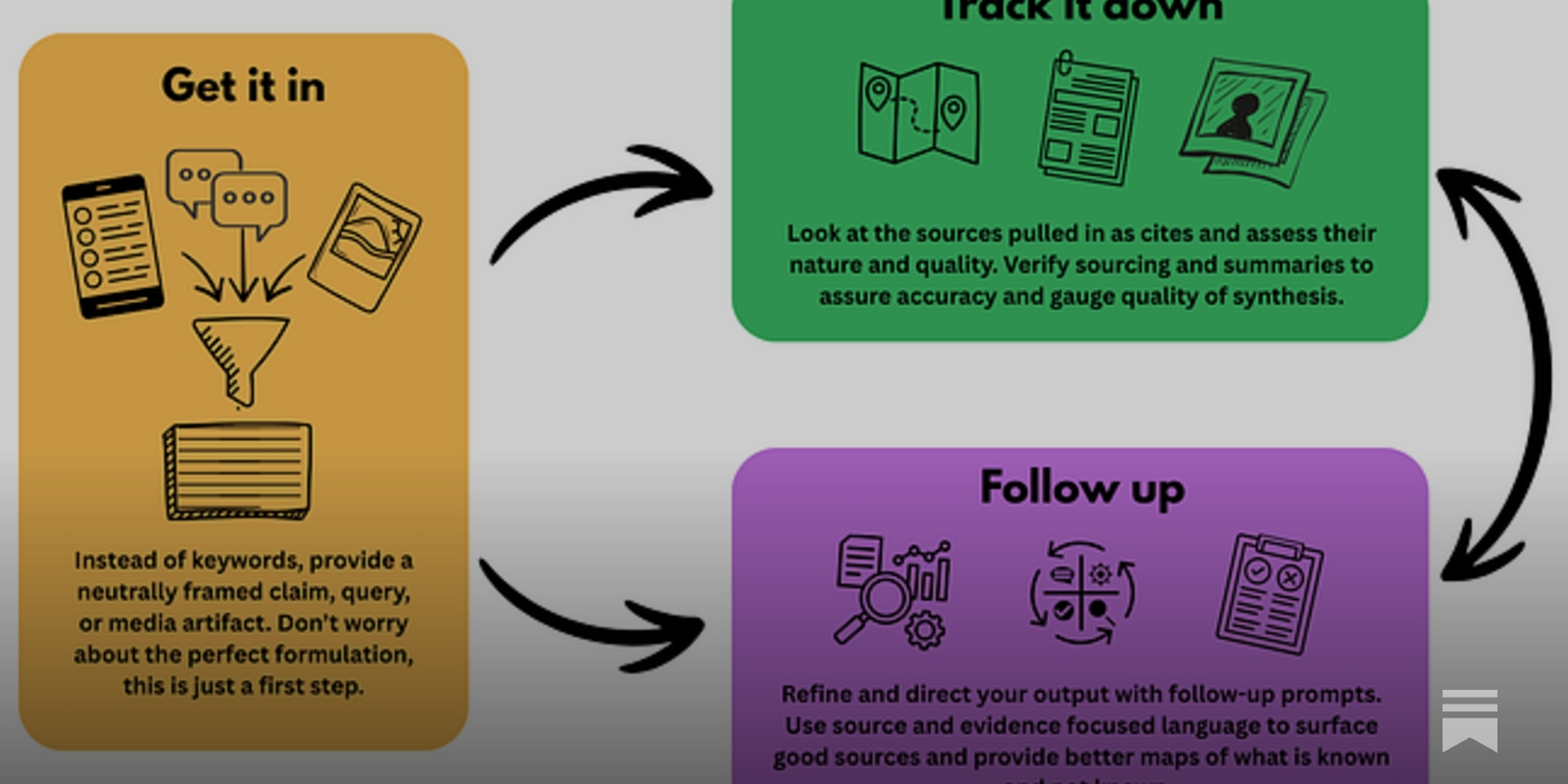
We're not taking the fact-checking powers of AI seriously enough. It's past time to start.
Some notes on the Nobel Prize hallucination that wasn't
The LA Times’ Political Rating “AI” Is A Silly Joke Aimed At Validating Wealthy Media Ownership’s Inherent Bias
Late last year we wrote about how LA Times billionaire owner Patrick Soon-Shiong confidently announced that he was going to use AI to display “artificial intelligence-generated ratings”…
The Unreasonable Effectiveness of Recurrent Neural Networks
Musings of a Computer Scientist.
Google research shows the fast rise of AI-generated misinformation | CBC News
From fake images of war to celebrity hoaxes, AI technology has spawned new forms of reality-warping misinformation online. New analysis co-authored by Google researchers shows just how quickly the problem has grown.

Elon Musk’s vicious AI rivalry with Nobel winner revealed in court
Emails released as part of a lawsuit show the feud between Musk and Sir Demis Hassabis, the chief executive of Google DeepMind

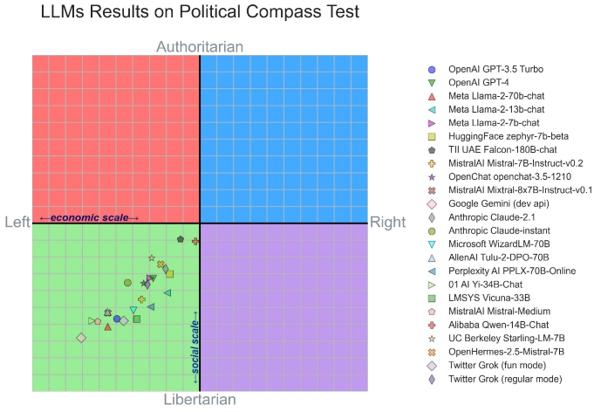
David Rozado on Twitter / X
1. Have we been measuring AI political bias wrong? In a new paper @PTetlock and I argue that we might have. Studies have found that AIs tend to produce left-of-center responses to politically loaded questions. But ideological preferences are not the same as epistemic failure. pic.twitter.com/JuGrboRVb0— David Rozado (@DavidRozado) June 22, 2026
New York Times Accused of Running AI-Generated Article
People are speculating that an essay published in the New York Times' "Modern Love" was AI-generated. What's definitely real? AI paranoia.
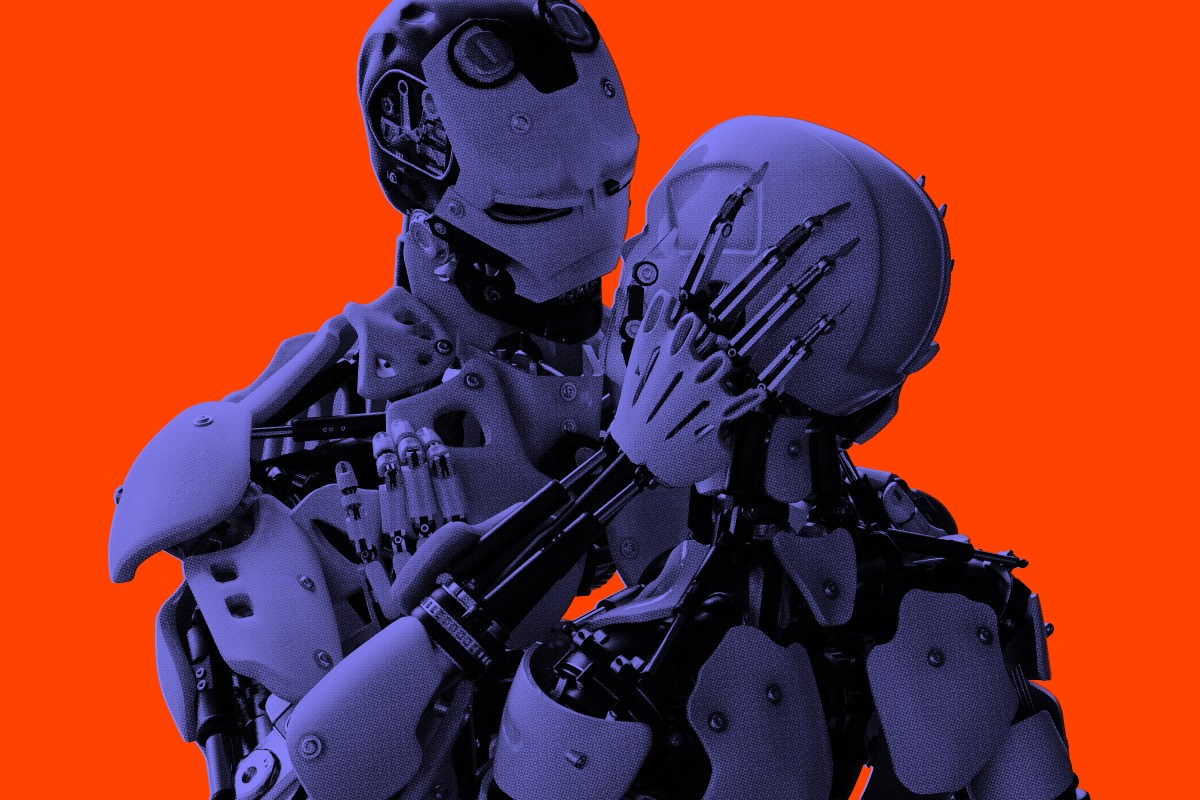
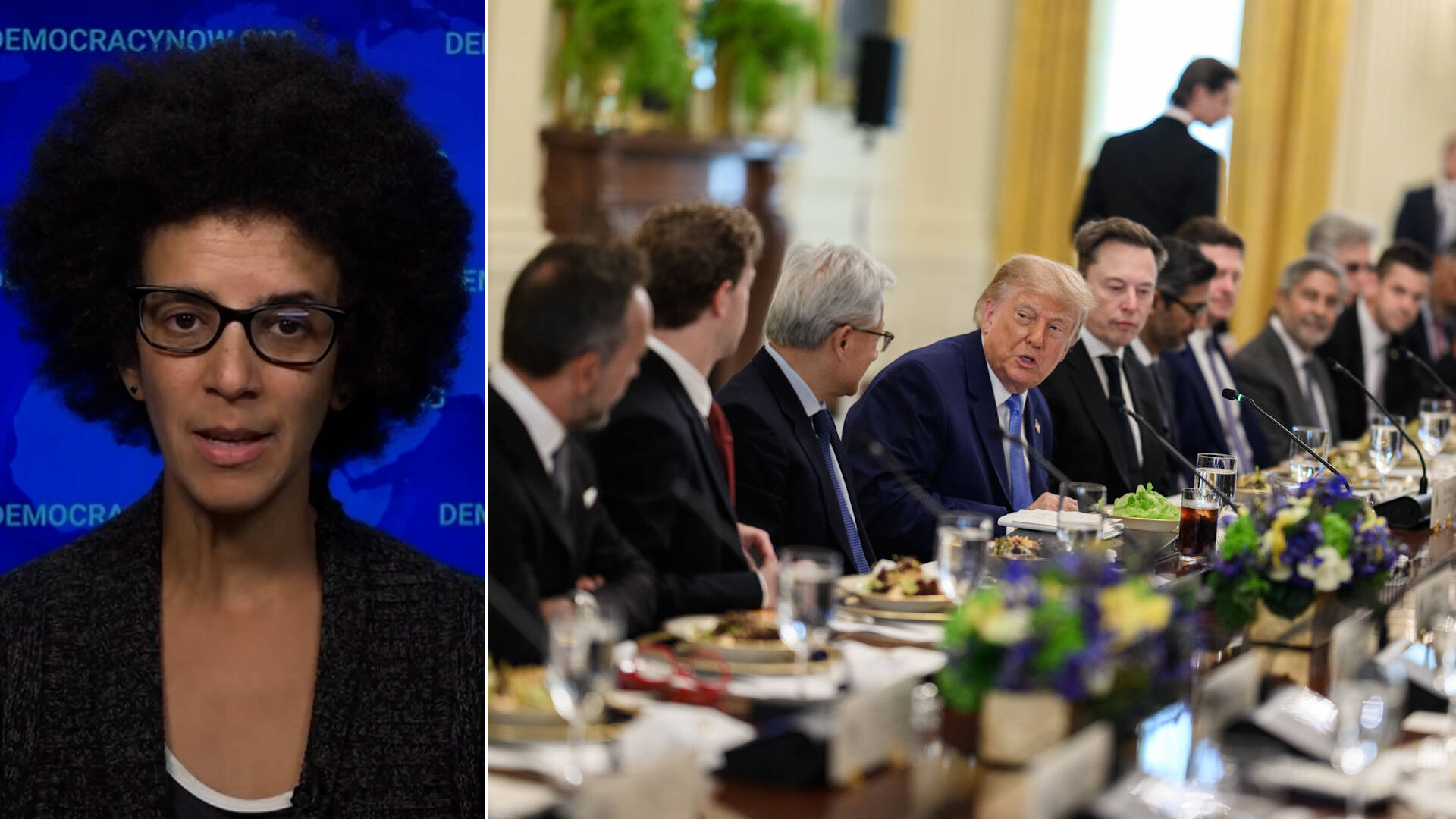
The Real Existential Risk Is AI CEOs Avoiding Oversight: “Alternative Nobel” Winner Timnit Gebru
We speak to the prominent AI researcher and leading critic of the AI industry, Timnit Gebru, who was recently awarded a 2026 Right Livelihood Award for her work investigating the harms and hype behind the global buildup of artificial intelligence. “Instead of discussing faulty, unreliable systems,” Gebru says tech leaders like SpaceXAI’s Elon Musk, OpenAI’s Sam Altman and Anthropic’s Dario Amodei are “marketing their systems as all-knowing, superpowerful, superintelligent,” and lobbying for “self-policing and self-regulation” to avoid being held “liable through existing laws.” Gebru expresses skepticism over increasingly widespread claims that AI algorithms pose an existential risk to humanity, warning that such claims are overblown and that “what is actually happening is regulatory capture.”
As an AI-adjacent network neuroscience person who has also studied bits of media structure and political economy, I strongly agree with @karlbode.com: The biggest threat, by far, isn’t “superintelligence will soon kill us all!” but instead “information control by oligarchs will crush our society”

Karl Bode
one recurring theme in the coverage of this AI Anthropic doomsday newscycle is nobody actually has any REAL ideas of what to do just a lot of ambiguous hand-waving in a country that's too corrupt to have working regulators, by a press that doesn't realize that's a central pillar of the conversation
