

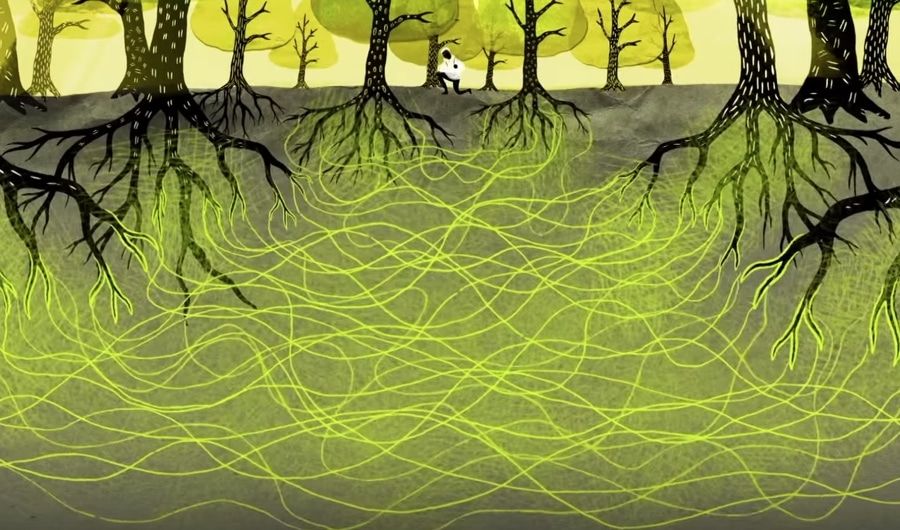
Exploring the role of relationships, trust and mutualistic approaches to change.
The Meshwork of Relational Infrastructure
What makes up Relational infrastructure when we zoom in? What are the qualities and attributes that might help us explain how we build it, nurture it and best invest in it - and indeed, what we can expect in return?
Welcome to the Relational Design Lab | LX Cast | 19 comments
Today I am VERY excited to share with all of you about my new home, Relational Design Lab! This R&D studio brings together a number of projects and will, I hope, grow to encompass many more. I imagine this lab as a gathering place for curious people who want to think about systems, and not in the typical mechanistic way they are described and implemented in technology. Instead, we'll feel into living systems, fractal ways of being, where the how is as important as the what. Over time, I hope the Lab will be a home or a waypoint for designers, researchers, community organizations, artists, storytellers, and technologists to explore togetherness together. Our 'theory of change' focuses on paradigm shift. Big change takes practice and possibility. Paradoxically, paradigm shift is a result of many small changes and repetitions in our behaviour and belief systems. We embrace emergence, mutual support, collective practice, and storytelling. One thing feels pretty clear, we need technology that is designed in solidarity with mutual care, does not depend on the whims of big corporations or its surveillance, and is joyful to use. To live in this reality, we also need to consider how business, funding, governance, scale, and context affect our work. We need embodied ways of knowing and sharing knowledge alongside our technical reasoning. And we need to face the reality of the consequences of our actions and those of our ancestors. This is not a project that aims to solve all the world's problems, but instead, to nurture the capacity for doing things together. We support and practice responding with curiosity and care, not with answers or attachment to ideals that no longer make sense amid collapsing systems. We are not "hiring" for this project now but there are many ways to get involved and would welcome opportunities to collaborate. Some of the projects we're holding include Folk Tech, Spacious, SEED Founding, and Relational Source License. We're also developing a very cool workshop process to help other organizations explore relational design through a community-driven futurism process. As ecosystem supporters, we are developing relationships with many aligned groups and projects as well. There will be more communications coming! If this all sounds like something you would like to support, contribute to, keep track of, or develop relationship with, for now you can subscribe to our calendar here https://lnkd.in/gPRFW7zC and message me directly! | 19 comments on LinkedIn

On Trust Infrastructure Trust underpins civilisation. It expands the scope and complexity of the pursuits within our collective reach by allowing us to act as a…
Nature of Trust
The Nature of Trust Project is a collaboration between Biomimicry for Social Innovation (BSI) and Biomimicry 3.8 that combines biological research with real-world application to discover new models for social innovation using nature’s best strategies for building trust. Working alongside leaders in health equity and social change, the project explored how trust functions in living systems—and what those insights reveal for building stronger human relationships, organizations, and communities.

Relational Tech Project — Build what we need
Many of us wish our neighborhoods were more connected. We want to live in neighborhoods where we learn from the creativity, care, and skills of our neighbors — and share our gifts too.

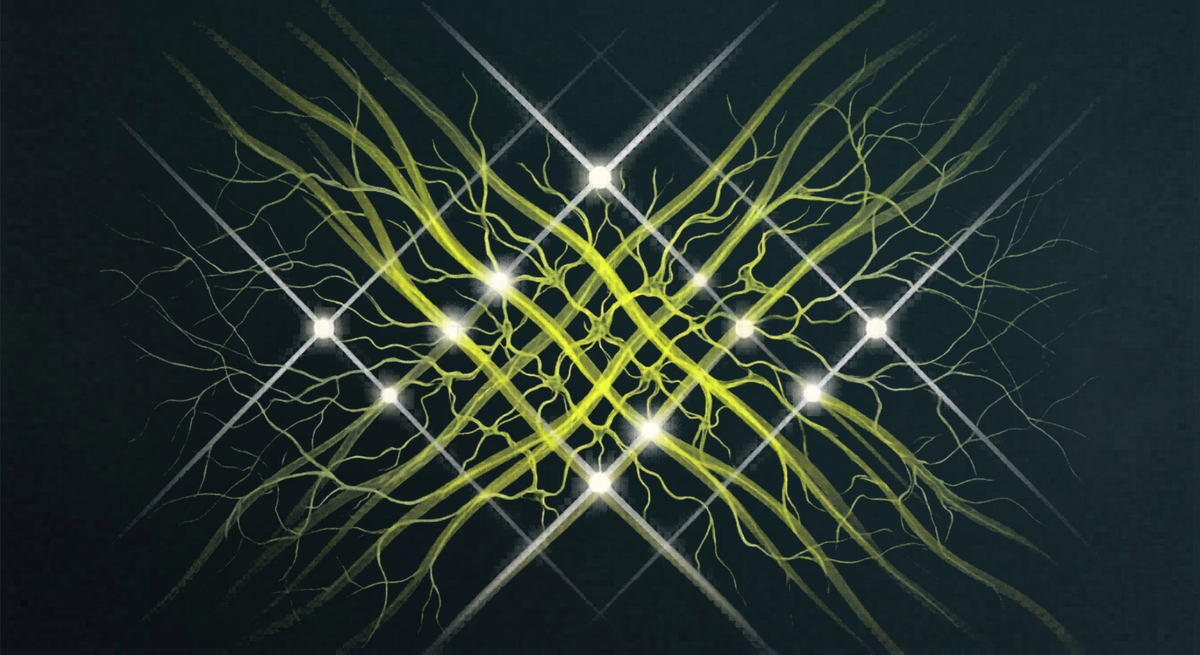
Inverting three key relationships in computing
A vision for three key changes to how apps and services work today
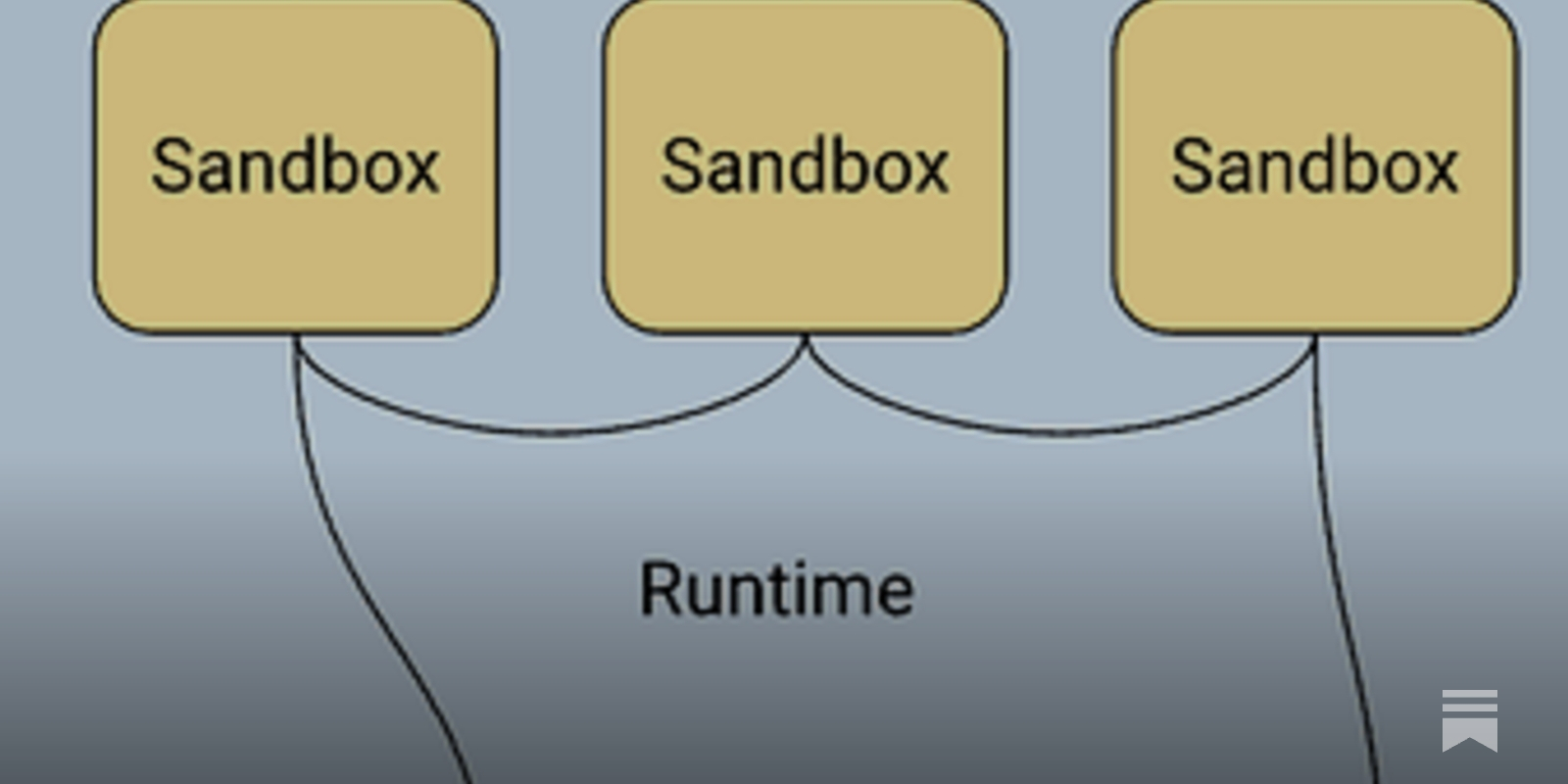
Inverting the physics of trust
Common Fabric is a social computing lab building a medium for software that revolves around people, not apps.
Welcome to the Web of Trust
Empowering individuals to co-create decentralized systems for lasting mutual benefit.
Relational Design Lab
Relational Design Lab is a research and development lab focused on belonging and technology.
Funded projects | Scaling Trust
Explore the projects we're funding in the Scaling Trust opportunity space.
Scale deep — The Systems Sanctuary
The world calls us to shift our mindsets and values from outdated ways of being and doing rooted in dominance, hierarchy and harmful systems, towards new ways rooted in relationship, collaboration and innovation.

The Research Nexus vision for a more connected scholarly community
Crossref envisions “a rich and reusable open network of relationships connecting research organizations, people, things, and actions; a scholarly record that the global community can build on forever, for the benefit of society”. This Research Nexus expands on the importance of research objects being persistently and uniquely identified. The scholarly community has an established practice of connecting things such as citations to others’ work and it is increasingly critical to identify relationships beyond citations, bringing together published work, unpublished work, institutions, individuals, and identifying the actions that they take e.g., funding, publishing, creating, modifying, citing, and sharing. The Research Nexus brings together metadata and relationships to build a joined-up picture of the scholarly ecosystem and helps everyone identify these relationships and how they change through time. This vision is possible if all parts of the scholarly ecosystem (and beyond) work together, including various scholarly infrastructure organizations.

WarmHub | WarmHub is more than a platform. It's a movement.
In a world of rapid information, trust is scarce. Innovation outpaces our ability to verify claims, leaving us with risk and uncertainty. WarmHub is building infrastructure to make trust scalable, verifiable, and composable, empowering progress everywhere
White Paper — the FIRST PERSON NETWORK
Part Seven: The four trust network effects in a two-sided market for trust.
Trust Revolution
Unfiltered conversations with builders, thinkers, and operators in Bitcoin and beyond. Exploring systems we trust, why they work (or don't), and what's next.
"This is what a truly networked movement does. It's more than interoperability between platforms, it's infrastructure for trust, visibility and connection" By a @gainforest.earth user discovering @atproto.com's magic for the first time! 🦋🌱 Their full post: linkedin.com/feed/update/urn:li:activity:7…

Sometimes the most exciting discoveries happen by accident. While reading this thoughtful field report from GainForest https://lnkd.in/eihbfggg, I was reminded why I've been so impressed by the wa...
www.linkedin.com