

Heartbleed is a catastrophic bug in OpenSSL: “The Heartbleed bug allows anyone on the Internet to read the memory of the systems protected by the vulnerable versions of the OpenSSL software. This compromises the secret keys used to identify the service providers and to encrypt the traffic, the names and passwords of the users and the actual content. This allows attackers to eavesdrop communications, steal data directly from the services and users and to impersonate services and users. Basically, an attacker can grab 64K of memory from a server. The attack leaves no trace, and can be done multiple times to grab a different random 64K of memory. This means that anything in memory—SSL private keys, user keys, anything—is vulnerable. And you have to assume that it is all compromised. All of it...
Heartbleed
I looked at some of the data dumps from vulnerable sites, and it was ... bad. I saw emails, passwords, password hints. SSL keys and session cookies. Important servers brimming with visitor IPs. Attack ships on fire off the shoulder of Orion, c-beams glittering in the dark near the Tannhäuser Gate. I should probably patch OpenSSL.

All your Private Keys are Belong to Us
In this article I will discuss a technique to find and extract RSA private keys and certificates which are hidden in large amounts of data, such as memory dumps.
GitHub - Thomvanoorschot/boring_tls: A memory-safe TLS/SSL library for Zig, providing both client and server implementations built on Google's BoringSSL for secure, high-performance encrypted communications.
A memory-safe TLS/SSL library for Zig, providing both client and server implementations built on Google's BoringSSL for secure, high-performance encrypted communications. - Thomvanoorschot/...
Secure Scuttlebutt
Secure Scuttlebutt (SSB) is a peer-to peer communication protocol, mesh network, and self-hosted social media ecosystem.[3][4] Each user hosts their own content and the content of the peers they follow, which provides fault tolerance and eventual consistency.[5] Messages are digitally signed and added to an append-only list of messages published by an author.[6] SSB is primarily used for implementing distributed social networks, and utilizes cryptography to assure that content remains unforged as it is propagated through the network.[7][8]
The Duty of a Scholar
There was a joke at the time that although the National Security Agency had opened up in recent years and started taking their defensive role more seriously, the one aspect of cryptography which they would never discuss publicly was side channel attacks — and this itself constituted a side channel, revealing the importance they attributed to the field. Being active in computer security, and recognizing that the NSA knew a few things about the topic, my immediate priority was to determine whether the information leakage I had identified was sufficient to construct a practical cryptographic side channel. By mid-December I had a proof-of-concept exploit which stole enough bits of an RSA private key for the entire key to be reconstructed, and I turned my attention to the hard part of the problem: Quietly notifying security teams and working together to get the issue fixed before disclosing it publicly.
Vulnerability
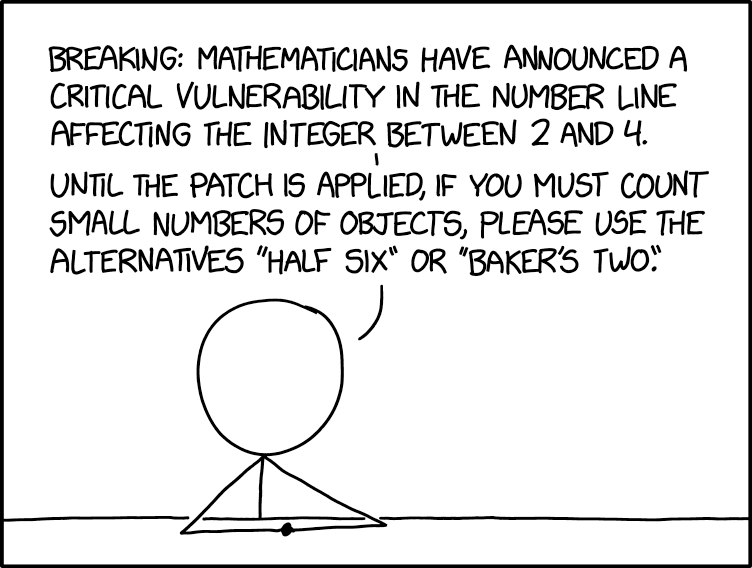
Other numbers are largely unaffected, but anyone using '4' for their certificate key is urged to upgrade to '5'.
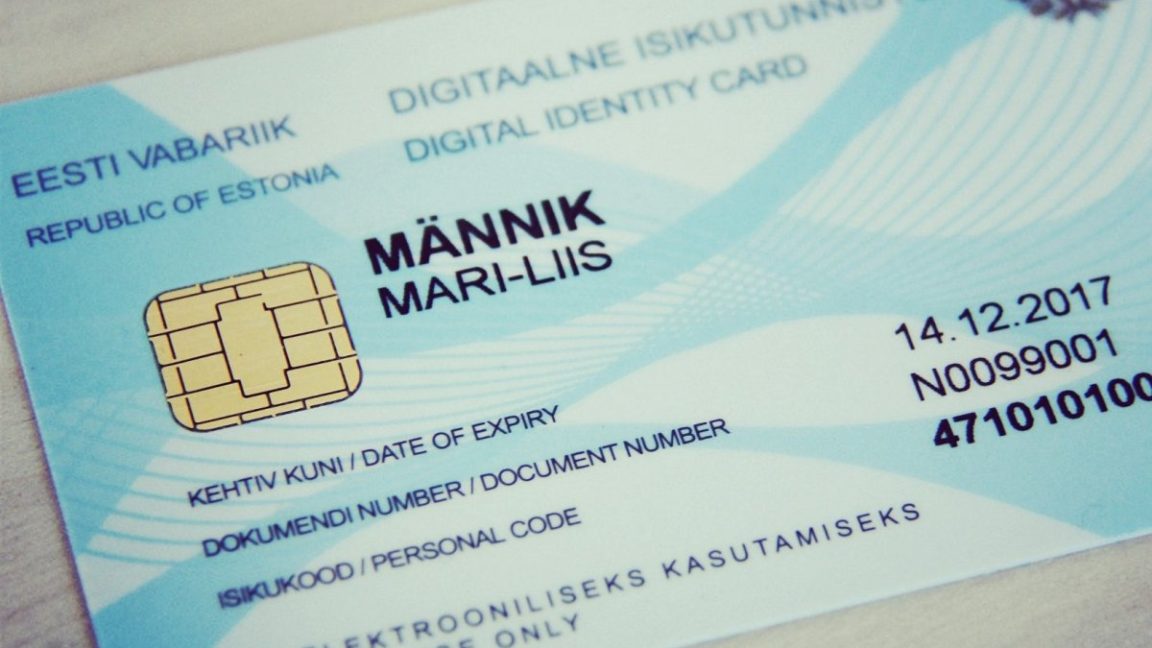
Flaw crippling millions of crypto keys is worse than first disclosed
Estonia abruptly suspends digital ID cards as crypto attacks get easier and cheaper.
Protecting Firefox users following the compromise of eMudhra intermediate certificates
On Saturday, October 17, at 20:06 UTC, Mozilla received a report that private keys associated with eight eMudhra intermediate certificates had been compromised. These keys could allow attackers to issue ...
Why everything was broken yesterday
Unsolicited tech advice about the two issues (PHP, compromised certificates) that, separately, each pose some security risks and are worth attending to.

8 eMudhra certificates are compromised. Here's what you need to know
Following the discovery that eight eMudhra intermediate certificates use weak keys, Cloudflare is deploying mitigations and releasing client updates. We explain the impact, our response, and what customers and developers should do next.

Mylar
Response to "Breaking web applications built on top of encrypted data" (CCS 2016) by P. Grubbs, R. McPherson, M. Naveed, T. Ristenpart and V. Shmatikov.
SS7 hack explained: what can you do about it?
A vulnerability means hackers can read texts, listen to calls and track mobile phone users. What are the implications and how can you protect yourself from snooping?

Michael Livs on Twitter / X
introducing pi-psst 🤫, your agent uses secrets without ever seeing them. no more scrubbing for @badlogicgames!secrets are injected as env vars to bash tool, scrubbed from all tool output, stored in local encrypted vault. the agent knows what's available but never sees a value.… pic.twitter.com/LB4RA5p4wF— Michael Livs (@micLivs) April 6, 2026

FOKS - Federated Open Key Service
FOKS provides a secure, end-to-end encrypted Git hosting service. Your data is encrypted on your machine before it hits the server, and the server never sees data or filenames in unencrypted form. FOKS uses PQ-secure public-key cryptography, securing all end-to-end encrypted data against future quantum attacks. Your secrets are safe, even in the event of server compromise.
*sshole · sshhole.com
openssh on musl linux has been letting people into password-less accounts since 2016.
This is an absolutely astounding press release from eMudhra. No apology, a suggestion that the researcher who found their private keys must have used AI, and an attempt to shift blame to auditors... wow. emudhra.com/en/press-release/emudhra-stat…

eMudhra Statement on distrust of select Global TLS Intermediate and one Root CA
emudhra.com