Back in 1998, Tim May warned us of the “Four Horsemen of the Infocalypse”: “terrorists, pedophiles, drug dealers, and money launderers.” I tended to cast it slightly differently. This is me from 2005: Beware the Four Horsemen of the Information Apocalypse: terrorists, drug dealers, kidnappers, and child pornographers. Seems like you can scare any public into allowing the government to do anything with those four. Which particular horseman is in vogue depends on time and circumstance. Since the terrorist attacks of 9/11, the US government has been pushing the terrorist scare story. Recently, it seems to have switched to pedophiles and child exploitation. It began in September, with a long ...
Privacy, human rights, and Tornado Cash
I am more worried about privacy than crypto crime.


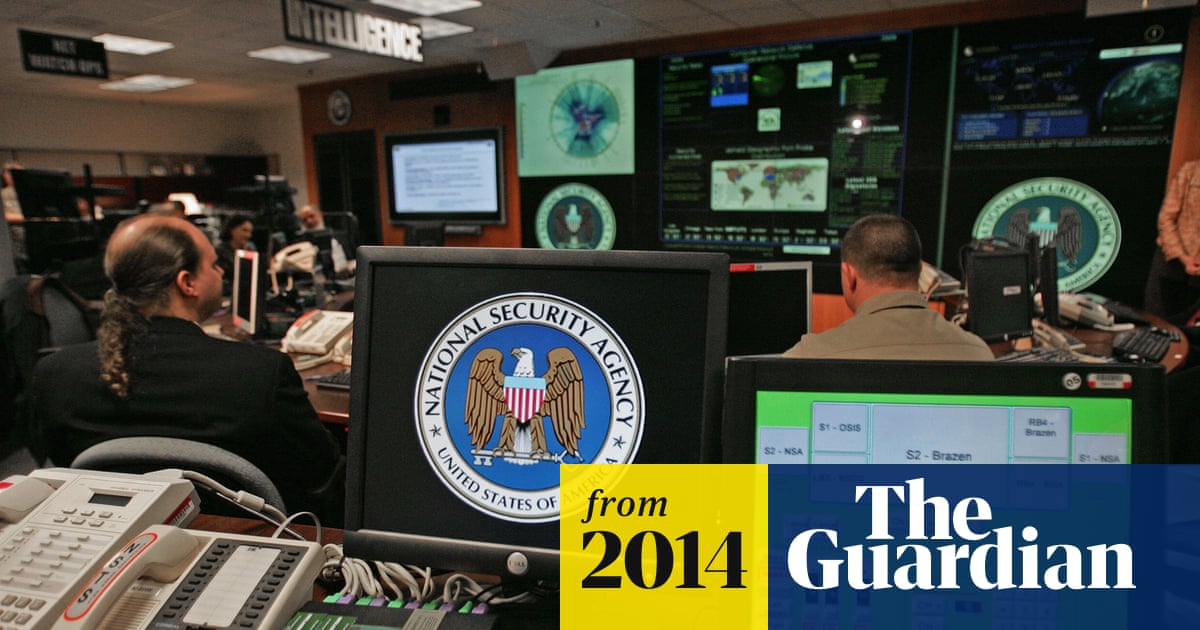
Privacy under attack: the NSA files revealed new threats to democracy
We now know the apparatus of repression has been attached to the democratic state, but our struggle for privacy is far from hopeless. By Eben Moglen
We Need A Massive Surveillance Program (Idle Words)
I am a privacy activist who has been riding a variety of high horses about the dangers of permanent, ubiquitous data collection since 2012.
Tracers in the dark: the global hunt for the crime lords of cryptocurrency
"A propulsive story of a new breed of investigators who have cracked the Bitcoin blockchain, taking once-anonymous realms of money, drugs, and violence and holding them up to the light Black markets have always thrived in the shadows of society. Increasingly, these enterprises-drug dealing, money laundering, human trafficking, terrorist funding-have found their shadows online. Digital crime lords inhabiting lawless corners of the internet have operated more freely than their analog counterparts could have ever dreamed of. At the heart of their massive conspiracies: cryptocurrency. By transacting not in dollars or pounds but in Bitcoin-a currency with anonymous ledgers, overseen by no government, beholden to no bankers-black marketeers robbed law enforcement for years of their chief method of cracking down on criminal markets, namely, following the money. But what if the centerpiece of this dark economy held a secret, fatal flaw? What if their currency wasn't so cryptic after all? An investigator using the right mixture of technical wizardry, financial forensics, and old-fashioned persistence could crack open an entire world of crime. Men with No Names is a story of crime and consequences unlike any other. With unprecedented access to the major players in federal law enforcement and private industry, veteran cybersecurity reporter Andy Greenberg tells an astonishing saga of criminal empires built and destroyed. He introduces an IRS agent with a defiant streak; a Bitcoin-tracing Danish entrepreneur; and a colorful ensemble of hardboiled agents and prosecutors as they delve deep into the crypto-underworld. The result is a thrilling, globe-spanning story of dirty cops, drug bazaars, sex-abuse rings, and the biggest takedown of an online narcotics market in the history of the internet. This is a cat-and-mouse story and a tale of a technological one-upmanship that's utterly of our time. Filled with canny maneuvering and shocking twists, it answers a provocative question: How would some of the world's most brazen criminals behave if they were sure they could never get caught?"--

Trump admininistration has designated the Italian pro-privacy and anticapitalist collective Autistici/Inventati - which creates and maintains open-source software—a “terrorist organization” - Divisions by zero
[https://lemmy.dbzer0.com/pictrs/image/fa7ca5bd-e9b0-4b8f-84e1-011bbd28c365.webp] https://www.state.gov/releases/office-of-the-spokesperson/2026/08/imposing-sanctions-on-violent-far-left-terrorist-groups/ [https://www.state.gov/releases/office-of-the-spokesperson/2026/08/imposing-sanctions-on-violent-far-left-terrorist-groups/] https://home.treasury.gov/news/press-releases/sb0616 [https://home.treasury.gov/news/press-releases/sb0616] #AutisticiInventati

764: The Intersection of Terrorism, Violent Extremism, and Child Sexual Exploitation
Sign up for our monthly newsletter to stay updated about our work

Pluralistic: Surveillance vs guillotines (11 Aug 2026) – Pluralistic: Daily links from Cory Doctorow
In the summer of 2013, two esoteric, technical, incredibly important texts were published within weeks of one another: the first is the Snowden leaks, which revealed a system of global, pervasive digital surveillance; the second was Thomas Piketty's Capital in the 21st Century, a book about the economic inevitability (and political instability) of oligarchy:
Pluralistic: Surveillance vs guillotines (11 Aug 2026) – Pluralistic: Daily links from Cory Doctorow
In the summer of 2013, two esoteric, technical, incredibly important texts were published within weeks of one another: the first is the Snowden leaks, which revealed a system of global, pervasive digital surveillance; the second was Thomas Piketty's Capital in the 21st Century, a book about the economic inevitability (and political instability) of oligarchy:
We Shouldn’t Wait Another Fifteen Years for a Conversation About
With high-profile hacks in the headlines and government officials trying to reopen a long-settled debate about encryption, information security has become a mainstream issue. But we feel that one

I didn't know how bad things are getting globally before finding /r/privacy
253 votes, 20 comments. The media has not informed us about the Flock cameras, age verification acts etc. that are happening in North America. There…
US Law Enforcement Warns of ‘Anti-Tech Extremism’ as AI Hatred Grows
As Americans stew over the looming risk of job-stealing AI and data centers in their back yards, the feds are raising the alarm about a new category of threat, documents obtained by WIRED show.

Issue 100 – Freedom of all kinds is worth fighting for
As masked agents execute people and terrorize communities, crypto executives who spent years posting about freedom fall conspicuously silent — except when writing checks for the politicians enabling it

Exclusive: FBI’s New Political Pre-Crime Center
Are your views on the list of 'domestic terrorism' indicators?
Bill C-22’s Groundhog Day: Why the Government’s Dismissal of Signal, Apple and the U.S. Congress Concerns Runs Back the Disastrous Online News Act Playbook - Michael Geist
Secure messaging service Signal yesterday became the latest company to warn that Bill C-22, the lawful access bill, could force it to leave the Canadian market rather than comply with provisions it says would compromise its end-to-end encryption and create new cybersecurity risks. Signal vice-president Udbhav Tiwari told the Globe and Mail that the company “would rather pull out of the country than be compelled to compromise on the privacy promises we have made to our users.” The comments are part of a steady stream of similar warnings from Apple, Meta, the Canadian Chamber of Commerce, the Cybersecurity Advisors Network, and the chairs of the U.S. House Judiciary and Foreign Affairs Committees. Despite growing concern, the government’s response has been to launch a misleading social media campaign and repeatedly insist that the experts and companies are mistaken.