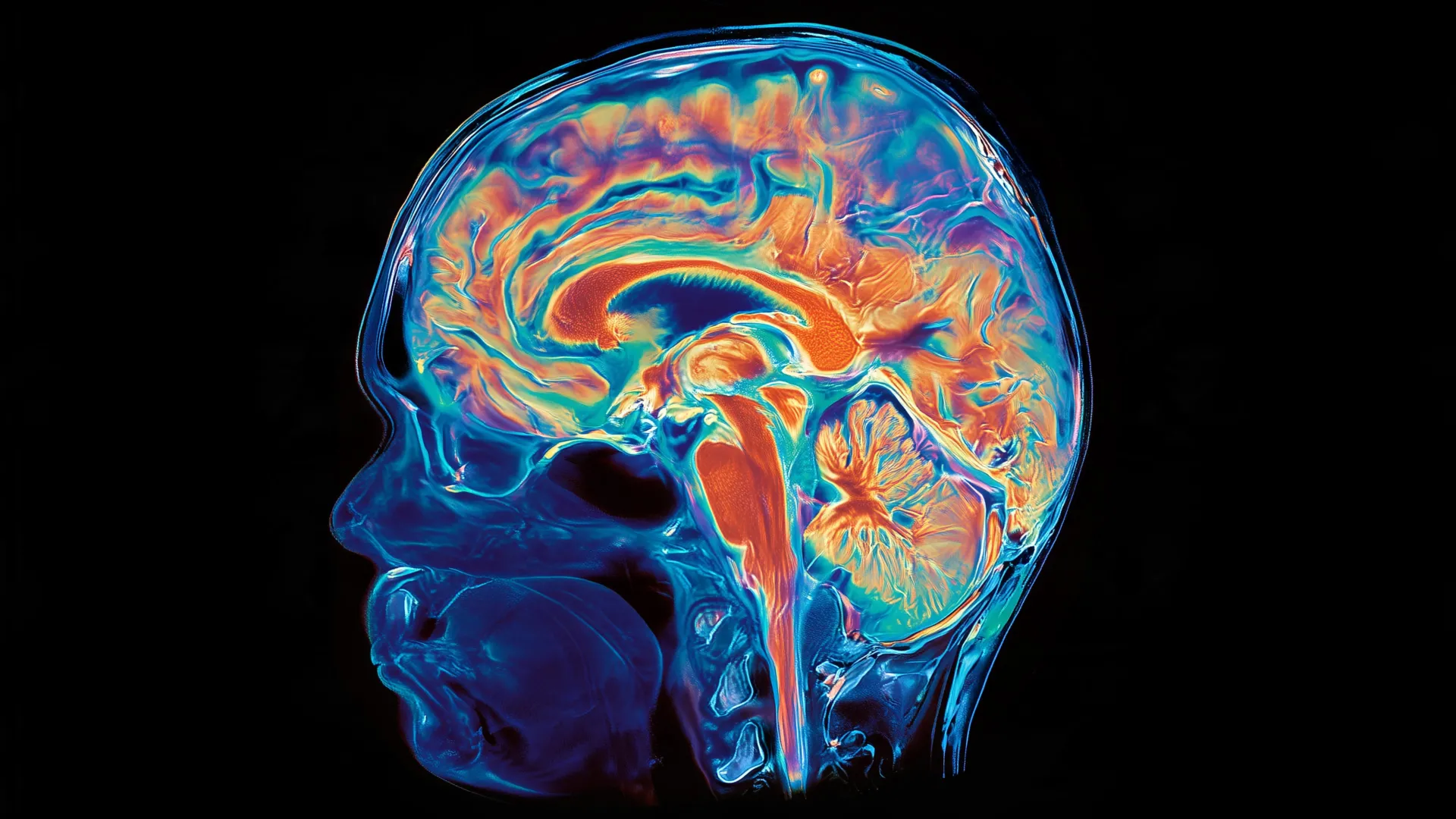
Stanford University neuroscientist Kyle Loh and colleagues challenge this view, arguing that the human brain is two distinct nervous systems that evolved separately and were joined together over hundreds of millions of years.
Stanford scientists discover the human brain may actually be two separate organs
Scientists have found that the human brain develops from two distinct cellular systems, suggesting that evolution fused together two ancient nervous systems with very different jobs. The discovery also allowed researchers to grow human hindbrain neurons in the lab, opening new possibilities for studying ALS, spinal muscular atrophy, and other brainstem diseases.
Brainchildren
Minds are complex artifacts, partly biological and partly social; only a unified, multidisciplinary approach will yield a realistic theory of how they came i...
Building a Second Brain: The Definitive Introductory Guide
This is an introduction to Building a Second Brain, the proven method to organize your digital life and unlock your creative potential
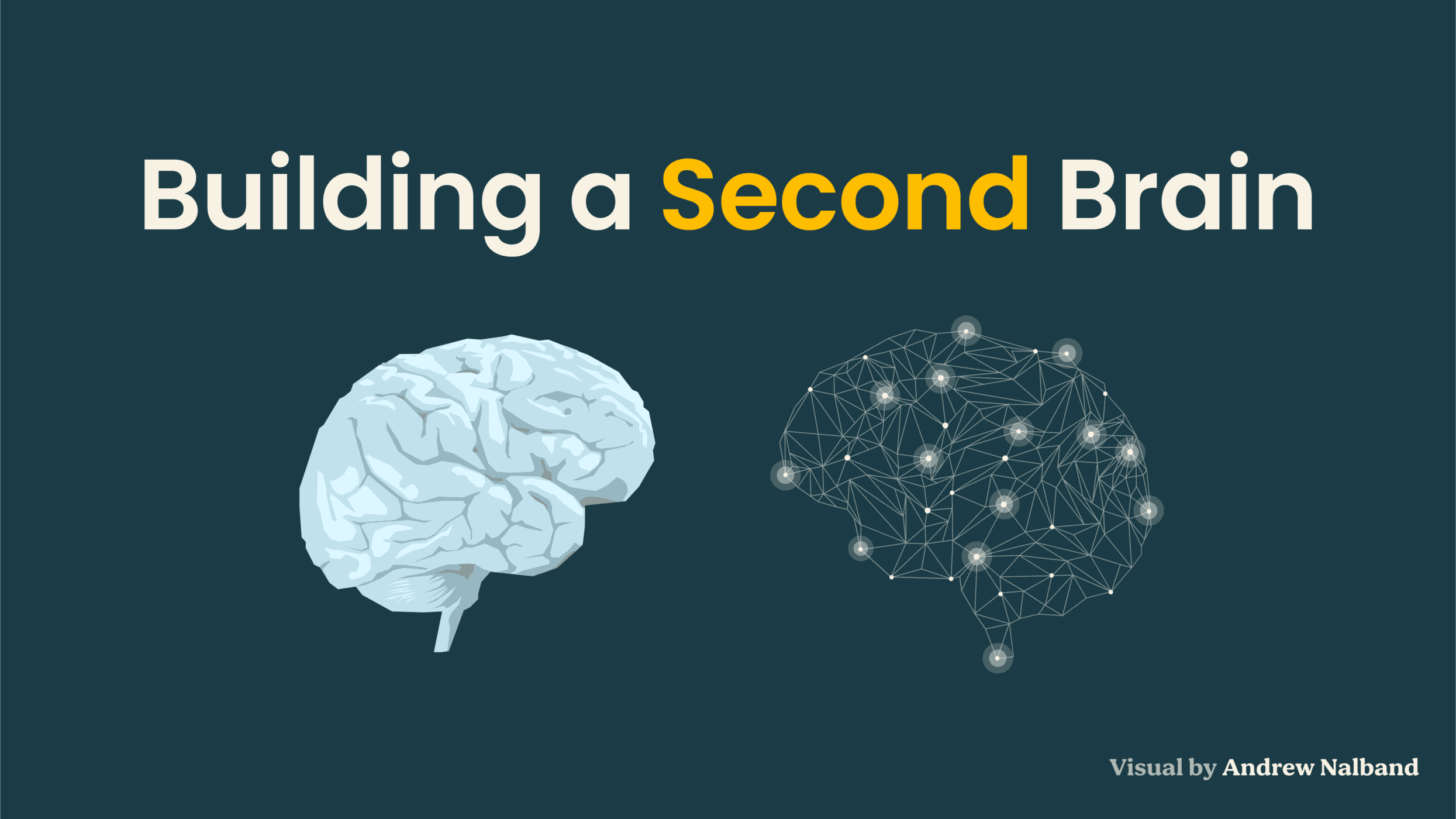
Building a Second Brain: The Definitive Introductory Guide
This is an introduction to Building a Second Brain, the proven method to organize your digital life and unlock your creative potential
Open-source software reveals complete 3D architecture of brain cells
The neurons in our brain that underlie thought connect to each other using tiny branch-like structures on their surfaces known as dendritic spines. Now scientists at Columbia's Zuckerman Institute and ...

Joshua Park on Twitter / X
It’s hard to categorize or evaluate second-brain systems because there’s no single right answer.But I found one useful lens every second brain should be evaluated through: the lifecycle of your data.Collect -> Organize -> Evolve -> Use -> GovernSo I made a curated… pic.twitter.com/GrmBFLwvEW— Joshua Park (@JoshuaIPark) May 31, 2026

This Is Your Brain on Podcasts (Published 2016)
Different people’s brains absorb a compelling story in the roughly the same complicated pattern, using many parts of the brain, researchers found.

The Entangled Brain: How Perception, Cognition, and Emotion Are Woven Together
A new vision of the brain as a fully integrated, networked organ.Popular neuroscience accounts often focus on specific mind-brain aspects like addiction, c
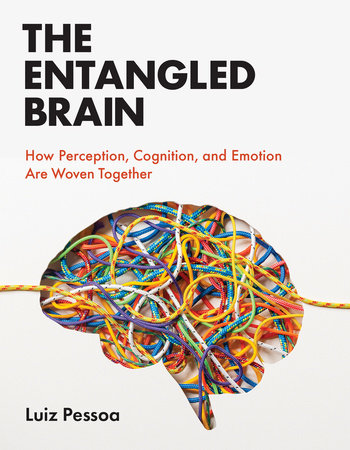
Embracing the suboptimal organization of the human brain
Human brain architecture is guiding brain-inspired artificial intelligence (AI) and has been treated as an optimal template, whose deviations could mark different psychiatric and neurological conditions. We argue this premise is wrong: under any single goal (e.g., minimal wiring cost or maximal communication efficiency), the human connectome is suboptimal. Instead, its organization reflects multi-objective trade-offs navigated over evolution and development under biological and environmental constraints. For psychopathology, atypical trajectories are not distances from an ideal brain but reweighted compromises in the same trade-off space. For neuro-AI, directly duplicating the brain’s connectivity risks copying its irrelevant compromises. Treating brains and models as products of multi-objective optimization and co-tuning relevant objectives offers a more powerful framework for interpreting clinical phenotypes and designing next-generation AI.

The Brain Wave Collective | Meetup
The **Brain Wave Collective** is a member-owned community focused on learning, growth, and shared successes. We are pioneers who build with the latest AI & ML technologies, but you don't need to be a technologist to participate. All skills and backgrounds are necessary.Join us to level up and build

Why Now is the Time to Build A Second Brain: 7 Trends Driving the Note-Taking Revolution - Forte Labs
Illustration by Mark Weaver We are living in the midst of an Informational Apocalypse. The volume of information we’re exposed to every day continues to

BrainMind
At this important juncture in neuroscience, the BrainMind ecosystem is combining the most talented of these groups in novel ways to collectively shepherd, support, and fund ideas that can be translated from labs into interventions that will benefit humanity.

Scientists identify a crucial brain feature connecting genetics to intelligence
A team of neuroscientists has uncovered evidence that genetic influences on intelligence may operate through the density of brain wiring, highlighting a potential biological bridge between inherited DNA differences and the brain structures that support reasoning and problem-solving.
The Global Brain Argument: Nodes, Computroniums and the Ai Megasystem (Target Paper for Special Issue)
The Global Brain Argument contends that many of us are, or will be, part of a global brain network that includes both biological and artificial intelligences (AIs), such as generative AIs ...

NeuroAI’s Next Steps: Balancing Computation and Embodiment
Deep neural networks trained at scale now predict neural activity across sensory cortices, raising a question that divides neuroscience: does the convergence between artificial and biological representations constitute understanding, or does understanding require models of biological processes grounded in the embodied, evolved character of natural intelligence? In this Dual Perspectives article, Bing Brunton and Patrick Mineault articulate two research programs—Process and Convergence—to engage this question about the future of NeuroAI research. The conversation is organized around four questions that probe what scaled model–brain alignment reveals, what the brain is coupled to and evolved to do, what success beyond the lab looks like, and where the field should invest over the coming decade. Their exchanges reveal the distance between the two programs to be primarily about the level of analysis and priorities for what to build next. The conversation converges on shared ground: measure broadly, then distill to causal principles.