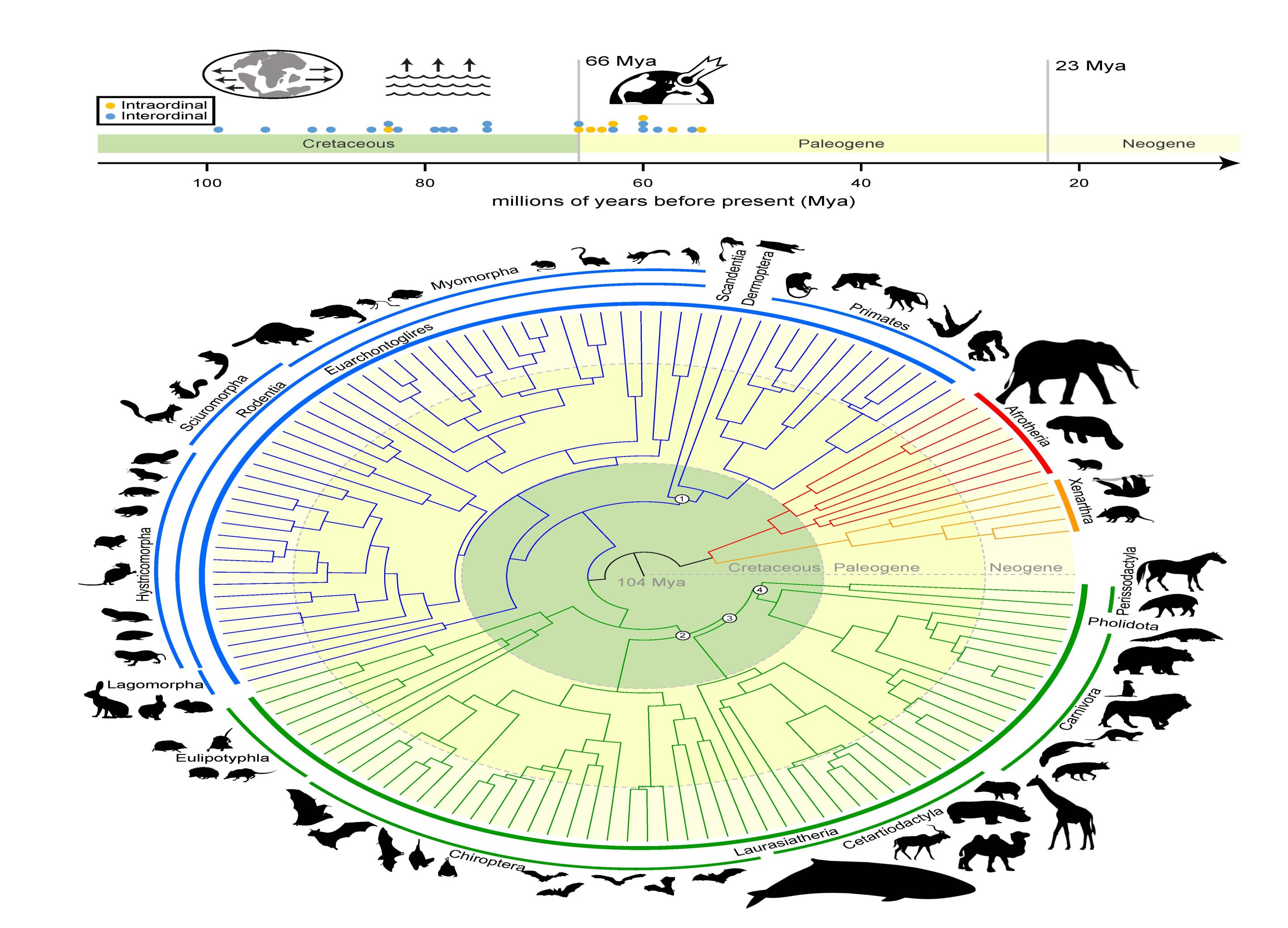
Whether genomic data can be used to effectively predict adaptation in natural populations is unknown. Here, we tested the efficacy of genomic prediction of complex trait evolution by monitoring genome-wide allele frequencies and pigmentation variation in genetically diverse populations of Drosophila melanogaster during evolution in both field mesocosms and a controlled, lab-based setting. At two points during trait evolution, we produced a high-powered, well-resolved genotype-phenotype map that exhibited marked stability across independent populations. Although we were able to use this map to correctly infer the direction of pigmentation evolution in both the lab and field settings, the particular loci responding to selection were largely unpredictable based on the direction of trait evolution itself. Our results hold implications for the promise, and limitations, of genomic prediction. , Editor’s summary Variant effects depend on the environment as well as the genetic backgrounds in which they arise, which leads to questions about how translatable results found in laboratory settings are to evolution in the wild. Smiley-Rhodes et al . allowed populations of the fruit fly Drosophila melanogaster to evolve in both laboratory and naturalistic settings to study the evolution of pigmentation. Both test populations lightened across replicates, but only variants near known pigmentation genes replicated with previous studies. However, predictions based on the allele frequencies of these variants alone suggested unchanged or increased pigmentation, whereas incorporating all identified variants reflected the real phenotypic changes seen. These results underscore the complicated relationships between variation and environment, even for well-studied traits. —Corinne Simonti , INTRODUCTION Whether genomic data can be used to predict adaptive evolution in natural populations, particularly for genetically complex traits, is unresolved. This task is challenging for two key reasons. First, genotype-phenotype maps are generally constructed within a single population and at a single point in time. Whether the phenotypic effects of trait-associated loci remain stable as populations evolve is unknown. Second, complex trait loci are often pleiotropic and affect multiple fitness-relevant phenotypes. This can decouple the direction of evolution of the trait itself from that of specific trait-associated loci, given that the fitness effect of a locus depends on its effect on all affected traits and their joint impact on fitness. Longitudinal studies that directly measure trait variation and selection on individual loci throughout evolution provide a way to quantify genomic predictability, despite these challenges. RATIONALE Here, we leveraged rapid, repeatable evolution of temperate Drosophila melanogaster populations under seasonally fluctuating selection to quantify the predictability of complex trait evolution. Specifically, we quantified allele frequencies and pigmentation variation over time in genetically diverse populations reared in field mesocosms exposed to natural conditions and in mesocosms housed in a controlled lab setting. At two time points, we conducted high-powered, tail-based mapping to identify loci underpinning pigmentation variation in our focal population. We used the resulting mapping data in conjunction with time-series allele frequency estimates to address the following questions: How stable is the genotype-phenotype map throughout evolution and across environments of selection? Are the loci that underpin variation in pigmentation the same as those that respond to selection and drive trait evolution? How does the complexity of the environment of selection affect genomic predictability? RESULTS The genotype-phenotype map we constructed reaffirmed canonical pigmentation genes, unveiled previously unidentified loci, and exhibited marked stability across independent populations. Although variation across all mapped loci together correctly predicted the direction of pigmentation evolution in both the field and lab mesocosms, the particular loci responding to selection, and thus the architecture of adaptation itself, were largely unpredictable. This was apparent even at the largest-effect, canonical pigmentation genes: Allele frequency shifts at ebony predicted the evolution of lighter pigmentation, consistent with our observations; shifts at tan predicted no change in pigmentation; and shifts at bric-à-brac predicted evolution of darker pigmentation, counter to what occurred. Finally, genomic predictability of trait evolution was lower in the field environment, where shifting environmental conditions likely select on a greater number of traits overall than in the controlled lab setting. CONCLUSION The stability of the genotype-phenotype map we quantified suggests that shifting epistatic landscapes associated with the evolutionary process may not preclude the portability of mapping results across populations if the mapping itself is sufficiently powered. Furthermore, genomic prediction of complex trait evolution in natural settings is feasible but hinges upon a well-resolved genotype-phenotype map that characterizes both large- and moderate-effect loci. Finally, the tendency for large-effect loci to behave in unpredictable ways exemplifies the role of pleiotropic constraint during evolution in natural environments while also demonstrating how such pleiotropic constraint can be overcome through genetic redundancy and shifts at moderate-effect loci. Longitudinal mapping of a complex trait throughout evolution. Ten mesocosms, housed in both a lab and a field environment, were seeded with a diverse D. melanogaster population. Genomic and pigmentation variation were monitored and genotype-phenotype maps were constructed throughout trait evolution. Mapping and time-series genomic data were analyzed jointly to test whether loci underlying trait variation also drove trait evolution through time. [Illustration credit: R. Dhillon]
Evolution as fitness landscape navigation: Concepts, Measures, and...
Fitness landscapes are mappings between genotypes, phenotypes, and fitness that shape evolution. In recent years, empirical work and theoretical models have greatly advanced our understanding of...

Shadow Enhancers Are Pervasive Features of Developmental Regulatory Networks
Cannavò et al. examine redundant (shadow) enhancers genome wide, finding that the majority of loci have more than two elements with similar activity. Evolutionary analyses show evidence of pervasive stabilizing selection and an ability to buffer mutations, suggesting that shadow enhancers have complex and fundamental roles in developmental networks

Polyphenism
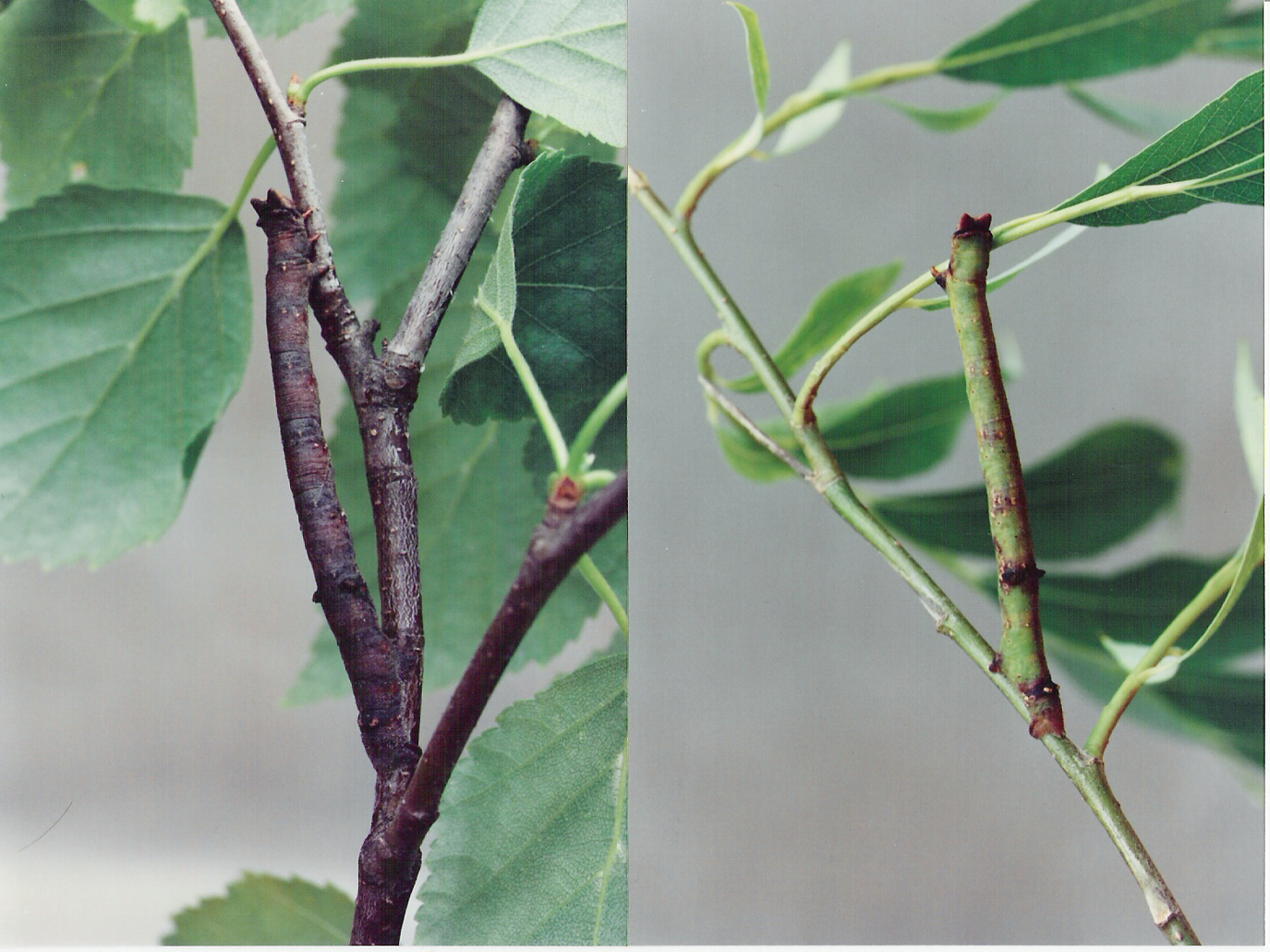
A polyphenic trait is a trait for which multiple, discrete phenotypes can arise from a single genotype as a result of differing environmental conditions. It is therefore a special case of phenotypic plasticity.
Evolution
Evolution is the change in the heritable characteristics of biological populations over successive generations. It occurs when evolutionary processes such as genetic drift and natural selection act on genetic variation, resulting in certain characteristics becoming more or less common within a population over successive generations. The process of evolution has given rise to biodiversity at every level of biological organisation.

A simple and effective F0 knockout method for rapid screening of behaviour and other complex phenotypes
Zebrafish knockouts can be generated in a few hours directly from wild-type eggs and are suitable for studying continuous traits, including behaviour.

Dynamic Landscape Analysis of cell fate decisions provides predictive models of neural development from single-cell data
Building a mechanistic understanding of cell fate decisions remains a fundamental goal of developmental biology, with implications for stem cell therapies, regenerative medicine and understanding disease mechanisms. Single-cell transcriptomics provides a detailed picture of the cellular states observed during these decisions, but building dynamic and predictive models from these data remains a challenge. Here, we present dynamic landscape analysis (DLA), an integrative framework that applies dynamical systems theory to identify stable cell states, map transition pathways, and generate a predictive cell fate decision landscape from single-cell data. Applying this framework to vertebrate neural tube development revealed that progenitor specification by Sonic Hedgehog (Shh) can be captured in a landscape with an unexpected topology in which initially divergent lineages converge to the same fate through multiple distinct routes. The model accurately predicted cellular responses and cell fate allocation for unseen dynamic signalling regimes. Cross-species validation using human embryonic organoid data demonstrated conservation of this decision-making architecture. By modelling the dynamic responses that drive cell fate decisions, the DLA framework provides a quantitative and generative framework for extracting mechanistic insights from high-dimensional single-cell data.
Edge.org
The new biotech tool called “gene drive” changes our relation to wild species profoundly. Any gene (or set of genes) can be forced to “drive” through an entire wild population. It doesn’t matter if the trait the genes control is deleterious to the organism. With one genetic tweak to its germline, a species can even be compelled to go extinct.
Targeted mutagenesis of specific genomic DNA sequences in animals for the in vivo generation of variant libraries
Understanding how the number, placement and affinity of transcription factor binding sites dictates gene regulatory programs remains a major unsolved challenge in biology, particularly in the context of multicellular organisms. To uncover these rules, it is first necessary to find the binding sites within a regulatory region with high precision, and then to systematically modulate this binding site arrangement while simultaneously measuring the effect of this modulation on output gene expression. Massively parallel reporter assays (MPRAs), where the gene expression stemming from 10,000s of in vitro-generated regulatory sequences is measured, have made this feat possible in high-throughput in single cells in culture. However, because of lack of technologies to incorporate DNA libraries, MPRAs are limited in whole organisms. To enable MPRAs in multicellular organisms, we generated tools to create a high degree of mutagenesis in specific genomic loci in vivo using base editing. Targeting GFP integrated in the genome of Drosophila cell culture and whole animals as a case study, we show that the base editor AIDevoCDA1 stemming from sea lamprey fused to nCas9 is highly mutagenic. Surprisingly, longer gRNAs increase mutation efficiency and expand the mutating window, which can allow the introduction of mutations in previously untargetable sequences. Finally, we demonstrate arrays of >20 gRNAs that can efficiently introduce mutations along a 200bp sequence, making it a promising tool to test enhancer function in vivo in a high throughput manner.

Prof. Lee Cronin on Twitter / X
It is easy to see that biology does things that cannot be computed in advanced because the future is not controlled by statistics, it is controlled by creative actions. This means today’s statistically-driven GenAI is fundamentally unintelligent.— Prof. Lee Cronin (@leecronin) March 28, 2026
Scientists identify a crucial brain feature connecting genetics to intelligence
A team of neuroscientists has uncovered evidence that genetic influences on intelligence may operate through the density of brain wiring, highlighting a potential biological bridge between inherited DNA differences and the brain structures that support reasoning and problem-solving.

The Ecological Theatre of Selfish Elements
Abstract. Some selfish genetic elements enhance their transmission to the next generation by interfering with and eliminating competing variants within the

Technological Approach to Mind Everywhere: An Experimentally-Grounded Framework for Understanding Diverse Bodies and Minds
Synthetic biology and bioengineering provide the opportunity to create novel embodied cognitive systems (otherwise known as minds) in a very wide variety of chimeric architectures combining evolved and designed material and software. These advances are disrupting familiar concepts in the philosophy of mind, and require new ways of thinking about and comparing truly diverse intelligences, whose composition and origin are not like any of the available natural model species. In this Perspective, I introduce TAME-Technological Approach to Mind Everywhere-a framework for understanding and manipulating cognition in unconventional substrates. TAME formalizes a non-binary (continuous), empirically-based approach to strongly embodied agency. TAME provides a natural way to think about animal sentience as an instance of collective intelligence of cell groups, arising from dynamics that manifest in similar ways in numerous other substrates. When applied to regenerating/developmental systems, TAME suggests a perspective on morphogenesis as an example of basal cognition. The deep symmetry between problem-solving in anatomical, physiological, transcriptional, and 3D (traditional behavioral) spaces drives specific hypotheses by which cognitive capacities can increase during evolution. An important medium exploited by evolution for joining active subunits into greater agents is developmental bioelectricity, implemented by pre-neural use of ion channels and gap junctions to scale up cell-level feedback loops into anatomical homeostasis. This architecture of multi-scale competency of biological systems has important implications for plasticity of bodies and minds, greatly potentiating evolvability. Considering classical and recent data from the perspectives of computational science, evolutionary biology, and basal cognition, reveals a rich research program with many implications for cognitive science, evolutionary biology, regenerative medicine, and artificial intelligence.
Embryo-scale reverse genetics at single-cell resolution
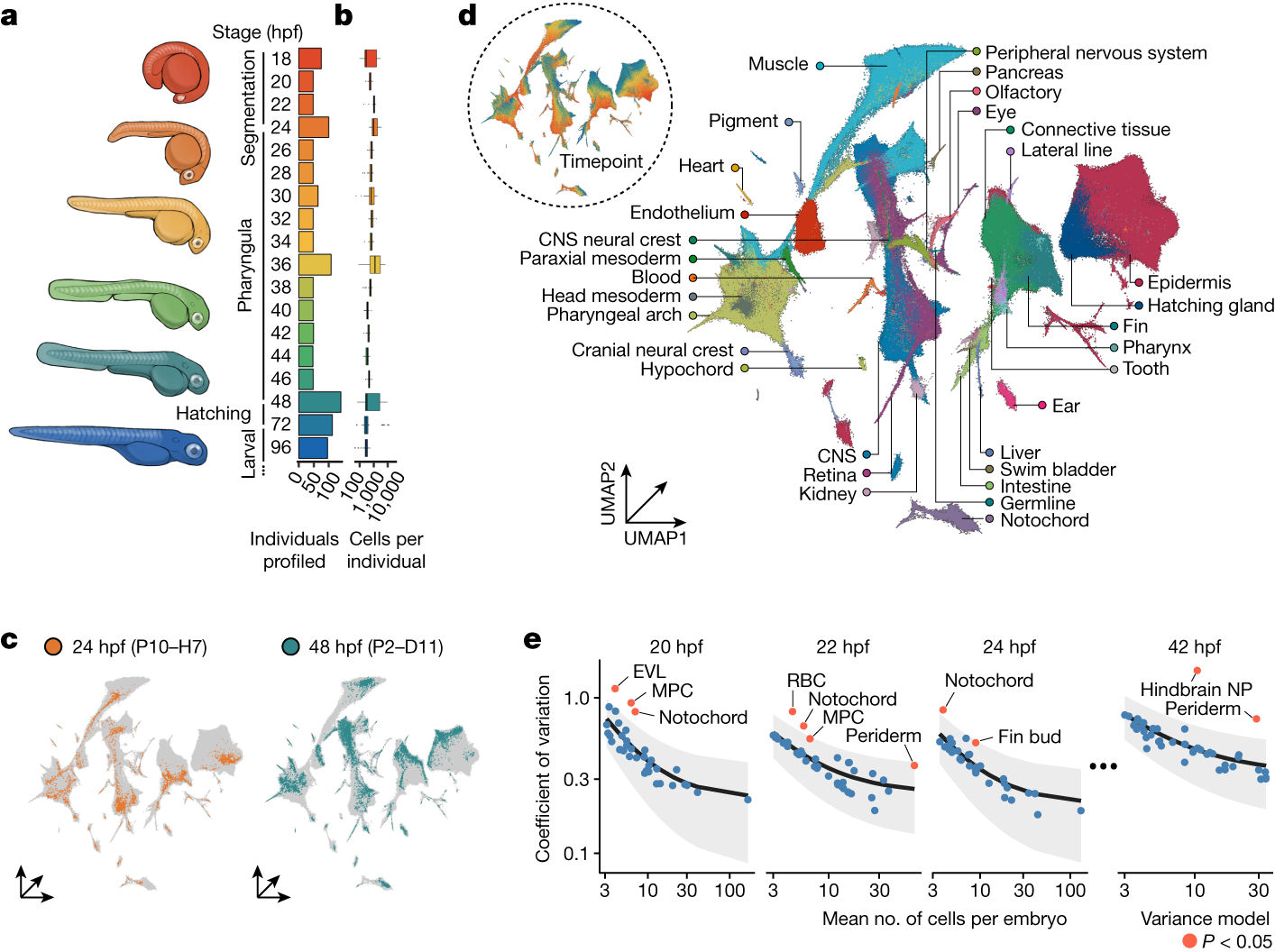
The maturation of single-cell transcriptomic technologies has facilitated the generation of comprehensive cellular atlases from whole embryos1–4. A majority of these data, however, has been collected from wild-type embryos without an appreciation for the latent variation that is present in development. Here we present the ‘zebrafish single-cell atlas of perturbed embryos’: single-cell transcriptomic data from 1,812 individually resolved developing zebrafish embryos, encompassing 19 timepoints, 23 genetic perturbations and a total of 3.2 million cells. The high degree of replication in our study (eight or more embryos per condition) enables us to estimate the variance in cell type abundance organism-wide and to detect perturbation-dependent deviance in cell type composition relative to wild-type embryos. Our approach is sensitive to rare cell types, resolving developmental trajectories and genetic dependencies in the cranial ganglia neurons, a cell population that comprises less than 1% of the embryo. Additionally, time-series profiling of individual mutants identified a group of brachyury-independent cells with strikingly similar transcriptomes to notochord sheath cells, leading to new hypotheses about early origins of the skull. We anticipate that standardized collection of high-resolution, organism-scale single-cell data from large numbers of individual embryos will enable mapping of the genetic dependencies of zebrafish cell types, while also addressing longstanding challenges in developmental genetics, including the cellular and transcriptional plasticity underlying phenotypic diversity across individuals.
The Umwelt Representation Hypothesis: rethinking Universality
Recent studies reveal striking representational alignment between artificial neural networks (ANNs) and biological brains, leading to proposals that all sufficiently capable systems converge on universal representations of reality. We argue that this claim of Universality is premature. We introduce the Umwelt Representation Hypothesis, which proposes that alignment arises not from convergence toward a single global optimum but from overlap in the ecological constraints under which systems develop. We review empirical evidence showing that representational differences between species, individuals, and ANNs are systematic and adaptive, which is difficult to reconcile with Universality. Finally, we reframe ANN model comparison as a method for mapping clusters of alignment in the ecological constraint space rather than as a search for a single optimal world model.

Gene regulatory networks: from correlative models to causal explanations
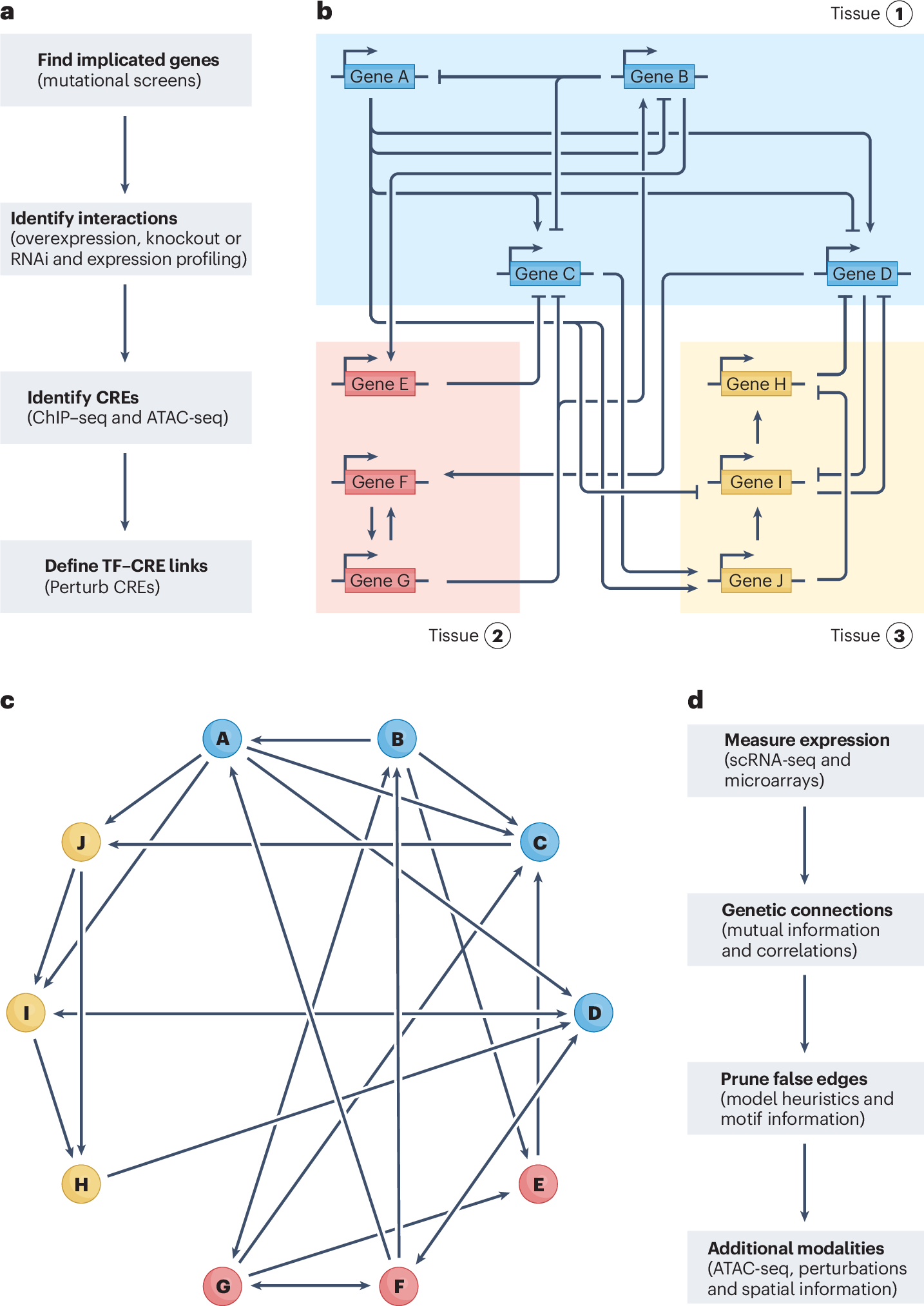
Gene regulatory networks (GRNs) explain how the genome controls cellular behaviour and tissue morphogenesis, serving to connect molecular mechanism to functional output. Single-cell technologies now provide descriptions of these networks with unprecedented detail, but this advance has also revealed gene regulatory systems that are too complex for our existing conceptual frameworks. GRNs, which should provide mechanistic explanations, are increasingly reduced to statistical correlations — ‘hairballs’ that fail to capture molecular causation. Here, we explore why this dilemma exists and propose a path forward. We argue that methods in ‘representation learning’ can be used to model GRNs, without needing to capture every molecular detail. For this framework, we advocate three linked principles: models must be inherently mechanistic, with structures grounded in cellular and evolutionary biology; molecular principles and constraints must be used to reduce the solution space for learning GRN models; and more sophisticated forms of experimental perturbation and synthetic biological engineering are needed to train models and test predictions. By reimagining GRNs through these principles, we can bridge the gap from data abundance to new conceptual understanding.
Researchers use genomes of 241 species to redefine mammalian tree of life
Research led by a team of scientists from the Texas A&M School of Veterinary Medicine and Biomedical Sciences puts to bed the heated scientific debate regarding the history of mammal diversification ...