Here's what we know.
Cannabis Evidence | Systematically Testing the Evidence on Marijuana
Cannabis use is becoming increasingly common among older adults in the United States, but less is known about how often cannabis use may become problematic in this population. A new study from University of California San Diego School of Medicine finds that among the...

The cannabis experiment
As marijuana use becomes more acceptable, researchers are scrambling to answer key questions about the drug.

Long-term study reveals harm in regular cannabis use
Regular cannabis use has harmful effects regardless of the age a person starts using, a University of Queensland-led study has found.

How Your Genes Impact Your Response to Cannabis - Live Webinar Recording
Long term cannabis use can fuck up your gut in a number of ways. Links provided
311 votes, 187 comments. Links: https://pubmed.ncbi.nlm.nih.gov/32762830/ https://www.sciencedirect.com/science/article/pii/S277263202300070…
Study on cannabis chemical as a treatment for pancreatic cancer may have 'major impact,' Harvard researcher says
Scientists from Harvard University's Dana-Farber Cancer Institute have found evidence that a chemical derived from cannabis may be capable of extending the life expectancy for pancreatic cancer.
Marijuana May Grow Neurons in the Brain
SASKATOON, Saskatchewan - Marijuana may promote the growth of new neurons in the hippocampus, perhaps relieving anxiety and depression, according to a Canadian team.

Largest Study of Its Kind Finds How Long-Term Cannabis Use Affects Memory
The study looked at the effect of cannabis use on young adults who are recent or heavy users.

Cannabinoids promote embryonic and adult hippocampus neurogenesis and produce anxiolytic- and antidepressant-like effects
The hippocampal dentate gyrus in the adult mammalian brain contains neural stem/progenitor cells (NS/PCs) capable of generating new neurons, i.e., neurogenesis. Most drugs of abuse examined to date decrease adult hippocampal neurogenesis, but the effects of cannabis (marijuana or cannabinoids) on hippocampal neurogenesis remain unknown. This study aimed at investigating the potential regulatory capacity of the potent synthetic cannabinoid HU210 on hippocampal neurogenesis and its possible correlation with behavioral change. We show that both embryonic and adult rat hippocampal NS/PCs are immunoreactive for CB1 cannabinoid receptors, indicating that cannabinoids could act on CB1 receptors to regulate neurogenesis. This hypothesis is supported by further findings that HU210 promotes proliferation, but not differentiation, of cultured embryonic hippocampal NS/PCs likely via a sequential activation of CB1 receptors, Gi/o proteins, and ERK signaling. Chronic, but not acute, HU210 treatment promoted neurogenesis in the hippocampal dentate gyrus of adult rats and exerted anxiolytic- and antidepressant-like effects. X-irradiation of the hippocampus blocked both the neurogenic and behavioral effects of chronic HU210 treatment, suggesting that chronic HU210 treatment produces anxiolytic- and antidepressant-like effects likely via promotion of hippocampal neurogenesis.

Opinion: The cannabis-psychosis debate is being driven by fear mongering, not facts
Frustratingly, both sides often resort to cherry picking data or conflating correlation with causation. Anecdotes, not science, often prop up these arguments.

Cannabis Legalisation Plebiscite Bill 2026
Click here to view the statement of compatibility under the Charter of Human Rights and Responsibilities

Marijuana may be even safer than previously thought, researchers say
New study: We should stop fighting marijuana legalization and focus on alcohol and tobacco instead

Massive scientific report on marijuana confirms medical benefits
Effective pain treatment is a top conclusion, but risks and unanswered questions remain.
Reefer Madness or Pot Paradise? The Surprising Legacy of the Place Where Legal Weed Began (Published 2019)
Colorado’s first-in-the-nation experiment with legalized marijuana has infused the drug into almost every corner of life.

The Word “Marijuana” Versus the Word “Cannabis”
Why do we call marijuana marijuana? Growing up, I assumed that "marijuana" was the original Latin name for the plant I discuss every week in...

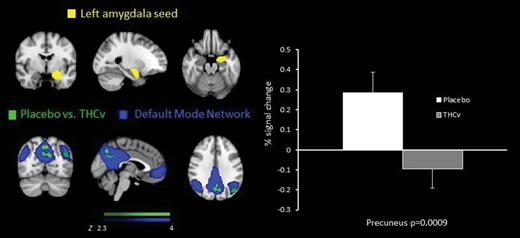
The CB1 Neutral Antagonist Tetrahydrocannabivarin Reduces Default Mode Network and Increases Executive Control Network Resting State Functional Connectivity in Healthy Volunteers
AbstractBackground:. The cannabinoid cannabinoid type 1 (CB1) neutral antagonist tetrahydrocannabivarin (THCv) has been suggested as a possible treatment f