


Important clue for solving the mystery.
Bacteria in the gut have a direct line to the brain
With its 100 million neurons, the gut has earned a reputation as the body's "second brain"—corresponding with the real brain to manage things like intestinal muscle activity and enzyme secretions. A growing ...

Psychobiotics & the Gut-Brain Connection | Qualia
Explore the fascinating world of psychobiotics and the gut-brain connection. Uncover the influence of gut health on mental well-being and cognition.

Gut bacteria spotted eating brain chemicals for the first time | New Scientist
The discovery of gut bacteria that need the calming chemical GABA to survive could explain why bacteria seem to influence our mood

Psychobiotics: Bacteria to Brighten your Mood | Qualia
Uncover the power of psychobiotics—bacteria that boost mood and mental well-being. Explore the emerging field of gut-brain connection."

Gut–brain link grabs neuroscientists
Idea that intestinal bacteria affect mental health gains ground.
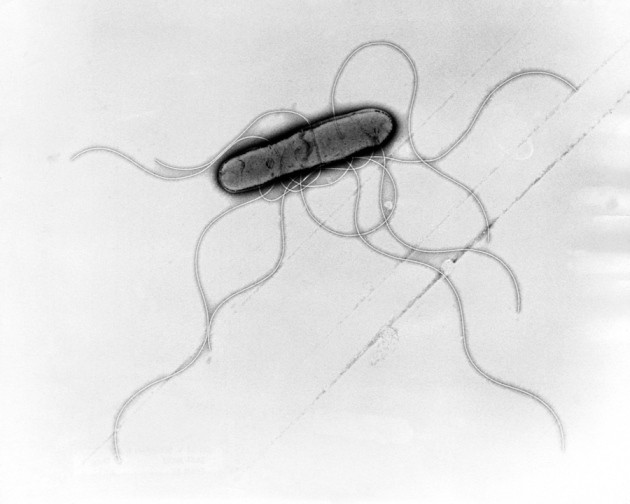
Brain-Gut Circuit Lets Microbiota Directly Affect the Sympathetic Nervous System
Gut bacteria play a direct role in neuronal communications between the gut and the brain, according to new research.

Think Twice: How the Gut's "Second Brain" Influences Mood and Well-Being
The emerging and surprising view of how the enteric nervous system in our bellies goes far beyond just processing the food we eat
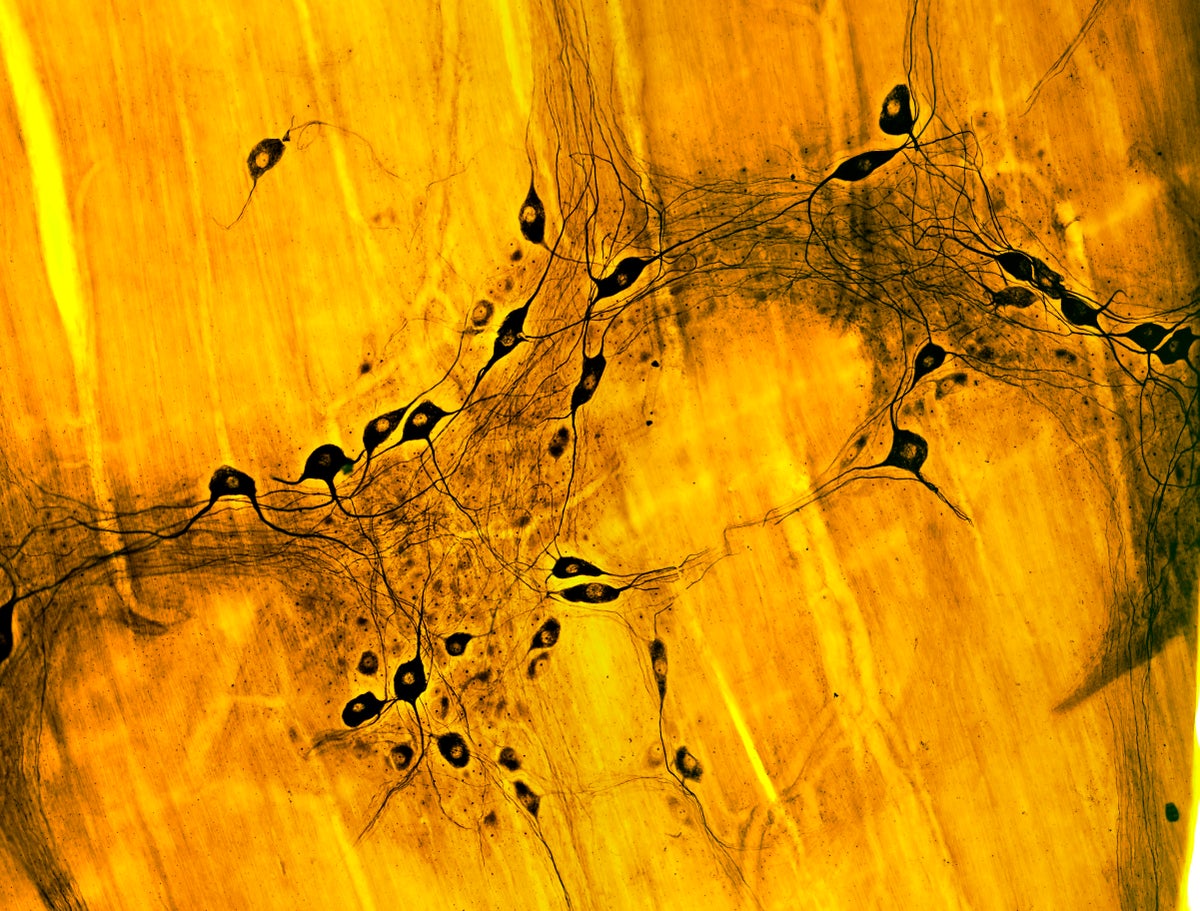
Gut Bacteria Signature Shows Link to Depression
The first population-level study on the link between gut bacteria and mental health identifies specific gut bacteria linked to depression and provides evidence that a wide range of gut bacteria can produce neuroactive compounds. Jeroen Raes (VIB-KU Leuven) and his team published these results today in the scientific journal Nature Microbiology.<br /><br />

How Gut Bacteria Tell Their Hosts What to Eat
By suppressing or increasing cravings, microbes help the brain decide what foods the body “needs”

Gut Bacteria Might Guide The Workings Of Our Minds
Anxious mice calm down when they get an infusion of gut microbes from mellow mice. That has scientists wondering if gut microbes play a role in the human brain, too. Research on that is only just beginning. But it's intriguing to think there could be a real truth to the phrase "gut feelings."

Microbiota modulate sympathetic neurons via a gut–brain circuit
Connections between the gut and brain monitor the intestinal tissue and its microbial and dietary content1, regulating both physiological intestinal functions such as nutrient absorption and motility2,3, and brain-wired feeding behaviour2. It is therefore plausible that circuits exist to detect gut microorganisms and relay this information to areas of the central nervous system that, in turn, regulate gut physiology4. Here we characterize the influence of the microbiota on enteric-associated neurons by combining gnotobiotic mouse models with transcriptomics, circuit-tracing methods and functional manipulations. We find that the gut microbiome modulates gut-extrinsic sympathetic neurons: microbiota depletion leads to increased expression of the neuronal transcription factor cFos, and colonization of germ-free mice with bacteria that produce short-chain fatty acids suppresses cFos expression in the gut sympathetic ganglia. Chemogenetic manipulations, translational profiling and anterograde tracing identify a subset of distal intestine-projecting vagal neurons that are positioned to have an afferent role in microbiota-mediated modulation of gut sympathetic neurons. Retrograde polysynaptic neuronal tracing from the intestinal wall identifies brainstem sensory nuclei that are activated during microbial depletion, as well as efferent sympathetic premotor glutamatergic neurons that regulate gastrointestinal transit. These results reveal microbiota-dependent control of gut-extrinsic sympathetic activation through a gut–brain circuit.

The Surprising Connection Between Your Stomach and Your Mind
The next frontier of medicine isn’t in the depths of an Amazon jungle or in an air-conditioned lab; it’s in the rich and mysterious bacterial swamp of ...

Study explains why humans have an “unquenchable desire” for sugar
Researchers discovered a novel gut-brain axis, explaining why humans possess a craving to consume sugar.
Psychiatry and Inflammatory Conditions
Diet and gut health are essential components of mental health, and the gut-brain axis has progressed from an esoteric concept to a popular one.
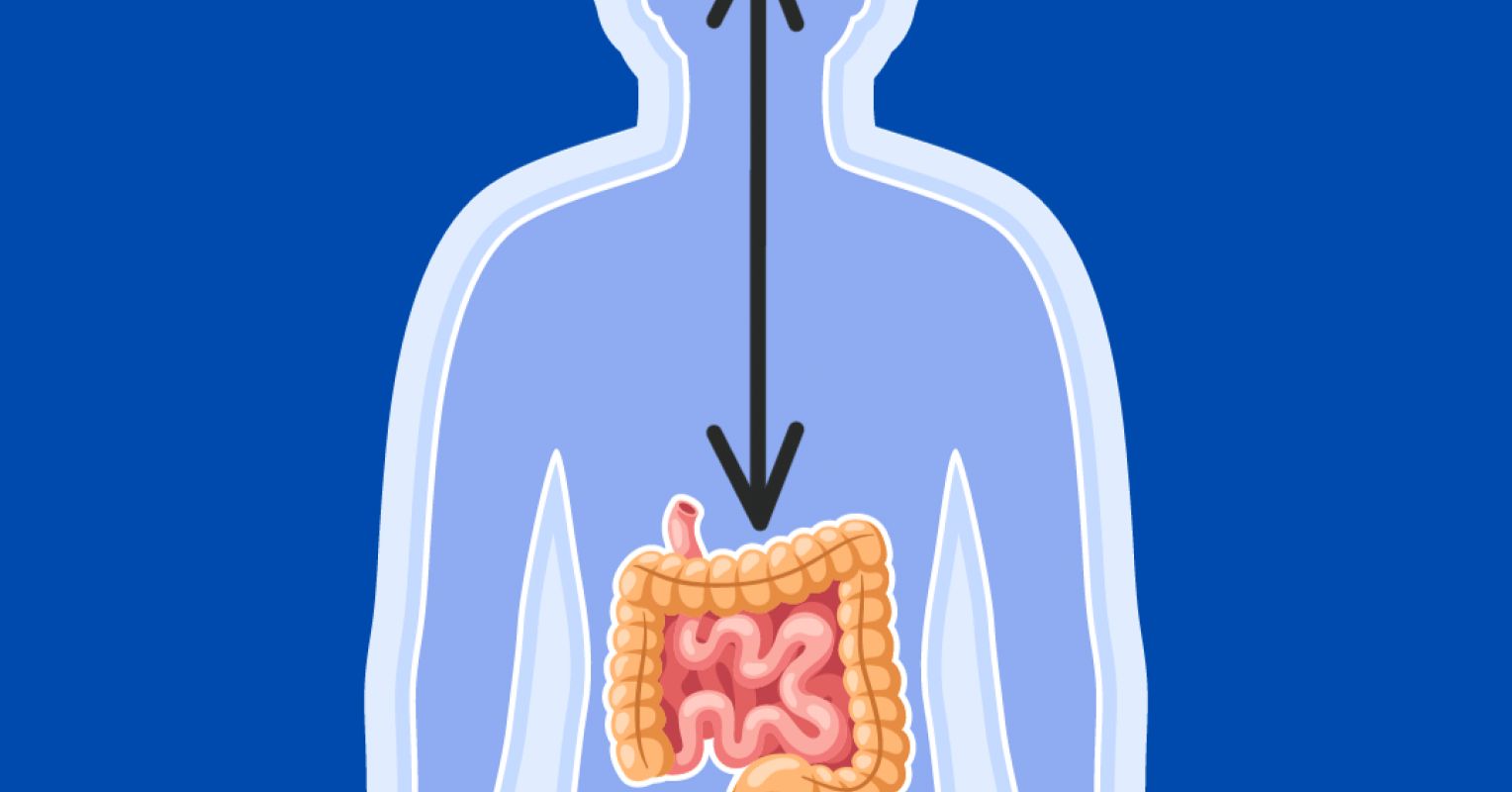
The link between our food, gut microbiome and depression
A new study takes an important step forward in understanding the link between the gut bacteria, what we eat and how we feel

Researchers Create Bacteria That Could Protect Your Gut From Antibiotics - Slashdot
In a new study published in the journal Nature Biomedical Engineering, researchers from Harvard and MIT detail work they've done on a "living cellular therapeutic device" that promises to protect humans from the harmful side effects antibiotics can have on our guts. Engadget reports: Per Science Da...
