


You're in for a bumpy ride.
This Chart Shows Why You Should Never Worry About Getting Older
Some of life's biggest peaks come in later years.
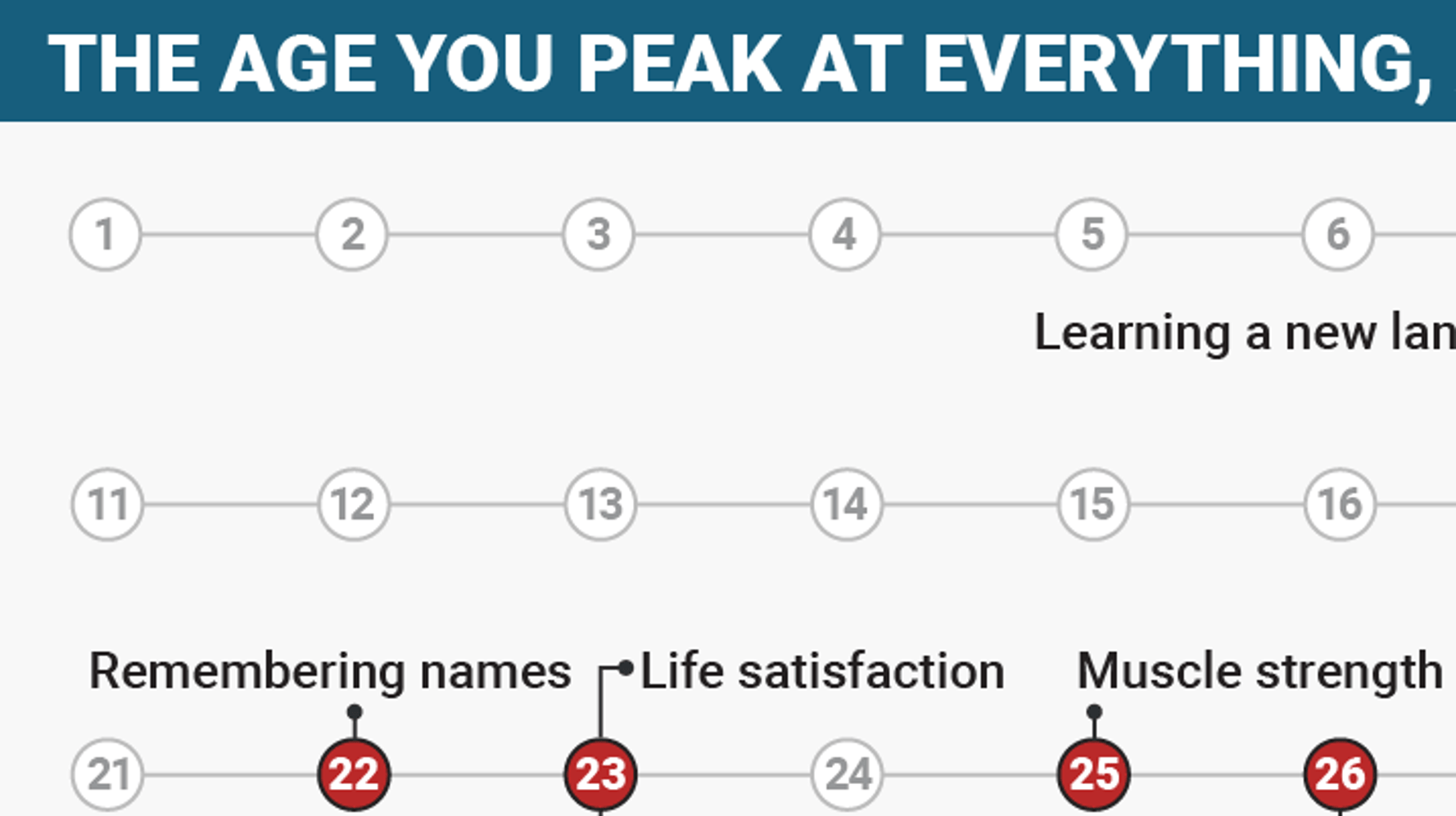
Does adolescence really last until age 32?
Those “turning points” in brain aging aren’t quite what you think

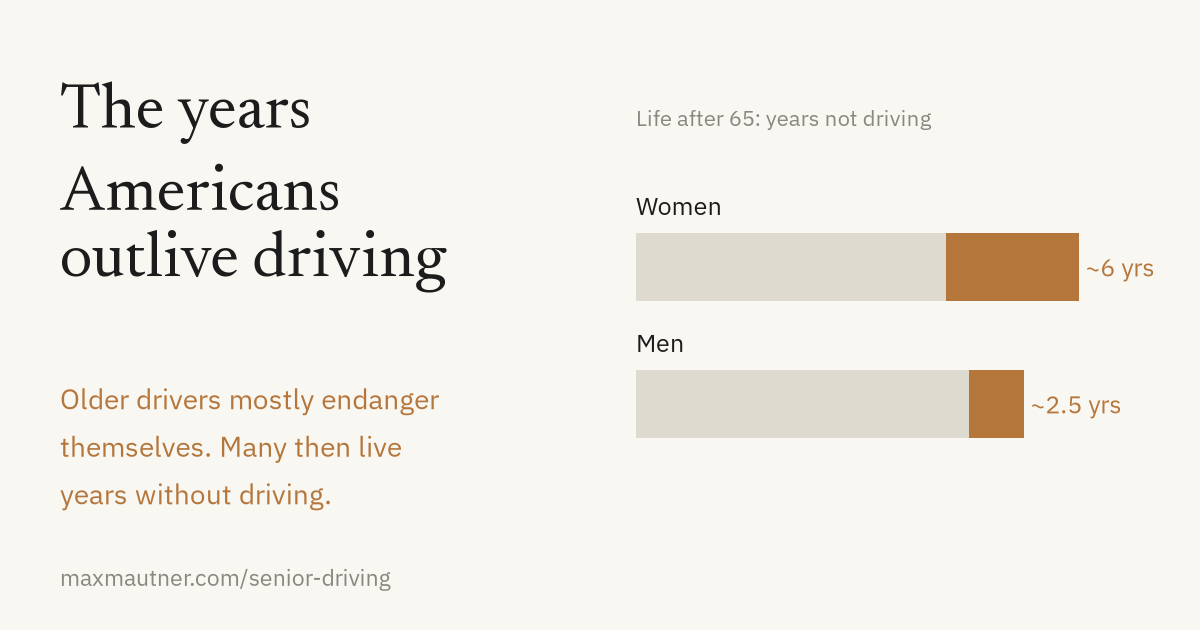
The years Americans outlive driving
Per mile, drivers 75 and older are in fatal crashes as often as drivers under 25, but the people who die are mostly the older drivers themselves. Women can expect ~6 years of life after 65 without driving, men ~2.5.
How fasting can improve overall health
Researchers found evidence that fasting affects circadian clocks in the liver and skeletal muscle, causing them to rewire their metabolism, which can ultimately lead to improved health and protection against aging-associated diseases.

How Exercise Can Keep Aging Muscles and Immune Systems ‘Young’ (Published 2018)
Older cyclists are not like most of the rest of us. They are healthier. They are, biologically, younger.

Logarithmic Scales of Pleasure and Pain
Rating, ranking, and comparing peak experiences suggest the existence of long tails for bliss and suffering.

Accelerationism: how a fringe philosophy predicted the future we live in
The long read: The world is changing at dizzying speed – but for some thinkers, not quickly enough. Is accelerationism a dangerous idea or does it speak to our troubled times?

Want to Be Happy? Think Like an Old Person (Published 2017)
In a series update, we catch up with a group of New Yorkers over age 90: warm, cranky, funny and three years older than when we first met them.

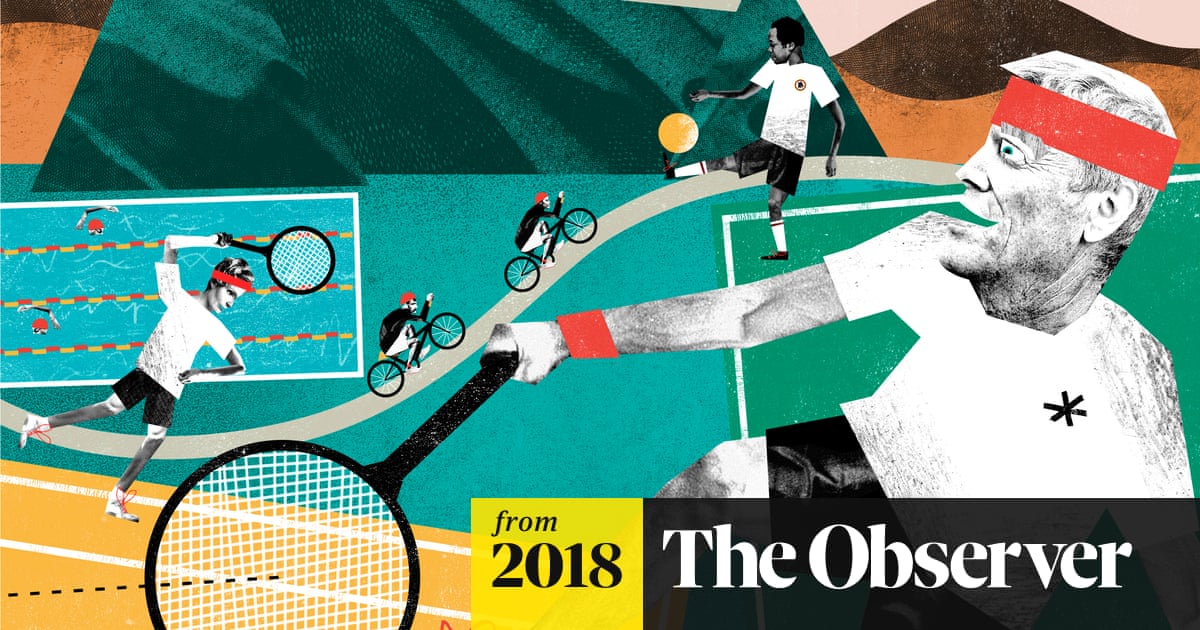
Extra time: how smart exercise keeps you younger for longer
Creaking knees, stiff back, dodgy shoulders… Age is no friend to the human body. So how are veteran athletes like Roger Federer and Jo Pavey still at the top of their game? And what can you do to keep up?
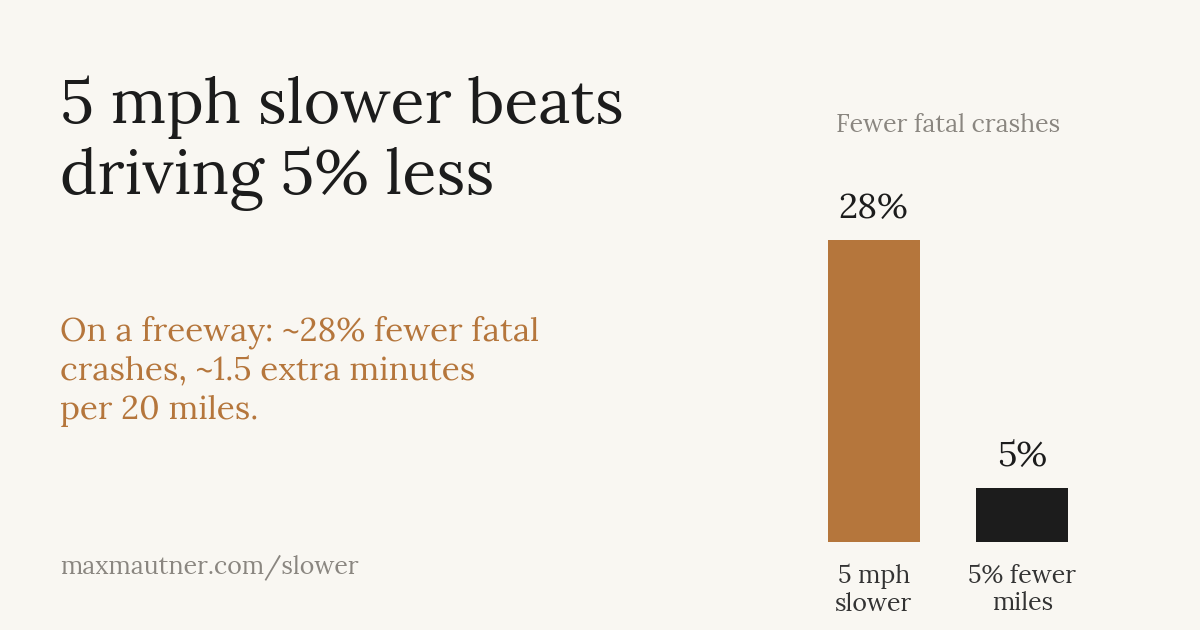
Driving 5 mph slower beats driving 5% less
Driving 5 mph slower prevents far more deadly crashes than driving 5% less. On a 20-mile freeway trip, it adds ~1.5 minutes.
Olduvai domains: humanity’s lucky brake
Neoteny—a developmental slowdown that results in the retention of juvenile traits into adulthood—has long been viewed as central to human brain expansion. Olduvai domains are proposed here to function as a dosage-dependent metabolic ‘brake’ that slows development via mitochondrial downregulation. Their human-specific hyperamplification, paired with NOTCH2NL accelerators and new metabolic insights, may solve a century-old evolutionary puzzle.

The Mid-30s Awkward Phase No One Tells You About
We're supposed to live it up in our 20s and "own" 40. But what about the in-between?

The Global Decline in the Mental Health of the Young
One of the major findings in wellbeing research until recently was that happiness was U-shaped by age and unhappiness hump-shaped by age. There was a midlife crisis — a finding reported in well over 600 published papers using data on 145 countries. It was present in both developing and developed countries. And it was persistent over time. The finding of a peak in ill-being in midlife was consistent with Anne Case and Angus Deaton’s work on mortality and the so-called “deaths of despair.”1 In the US in particular and to a lesser extent in other countries, White prime-aged individuals without a college degree had high death rates from suicide, drug overdoses, and cirrhosis of the liver. Drug overdose deaths in the US, for example, peaked at midlife ages. In 2023, the Centers for Disease Control and Prevention (CDC) reported that overdose death rates per 100,000 by age rose from 13.5 for 15-to-24-year-olds to 45.6 for 25-to-34-year-olds and 60.8 for 35-to-44-year-olds, and then declined to 53.3 for 45-to-54-year-olds, 49.2 for 55-to-64-year-olds, and 14.7 for those over the age of 65.2 The morbidity data matched the mortality data.

Brett Scott (@brettscott)
Despite all the rhetoric about automation supposedly making our lives easier, the true story being told by Big Tech is that our lives are better when speeded up You are supposed to be in an ever-accelerating race, packing more units of experience into the same unit of time, a phenomenon that requires a contraction of patience and a blurring of experience as everything quickens In the end, this is what ‘convenience’ actually is. It’s a state of being in which you become disassociated and disengaged from the texture of the world around you. You pass through it dreamlike, and suddenly wake up decades years later as an elderly person on your deathbed, thinking “WTF happened”, as then the memory slips away

Im of course 100% on board with this argument but who’s gonna tell the authors about Amartya Sen, Mahbub Al Haq, 30 years of calculating HDI, and the human development approach more broadly. nature.com/articles/s41562-025-02277-4

Governments should prioritize well-being over economic growth - Nature Human Behaviour
www.nature.com