


And they can control it.
Scientists may have found the root of anxiety, opening a door to treatment
"For people suffering from anxiety, this news should give hope."
What Anxiety Does to Your Brain and What You Can Do About It
Anxiety is a perfectly normal and natural part of being a human.

The Neuroscience of Fearful Memories and Avoidance Behaviors
Neuroscientists have identified how the brain remembers fearful experiences. And how fear-based memories can lead to avoidance behaviors.
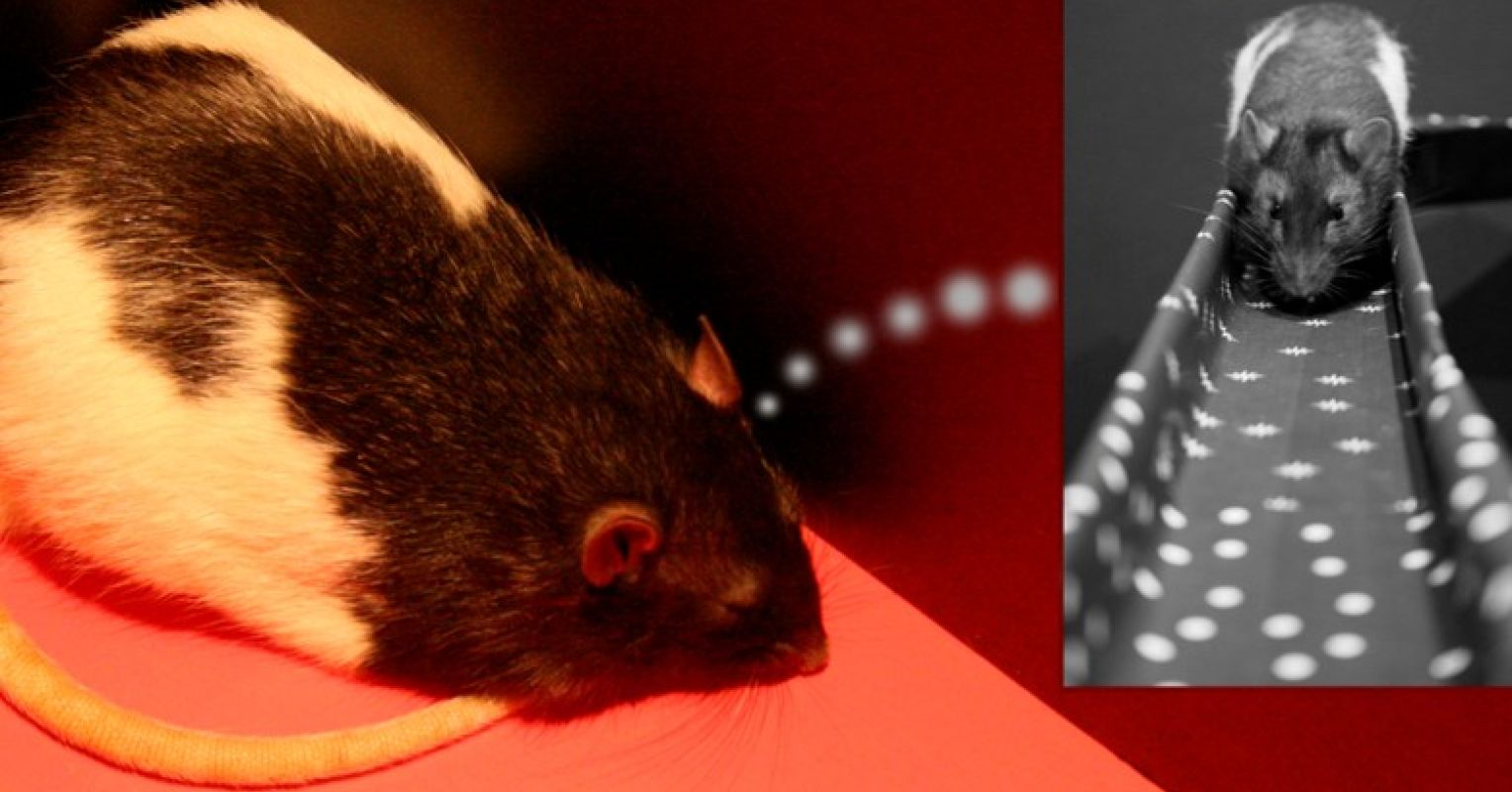
People with heightened anxiety have altered perceptions of their breathing, study finds
New research provides evidence that anxiety is related to altered interoception, the perception of one's own internal bodily states. The new study, published in the journal Neuron, examined the relationship between anxiety and the perception of breathing.

What stress does to the brain - Neuroscience News
A new study sheds light on how the brain changes as a result of chronic stress. Selective noradrenaline release rewires connectivity patterns between different brain regions. Activity in the amygdala and networks that process sensory stimuli increased.

The Brains of Anxious People May Perceive the World Differently
People with generalized anxiety disorder unconsciously label harmless things as threats, which increases their anxiety.

Brain Circuit for Vicarious Fear Reveals How We Feel Others’ Pain - Neuroscience News
Scientists have uncovered a dedicated brain circuit that distinguishes between direct fear and fear learned by observing others—known as vicarious fear.

Anxiety and Depression Are Symptoms, Not Diseases
It is crucial to first and foremost see anxiety and depression as symptoms of unmet needs for relational value, rather than diseases of the brain.

What Causes the Brain’s Emotional Hub to Switch to Negative States? - Neuroscience News
Researchers explore how changes in the patterns of activity in the basolateral amygdala contribute to negative emotions such as fear, anxiety, and depression.
Genetic Contribution to Anxiety Is Partially Mediated by Gut Microbiome - Neuroscience News
Researchers identified specific genetic variants and families of gut microbes associated with anxiety-like behavior, including host genes that influence anxiety indirectly.

Brain imaging study finds that teaching math anxious students to reframe their anxieties improves their performance
New research suggests that a cognitive reappraisal strategy can help math anxious individuals regulate their negative emotions surrounding math. The study

How to Reduce Anxiety by Up to 65 Percent With One Song, According to Neuroscience
Sure to both stir your soul and calm your nervous system.

New research nuances our understanding of how anxiety impacts working memory and cognition
Anxiety disorders are among the most prevalent mental health disorders in the world, affecting some 40 million individuals in the United States alone.
The Neuroscience At The Heart Of Learning And Leading
Joshua Freedman (@eqjosh) shares the science behind what's going on inside your head. Emotional intelligence, he says, is the difference that makes the difference. Photo: Flickr/labguest Marco Iacoboni is one of the pioneers in a new area of neuroscience. A few years ago in Parma, Italy, scientists were researching how the brain [...]

Meditation produces enduring changes in emotional processing in the brain, study shows
A new study has found that participating in an 8-week meditation training program can have measurable effects on how the brain functions even when someone is not actively meditating. In their report in ...

Neuroscience Reveals the Secrets of Meditation's Benefits
Contemplative practices that extend back thousands of years show a multitude of benefits for both body and mind
