


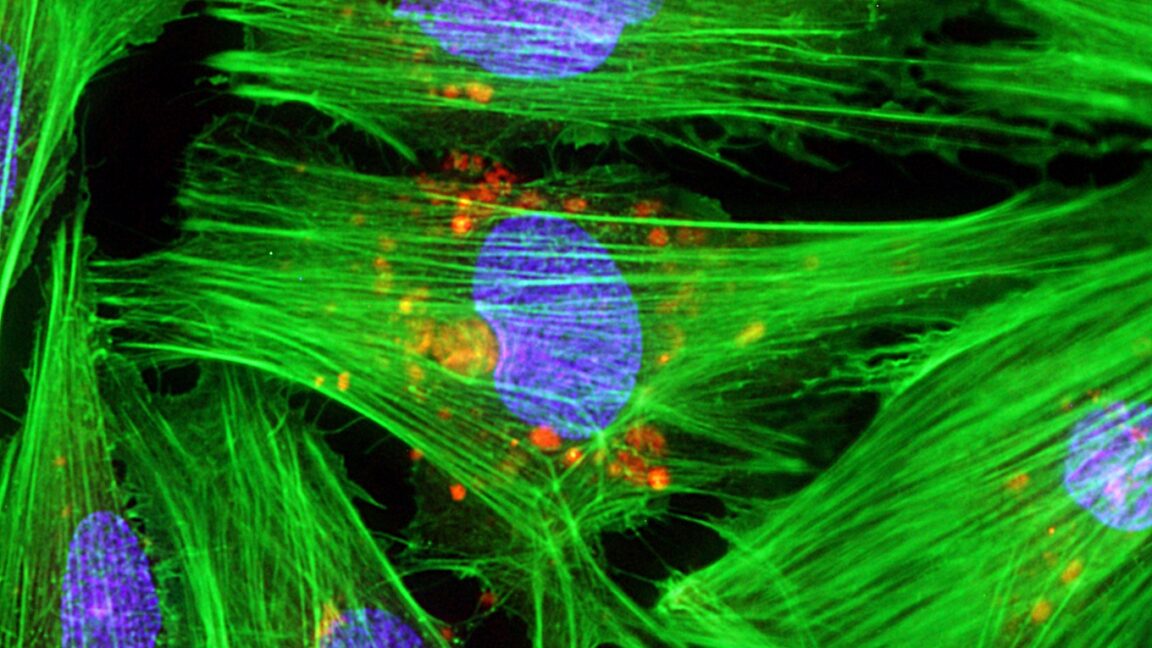
Engineers have developed a new technique for delivering stem cell therapy to the eye which they hope will help the natural repair of eyes damaged by accident or disease. This could help millions of people across the world retain – or even regain - their sight.

Will Their Bionic Eyes Be Obsolete and Unsupported Too?
As another retinal implant company goes broke, the tech’s future dims

Stem cells used to partially repair damaged hearts
Patches of stem-cell-derived heart muscle improve damaged hearts.
A Randomized, Sham Controlled, Masked Phase II Study for Safety of Intravitreal Implantation of NT-501 Encapsulated Cell Therapy for the Treatment of Glaucoma: Adverse Events and Structural Outcomes | IOVS | ARVO Journals
This abstract was presented at the 2024 ARVO Annual Meeting, held in Seattle, WA, May 5-9, 2024.
Parkinson’s Patients Say Their Symptoms Eased After Receiving Millions of New Brain Cells
Two studies found stem cell therapies were safe and reduced symptoms, but bigger trials are still needed.

A Review of the Ray-ban Meta AI Glasses for People With Low Vision
In the small group of professional certified vision rehabilitation therapists (CVRT), to which I belong, it is not uncommon for us to use the term “magic glasses.” These are the glasses some of our clients hope to find that will improve or restore their vision. It makes sense—in that for many of them, a new prescription once brought things back into focus. Vision loss from macular degeneration, glaucoma, diabetes, and other conditions is usually something that can be managed with proper care, but vision is not typically restored to what it once was. Still, the myth or hope for the magic glasses persists.
Declining eyesight can be improved by looking at red light, pilot study says | CNN
Just a few minutes of gazing into a small red light each day may help stave off eyesight decline as we age, a new study finds. If the results are replicated in future studies, the work could have relevance for a spectrum of aging-related conditions.

eSight - Electronic eyewear for the visually impaired
eSight is the most advanced all-in-one device for people with visual impairment. Fill out our online form to learn if eSight could help you.


Breakthrough Gel for growing large quantities of neural stem cells – NextBigFuture.com
There is a solution to the dual challenges of growing and preserving neural stem cells in a state where they are still able to mature into many different cell types. The first challenge is that growing stem cells in quantity requires space. Like traditional farming, it is a two-dimensional affair. If you want more wheat, corn or stem cells, you need more surface area. Culturing stem cells, therefore, requires a lot of relatively expensive laboratory real estate, not to mention the energy and nutrients necessary to pull it all off.

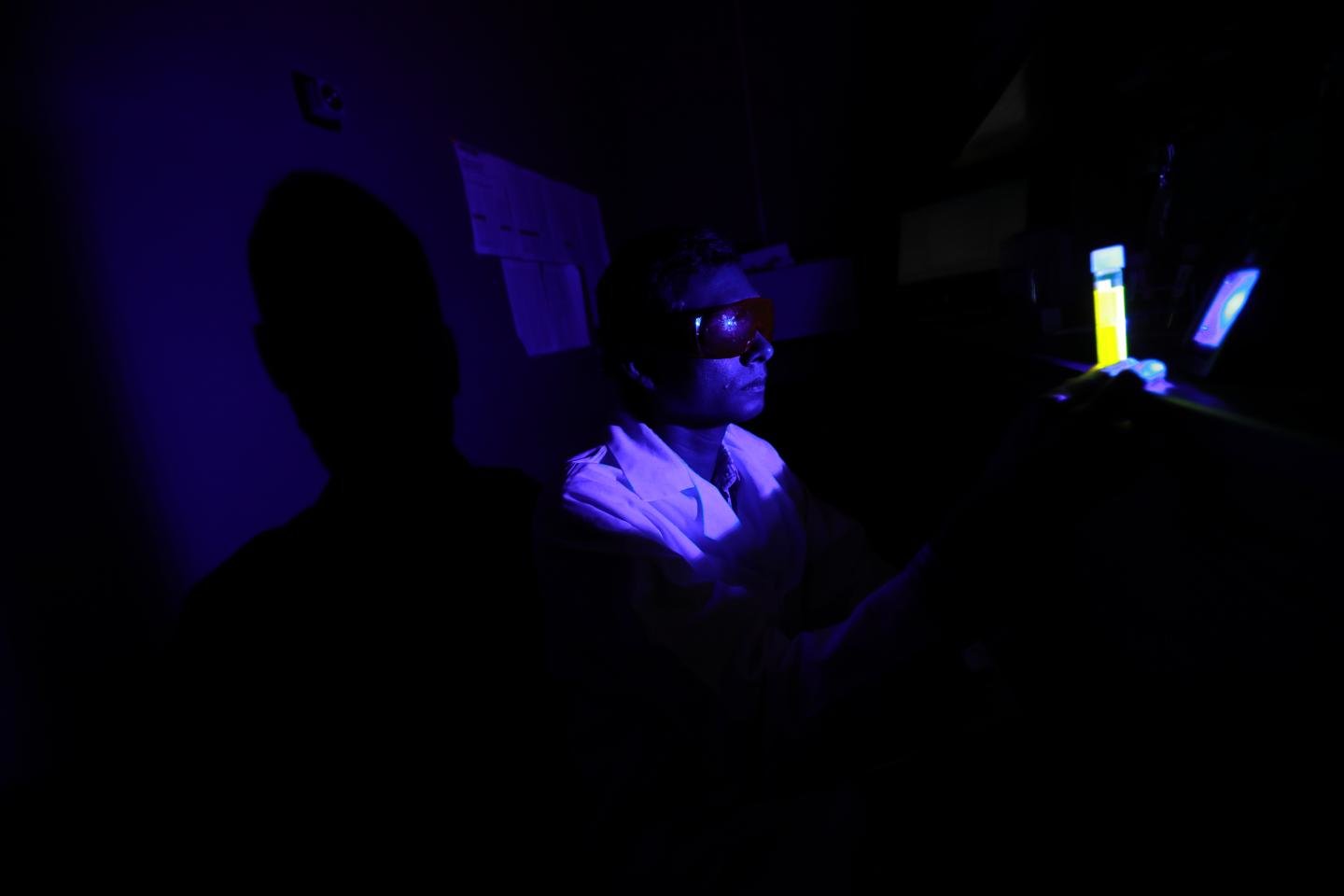
Chemists discover how blue light speeds blindness
Blue light from digital devices and the sun transforms vital molecules in the eye's retina into cell killers, according to optical chemistry research at The University of Toledo.
Stem cell therapy lowers risk of heart failure after a heart attack | New Scientist
People who receive stem cell therapy within a week of their first heart attack have nearly a 60 per cent lower risk of developing heart failure years later

'Gene repair' could be tested on people in 2017
Human trials of Crispr editing are being proposed by Massachusetts-based start-up Editas Medicine to treat a rare form of blindness knwon as Leber congenital amaurosis.

No title
Two genetic programs have been discovered that turn stem cells into blood. The method, which mirrors the way blood is produced in the body, allows

After decades of mixed results, new evidence suggests stem cells really can help the heart heal. The largest trial yet finds stem cell therapy cuts the risk of heart failure by nearly 60% in the years following a heart attack. newscientist.com/article/2502081-stem-cell-the…

Stem cell therapy lowers risk of heart failure after a heart attack
www.newscientist.comIt worked. Stem cells (mesenchymal) given to patients with a large heart attack reduced major adverse events in a randomized trial vs standard care bmj.com/content/391/bmj-2024-083382

