


Oxytocin, the body’s natural love potion, helps couples fall in love, makes mothers bond with their babies, and encourages teams to work together. Now new research reveals a mechanism by which this prosocial hormone has its effect on interactions between the sexes, at least in certain situations. The key, it turns out, is a newly discovered class of brain cells.
Social interactions may be affected by epigenetics
The DNA that encodes the oxytocin receptor undergoes chemical modifications.
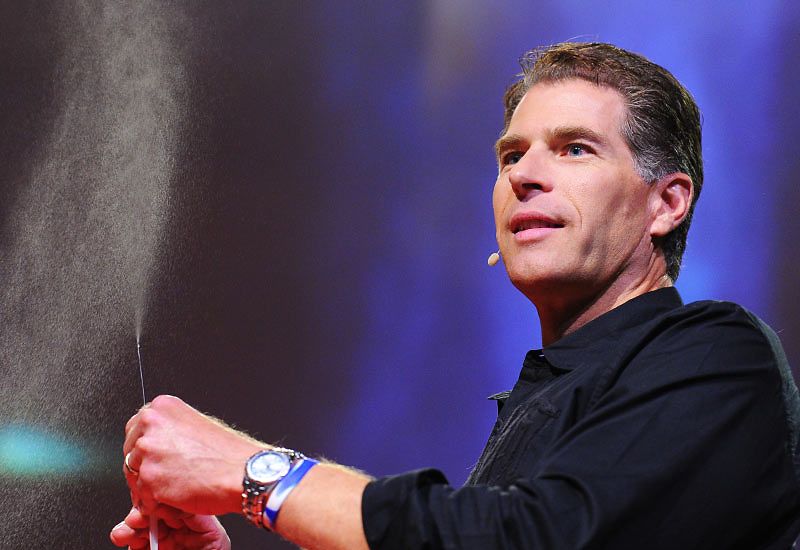
Paul Zak: Trust, morality -- and oxytocin?
(NOTE: Research and statements in this talk have been challenged by other scientists working in this field. Please read "Corrections & Updates" below for more details.) What drives our desire to behave morally? Neuroeconomist Paul Zak shows why he believes oxytocin (he calls it "the moral molecule") is responsible for trust, empathy and other feelings that help build a stable society.
Extraordinary Passion: Oxytocin and Emotional Bonding
Sex, science, and Tantra - how to have incredible orgasms and amazing sex, and a completely non-spiritual look at why Tantra has such amazing effects.
Friend or Foe? Single Neurons in the Brain Control Social Interaction, Study Finds
The neurons, sprinkled across the frontal parts of the brain, are strikingly powerful. They tracked how players behaved—were they cooperative, or selfish?

Monogamous And Nonmonogamous Men's Brains Respond Differently To Romantic Images
New fMRI study finds that brains of highly monogamous men light up more to romantic images than the brains of highly nonmonogamous men. No such difference in response to sexual images.

The Science of Love: How Positivity Resonance Shapes the Way We Connect
The neurobiology of how the warmest emotion expands your sense of self and blurs the boundaries by you and not-you.

Serotonin Helps Your Brain Predict Future Rewards - Neuroscience News
New research reveals that serotonin plays a key role in how the brain predicts future rewards, shedding light on its puzzling activity in response to both pleasure and pain.

Testosterone causes both prosocial and antisocial status-enhancing behaviors in human males | PNAS
Although popular discussion of testosterone’s influence on males often centers on aggression and antisocial behavior, contemporary theorists have p...

Neuroscience research finds brain structure differences in men and women are not strongly linked to behavioral differences
Brain structure differences in men and women are only weakly linked to behavioral differences, according to new research that analyzed two large

Body and Brain Benefits From Lasting Intimacy
Think intimacy is about physical touch? Reach into and understand the emotional brain to truly activate what sparks a deep human connection.

Active Monitoring of Oxytocin Research Evidence
Active Monitoring of Oxytocin Research Evidence (AMORE) is a platform for living meta-analyses in oxytocin research.

The Secret Reason Why Sex Is So Important to a Relationship
New research on every couple's need for physical connection.

Emotional Memory Cells Driving Empathy Discovered - Neuroscience News
Researchers have uncovered a brain mechanism in the prefrontal cortex that determines how animals respond to others’ emotions based on their own past experiences.

Brain Cells Decide on Their Own When to Release Pleasure Hormone - Neuroscience News
Dopamine neurons largely rely on their own discharge to determine release rates of the hormone, researchers report.
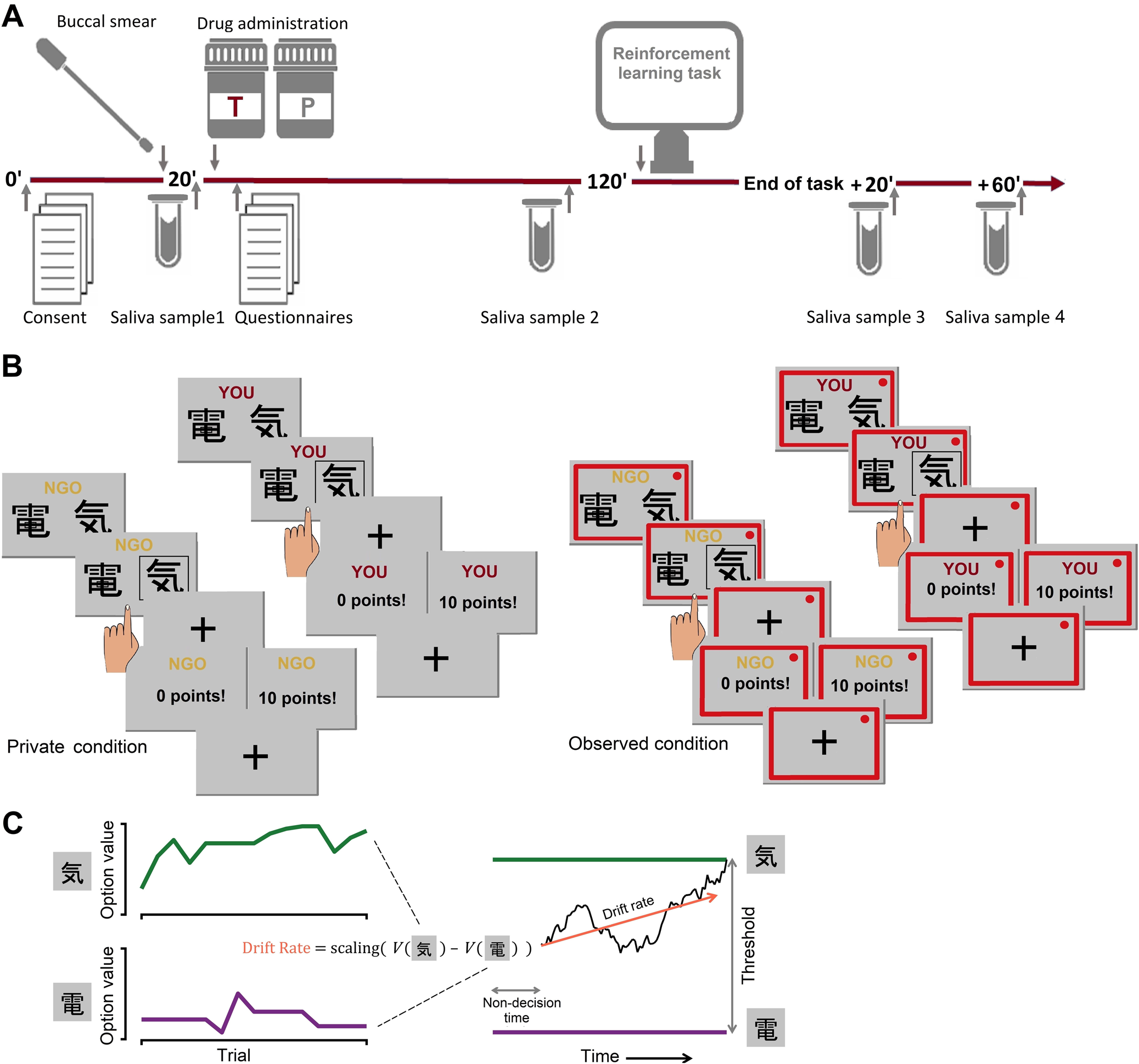
Testosterone eliminates strategic prosocial behavior through impacting choice consistency in healthy males
Neuropsychopharmacology - Testosterone eliminates strategic prosocial behavior through impacting choice consistency in healthy males
Immune System Controls Brain, Shapes Social Behavior
Immune dysfunction regulates neuronal activity and contributes to social dysfunction
