


The lockdowns and reduced societal activity related to the COVID-19 pandemic affected emissions of pollutants in ways that slightly warmed the planet for several months last year, according to new research. The counterintuitive finding highlights the influence of airborne particles, or aerosols, that block incoming sunlight.
Upper ocean temperatures hit record high in 2020
Even with the small COVID-19-related dip in global carbon emissions due to limited travel and other activities, the ocean temperatures continued a trend of breaking records in 2020. A new study, authored ...

How Climate Change Is Disrupting the Global Supply Chain
The impact of the Covid pandemic on the global supply chain has been widely reported. But extreme weather, from floods to wildfires, is increasingly hammering ports, highways, and factories worldwide, and experts warn these climate-induced disruptions will only get worse.

Global Risk Report highlights climate crisis and COVID-19 | World Economic Forum
While the world still reels from the coronavirus pandemic, the greatest threats we collectively face come from multiple sources.

Carbon Removal Technologies | YC Request for Startups
Climate change presents an existential threat to humanity. We are already seeing the effects and they are showing up faster and stronger than anticipated. A report by United Nations' scientific panel on climate change released this month expects the atmosphere-on our current trajectory-to warm up by 1.5 degrees Celsius by 2040. Even the effects of a 0.5 degrees increase will have far-reaching consequences. This research indicates that we are already past the tipping point; even if we significantly reduced emissions, climate change would continue (Source IPCC summary C3 section). We believe there's still time to make a change if we look both to renewal energy and CO2 removal.

Did the hot summer make more people worry about climate change? Here’s what the latest indications show
Around 65% of the British public are now concerned about climate change.
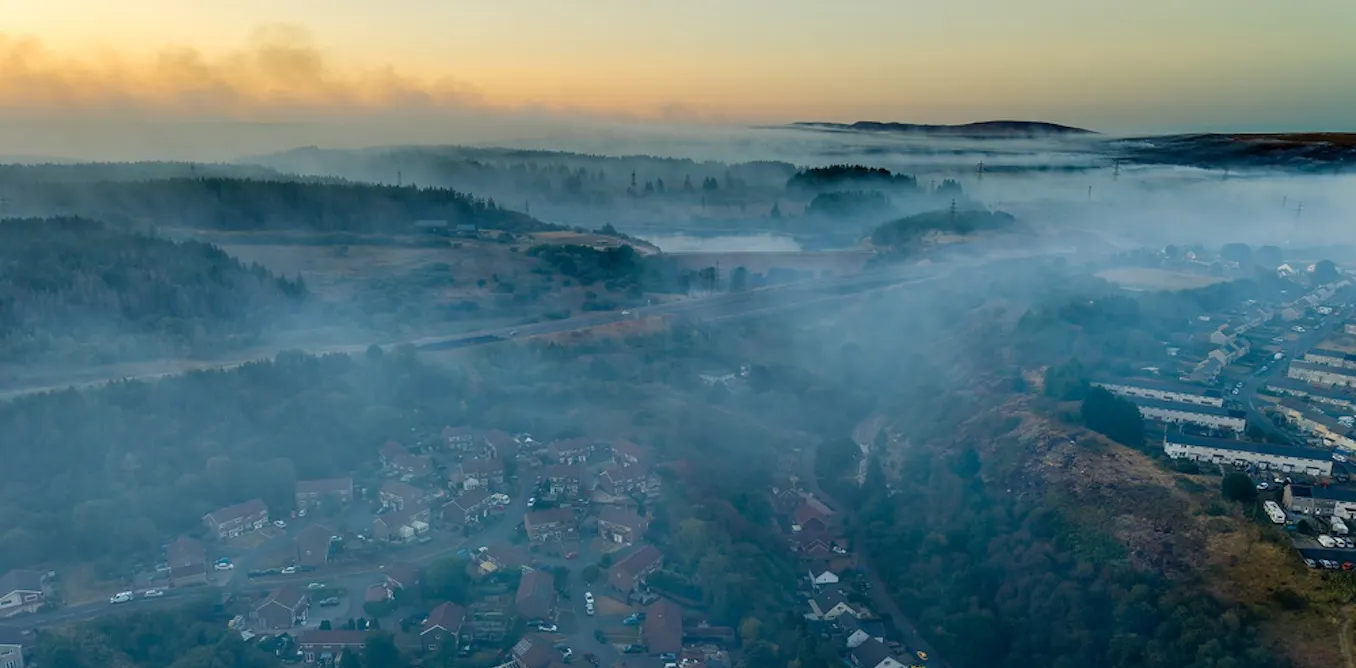
The roles of aerosol direct and indirect effects in past and future climate change
Abstract Using the Geophysical Fluid Dynamics Laboratory's (GFDL's) fully coupled chemistry‐climate (ocean/atmosphere/land/sea ice) model (CM3) with an explicit physical representation of aerosol indirect effects (cloud‐water droplet activation), we find that the dramatic emission reductions (35%–80%) in anthropogenic aerosols and their precursors projected by Representative Concentration Pathway (RCP) 4.5 result in ~1 °C of additional warming and ~0.1 mm day −1 of additional precipitation, both globally averaged, by the end of the 21st century. The impact of these reductions in aerosol emissions on simulated global mean surface temperature and precipitation becomes apparent by mid‐21st century. Furthermore, we find that the aerosol emission reductions cause precipitation to increase in East and South Asia by ~1.0 mm day −1 through the second half of the 21st century. Both the temperature and the precipitation responses simulated by CM3 are significantly stronger than the responses previously simulated by our earlier climate model (CM2.1) that only considered direct radiative forcing by aerosols. We conclude that the indirect effects of sulfate aerosol greatly enhance the impacts of aerosols on surface temperature in CM3; both direct and indirect effects from sulfate aerosols dominate the strong precipitation response, possibly with a small contribution from carbonaceous aerosols. Just as we found with the previous GFDL model, CM3 produces surface warming patterns that are uncorrelated with the spatial distribution of 21st century changes in aerosol loading. However, the largest precipitation increases in CM3 are colocated with the region of greatest aerosol decrease, in and downwind of Asia. , Key Points Aerosol reductions (RCP4.5) cause 1K warming and +0.1 mm/day of precipitation. Sulfate indirect effects greatly enhance aerosol impacts on surface temperature. Aerosol reductions increase precipitation in Asia by 0.5–1.0 mm/day by 2100.

Botanical gardens can cool city air by an average of 5 °C
Temperatures around the world are on the rise, with 2023 recently confirmed as the hottest since records began. A new study has found that bringing nature into cities could help lower temperatures during heatwaves.

Syndemic Magazine – A project of the L.R. Wilson Institute for Canadian History, McMaster University
The pandemic of 2020-23 can be analysed as an unpredictable natural event, akin to a hurricane or an earthquake, an accident of global dimensions for which humanity was unprepared. Yet, as Dr. Richard Horton of The Lancet suggests, a more appropriate term might be “syndemic,” combining three elements: “the virus, the chronic conditions that make people more susceptible to it, and a situation of deepening poverty and inequality.” In this broader sense, Covid-19 was not just a natural occurrence, but assumed its world-historic proportions because it took place within a global socio-economic order whose very structure determined both its genesis and its impact.
Climate change
Present-day climate change includes both global warming—the ongoing increase in global average temperature—and its wider effects on Earth's climate system. Climate change in a broader sense also includes previous long-term changes to Earth's climate. The modern-day rise in global temperatures is driven by human activities, especially fossil fuel burning since the Industrial Revolution. Fossil fuel use, deforestation, and some agricultural and industrial practices release greenhouse gases. These gases absorb some of the heat that the Earth radiates after it warms from sunlight, warming the lower atmosphere. Earth's atmosphere now has roughly 50% more carbon dioxide, the main gas driving global warming, than it did at the end of the pre-industrial era, reaching levels not seen for millions of years.

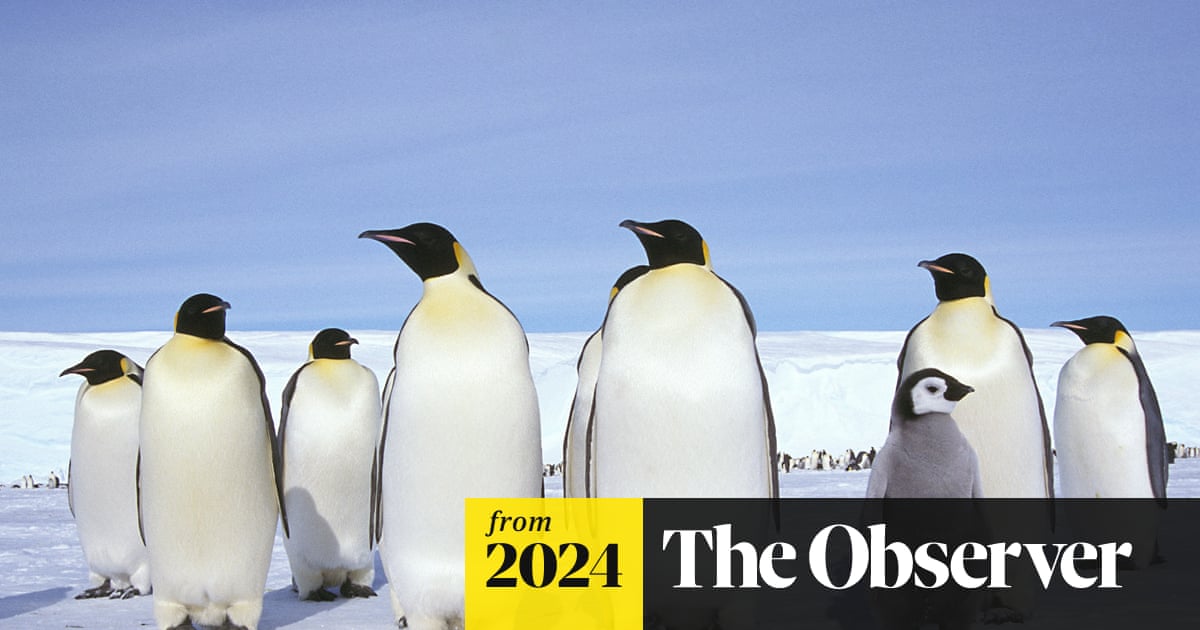
‘Simply mind-boggling’: world record temperature jump in Antarctic raises fears of catastrophe
An unprecedented leap of 38.5C in the coldest place on Earth is a harbinger of a disaster for humans and the local ecosystem
A recent doubling of global warming rate signals a 1.5 °C breach by 2028
Timely and accurate projections of when global warming will exceed the Paris Agreement’s 1.5 °C threshold are essential for effective climate policy. Existing estimates place this exceedance in the early 2030 s but carry substantial uncertainty. Here we analyze the latest observational temperature records through 2025 and identify a statistically significant doubling of the global warming rate during 2011–2025 (0.40 °C per decade) compared to 1971–2025 (0.20 °C per decade). Extrapolating this accelerated rate projects a crossing of the 1.5 °C threshold by 2028, nearly a decade earlier than previous estimates. Regional analyses attribute this acceleration primarily to intensified warming over East Asia–the North Pacific, mid-latitude Eurasia, and the South Atlantic–Antarctic regions. The ensemble mean of 26 climate models fails to capture the observed doubling of the warming rate, simulating a rate of only 0.29 °C per decade. These findings suggest a narrower window remains to limit warming to 1.5 °C, underscoring the urgency for rapid and substantial reductions in greenhouse gas emissions.
Ten ways to confront the climate crisis without losing hope | Rebecca Solnit
The long read presents Reconstruction after Covid: It’s easy to despair at the climate crisis, or to decide it’s already too late – but it’s not. Here’s how to keep the fight alive
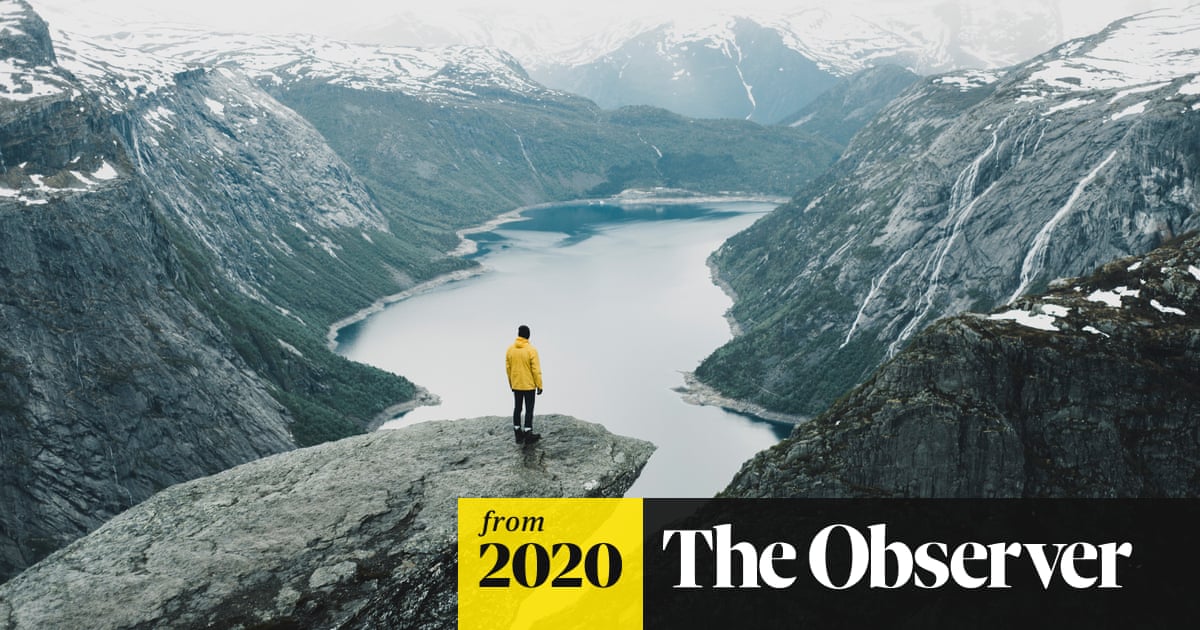
Dreading a dark winter lockdown? Think like a Norwegian
Studies show people living in the Arctic Circle are armed with a mindset that helps combat the long ‘polar night’. It might come in handy for us all…
More outbreaks of food-borne illnesses expected with climate change, experts say | CBC News
Climate change appears to be fuelling a rise in people getting sick from food-borne illnesses in Canada and around the world, says a Canadian food safety expert. While Canada has some of the best methods for monitoring food safety, there are few systems to track how food-borne illness is connected to climate change.

RETRACTED ARTICLE: The economic commitment of climate change
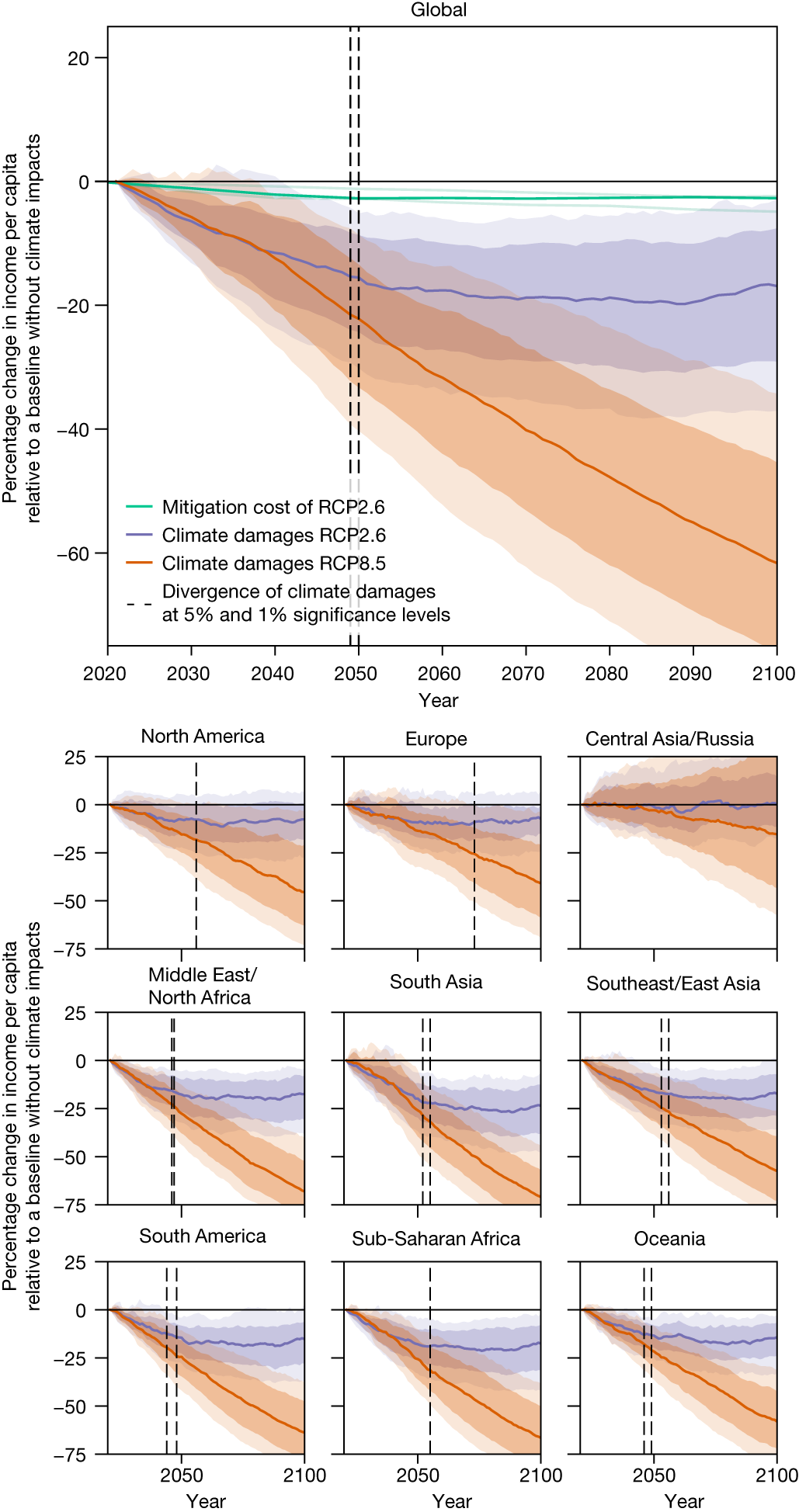
Global projections of macroeconomic climate-change damages typically consider impacts from average annual and national temperatures over long time horizons1–6. Here we use recent empirical findings from more than 1,600 regions worldwide over the past 40 years to project sub-national damages from temperature and precipitation, including daily variability and extremes7,8. Using an empirical approach that provides a robust lower bound on the persistence of impacts on economic growth, we find that the world economy is committed to an income reduction of 19% within the next 26 years independent of future emission choices (relative to a baseline without climate impacts, likely range of 11–29% accounting for physical climate and empirical uncertainty). These damages already outweigh the mitigation costs required to limit global warming to 2 °C by sixfold over this near-term time frame and thereafter diverge strongly dependent on emission choices. Committed damages arise predominantly through changes in average temperature, but accounting for further climatic components raises estimates by approximately 50% and leads to stronger regional heterogeneity. Committed losses are projected for all regions except those at very high latitudes, at which reductions in temperature variability bring benefits. The largest losses are committed at lower latitudes in regions with lower cumulative historical emissions and lower present-day income.
🌡️🔥Climate change isn't a distant threat—it's a public health crisis now. Our study shows heat-related deaths in many cities could surpass annual COVID-19 deaths in just 5–10 years at 3°C warming. Urgent action is needed! 👉 rdcu.be/d5rnL @natureportfolio.bsky.social #scientificreports

Rapid climate action is needed: comparing heat vs. COVID-19-related mortality
rdcu.be