

The team tested 47 samples taken from lungs, liver, spleen and kidneys.
Microplastics Found In Live Human Lung Tissue For The First Time
Microplastics Found In Live Human Lung Tissue For The First Time

Microplastics are infiltrating brain tissue, studies show: ‘There’s nowhere left untouched’
Twenty-four brain samples collected in early 2024 measured on average about 0.5% plastic by weight
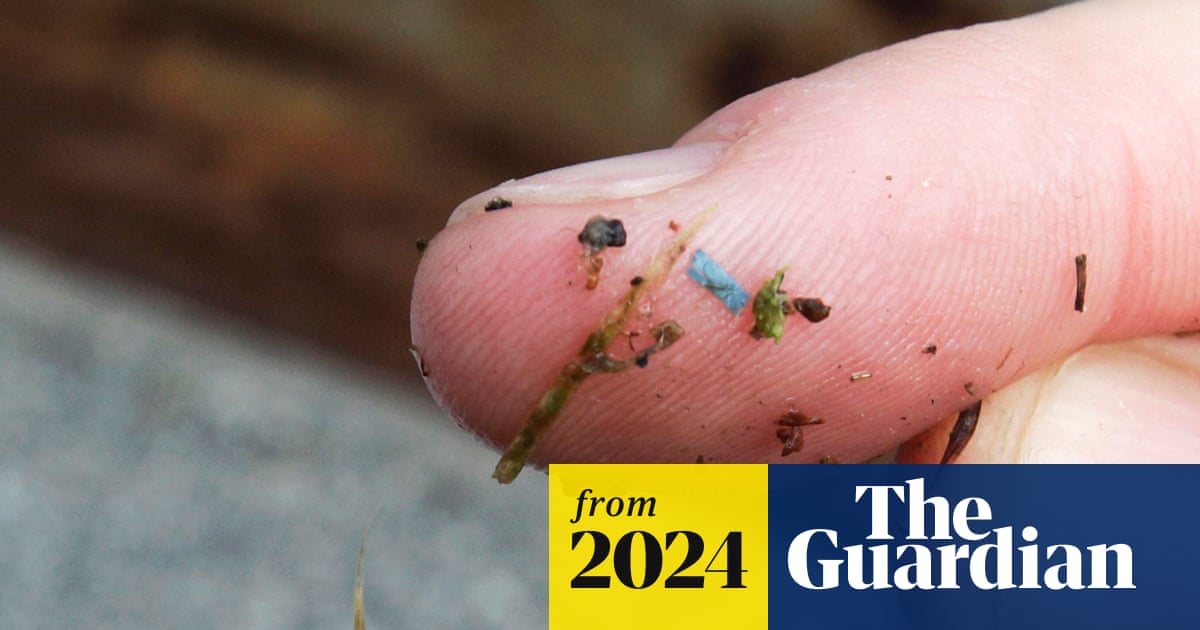
Microplastics cause damage to human cells, study shows
Harm included cell death and occurred at levels of plastic eaten by people via their food
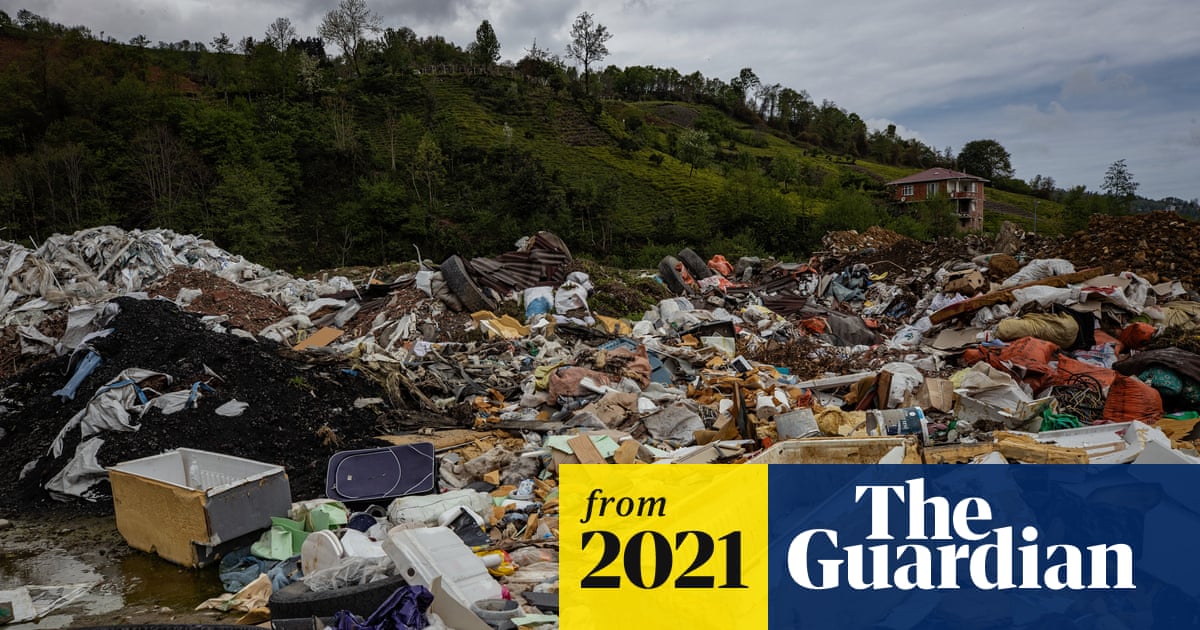
‘They’re in the air, drinking water, dust, food …’ How to reduce your exposure to microplastics
No corner of the planet is free from minuscule fragments of plastic packaging, textiles or utensils. We ask scientists what this means for our health – and what we should do to protect it

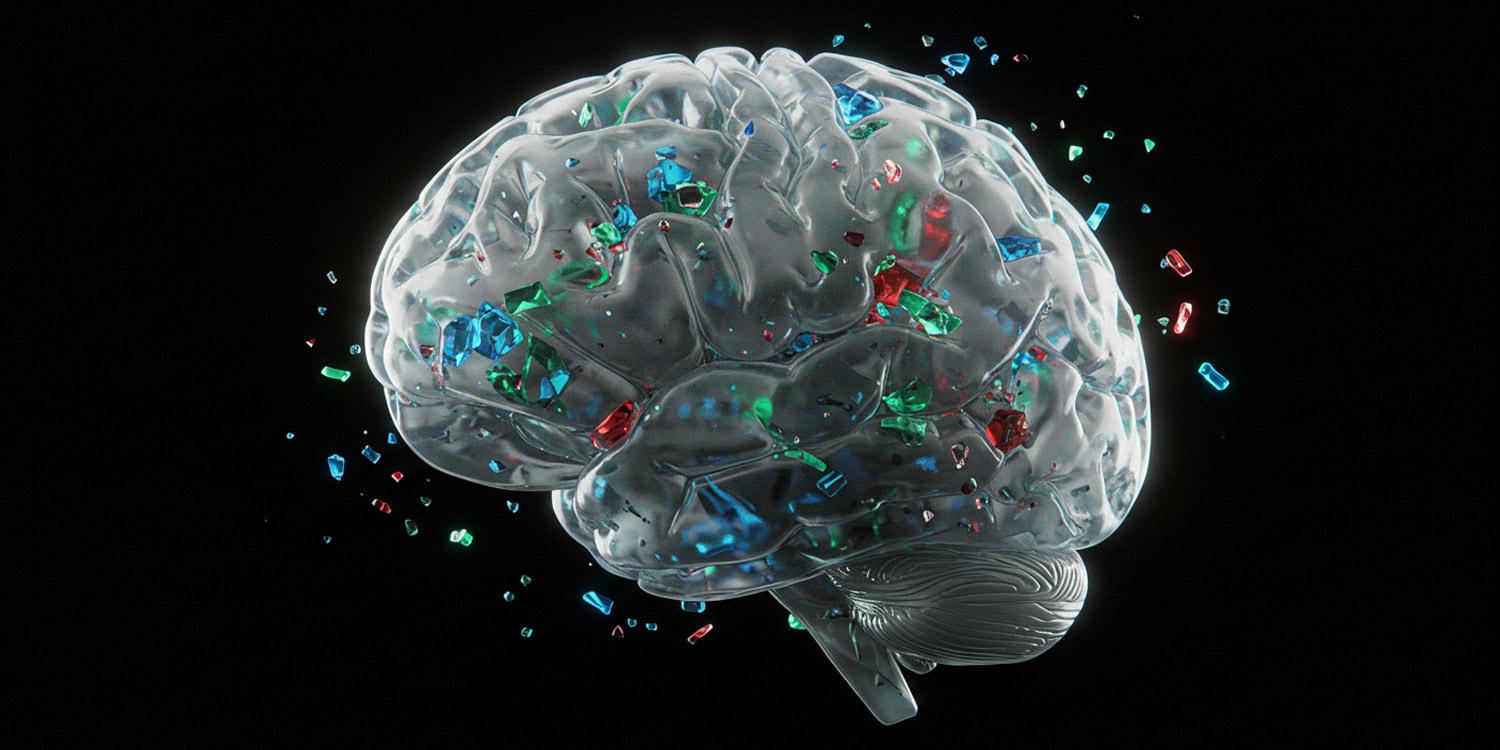
Scientists issue dire warning: Microplastic accumulation in human brains escalating
Scientists have made a disturbing discovery: human brains contain microplastics, and at higher concentrations than other organs. Worse, brain levels have jumped 50% in just eight years.
The surprising ways food packaging is exposing us to microplastics
New research shows that microplastics from paint and food processing are seeping into our food and drink.

How microplastics are infiltrating the food you eat
Plastic pollution is one of the defining legacies of our modern way of life, but it is now so widespread it is even finding its way into fruit and vegetables as they grow.

Field Validation of a Novel Passive Sampler for Dissolved PFAS in Surface Waters
Abstract Numerous per- and polyfluoroalkyl substances (PFAS) are of growing concern worldwide due to their ubiquitous presence, bioaccumulation and adverse effects. Surface waters in the United States have displayed elevated concentrations of PFAS, but so far discrete water sampling has been the commonly applied sampling approach. In the present study we field-tested a novel integrative passive sampler, a microporous polyethylene tube, and derived sampling rates (Rs) for nine PFAS in surface waters. Three sampling campaigns were conducted, deploying polyethylene tube passive samplers in the effluent of two wastewater treatment plant (WWTP) effluents and across Narragansett Bay (Rhode Island, USA) for 1 month each in 2017 and 2018. Passive samplers exhibited linear uptake of PFAS in the WWTP effluents over 16–29 days, with in situ Rs for nine PFAS ranging from 10 ml day−1 (perfluoropentanoic acid) to 29 ml day−1 (perfluorooctanesulfonic acid). Similar sampling rates of 19 ± 4.8 ml day−1 were observed in estuarine field deployments. Applying these Rs values in a different WWTP effluent predicted dissolved PFAS concentrations mostly within 50% of their observations in daily composite water samples, except for perfluorobutanoic acid (where predictions from passive samplers were 3 times greater than measured values), perfluorononanoic acid (1.9 times), perfluorodecanoic acid (1.7 times), and perfluoropentanesulfonic acid (0.1 times). These results highlight the potential use of passive samplers as measurement and assessment tools of PFAS in dynamic aquatic environments. Environ Toxicol Chem 2022;41:2375–2385. © 2022 SETAC Abstract A novel integrative passive sampler was field-tested and sampling rates derived for nine per- and polyfluoroalkyl substances in two wastewater treatment plant effluents and in Narragansett Bay surface waters.

No mountain high enough: study finds plastic in ‘clean’ air
Microplastics from Africa and North America found airborne in French Pyrenees, 2,877 metres above sea level

‘We can’t carry on’: the godfather of microplastics on how to stop them
As a UN summit in Nairobi debates a treaty on plastic pollution, Richard Thompson, the biologist who first identified microplastics 30 years ago, explains why ocean cleanups and biodegradables will not solve a global crisis
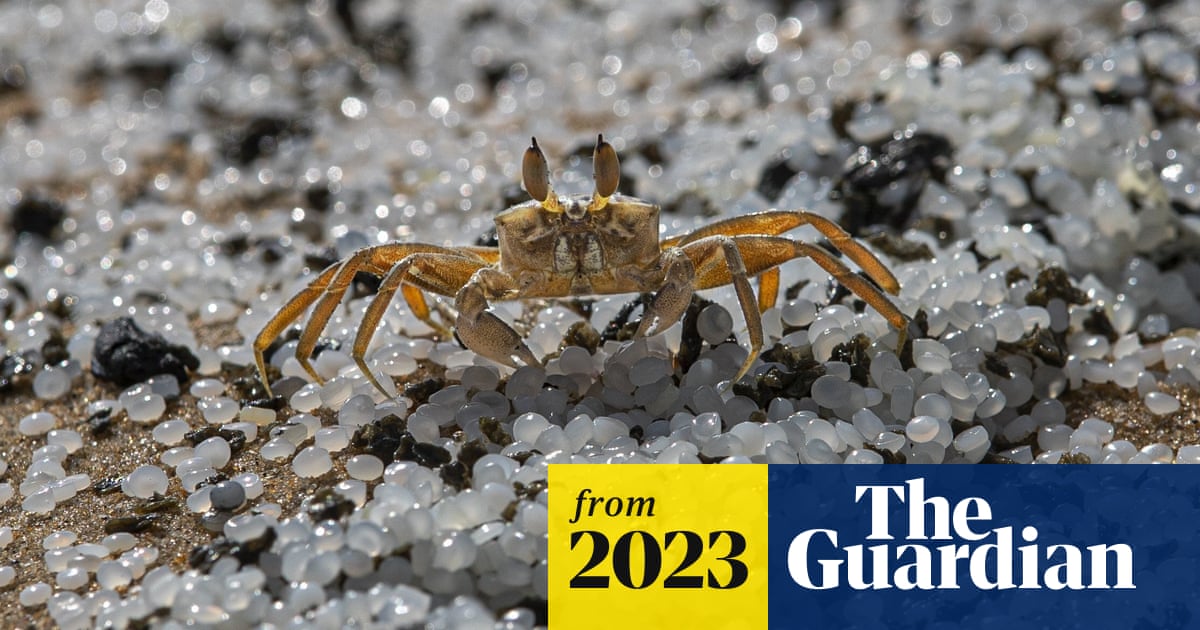
Starch-based bioplastic may be as toxic as petroleum-based plastic, study finds
Bioplastics, heralded for supposedly breaking down more quickly, can cause similar health problems to other plastics
QuantitativeAnalysis of Selected Plastics in High-Commercial-ValueAustralian Seafood by Pyrolysis Gas Chromatography Mass Spectrometry
Abstract Microplastic contamination of the marine environment is widespread, but the extent to which the marine food web is contaminated is not yet known. The aims of this study were to go beyond visual identification techniques and develop and apply a simple seafood sample cleanup, extraction, and quantitative analysis method using pyrolysis gas chromatography mass spectrometry to improve the detection of plastic contamination. This method allows the identification and quantification of polystyrene, polyethylene, polyvinyl chloride, polypropylene, and poly(methyl methacrylate) in the edible portion of five different seafood organisms: oysters, prawns, squid, crabs, and sardines. Polyvinyl chloride was detected in all samples and polyethylene at the highest total concentration of between 0.04 and 2.4 mg g–1 of tissue. Sardines contained the highest total plastic mass concentration (0.3 mg g–1 tissue) and squid the lowest (0.04 mg g–1 tissue). Our findings show that the total concentration of plastics is highly variable among species and that microplastic concentration differs between organisms of the same species. The sources of microplastic exposure, such as packaging and handling with consequent transference and adherence to the tissues, are discussed. This method is a major development in the standardization of plastic quantification techniques used in seafood.
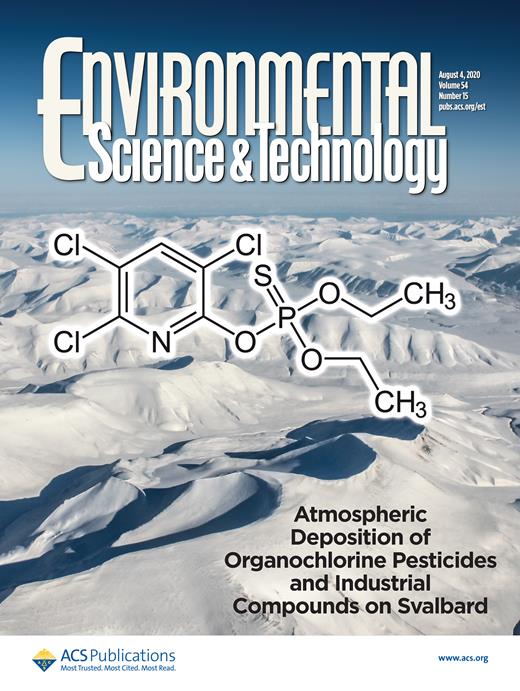
How Do We Measure Poly- and Perfluoroalkyl Substances (PFASs) at the Surface of Consumer Products?
Abstract. Exposures to poly- and perfluoroalkyl substances (PFASs) have been linked to metabolic disruption, immunotoxicity, and cancer in humans. PFASs ar

We depend on plastic. Now we’re drowning in it.
The miracle material has made modern life possible. But more than 40 percent of it is used just once, and it’s choking our waterways.

World in $1.5tn ‘plastics crisis’ hitting health from infancy to old age, report warns
Plastic production has increased more than 200 times since 1950 and hits health at every stage from extraction to disposal, says review in the Lancet
PFAS Sampling Rates in Microporous Polyethylene Tube Samplers
<p><strong>Dataset Description</strong></p> <p> This dataset contains PFAS water concentrations measured using grab samples and PFAS accumulated in microporous polyethylene tube (MPT) passive samplers across five field campaigns. These data were used to reevaluate PFAS sampling rates for MPT passive samplers. An overview of sampling sites and sources of temperature data used in the reevaluation is also provided. </p> <p> The five field campaigns are labeled according to principal investigator and field site: </p> <ul> <li><strong>CG_RI</strong>: Christine Gardiner, Narragansett Bay, Rhode Island</li> <li><strong>JS_DU</strong>: Jarod Snook, Duluth, Minnesota</li> <li><strong>JS_ME</strong>: Jarod Snook, Maine</li> <li><strong>MD_CC</strong>: Matthew Dunn, Cape Cod, Massachusetts</li> <li><strong>MD_WE</strong>: Matthew Dunn, Westerly, Rhode Island</li> </ul> <p> For each field campaign, a README file is included that provides the information necessary to locate, interpret, and reuse the associated data. For studies conducted by Jarod Snook, raw data files are provided directly. </p> <p> Cleaned and compiled datasets are provided as <em>grab_samples.csv</em>, containing data from grab samples, and <em>pe_tube.csv</em>, containing data from MPT deployments, grab samples, and re-evaluated sampling rates. </p> <p> Compound and water type specific PFAS sampling rates derived from averaged values and multiple fitting approaches (linear, inverse linear, and exponential) are provided alongside reference sampling rate data from Australia and Spain in <em>parameters_fresh_salt.csv</em> and <em>parameters_ground.csv</em>, respectively. </p>