

Ideal for sharing early results, building dialogue, and gaining recognition — all while staying flexible for future publication.
Center for Open Science
At the Center for Open Science, our mission is to increase openness, integrity, and reproducibility of scholarly research. Promoting these practices within the research funding and publishing communities accelerates scientific progress

Open Science 2.0: Building Understanding in an AI-Mediated World - The Scholarly Kitchen
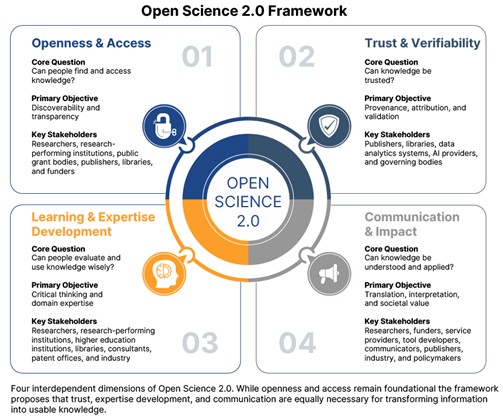
Open Science 2.0 must focus not only on access, but also on trust, interpretation, learning, and effective communication. The challenge facing the scholarly publishing ecosystem is ensuring that what is open is also trustworthy, understandable, and genuinely useful.
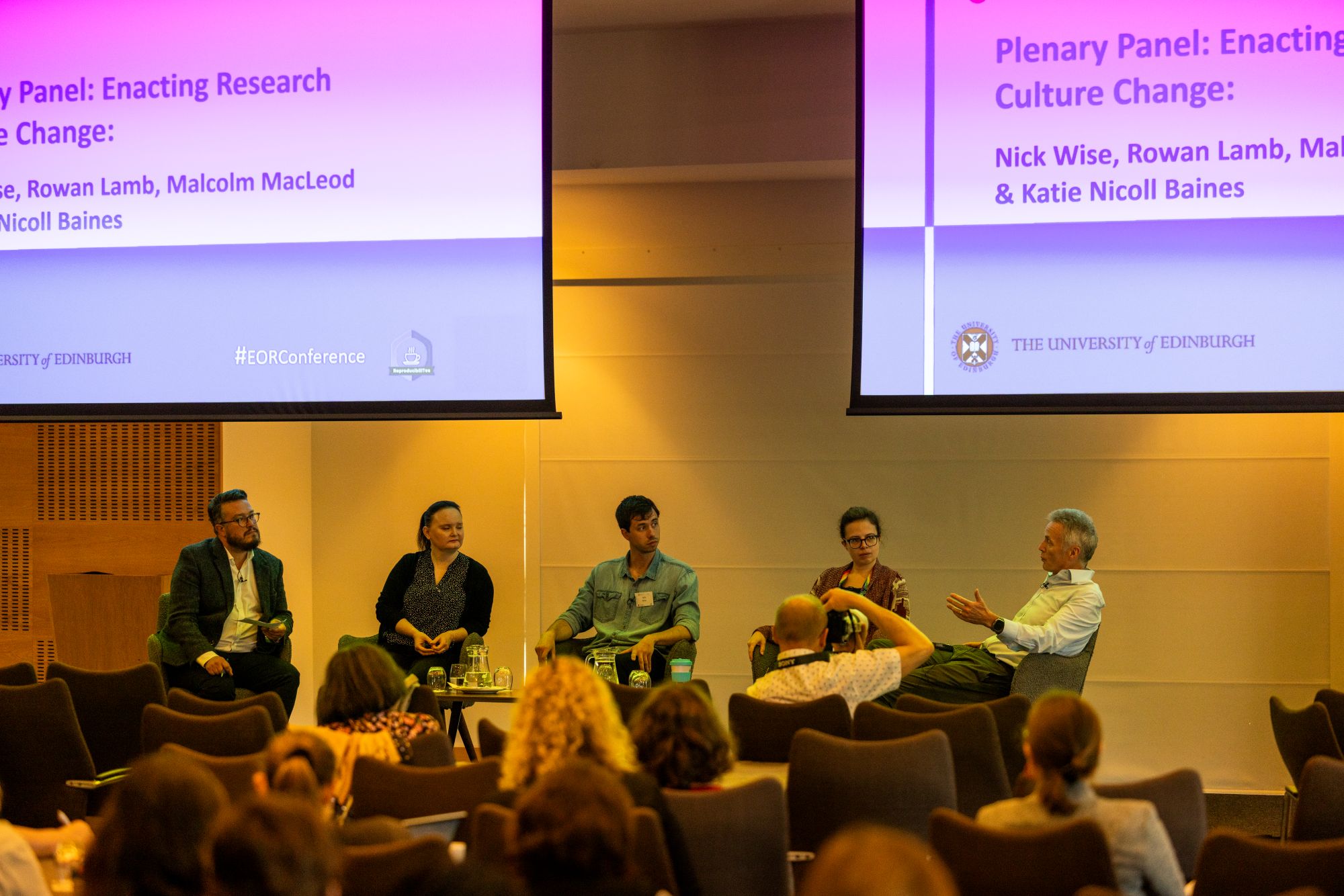
Edinburgh Open Research Conference 2026 | Library | Library
Join us for the Edinburgh Open Research Conference. This year our conference centres on UNESCO's "Recommendations for Open Science", reflecting our new institutional focus on these recommendations.
Making sense of preprints by adding context – The Publish Your Reviews initiative - LSE Impact
Improving scientific publishing is often framed as an issue of openness and speed and less often as one of context. In this post, Ludo Waltman and Jessica Polka make the case for a more contextualised approach to open access publishing and preprinting, and introduce the Publish Your Reviews initiative. Launched today by ASAPbio, the initiative

Introduction to Open Science
This course introduces the principles and practices of open science, with an emphasis on reproducible research workflows, transparent reporting, and collaborative scholarship. Students will critically examine reproducibility, explore tools that support openness (such as Git, GitHub, and Quarto), and apply these tools in hands-on assignments and a final open project. Students will also explore how open science practices vary across disciplines, including education, humanities, social sciences, industry and government, and STEM contexts. This course emphasizes applying open science principles to real-world data problems in alignment with the principles of producing reproducible research.
A budding discipline around how science gets read and judged - Aris
Scholarly publishing spent thirty years arguing about access. It has barely begun arguing about what readers do with the paper once they have it. At Aris we call that second argument scholarly interface design. Mike Morrison's community calls it ScienceUX. Either way it is becoming a field, and here is why it is worth your attention.
The Minimum Viable Scientific Record
The open science movement does not lack a shared vision. Decades of declarations, statements of principle, and calls to action have failed to put that vision into practice. This essay proposes a minimum viable scientific record (MVR) that would make the open science vision possible, and asks funders to make operating on it a condition of their money.
Metascience 2027
A global gathering for knowledge sharing, community building, and opportunities to define a roadmap of research and intervention priorities to improve science.

Leading the future of open science publishing - PLOS
Discover how we are transforming scholarly publishing with a mission-driven commitment to open science, research integrity, and innovation that benefits researchers, institutions, and society worldwide.

From Albums to Streams: How Modularity Changes Systems
Scientific publishing is breaking under document-centric formats designed for a physical world. Borrowing from music’s shift from albums to streaming, we make the case that open access alone cannot deliver reuse, trust, or scale. The future of science depends on modular, interoperable research components that move across tools, enabling new workflows, tools, and ecosystems.
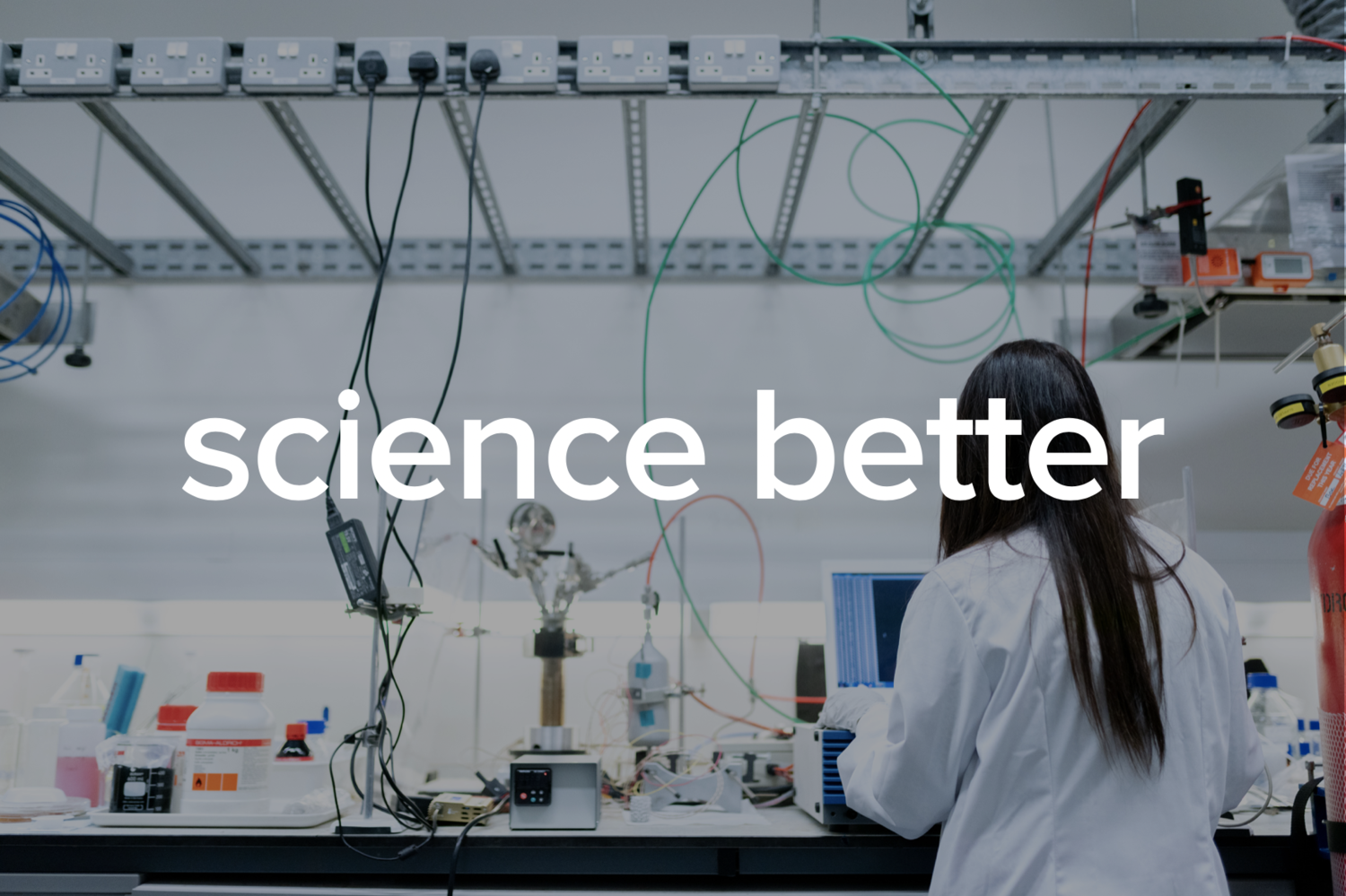
Improving scientific mentorship with "Open Labs" — science better
Open Labs would be a place for experienced scientists to post their open questions and curiosities — a list of the ideas they don't have time to pursue personally but wish someone would.
Home
Lifecycle Journal aims to put publishing and evaluation in the control of the scholarly community itself. As a 3-year research and development project initiated by the Center for Open Science (COS), the ultimate goal is to transform the vision and value of a journal as an effective facilitator of knowledge production and self-correction while aligning the rewards of publishing with transparency and rigor. It commits to transparency in innovation, evaluation, and continuous improvement through research in order to raise the quality and trustworthiness of the research, reduce bias and increase overall accountability.

Plaudit — How to Give More Than One Like to a Scientific Article | Challenges and Issues of Modern Science
Is it possible to give more than one like on Facebook, Instagram, LinkedIn, and other social networks? Have you ever wanted, just once, to “like with both hands”? If so — your wish has come true on the platform of our journal Challenges and Issues of Modern Science.
ASAPbio - Accelerating Science And Publication In Biology
A scientist-driven nonprofit accelerating discovery by promoting innovation and transparency in life science communication through preprints and open peer review.
