

The Current Crisis: What's Happening to Science in America
Why Science Can't Settle Political Disputes
Attempts to scientifically “rationalize” policy, based on the belief that science is purified of politics, may be damaging democracy
The one science reform we can all agree on, but we're too cowardly to do
OR: the long overdue forest fire

Rebuilding the Architecture of Science
Science built the modern world. It’s time to rebuild the world of science.
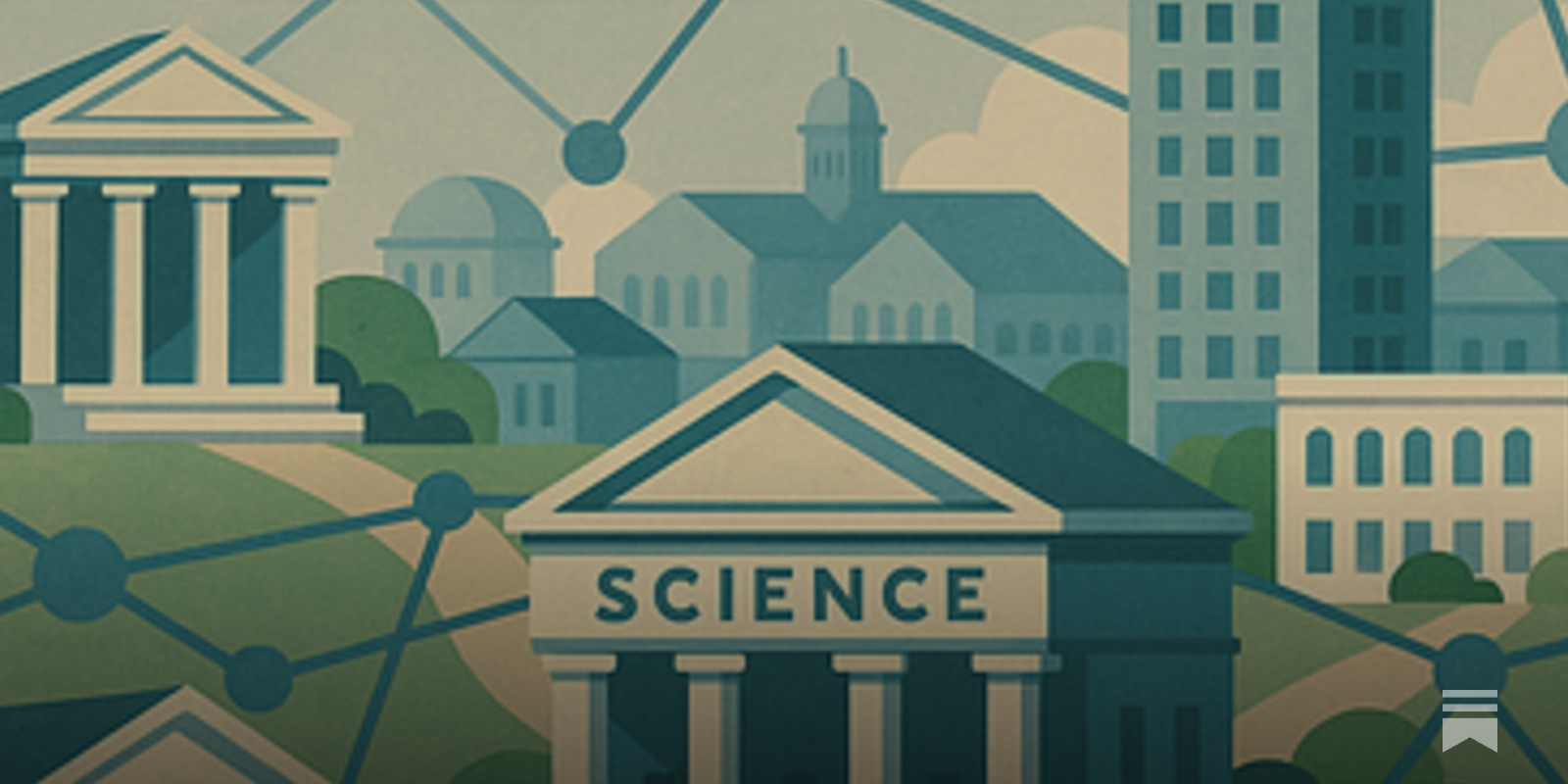
An epistemology for democratic citizen science
Abstract. More than ever, humanity relies on robust scientific knowledge of the world and our place within it. Unfortunately, our contemporary view of scie
Science has been in a “replication crisis” for a decade. Have we learned anything?
Bad papers are still published. But some other things might be getting better.

Science: A New Golden Age
President Trump seeks to lay the foundations for a new Golden Age of American Innovation. The Trump administration is working to revitalize the national science enterprise, to secure U.S. leadership in emerging technologies against foreign rivals, and to ensure that all of America’s citizens will benefit from new scientific breakthroughs and technological transformations. The President understands the American story as one of ambition, discovery, and invention, of pioneers who forever seek new frontiers for exploration, particularly now in science and technology.

Science: A New Golden Age
President Trump seeks to lay the foundations for a new Golden Age of American Innovation. The Trump administration is working to revitalize the national science enterprise, to secure U.S. leadership in emerging technologies against foreign rivals, and to ensure that all of America’s citizens will benefit from new scientific breakthroughs and technological transformations. The President understands the American story as one of ambition, discovery, and invention, of pioneers who forever seek new frontiers for exploration, particularly now in science and technology.
Governing by dismantling: tech oligarchy and the stifling of public data infrastructure
Published in Science as Culture (Ahead of Print, 2026)

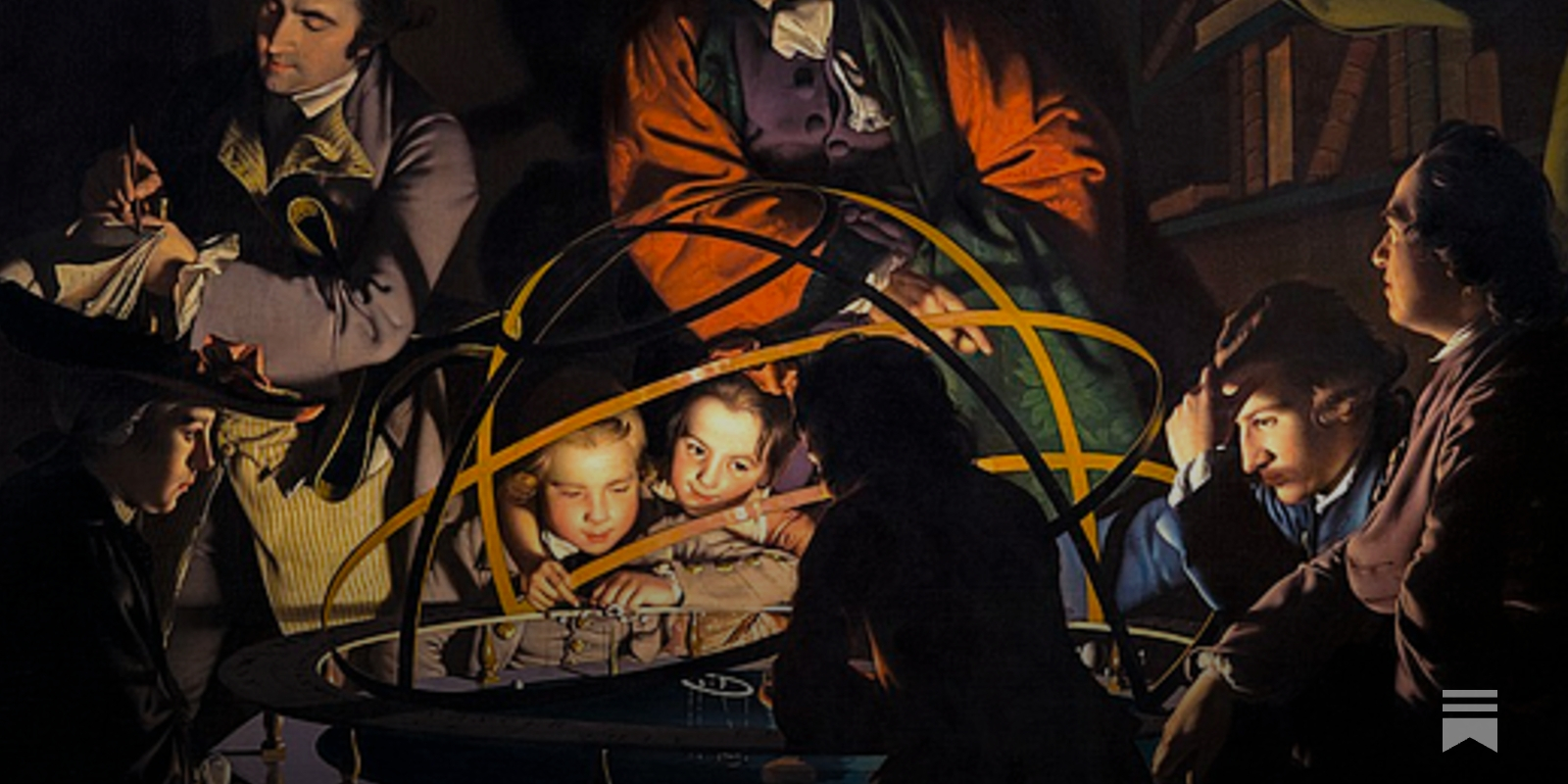
Matthew Sheffield (@mattsheffield@mastodon.social)
🧵 As a former Republican consultant who left in 2015, I'm often asked why Trump and his minions are willingly destroying science, K12 education, universities, international organizations, public broadcasting, and social welfare institutions. There are many reasons, but the main ones are psychological rather than ideological. They struggle with abstract thinking and are afraid of the world...
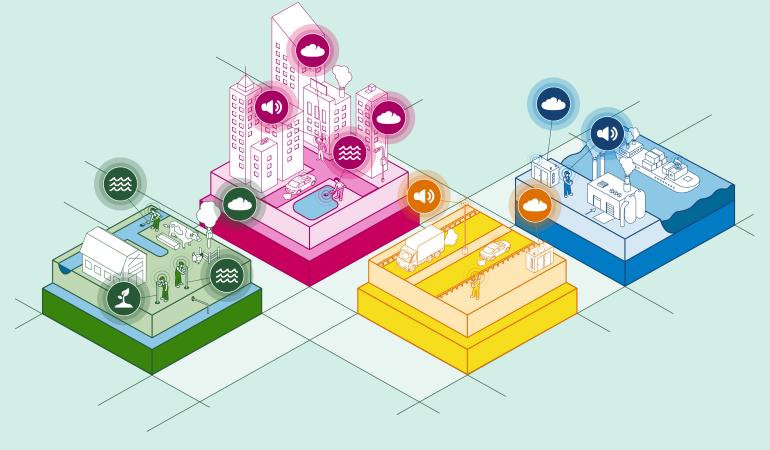
How can citizen science reduce psychological distance to science? Insights from three projects in contested environmental contexts
Citizen science (CS) is a participatory mode of knowledge production, enabling non-scientific actors to contribute to and sometimes contest scientific agendas and interpretations, making it a way to bridge science and society. This paper examines how that potential unfolds by analysing the individual perspectives of citizen scientists through the lens of Psychological Distance to Science (PSYDISC). Drawing on three case studies of contested environmental CS, we identify which contextual aspects of CS shape citizen scientists' experiences of social, spatial, temporal, or hypothetical distance to relevant science, and how these experiences may relate to trust. Our findings underscore the role of science communication as both a channel for dissemination, and as a constitutive element of participatory research; crucial for reducing psychological distance and enabling socially robust knowledge production, especially in contested, policy-relevant science settings.
Since some seem determined not to get it: Arguing science shouldn’t be political is like arguing that ducks shouldn’t be waterfowl. Sure, whatever floats your boat, but they wouldn’t be ducks then would they? Science is a collective human effort at sensemaking—the very definition of political.

Carl T. Bergstrom
When I was 5, I loved science, which I took to be planets and magnets and chemicals and shit. Soon I realized science was a collective human activity, and these were just the objects of its attention. Anyway, whenever I read an OpEd on how science isn't political, I think "Are you 5 years old?"