


Curing halitosis requires the right balance of oral microbes
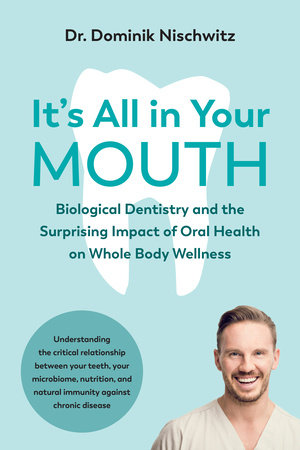
It's All in Your Mouth
Biological Dentistry and the Surprising Impact of Oral Health on Whole Body Wellness
New Stanford Research Confirms the 1 Style of Breath Work That Is Most Effective at Reducing Stress and Improving Mood
The style of your breathing matters.

How Bacteria Rule Over Your Body – The Microbiome
This Is The Absolute Easiest Way To Take Your Gut Health From Subpar To Thriving
It's time to make your microbiome a priority.
Soap dodger: meet the doctor who says we have been showering wrong
Hand-washing aside, James Hamblin has not used soap for five years. He warns that our obsession with being clean is harming the microbiome that keeps us healthy

We may finally know what causes Alzheimer’s – and how to stop it | New Scientist
Evidence is growing that a bacteria involved in gum disease causes Alzheimer's, raising hopes over new kinds of treatments that are currently undergoing testing

Exercise Alters Our Microbiome. Is That One Reason It’s So Good for Us? (Published 2018)
Lean people were especially responsive to exercise’s effects on the bacterial makeup of our guts.

Study Finds Fermented Foods May Alter Your Microbiome, Reduce Inflammation, and Improve Your Health - Slashdot
A new study finds that eating fermented foods like yogurt, kimchi, sauerkraut and kombucha increase the diverse of gut microbes — and "may also lead to lower levels of body-wide inflammation, which scientists increasingly link to a range of diseases tied to aging," reports the New York Times: ...

Wait, Does Dental Floss Even Work?
From a very young age, it’s drilled into us that we need to floss daily to prevent gum disease and cavities. But as a recent investigation by the

Proper Breathing Brings Better Health
Stress reduction, insomnia prevention, emotion control, improved attention—certain breathing techniques can make life better. But where do you start?

Mucus barrier, mucins and gut microbiota: the expected slimy partners?
The gastrointestinal tract is often considered as a key organ involved in the digestion of food and providing nutrients to the body for proper maintenance. However, this system is composed of organs that are extremely complex. Among the different parts, the intestine is viewed as an incredible surface of contact with the environment and is colonised by hundreds of trillions of gut microbes. The role of the gut barrier has been studied for decades, but the exact mechanisms involved in the protection of the gut barrier are various and complementary. Among them, the integrity of the mucus barrier is one of the first lines of protection of the gastrointestinal tract. In the past, this ‘slimy’ partner was mostly considered a simple lubricant for facilitating the progression of the food bolus and the stools in the gut. Since then, different researchers have made important progress, and currently, the regulation of this mucus barrier is gaining increasing attention from the scientific community. Among the factors influencing the mucus barrier, the microbiome plays a major role in driving mucus changes. Additionally, our dietary habits (ie, high-fat diet, low-fibre/high-fibre diet, food additives, pre- probiotics) influence the mucus at different levels. Given that the mucus layer has been linked with the appearance of diseases, proper knowledge is highly warranted. Here, we debate different aspects of the mucus layer by focusing on its chemical composition, regulation of synthesis and degradation by the microbiota as well as some characteristics of the mucus layer in both physiological and pathological situations.
Swansea from Mouthwashing is the best alcoholic in games
This is the bad kind of drinking contest

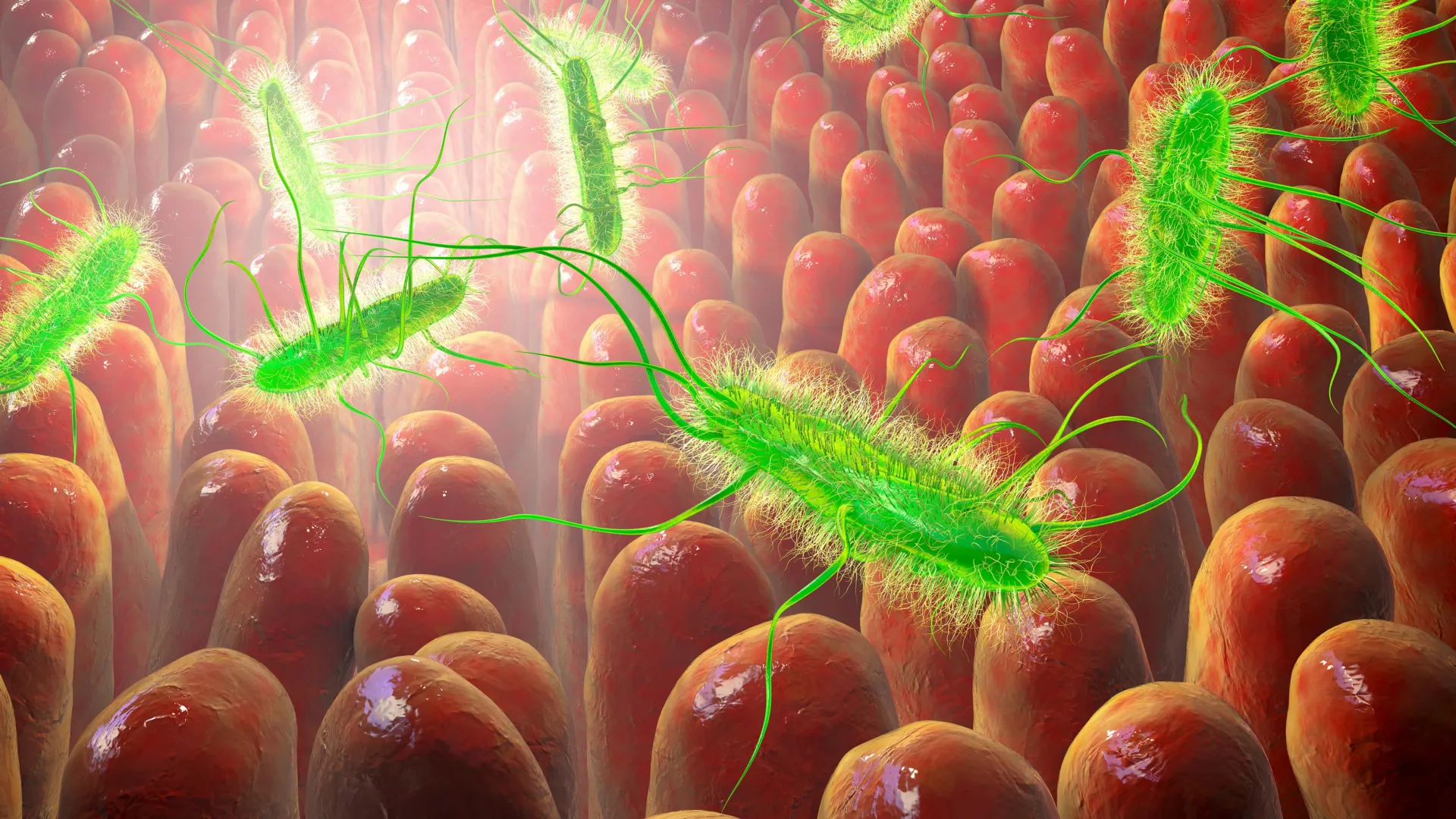
Scientists discover a way to kill dangerous gut bacteria without killing the good
Scientists have discovered a natural compound that targets dangerous C. difficile bacteria without wiping out the gut's beneficial microbes. Successful early tests suggest it could lead to a gentler, more effective treatment for stubborn intestinal infections that frequently return.
97% of Terminal Cancer Patients Previously Had This Dental Procedure...
by Dr. Mercola | Do you have a chronic degenerative disease? If so, have you been told, “It’s all in your head?” Well, that might not be that far from the truth… the root cause of your illness may be in your mouth. There is a common dental procedure that nearly every dentist will tell you is completely safe, despite the fact that scientists have been warning of its dangers for more than 100 years. Every day in the United States alone, 41,000 of these dental procedures are performed on patients who believe they are safely and permanently fixing their problem.
Psychobiotics: Bacteria to Brighten your Mood | Qualia
Uncover the power of psychobiotics—bacteria that boost mood and mental well-being. Explore the emerging field of gut-brain connection."

Probiotic Therapy Reduces Periodontal Tissue Destruction and Improves the Intestinal Morphology in Rats With Ligature‐Induced Periodontitis
Background: With increase in the incidence of resistance to antibiotics, probiotics are emerging as a promising adjunctive periodontal therapy. The authors of this study evaluate the influence of probiotic (PROB) supplementation on ligature‐induced periodontitis (LIP) and intestinal morphology in rats. Methods: Thirty‐two rats were randomly divided into four groups: control (C), LIP, PROB, and LIP/PROB. In groups PROB and LIP/PROB, the PROB was administered orally by addition to the drinking water of the animals for 44 days. In groups LIP and LIP/PROB, the mandibular right first molar of the animals received a cotton ligature that was left in the same position for 14 days. All animals were euthanized 44 days after the start of the PROB supplementation. The jaws were resected and histomorphometric analyses were performed. The measurements included evaluation of attachment loss (AL) and alveolar bone level (ABL) on the distal root of the mandibular first molar. Samples of the duodenum, jejunum, and ileum were also dissected from each animal to evaluate the villous height (VH) and crypt depth (CD). The data obtained were subjected to statistical analyses (analysis of variance, Tukey; P <0.05). Results: Mean values of AL and ABL were significantly higher in group LIP compared with group LIP/PROB (AL: 3.05 ± 0.57 mm and 1.78 ± 0.63 mm, respectively; ABL: 4.21 ± 0.42 mm and 3.38 ± 0.17 mm, respectively). In group LIP/PROB, the mean values of VH and CD of the jejunum were significantly higher than the ones from group LIP (VH: 672.1 ± 83.3 µm and 528.0 ± 51.7 µm, respectively; CD: 463.8 ± 100.9 µm and 269.0 ± 48.4 µm, respectively). Conclusions: It can be concluded that PROB supplementation 1) reduces AL and alveolar bone loss in rats with LIP and 2) can protect the small intestine from reactive changes induced by LIP.
