


Hints at potential treatments for age-related dementia and memory loss
Self-control saps memory resources
New research shows that exercising willpower impairs memory function by draining shared brain mechanisms and structures

The Best Exercise for Aging Muscles (Published 2017)
Certain kinds of exercise may mitigate the effects of aging at the cellular level.

The Best Exercise for Aging Muscles (Published 2017)
Certain kinds of exercise may mitigate the effects of aging at the cellular level.
Dance training is superior to repetitive physical exercise in inducing brain plasticity in the elderly
Animal research indicates that a combination of physical activity and sensory enrichment has the largest and the only sustaining effect on adult neuroplasticity. Dancing has been suggested as a human homologue to this combined intervention as it poses demands on both physical and cognitive functions. For the present exploratory study, we designed an especially challenging dance program in which our elderly participants constantly had to learn novel and increasingly difficult choreographies. This six-month-long program was compared to conventional fitness training matched for intensity. An extensive pre/post-assessment was performed on the 38 participants (63–80 y), covering general cognition, attention, memory, postural and cardio-respiratory performance, neurotrophic factors and–most crucially–structural MRI using an exploratory analysis. For analysis of MRI data, a new method of voxel-based morphometry (VBM) designed specifically for pairwise longitudinal group comparisons was employed. Both interventions increased physical fitness to the same extent. Pronounced differences were seen in the effects on brain volumes: Dancing compared to conventional fitness activity led to larger volume increases in more brain areas, including the cingulate cortex, insula, corpus callosum and sensorimotor cortex. Only dancing was associated with an increase in plasma BDNF levels. Regarding cognition, both groups improved in attention and spatial memory, but no significant group differences emerged. The latter finding may indicate that cognitive benefits may develop later and after structural brain changes have taken place. The present results recommend our challenging dance program as an effective measure to counteract detrimental effects of aging on the brain.
Physical Exercise Four Hours after Learning Improves Long-Term Memory, Study Shows | Sci.News
A new study in the journal Current Biology shows that physical exercise after learning improves memory and memory traces, but only if the exercise is done in a specific time window and not immediately after learning.

This Is Your Brain on Exercise
Exercise is as good for your brain as it is for your body, and researchers are just beginning to discover why
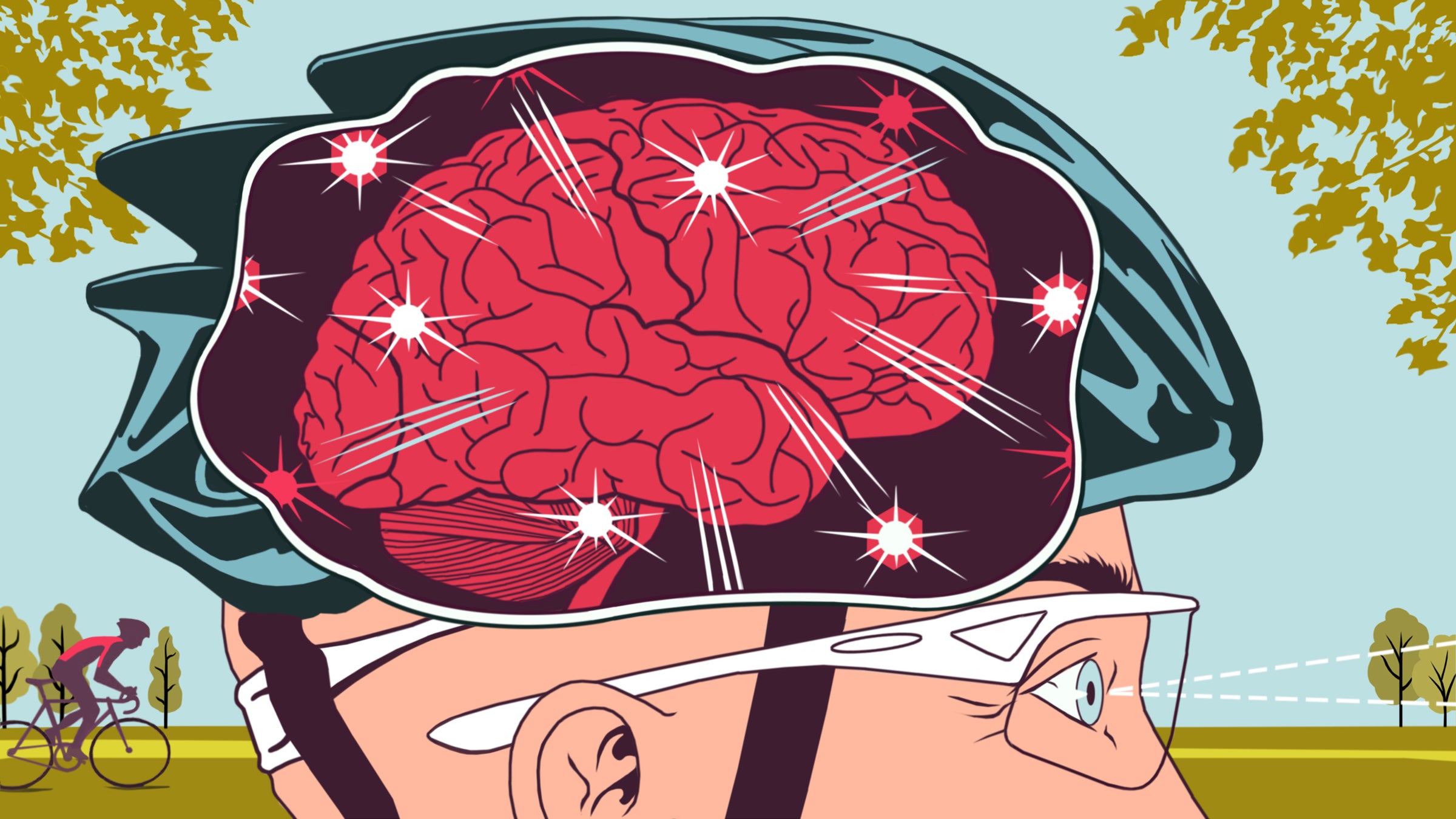
Study Reveals a Surprising Cause of Cognitive Decline—and the Key to Reversing It
Researchers pinpoint a lone protein that speeds up the dysfunction of an aging brain. Eliminating it, they claim, can reverse the damage. But there are big hurdles before a treatment is approved.

Does Exercise Slow the Aging Process?
Almost any amount and type of physical activity may slow aging deep within our cells, and middle age may be a critical time to get the process rolling.

Which Type of Exercise Is Best for the Brain?
For the first time, scientists compared the neurological impacts of different types of exercise in rats: running, weight training and high-intensity interval training.

A cure for Alzheimer’s? Yes, a cure for Alzheimer’s!
This is the most important column I’ve ever written. The message is quite complex--dozens of new health parameters to test for and to optimize, all of them interacting in ways that will require new training for MDs.
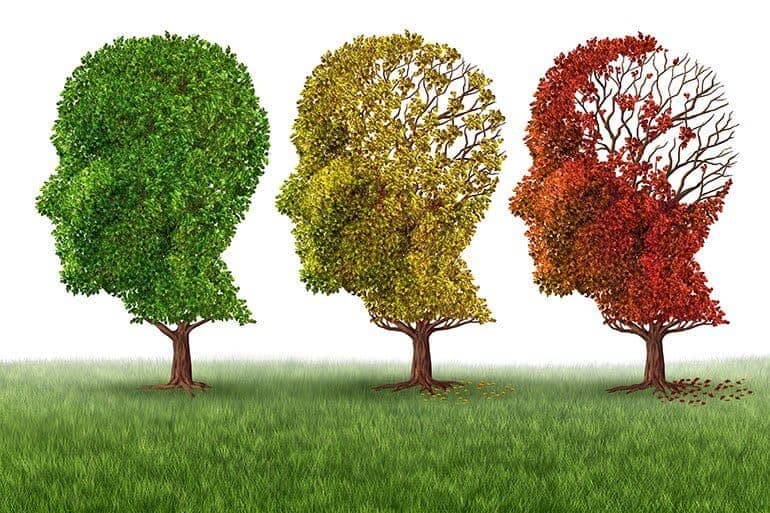
Small Trial Reverses a Year of Alzheimer's Cognitive Decline in Just Two Months
The next step is a clinical trial with 150 people.

Why your brain needs exercise
The evolutionary history of humans explains why physical activity is important for brain health
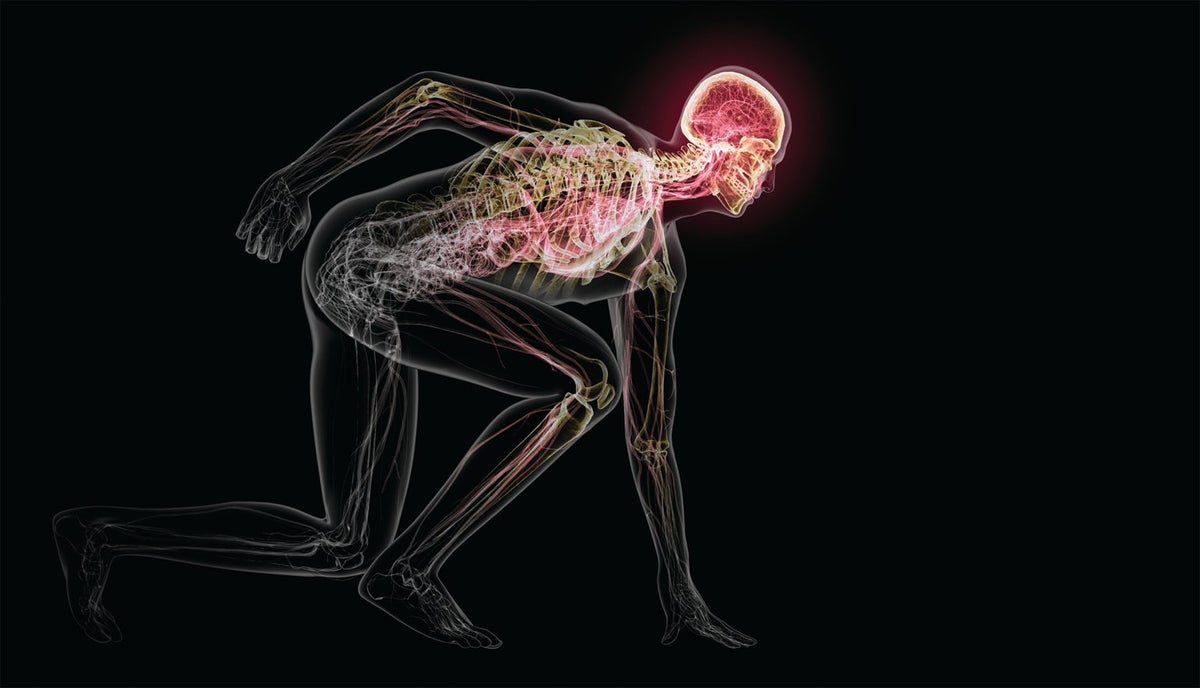
Can Alzheimer’s really be reversed, as a new documentary claims?
A CNN documentary follows two people with Alzheimer’s who took part in a study to determine if lifestyle changes can reverse symptoms.
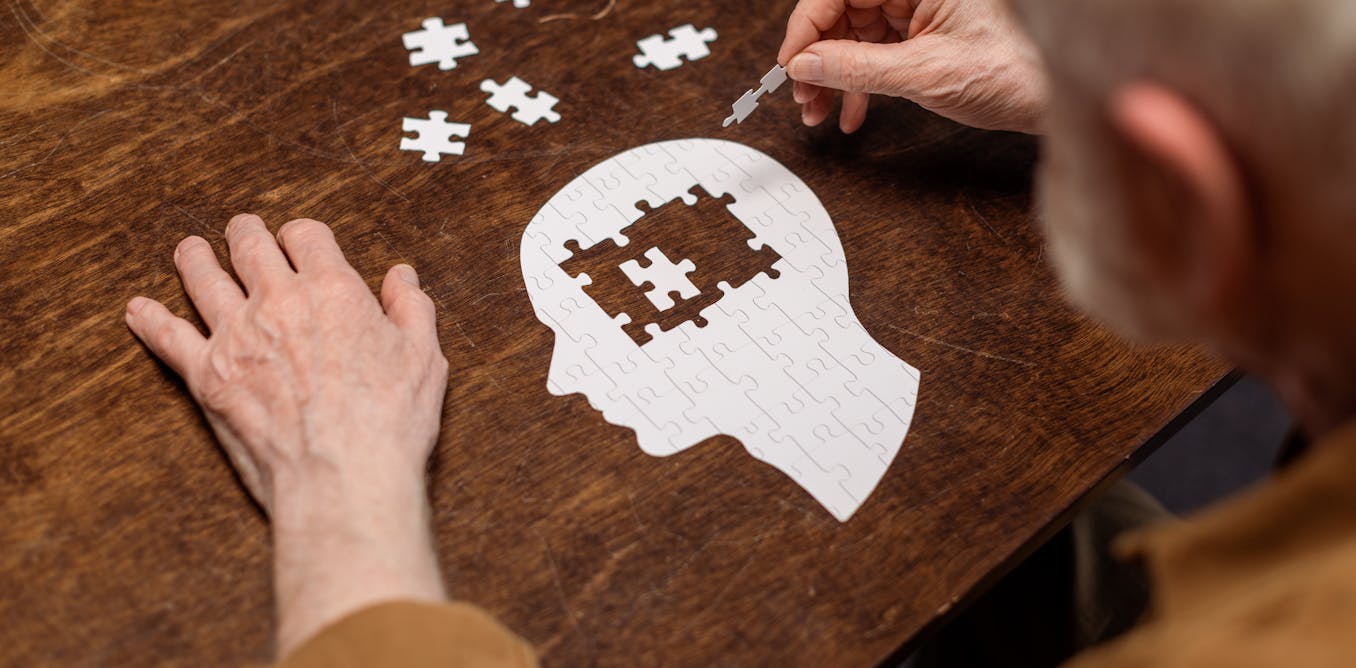
Learning What Substance Is Suspected of Causing Alzheimer’s May Throw You Into an Existential Crisis
A surprisingly common substance was found to have a causal relationship with the kind of brain damage associated with Alzheimer's disease.

How Exercise Can Keep Aging Muscles and Immune Systems ‘Young’ (Published 2018)
Older cyclists are not like most of the rest of us. They are healthier. They are, biologically, younger.

Seeing the "shingles vaccine protects from dementia" claim going around again. Unfortunately the main study it's based on is just not convincing. @epiellie.bsky.social has written a great post about why:
Shingles vaccine & dementia prevention: too good to be true?
medium.com