


Research on naps, meditation, nature walks and the habits of exceptional artists and athletes reveals how mental breaks increase productivity, replenish attention, solidify memories and encourage creativity
AI Use at Work Is Causing “Brain Fry,” Researchers Find, Especially Among High Performers
The increased speed and multitasking that AI allows at work is leading to many workers experiencing "brain fry," a new study found.

Your Brain Can Only Take So Much Focus
Research has shed light on the power of focus and its role as a hidden driver of success. Yet as helpful as focus can be, research also shows there’s a downside to it: excessive focus exhausts the focus circuits in your brain. It can drain your energy, make you lose self-control, impair your decision-making, and make you less collaborative. The brain operates optimally when it toggles between focus and unfocus. When you unfocus, you engage a brain circuit called the default mode network (DMN). The DMN activates old memories, goes back and forth between the past, present, and future, and recombines different ideas. Using this new and previously inaccessible data, you can imagine creative solutions or predict the future, and more. There are many simple and effective ways to activate this circuit in the course of a day, such as positive constructive daydreaming, napping, and consciously thinking from another person’s perspective.

Sleep as a Competitive Advantage
Too many of us live by the myth that one less hour of sleep gives us one more hour of productivity, Tony Schwartz writes in the Life@Work column. In reality, lost sleep not only leaves us more fatigued, but also takes a toll on our cognitive capacity.

AI Doesn’t Reduce Work—It Intensifies It
One of the promises of AI is that it can reduce workloads so employees can focus more on higher-value and more engaging tasks. But according to new research, AI tools don’t reduce work, they consistently intensify it: In the study, employees worked at a faster pace, took on a broader scope of tasks, and extended work into more hours of the day, often without being asked to do so. That may sound like a win, but it’s not quite so simple. These changes can be unsustainable, leading to workload creep, cognitive fatigue, burnout, and weakened decision-making. The productivity surge enjoyed at the beginning can give way to lower quality work, turnover, and other problems. To correct for this, companies need to adopt an “AI practice,” or a set of norms and standards around AI use that can include intentional pauses, sequencing work, and adding more human grounding.

Almost anything you give sustained attention to will begin to loop on itself and bloom
When people talk about the value of paying attention and slowing down, they often make it sound prudish and monk-like. But we shouldn’t forget how interesting and overpoweringly pleasurable sustained attention can be.

Is full-time work bad for our brains?
If you’re over 40, working more than 25 hours a week could be affecting your intelligence, new research suggests

When Using AI Leads to “Brain Fry”
As firms increasingly incentivize employees to build and oversee complex teams of agents—for example, by measuring and rewarding token consumption as a proxy for performance—people are finding themselves pushed to their cognitive limits. Participants in a recent study described a “buzzing” feeling or a mental fog with difficulty focusing, slower decision-making, and headaches. The authors call this phenomenon “AI brain fry,” defined as mental fatigue from excessive use or oversight of AI tools beyond one’s cognitive capacity. This AI-associated mental strain carries significant costs in the form of increased employee errors, decision fatigue, and intention to quit. The findings also show how AI-driven workflows can be designed to diminish burnout and point toward specific manager, team, and organizational practices to avoid mental fatigue even as AI work intensifies.

Why working fewer hours would make us more productive
A shorter working week could improve our mental and physical health and even mitigate climate change, research shows
Procrastination: It's pretty much all in the mind
Scans show differences in the brains of those who love to put things offs compared with the "doers".
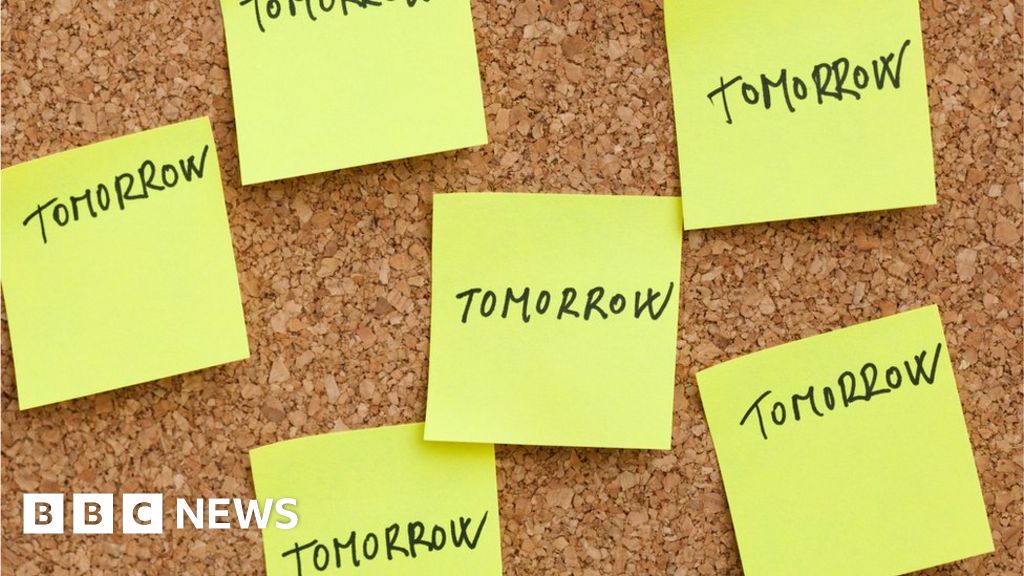
Opinion | There’s a Good Reason You Can’t Concentrate
Just as we changed our thinking around physical fitness, we need to change our attitude toward cognitive fitness.

What Makes Us Smart?
Human creativity does not solely rely on our individual cognitive abilities, but instead emerges from the recombination of ideas, practices, and approaches that result from social interactions and id...

What the Studies Say About How AI Affects Your Brain: A (Very Big) Compilation
The entire literature clearly points to a single surprising finding
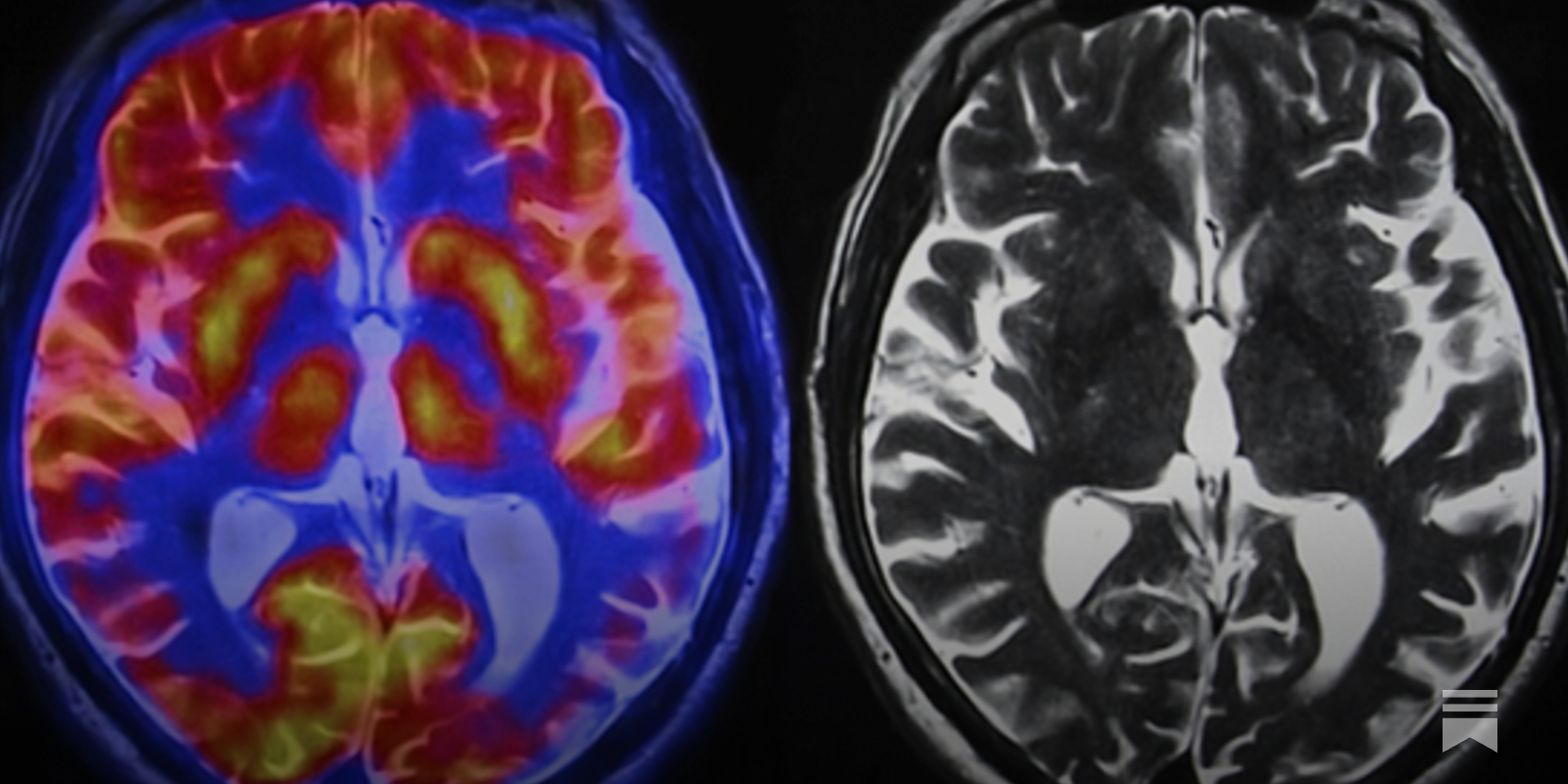
The wandering mind: A gift we squander - Darius Foroux
Most people treat a wandering mind like a defect. They see it as a leak in their productivity bucket. We’ve been conditioned to believe that if we aren’t staring at a screen or checking off a to-do list, we are failing. But Daniel Goleman, the […]

AI overuse could spark "brain fry," new research finds
The mental strain associated with AI carries "significant costs," researchers find.
How to be more creative in seconds!
Does engaging with the arts help to slow the aging process? According to this new paper from Fancourt et al the answer is yes! Alas, the paper is actually unsuitable for such claims. Let’s examine by discussing how you'd establish whether arts engagement actually caused future health! 1/18 🧵

Does leisure activity matter for epigenetic ageing? Analyses of arts engagement and physical activity in the UK Household Longitudinal Study
academic.oup.com