Study finds an unusual technique for eating less
The Unhealthy Truth Behind 'Wellness' and 'Clean Eating'
My eating disorder had once looked very different, and then I found wellness—but I was not well.
Simple Rules for Healthy Eating (Published 2015)
There’s a lot of advice out there about what kinds of food you should be avoiding. Here’s a more positive approach.

The myth of self-control
Psychologists say using willpower to achieve goals is overhyped. Here’s what actually works.

Self-Control and Optimal Goals: A Theoretical Analysis
Consumers set goals to achieve a variety of objectives such as losing weight, saving for retirement, and achieving better health. A large body of literature in psychology and consumer behavior shows that goals can help consumers achieve these objectives. However, there is almost no research that examines how we should set optimal goals. The purpose of this paper is to develop a parsimonious framework that examines how goals can help performance and how we should set optimal goals. We use the literature on hyperbolic discounting to model these issues. Our results show that goals can often increase performance but can also sometimes encourage procrastination. We show that some goals are worse than having no goals, even when the goals are achieved and the consumer exerts more effort because of the goal. We also find that the presence of goals can lead to myopic consumers behaving as if they were hyperopic. Our results also show that the most difficult goals should be assigned to consumers with moderate levels of motivation and self-control problems. We also find that it is sometimes optimal to set goals that are never achieved.

It’s the Effort That Counts: The Effect of Self-Control on Goal Progress Perceptions
Does the amount of self-control consumers must exert to choose a goal-consistent action influence their perceptions of goal progress? For example, if you choose to go to the gym when one of your favorite TV shows is on (vs. when nothing interesting is on TV), do you perceive that you have made a differential amount of progress toward your goal, despite completing the exact same workout? In eight studies (N = 7,515), the authors demonstrate that consumers perceive that they have made more progress on their goals when more (vs. less) self-control is required to choose to complete an identical goal-consistent task. This is because when consumers exert more (vs. less) self-control to choose a goal-consistent task over the goal-inconsistent alternatives, they infer higher commitment to the goal. The higher inferred commitment, in turn, leads consumers to perceive that future goal pursuit will be easier. The authors demonstrate this effect across a variety of tasks and means of exerting self-control, as well as with both hypothetical scenarios and real-behavior studies.

When We Eat, or Don’t Eat, May Be Critical for Health (Published 2018)
A growing body of research suggests that our bodies function optimally when we align our eating patterns with our circadian rhythms.

i know that ultimately this is eating disorder culture as a woman of Adolescent Crystal Light experience but... i can't face it lol
i know that ultimately this is eating disorder culture as a woman of Adolescent Crystal Light experience but... i can't face it lol— joanie (@laracroftbarbie) April 6, 2023
Resistance Is Futile. To Change Habits, Try Replacement Instead. (Published 2018)
An inconvenient bit of neuroscience: The more you try not to think about a bad habit, the harder it gets to resist. So think about something else.

Effects of Extreme Ritual Practices on Psychophysiological Well-Being
Extreme ritual practices involving pain and suffering pose significant risks such as injury, trauma, or infection. Nonetheless, they are performed by millions of people around the world and are often culturally prescribed remedies for a variety of maladies, and especially those related to mental health. What is the actual impact of these practices on health? Combining ethnographic observations and psychophysiological monitoring, we investigated outcomes of participation in one of the world’s most extreme rituals, involving bodily mutilation and prolonged suffering. Performance of this physically demanding ordeal had no detrimental effects on physiological health and was associated with subjective health improvements, and these improvements were greater for those who engaged in more intense forms of participation. Moreover, individuals who experienced health problems and/or were of low socioeconomic status sought more painful levels of engagement. We suggest two potential mechanisms for these effects: a bottom-up process triggered by neurological responses to pain and a top-down process related to increased social support and self-enhancement. These mechanisms may buffer stress-induced pressures and positively affect quality of life. Our results stress the importance of traditional cultural practices for coping with adversity, especially in contexts where psychiatric or other medical interventions are not widely available.

Scientists reveal foods to eat now to stave off cognitive decline later
Data on over 3,000 people shows only 8 percent with low-quality diets maintained high cognitive abilities into their 70s, a new study reveals.

How to take things less personally and avoid mind reading | Psyche Guides
Always blaming yourself or assuming others think ill of you? A CBT therapist shares ways to break these self-critical habits

Train Your Brain to Eat Less Sugar
A recent study led by Evan Forman, PhD, a psychology professor in Drexel University's College of Arts and Sciences, shows that a computer game can be used to train its players to eat less sugar, as way of reducing their weight and improving their health.

How the Brain Uses Glucose to Fuel Self-Control
The brain requires tons of energy—and new experiments show how low glucose levels and self-control issues are connected.

Depression link to processed food
Eating a diet high in processed food increases the risk of depression, research suggests.
Need Some Help Reaching Your Goals? Try These 5 Habit-Tracking Apps
They can help you set — and stick to — your goals

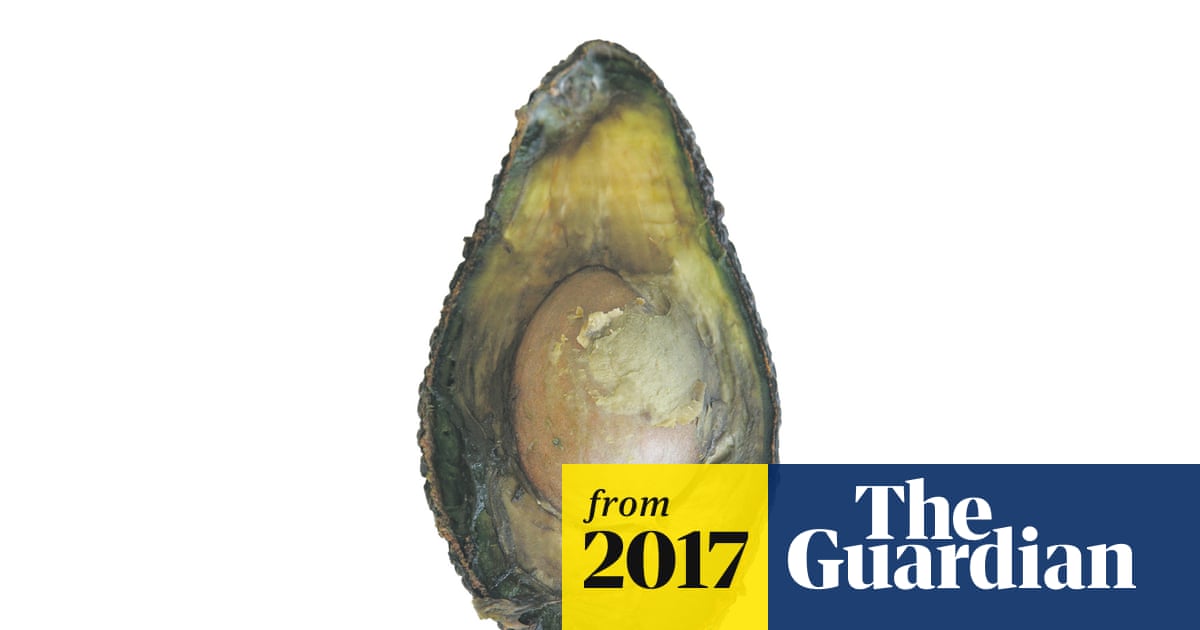
Why we fell for clean eating
The long read: The oh-so-Instagrammable food movement has been thoroughly debunked – but it shows no signs of going away. The real question is why we were so desperate to believe it