

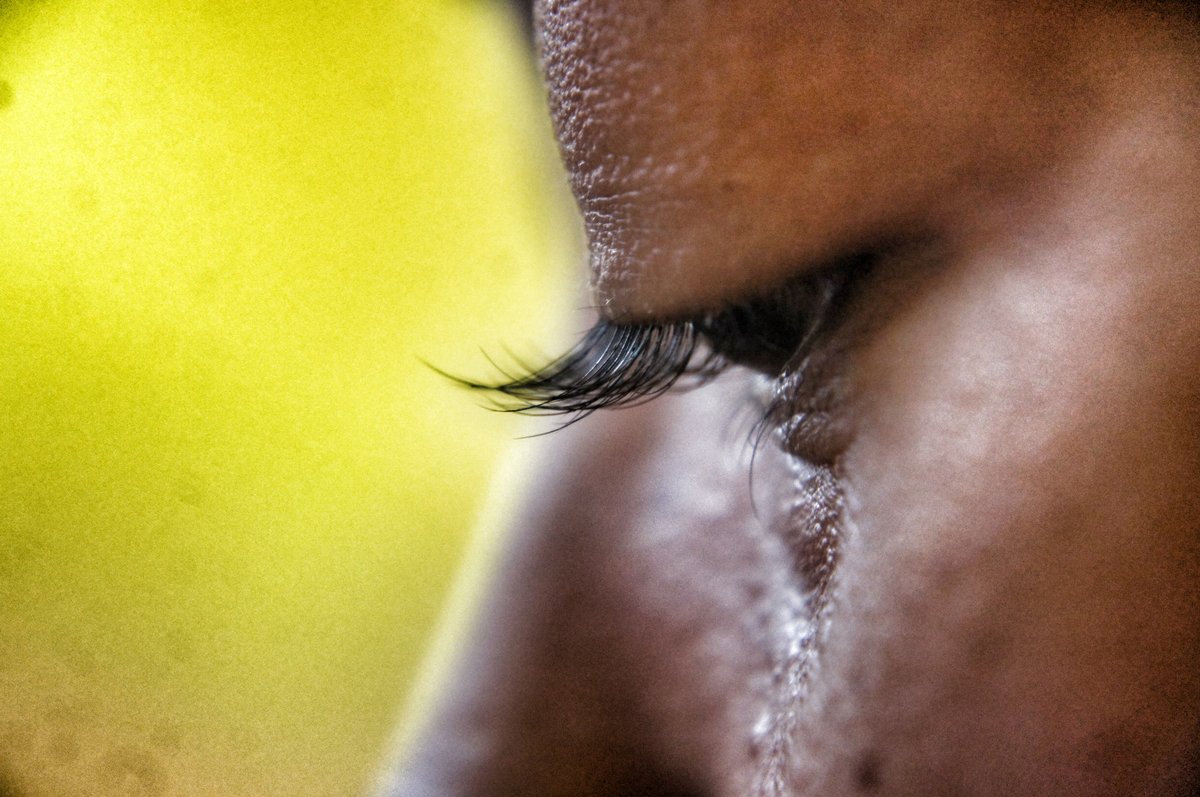
Feeling sad, mad, critical or otherwise awful? Surprise: negative emotions are essential for mental health
The downside of being happy
Nobody likes to be sad, but it can have a powerful and positive effect.

The Secret to Emotional Freedom? Feel Everything
Positive and Negative Affect and Salivary Markers of Inflammation Among Young Adults
Emerging evidence suggests that higher circulating levels of inflammatory biomarkers in blood are associated with higher negative affect (NA) and lower positive affect (PA). To our knowledge, the unique associations between NA and PA in daily life and salivary biomarkers of inflammation have not been examined. This study examined these associations in young adults.


When You Are Depressed, Make Something.
Depression doesn’t discriminate. Everyone is a potential target for it, regardless of gender, age, ethnicity, geographical location, or income. We are all subject to its grasp, and remember, it’s not the same thing as sadness.
When You Are Depressed, Make Something.
Depression doesn’t discriminate. Everyone is a potential target for it, regardless of gender, age, ethnicity, geographical location, or income. We are all subject to its grasp, and remember, it’s not the same thing as sadness.
Self-Distancing: What It Is and How You Can Use It to Make Better Decisions – Effectiviology
It’s hard to set your emotions aside when you’re faced with a difficult decision. This is problematic, since our emotions often cause us to make the wrong decision in important areas of life, including in our relationships, our finances, and our health.
Philosophy Officer on Instagram: "I AM SO EMOTIONALLY MATURE I have massive problems with this term. Most people would say it means something along the lines of: the ability to understand, process, regulate or communicate emotions in a healthy way. Now the issue is that all of the terms you use to explain it leave so much room for interpretation the definition becomes almost vacuous. To understand an emotion means to know what caused it? To know the impact it has on you physiologically? To understand how it affects your cognition? To know how it affects others? Same goes with the term healthy, get far enough into a discussion on what it means to be healthy and people will start to disagree. Mental health? Physical? Communal? Spiritual? What’s more is that this term is thrown around in place of simple personality traits or individual quirks. Because someone is more emotional are they now less mature because they have an objectively more difficult time regulating them? Is the person with a dark sense of humour immature because he can’t hold in a laugh when everyone else finds the situation morbid or cruel? I think, to a great extent, it’s a bit of a shield or barrier of a term that absolves ourselves from taking responsibility for our behaviours. At the end of the day we know ourselves best, or at least better than most people. This means we best understand our emotions, how we regulate them, how we control them etc. We have this epistemic bias towards ourselves, since we simply know more about ourselves therefore we will often reason that others have less. Sorry I couldn’t polish off my ideas more I gotta run bye friends"
102K likes, 186 comments - the_philofficer on July 6, 2026: "I AM SO EMOTIONALLY MATURE I have massive problems with this term. Most people would say it means something along the lines of: the ability to understand, process, regulate or communicate emotions in a healthy way. Now the issue is that all of the terms you use to explain it leave so much room for interpretation the definition becomes almost vacuous. To understand an emotion means to know what caused it? To know the impact it has on you physiologically? To understand how it affects your cognition? To know how it affects others? Same goes with the term healthy, get far enough into a discussion on what it means to be healthy and people will start to disagree. Mental health? Physical? Communal? Spiritual? What’s more is that this term is thrown around in place of simple personality traits or individual quirks. Because someone is more emotional are they now less mature because they have an objectively more difficult time regulating them? Is the person with a dark sense of humour immature because he can’t hold in a laugh when everyone else finds the situation morbid or cruel? I think, to a great extent, it’s a bit of a shield or barrier of a term that absolves ourselves from taking responsibility for our behaviours. At the end of the day we know ourselves best, or at least better than most people. This means we best understand our emotions, how we regulate them, how we control them etc. We have this epistemic bias towards ourselves, since we simply know more about ourselves therefore we will often reason that others have less. Sorry I couldn’t polish off my ideas more I gotta run bye friends".

Measures of emotion: A review
A consensual, componential model of emotions conceptualises them as experiential, physiological, and behavioural responses to personally meaningful stimuli. The present review examines this model in terms of whether different types of emotion-evocative stimuli are associated with discrete and invariant patterns of responding in each response system, how such responses are structured, and if such responses converge across different response systems. Across response systems, the bulk of the available evidence favours the idea that measures of emotional responding reflect dimensions rather than discrete states. In addition, experiential, physiological, and behavioural response systems are associated with unique sources of variance, which in turn limits the magnitude of convergence across measures. Accordingly, the authors suggest that there is no “gold standard” measure of emotional responding. Rather, experiential, physiological, and behavioural measures are all relevant to understanding emotion and cannot be assumed to be interchangeable.

What do we know about how to support mental health and wellbeing during the COVID-19 pandemic from past infectious disease epidemics? - DEP
Generative AI Use and Depressive Symptoms Among US Adults
This survey study examines the associations of generative artificial intelligence (AI) use with negative affective symptoms in a large nationally representative sample of US adults.

Anxiety and Depression Are Symptoms, Not Diseases
It is crucial to first and foremost see anxiety and depression as symptoms of unmet needs for relational value, rather than diseases of the brain.

Evidence grows that mental illness is more than dysfunction | Aeon Essays
Evidence is growing that mental illness is more than dysfunction, with enormous implications for treatment
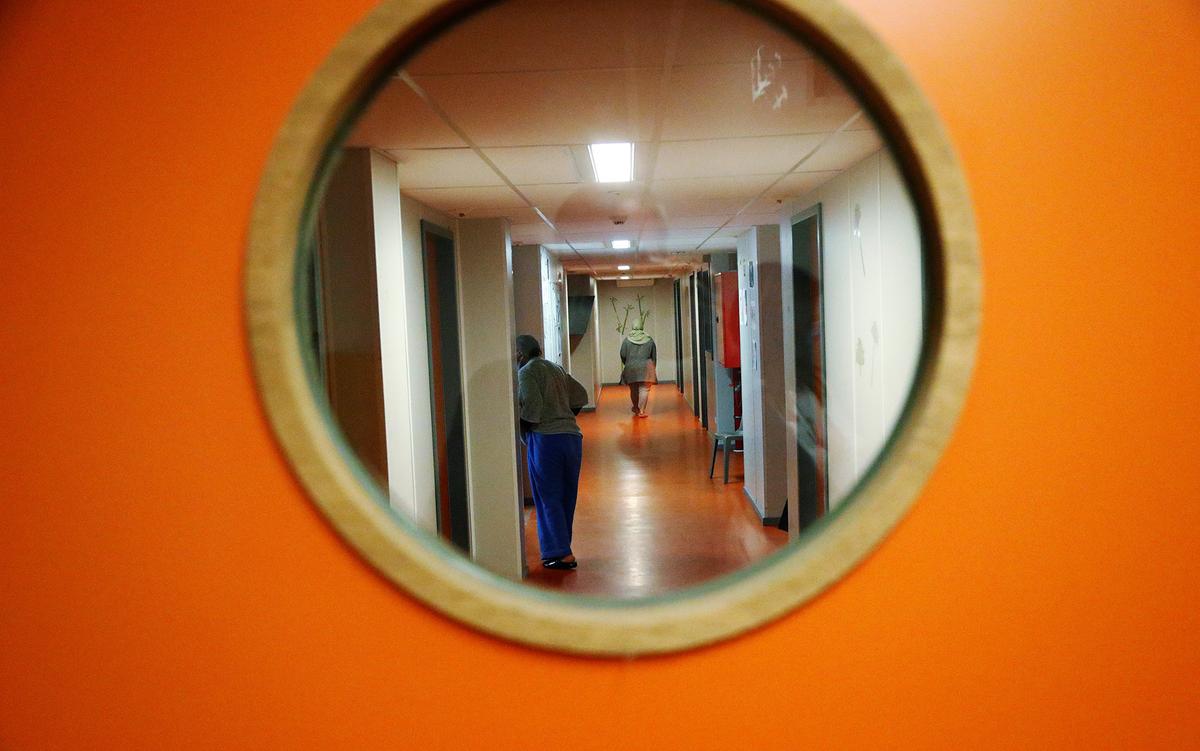
Emotional Intelligence: The Social Skills You Weren't Taught in School
How much of what you learned in school do you still remember? Even more importantly, how much of it do you actually use on a daily basis? Though we ma

Study Paints Somber Picture of U.S. Mental Health Status and Access to Care
/PRNewswire-USNewswire/ -- More Americans than ever before suffer from serious psychological distress, and the country's ability to meet the growing demand for...
