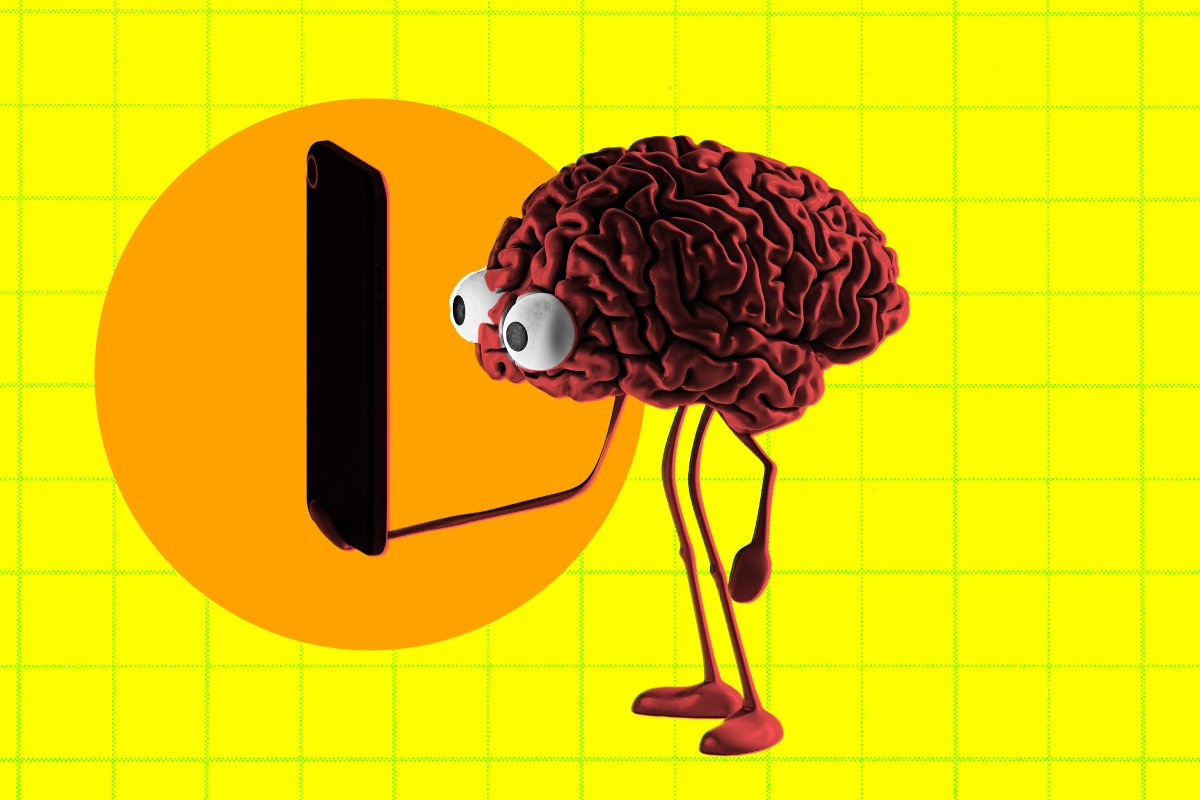
An innovative study technique yields surprising results that counter the popular idea that knowing yourself is good for you
Opinion | Can You Get Smarter? (Published 2015)
There is much that you can do to keep cognitively sharp.

Why speaking to yourself in the third person makes you wiser | Aeon Ideas
Wisdom and good decision making are within your power: just as soon as you start speaking of yourself in the third person

What does it really mean to have a moment of insight? | Psyche Notes to Self
From art to science to love, the moment of insight happens when we see a likeness between different things

Talking with strangers is surprisingly informative
A meaningful amount of people’s knowledge comes from their conversations with others. The amount people expect to learn predicts their interest in having a conversation (pretests 1 and 2), suggesting that the presumed information value of conversations guides decisions of whom to talk with. The results of seven experiments, however, suggest that people may systematically underestimate the informational benefit of conversation, creating a barrier to talking with—and hence learning from—others in daily life. Participants who were asked to talk with another person expected to learn significantly less from the conversation than they actually reported learning afterward, regardless of whether they had conversation prompts and whether they had the goal to learn (experiments 1 and 2). Undervaluing conversation does not stem from having systematically poor opinions of how much others know (experiment 3) but is instead related to the inherent uncertainty involved in conversation itself. Consequently, people underestimate learning to a lesser extent when uncertainty is reduced, as in a nonsocial context (surfing the web, experiment 4); when talking to an acquainted conversation partner (experiment 5); and after knowing the content of the conversation (experiment 6). Underestimating learning in conversation is distinct from underestimating other positive qualities in conversation, such as enjoyment (experiment 7). Misunderstanding how much can be learned in conversation could keep people from learning from others in daily life.

Works in Progress: The Long Journey to Doing Good Better
The more I learn, the more I realize how much I don’t know. — Albert Einstein

How to take things less personally and avoid mind reading | Psyche Guides
Always blaming yourself or assuming others think ill of you? A CBT therapist shares ways to break these self-critical habits

You Can Increase Your Intelligence: 5 Ways to Maximize Your Cognitive Potential

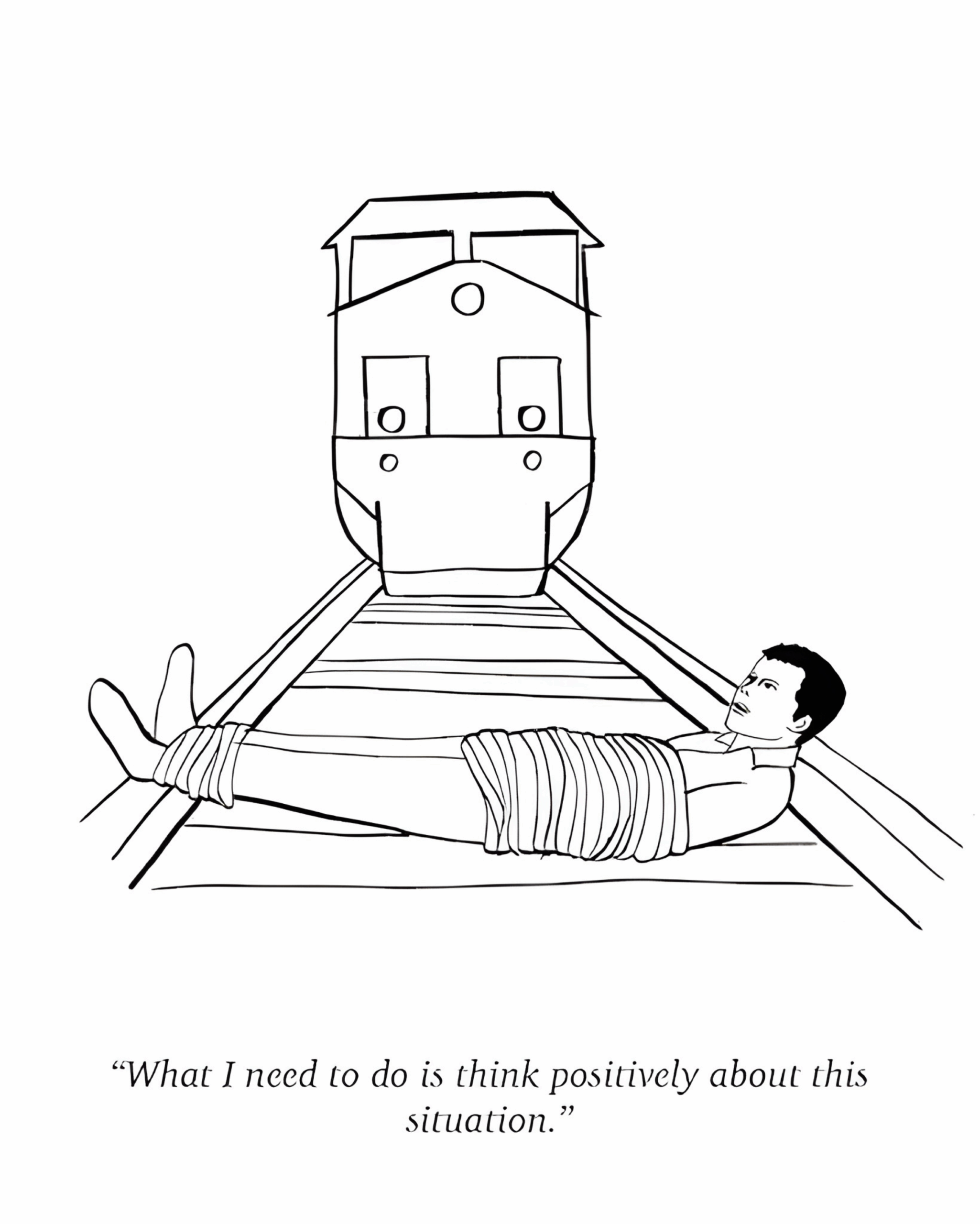
Opinion | Think Less, Think Better (Published 2016)
A wandering mind has less innovative thoughts.

Not Learning from Others
We study social learning using experiments where two people independently learn relevant information and can share it to make accurate private decisions. Across three experiments, people are substantially less sensitive to information others discover than to equally-relevant information they discovered themselves. This holds when they must learn information from others through discussion; when the experimenter perfectly communicates the information; and even when participants observe others’ information with their own eyes. Our results therefore stem not from a failure to elicit information from others but a systematic tendency to underweight it relative to one’s own information. Our findings illustrate a powerful barrier to social learning that might underlie many documented cases of failure to learn from others.

Sycophantic AI makes human interaction feel more effortful and less satisfying over time
Millions of people now turn to artificial intelligence (AI) systems for personal advice, guidance, and support. Such systems can be sycophantic, frequently affirming users' views and beliefs. Across five preregistered studies (N = 3,075 participants, 12,766 human-AI conversations), including a three-week study with a census-representative U.S. sample, we provide longitudinal experimental evidence that sycophantic AI shifts how users approach their closest relationships. We show that sycophantic AI immediately delivers the emotional and esteem support users typically associate with close friends and family. Over three weeks of such interactions, users became nearly as likely to seek personal advice from sycophantic AI as from close friends and family, and reported lower satisfaction with their real-world social interactions. When given a choice among AI response styles, a majority preferred sycophantic AI -- not for the quality of its advice, but because it made them feel most understood. Together, these findings offer a relational account of AI sycophancy and its impacts.

Having a Growth Mindset Makes It Easier to Develop New Interests
Much innovation happens when people combine knowledge from different disciplines. But some people are more likely to reach outside of their areas of interest and expertise than others. Researchers investigated why by studying people’s “mindsets” about interest and their impact. They found people vary — some people lean more toward the view that interests are inherent in a person, simply waiting to be awakened or found (a fixed mindset of interest). Others lean more toward the view that interests can be developed and that, with commitment and investment, they can grow over time (a growth mindset of interest). They reasoned that these mindsets might affect how open people are to new or different interests, whether they be in arts, science, business, athletics, or other areas. In studies, they found that students with a stronger growth mindset reported being more open to areas outside of their interests than those with a stronger fixed mindset. Their research also suggests that a growth mindset may promote resilience in maintaining interest when a subject becomes challenging and that a growth mindset may be cultivated.

Learning to be kind to yourself has remarkable benefits | Aeon Essays
Learning to be kind to yourself when you (inevitably) make mistakes could have a remarkable effect on your happiness

From social skills to sleep patterns: all the self-help advice that actually works
Much advice on how to be successful is wrong, or useless cliches. Here we cover the best advice we've found in the last 5 years that's backed by evidence.
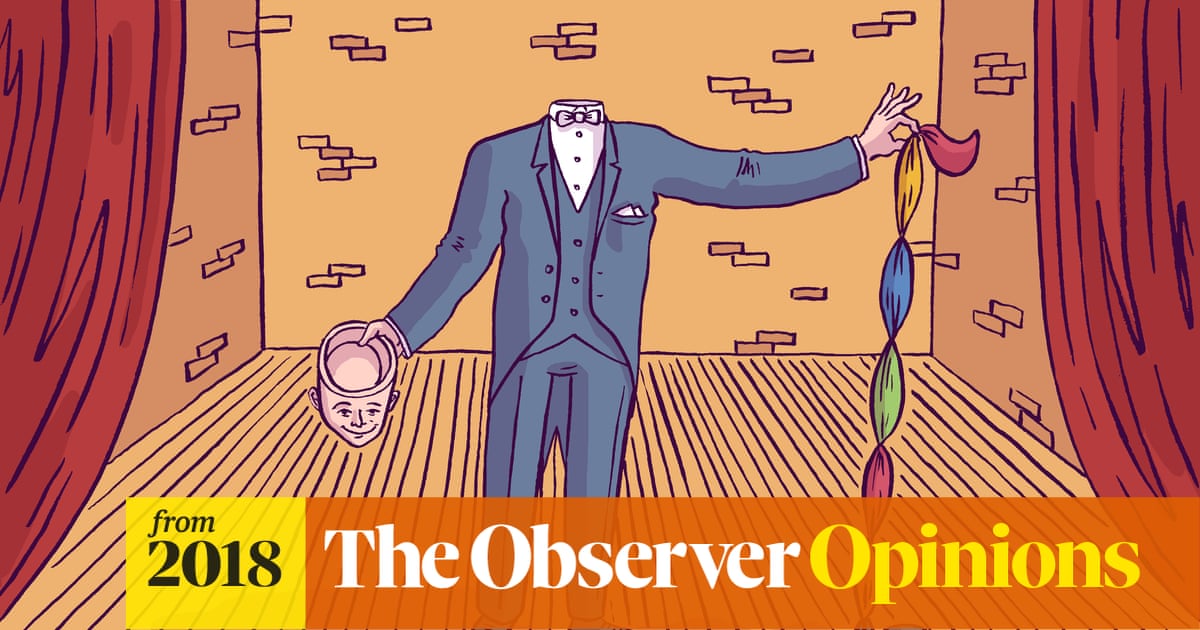
A revolution in our sense of self | Nick Chater
Psychologists have tried to plumb the depths of human motivation to make sense of our behaviour. But our inner mental world is a fiction, sustained by constant improvisation
Stanford researchers find a single question could be the key to changing someone’s mind
Curiosity goes a lot further than we might think.

Study Finds AI Use Eats Away at Users’ Confidence in Their Own Brains
A new study out of Middlesex University argues that the ultimate effects on an AI users' brain come down to how they use it.