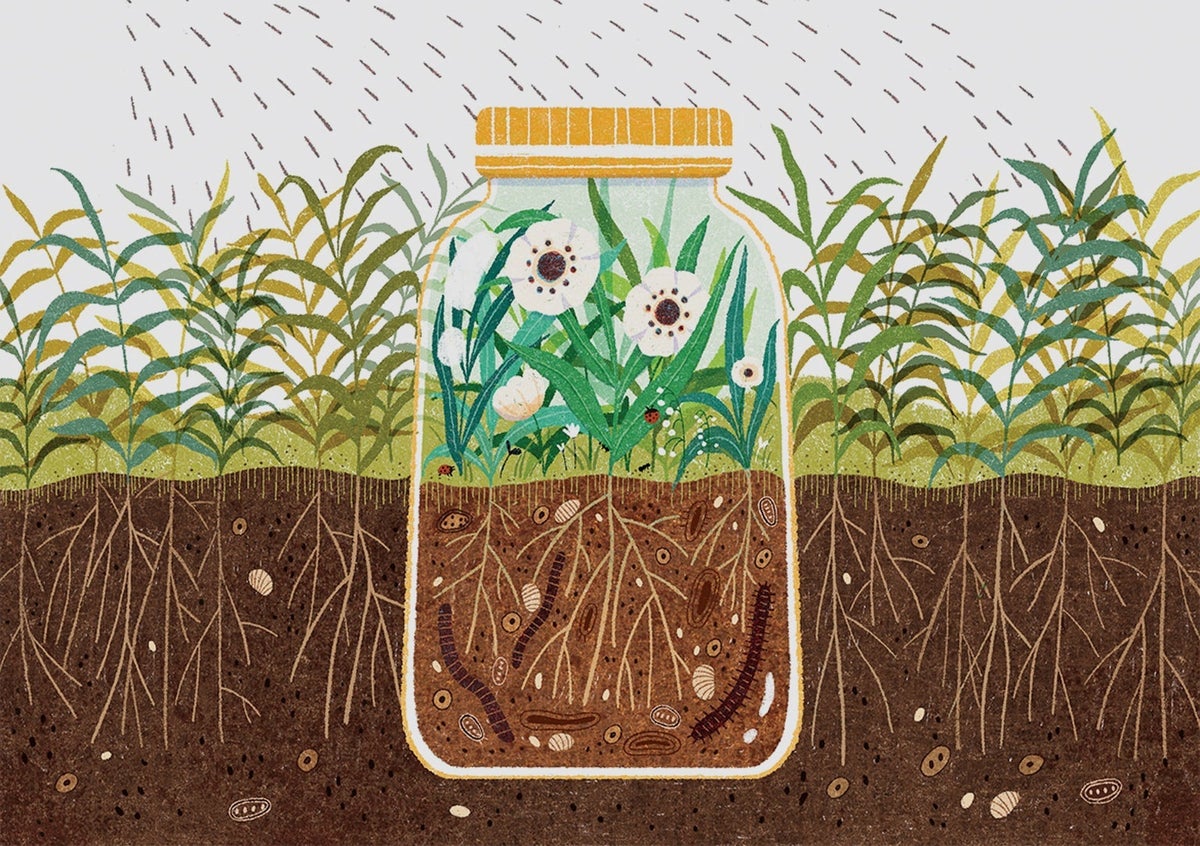
They harm worms, beetles and thousands of other subterranean species that are vital to agriculture
The Roots of Your Profits - Dr Elaine Ingham, Soil Microbiologist, Founder of Soil Foodweb Inc
High Rates of Suicide, Depression Linked to Farmers' Use of Pesticides
There is growing evidence that long-term pesticide use is linked to to alterations in farmers' mental health

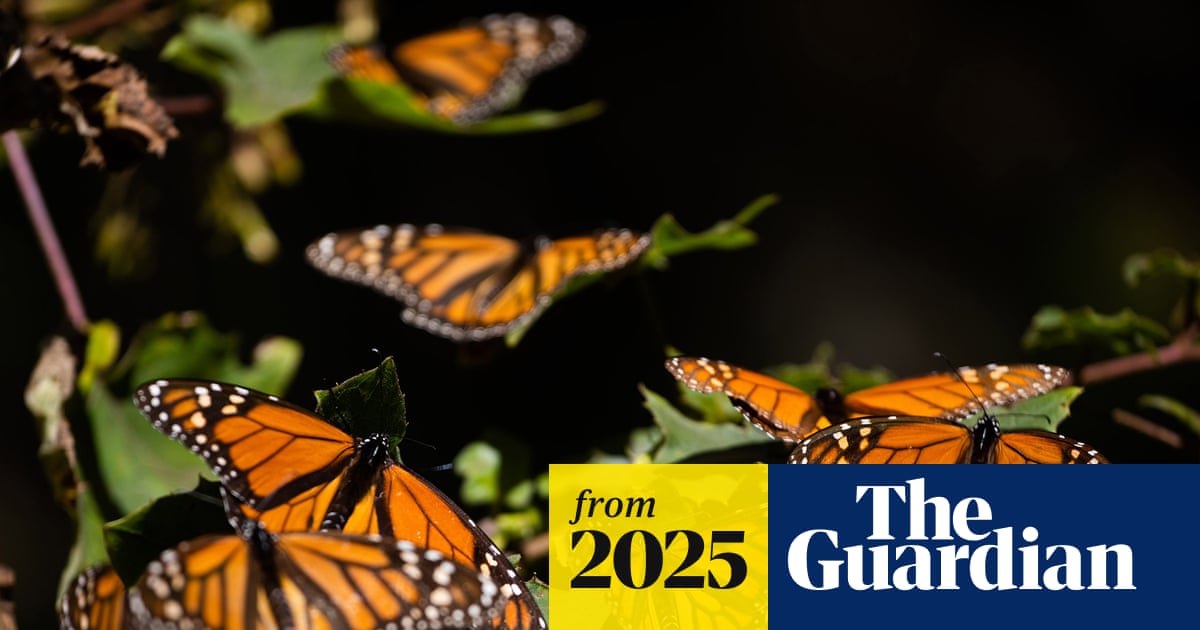
Monarch butterflies’ mass die-off in 2024 caused by pesticide exposure – study
New peer-reviewed research found an average of seven pesticides in each of 10 butterflies tested
Insect 'apocalypse' in U.S. driven by 50x increase in toxic pesticides: study | Hacker News
My bet: bees might do better, but the over all insectopocalypse is due to something else.
How Do Fungi Keep the Planet Healthy? | Quanta Magazine
Evolutionary biologist Toby Kiers explains how fungal networks in soil trade nutrients with plants, help keep carbon underground, and strike bargains without having a brain.
PFAS in fertilisers blamed for killing livestock in Texas and ...
Exceptionally high levels of 'forever chemicals' discovered in soil, water and dead animals

Tending the Body’s Microbial Garden (Published 2012)
As we learn more about the trillions of microbes we carry around, some scientists want to be like wildlife managers — nurturing the good and weeding out the bad.

We should discuss soil as much as coal (2019) | Hacker News
Then on the vein of soils, we're actually running out of arable soil. Soil erosion is a huge problem around the world and industrial farming is a large part of the problem. Farm plots are never left to fallow and replenish, all nutrients and organic matter are stripped out and replaced with liquid chemical fertilizers, that run off the fields and pollute waterways.
The connection between soil microbiomes and gut microbiomes
The health of all life on this planet is predicated on communities of minuscule microorganisms working in tandem

Vivian Kaloxilos - Introduction to Living Soils - LSSM 2017
Debug Project
Bad mosquitoes spread disease. Good mosquitoes stop them. We're using technology to raise and release good mosquitoes.

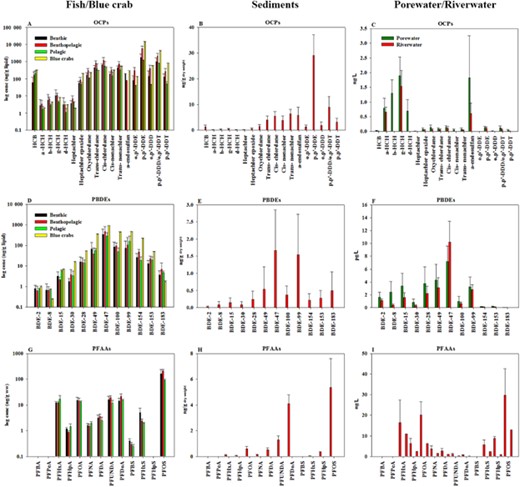
Uptake of hydrophobic organic compounds, including organochlorine pesticides, polybrominated diphenyl ethers, and perfluoroalkyl acids in fish and blue crabs of the lower Passaic River, New Jersey, USA
Abstract . The bioavailability and bioaccumulation of sedimentary hydrophobic organic compounds (HOCs) is of concern at contaminated sites. Passive sampler
Microbiome interplay: plants alter microbial abundance and diversity within the built environment
The built indoor microbiome has importance for human health. Residents leave their microbial fingerprint but nothing is known about the transfer from plants. Our hypothesis that indoor plants contribute substantially to the microbial abundance and diversity in the built environment was experimentally confirmed as proof of principle by analyzing the microbiome of the spider plant Chlorophytum comosum in relation to their surroundings. The abundance of Archaea, Bacteria, and Eukaryota (fungi) increased on surrounding floor and wall surfaces within 6 months of plant isolation in a cleaned indoor environment, whereas the microbial abundance on plant leaves and indoor air remained stable. We observed a microbiome shift: the bacterial diversity on surfaces increased significantly but fungal diversity decreased. The majority of cells were intact at the time of samplings and thus most probably alive including diverse Archaea as yet unknown phyllosphere inhabitants. LEfSe and network analysis showed that most microbes were dispersed from plant leaves to the surrounding surfaces. This led to an increase of specific taxa including spore-forming fungi with potential allergic potential but also beneficial plant-associated bacteria, e.g., Paenibacillus. This study demonstrates for the first time that plants can alter the microbiome of a built environment, which supports the significance of plants and provides insights into the complex interplay of plants, microbiomes and human beings.

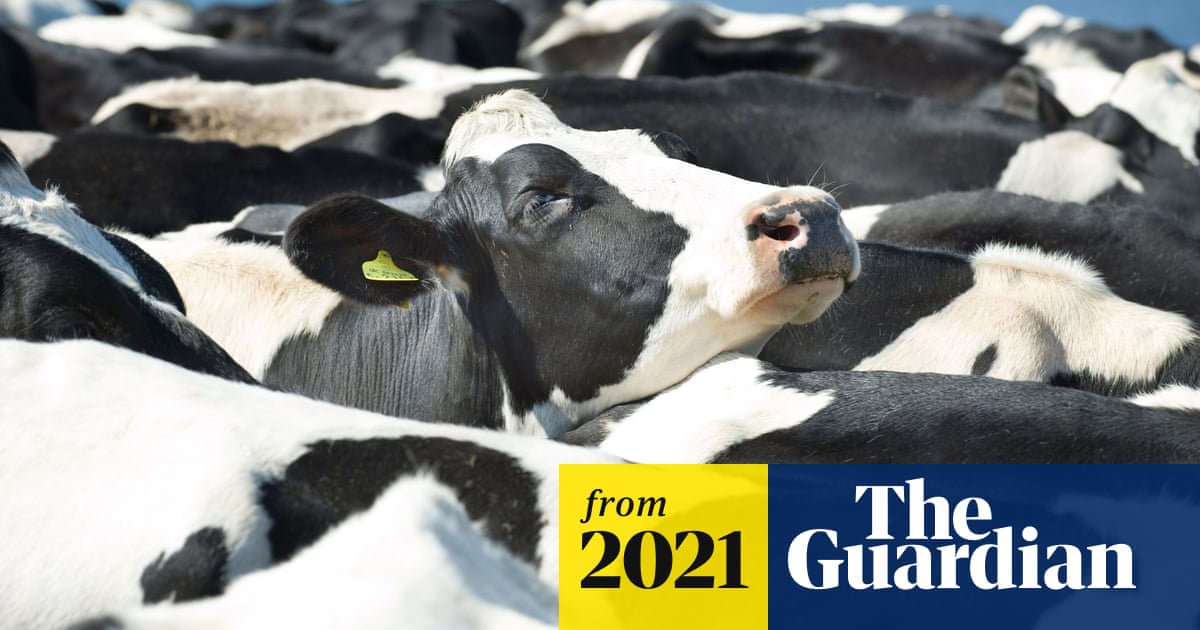
Plant-based diets crucial to saving global wildlife, says report
Vicious circle of cheap but damaging food is biggest destroyer of nature, says UN-backed report
RootShoot Soils | Enhance Soil Health Today
RootShoot Soils specializes in biology-first soil testing and restoration to promote resilient agriculture and landscapes. Discover our soil health services and projects.
Are we eating ourselves to extinction?
It’s not just animals that are at risk of dying out, the world’s crops are in rapid decline. Here’s why it matters what is on your plate