Stress reduction, insomnia prevention, emotion control, improved attention—certain breathing techniques can make life better. But where do you start?
How one hour of slow breathing changed my life
An introductory breathing class fixed my sleep and left me calmer than ever. It took me years to find out why
Newly mapped brain circuit offers clues to how slow nasal breathing eases anxiety
A slow breath in and out does the trick for many people when calming their nerves and dealing with anxiety, a disorder that affects millions of people worldwide. Pranayama, Taoism and meditation have ...

Viewzone: Breathing Right!
Viewzone Magazine offers a look at life and humanity from different angles. Breathing, exercise, health, conspiracies, lost history, religion and mysteries as well as humor and facts... we tell it like it is.
Improve Your Life: 10 Things You Should Do Every Day - Barking Up The Wrong Tree
Want to improve your life? Here are ten things that scientific research has repeatedly shown can help anyone be happier, healthier and all around better.


We Need More Research on how CO2 Affects Cognition
A growing body of research indicates there are potentially large health benefits to improving indoor air quality.
A Life-Saving Checklist
If something so simple can transform intensive care, what else can it do?
Masks and respirators for prevention of respiratory infections: a state of the science review
SUMMARY This narrative review and meta-analysis summarizes a broad evidence base on the benefits—and also the practicalities, disbenefits, harms and personal, sociocultural and environmental impacts—of masks and masking. Our synthesis of evidence from over 100 published reviews and selected primary studies, including re-analyzing contested meta-analyses of key clinical trials, produced seven key findings. First, there is strong and consistent evidence for airborne transmission of severe acute respiratory syndrome coronavirus 2 (SARS-CoV-2) and other respiratory pathogens. Second, masks are, if correctly and consistently worn, effective in reducing transmission of respiratory diseases and show a dose-response effect. Third, respirators are significantly more effective than medical or cloth masks. Fourth, mask mandates are, overall, effective in reducing community transmission of respiratory pathogens. Fifth, masks are important sociocultural symbols; non-adherence to masking is sometimes linked to political and ideological beliefs and to widely circulated mis- or disinformation. Sixth, while there is much evidence that masks are not generally harmful to the general population, masking may be relatively contraindicated in individuals with certain medical conditions, who may require exemption. Furthermore, certain groups (notably D/deaf people) are disadvantaged when others are masked. Finally, there are risks to the environment from single-use masks and respirators. We propose an agenda for future research, including improved characterization of the situations in which masking should be recommended or mandated; attention to comfort and acceptability; generalized and disability-focused communication support in settings where masks are worn; and development and testing of novel materials and designs for improved filtration, breathability, and environmental impact.
There's even more evidence that one type of exercise is the closest thing we have to a miracle drug
Aerobic exercise, which raises your heart rate for a sustained period, is "key for your head, just as it is for your heart," researchers say.
Home Sleep Testing by Sleep Doctor | CPAP Machines, Masks, & Supplies
Home sleep apnea tests, CPAP machines, masks, supplies, and more. Wake up rested with help that’s easy to follow, a dedication to care, and sleep solutions that work.
Oxygen producing plants in the home are great factors of longevity.
Green oxygen producing plants are abundant in nature. Incorporating air cleaning plants into your every day environment is a great addition to your longevity lifestyle through adequate oxygenation.

Low on energy? A new understanding of rest could help revitalise you
There is a state of relaxation that few of us spend much time in, but which comes with profound well-being benefits. With healthier ageing, reduced risk of disease and feeling more energised all on offer, here's how to get there

Introduction of London’s Ultra Low Emission Zone linked to improved lung growth in children
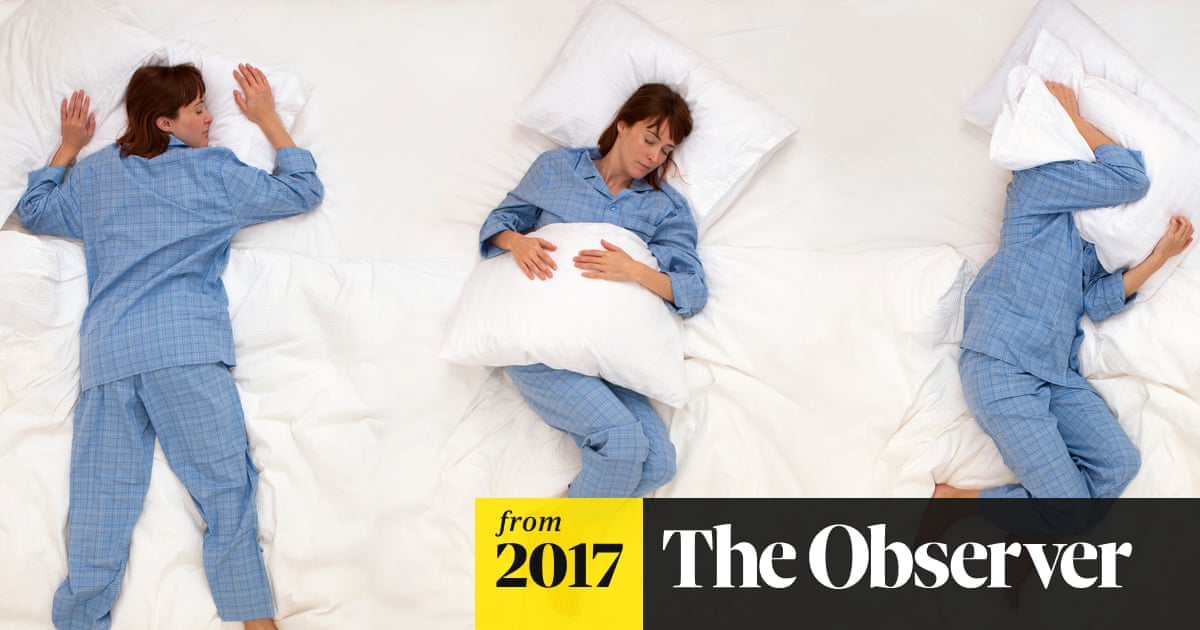
'Sleep should be prescribed': what those late nights out could be costing you
Leading neuroscientist Matthew Walker on why sleep deprivation is increasing our risk of cancer, heart attack and Alzheimer’s – and what you can do about it
From social skills to sleep patterns: all the self-help advice that actually works
Much advice on how to be successful is wrong, or useless cliches. Here we cover the best advice we've found in the last 5 years that's backed by evidence.