


Toxoplasmosis may alter brain chemistry in people exhibiting bouts of explosive anger
Us Versus Them: Harming the ‘Outgroup’ Is Linked to Elevated Activity in the Brain’s Reward Circuitry - Neuroscience News
Aggression toward members in an "outgroup" was associated with increased activity in areas of the brain associated with reward. Activity in the ventromedial prefrontal cortex impacted the level of aggression a person demonstrated against an outsider.

Transplanting Gut Bacteria Alters Depression-related Behavior, Brain Inflammation in Animals
Knowledge of stress biology may eventually bring bacterial treatments for psychiatric disorders.

How to spot a psychopath: ‘It’s like the difference between a domestic cat and a wild cat’
People with persistent predatory personalities cause an inordinate amount of pain. Recently, our shared understanding of them has grown – and it could help protect us

Psychobiotics: Bacteria to Brighten your Mood | Qualia
Uncover the power of psychobiotics—bacteria that boost mood and mental well-being. Explore the emerging field of gut-brain connection."

What stress does to the brain - Neuroscience News
A new study sheds light on how the brain changes as a result of chronic stress. Selective noradrenaline release rewires connectivity patterns between different brain regions. Activity in the amygdala and networks that process sensory stimuli increased.

Invisible Designers: Brain Evolution Through the Lens of Parasite Manipulation
AbstractThe ability of parasites to manipulate host behavior to their advantage has been studied extensively, but the impact of parasite manipulation on the evolution of neural and endocrine mechanisms has remained virtually unexplored. If selection for countermeasures has shaped the evolution of nervous systems, many aspects of neural functioning are likely to remain poorly understood until parasites—the brain’s invisible designers—are included in the picture. This article offers the first systematic discussion of brain evolution in light of parasite manipulation. After reviewing the strategies and mechanisms employed by parasites, the paper presents a taxonomy of host countermeasures with four main categories, namely: restrict access to the brain; increase the costs of manipulation; increase the complexity of signals; and increase robustness. For each category, possible examples of countermeasures are explored, and the likely evolutionary responses by parasites are considered. The article then discusses the metabolic, computational, and ecological constraints that limit the evolution of countermeasures. The final sections offer suggestions for future research and consider some implications for basic neuroscience and psychopharmacology. The paper aims to present a novel perspective on brain evolution, chart a provisional way forward, and stimulate research across the relevant disciplines.

Gut–brain link grabs neuroscientists
Idea that intestinal bacteria affect mental health gains ground.
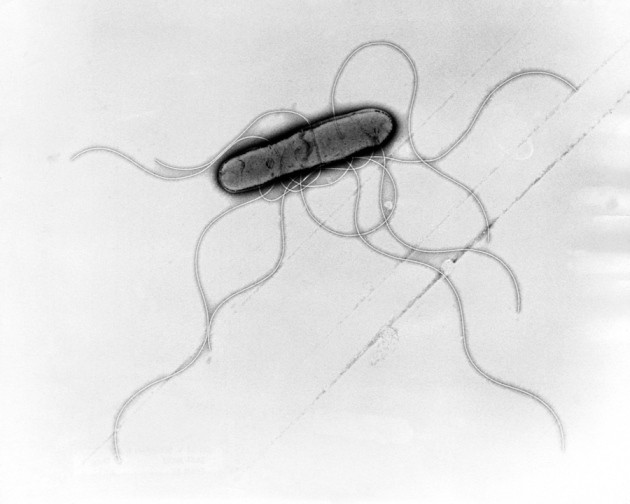
Psychiatry and Inflammatory Conditions
Diet and gut health are essential components of mental health, and the gut-brain axis has progressed from an esoteric concept to a popular one.
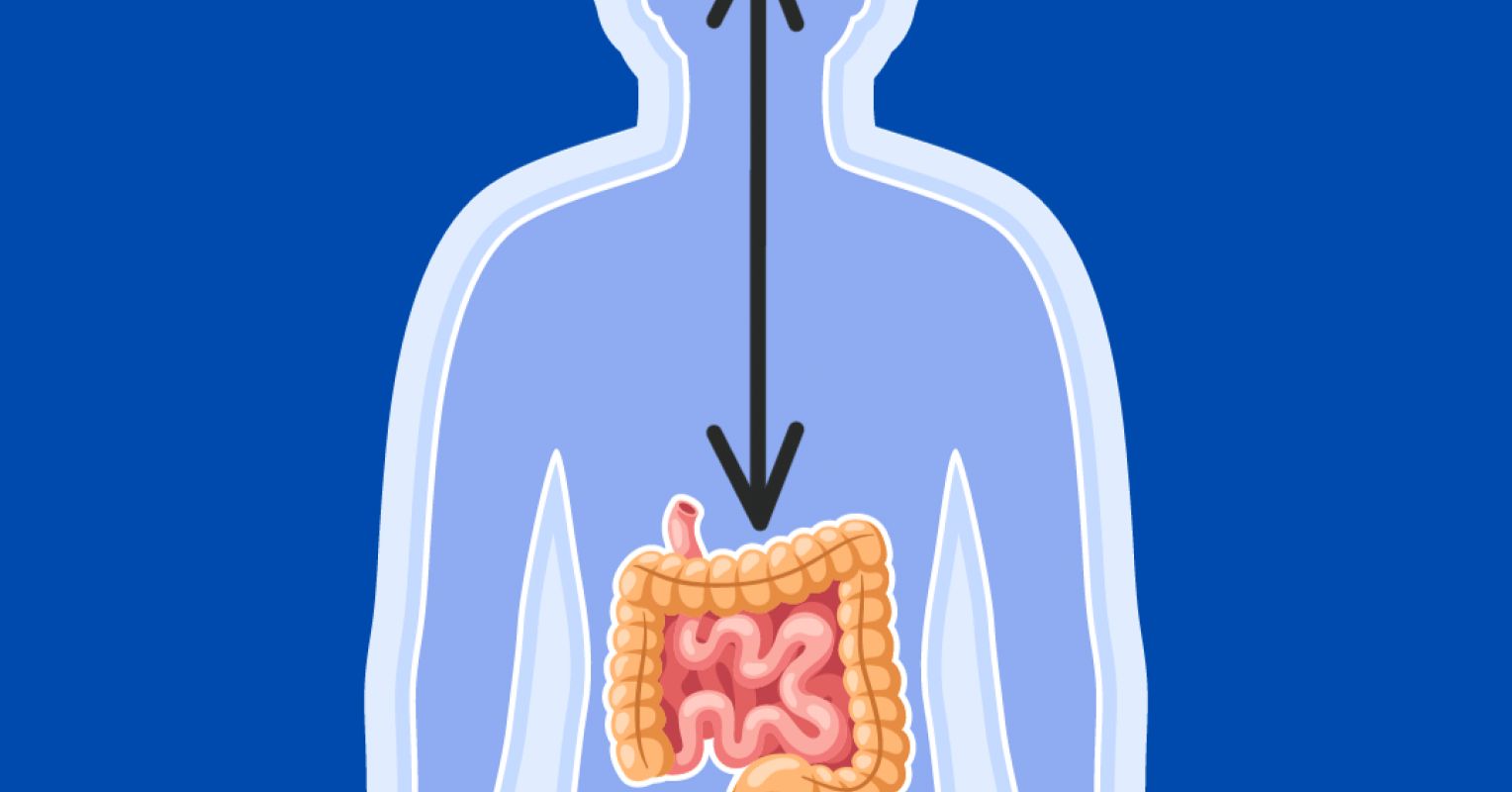
The medications that change who we are
They’ve been linked to road rage, pathological gambling, and complicated acts of fraud. It turns out many ordinary medications don’t just affect our bodies – they affect our brains.


The Rise of Parasitic AI — LessWrong
We've all heard of LLM-induced psychosis by now, but haven't you wondered what the AIs are actually doing with their newly psychotic humans?

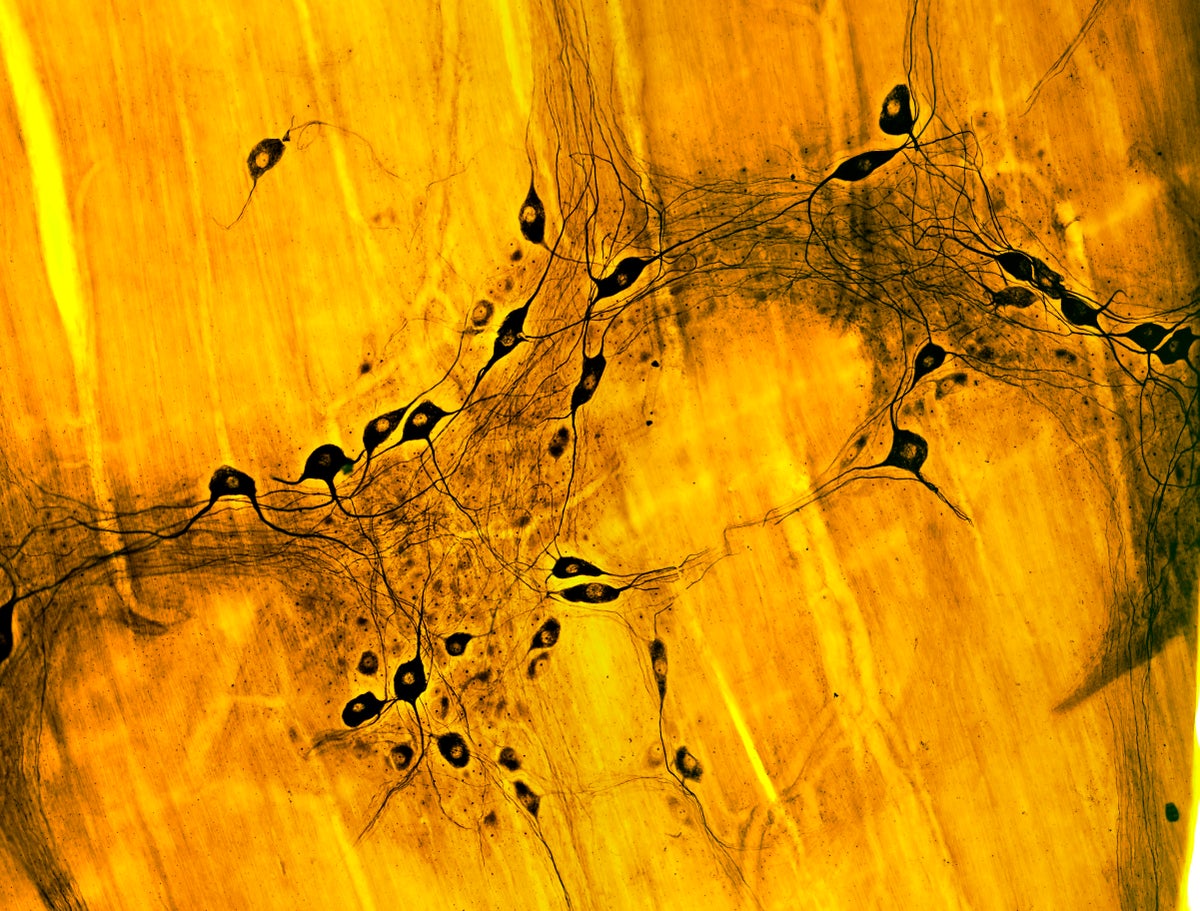
Think Twice: How the Gut's "Second Brain" Influences Mood and Well-Being
The emerging and surprising view of how the enteric nervous system in our bellies goes far beyond just processing the food we eat
Dopamine Trap
Dopamine Trap does narrative driven decay. With organic noise, apocalyptic soundscapes, and scathing poetry his productions cast lovecraftian solopsisms on the roof of the skull, dripping with tumors of unresolved inter-generational trauma, resignation and reckless, violent love. He delights in emptiness and the granular implications of percussive silence.
A single high dose of psilocybin alters brain function up to one month later
New research provides evidence that the active ingredient in so-called magic mushrooms can affect brain processes related to emotional functioning long
Chronic methylphenidate abuse: Effects on behaviour, redox homeostasis, and cholinergic system
Methylphenidate (MPH) (metil 2-fenil-2-(piperidin-2-il) acetato) is used as a drug of abuse as well as a cognitive enhancer owing to its amphetaminic structure. The objective of this study was to evaluate whether chronic exposure to an abusive context and dose of MPH (80 mg/L for 15 min/day for 7 days) in adult life causes behavioural changes related to anxiety, fear, sociability, locomotion, and memory as well as altered levels of biochemical markers, cortisol, and the cholinergic system. Here we used the zebrafish (Danio rerio) as a translatio Nnal model. We showed that fish exposed to MPH showed marked hypolocomotion and anxiogenic patterns, fear behaviour, and memory delay. MPH exposure also increased the levels of antioxidant enzymes, non-protein thiols, and reactive oxygen species compared with those in the control group, and the redox status was altered at the cerebral and peripheral levels. The cholinergic system exhibits a reduction in signalling and an increase in cortisol levels. Our results clarified the mechanisms involved in the toxicity elicited by the abusive use of MPH. Overall, our results demonstrated that chronic administration of an abusive dose of MPH in individuals without a diagnosis of attention deficit hyperactivity disorder (ADHD) can cause important damage.
Psychedelic Brew Ayahuasca's Profound Impact Revealed In Brain Scans - Slashdot
An anonymous reader quotes a report from The Guardian: The brew is so potent that practitioners report not only powerful hallucinations, but near-death experiences, contact with higher-dimensional beings, and life-transforming voyages through alternative realities. Often before throwing up, or havin...
