


Specialized elements of hardware and software, connected by wires, radio waves and infrared, will be so ubiquitous that no one will notice their presence
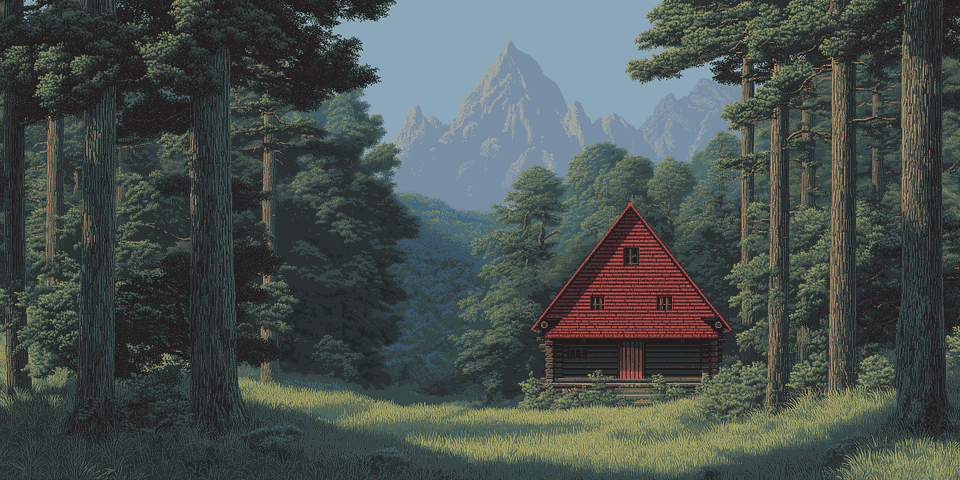
Calm Technology
Bits flowing through the wires of a computer network are ordinarily invisible. But a radically new tool shows those bits through motion, sound, and even touch. It communicates both light and heavy network traffic. Its output is so beautifully integrated with human information processing that one does not even need to be looking at it or near it to take advantage of its peripheral clues. It takes no space on your existing computer screen, and in fact does not use or contain a computer at all. It uses no software, only a few dollars in hardware, and can be shared by many people at the same time. It is called the "Dangling String".
100% Utilization
Since the end of the Second World War, we have come to expect continual growth in computing power and the rapid development of digital technology. This dynam...
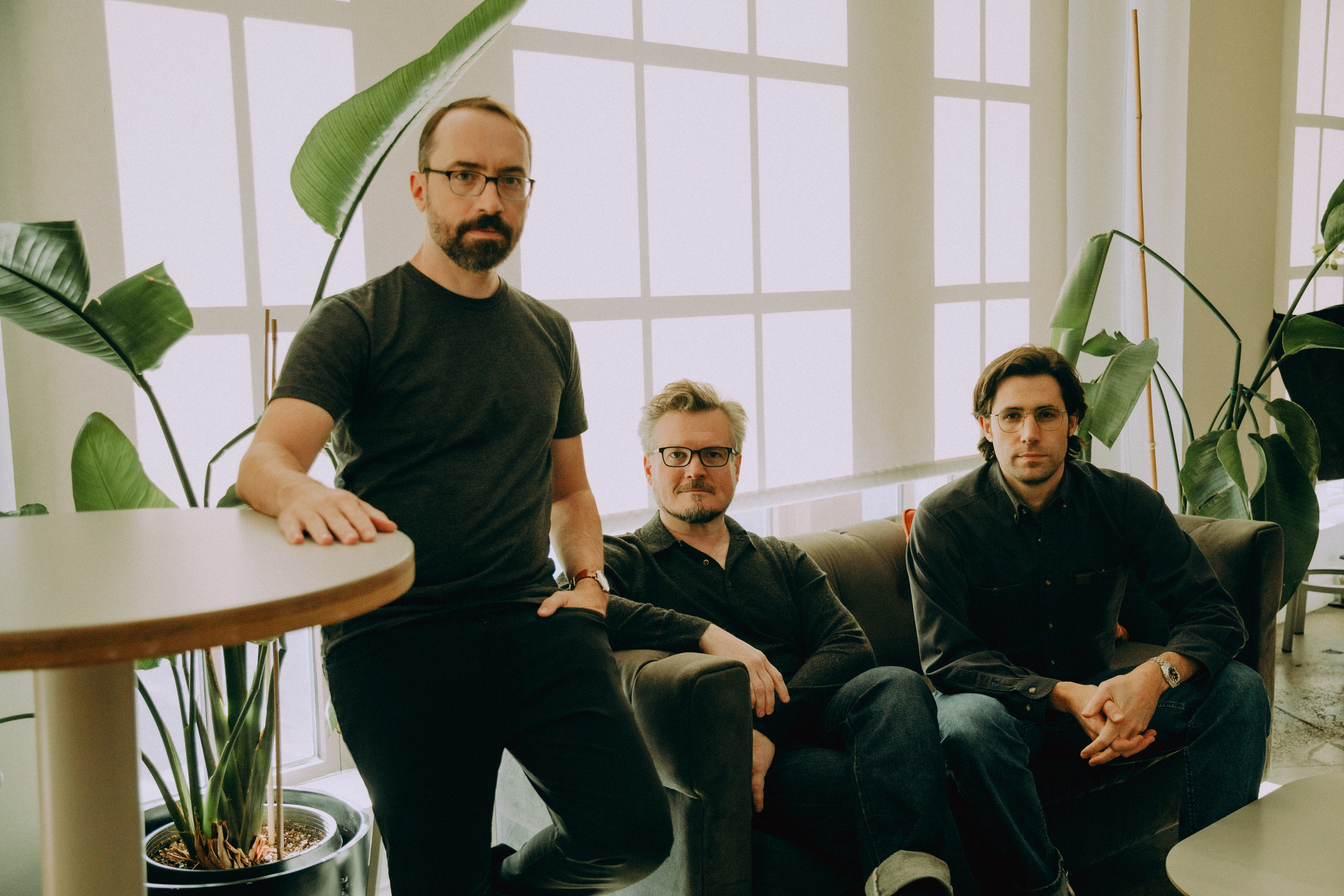
Telepath: building a new kind of computer
So, we made a thing: Let’s back up: for as long as I can remember, I’ve been obsessed with computers, fascinated not just by what they can do but what they could become. Like many, I took my early inspiration from science fiction. I dreamed of someday having something like the Enterprise’s computer. And why not? Science fiction has always driven scientists, engineers, and inventors to create real things that change the world.

100 years of whatever this will be
What if all these weird tech trends actually add up to something? Last time, we explored why various bits of trendy technology are, in my o...
under the hood
This week I’ve been thinking about what it’s like for a new generation to make things with computers. When we were talking in Berlin, Luce made a point that...
The Computer for the 21st Century
one more final edit from me to go The Computer for the 21st Century
Thought as a Technology
Have you ever felt awe and delight upon first experiencing a computer interface? An interface that surprised you with its strangeness, with a sense of entering an alien world?

Calm Technology
The most profound technologies are those that disappear. They weave themselves into the fabric of everyday life until they are indistinguishable from it.
Resonant Computing Lab
A movement is quietly gaining momentum. For some time, the Resonant Computing Manifesto circulated among a small circle of technologists and thinkers. Within days of going public, more than 1,200 signatories—including Alan Kay, Peter Wang, Tim O'Reilly, Kevin Kelly and Esther Dyson—joined the call for software that serves human agency.
Intertwingler
The central premise of Intertwingler is that the computer is underutilized as an expressive medium. That may seem wild at first to say, but if you look around, you can find copious examples of the computer as a tool for preparing media, or as a vehicle for transporting or rendering media, but the actual content of the media in question would work just as well as if it had been made a hundred years ago:
A Common Sense Guide to Selection Of A Computer System
A vast amount of computer equipment is being dumped on the Australian landscape. The glossy advertisements illustrate microcomputers everywhere. Hurtling through space. Nestled on the moon's surface. Artfully sharp in a 21st century space home. Peering out from foliage in a contrived jungle setting. Just occasionally they are even depicted in a practical business environment. How does a business person with little appreciation of this new technology go about rationally deciding what is for the best?Is a computer necessary?How should it be evaluated? Is one ‘system’ as good as another? What are the pitfalls? How is a Selection criteria established? The task of selecting an appropriate computer system from the plethora of possibilities is not easy, but it need not be prohibitive. What is needed is common sense information. UnderstandableandobjectiveanswerstothemanyquestionsyounodoubthaveareprovidedinthisCommon Sense Guide to the Selection of aComputer System!

The idea of a "tech industry" has always relied on "computer" being a special kind of medium, akin to alchemy. And if tech demands to be king, AI hype has now elevated LLMs to a king of kings. But the solipsism has hit a dead end. The only way forward is to recognize that computers are not special.

LLMs are just normal technology. But tech is just a normal medium.
productpicnic.beehiiv.com