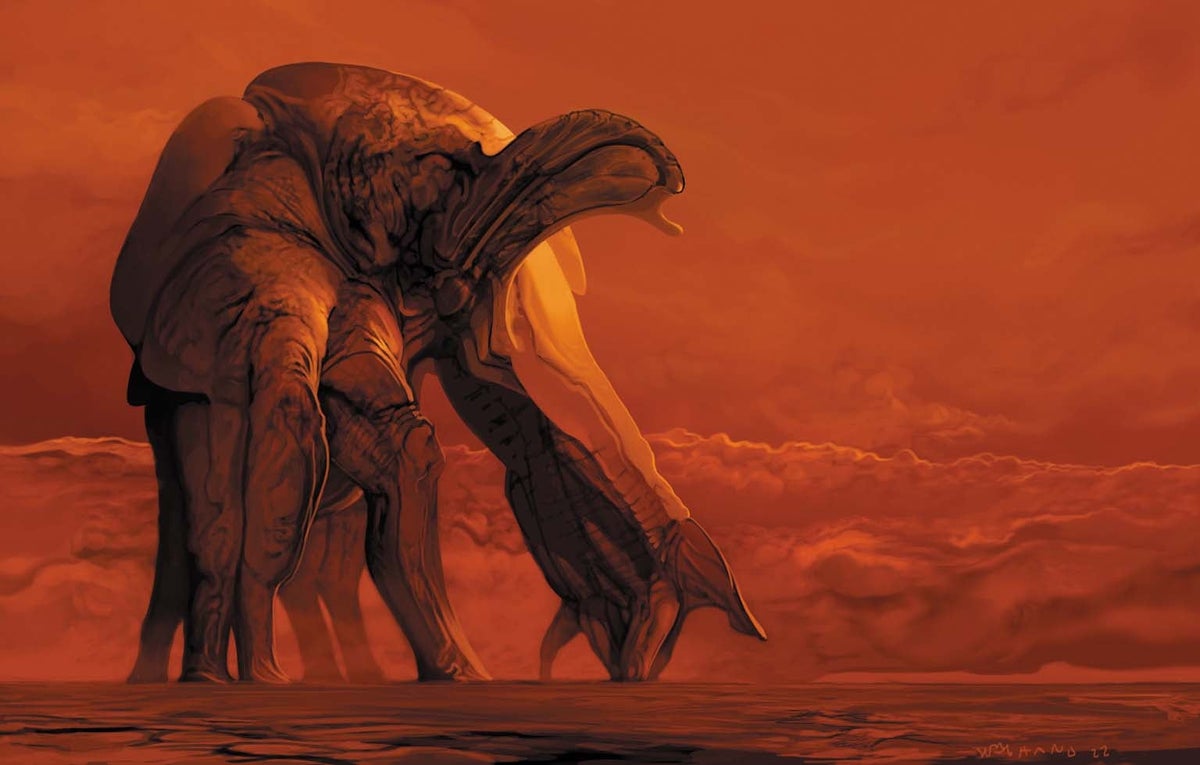
Scientists are abandoning conventional thinking to search for extraterrestrial creatures that bear little resemblance to Earthlings
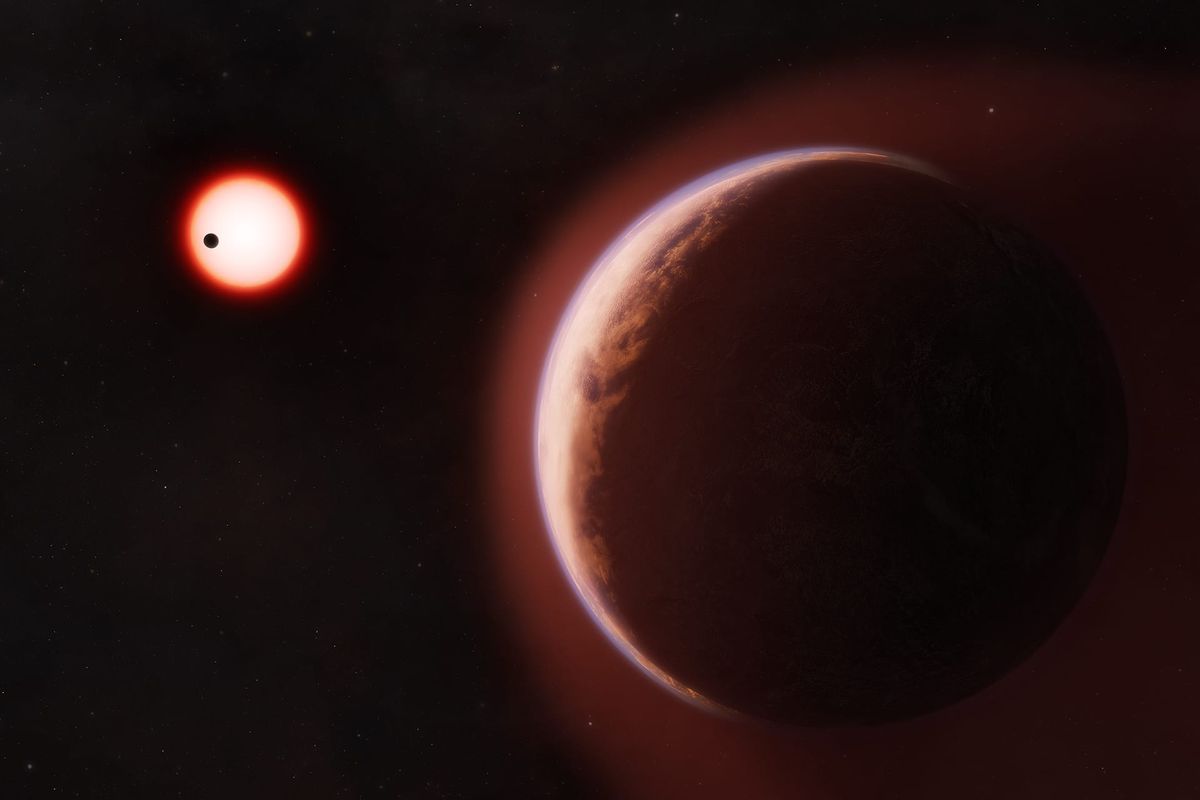
Scientists Discover Planet Has Everything to Host ‘Earth-Like Life’ In Breakthrough
For the first time, scientists found that a rocky planet in the habitable zone of its star has an atmosphere. It’s the best place to look for alien biosignatures, scientists say.
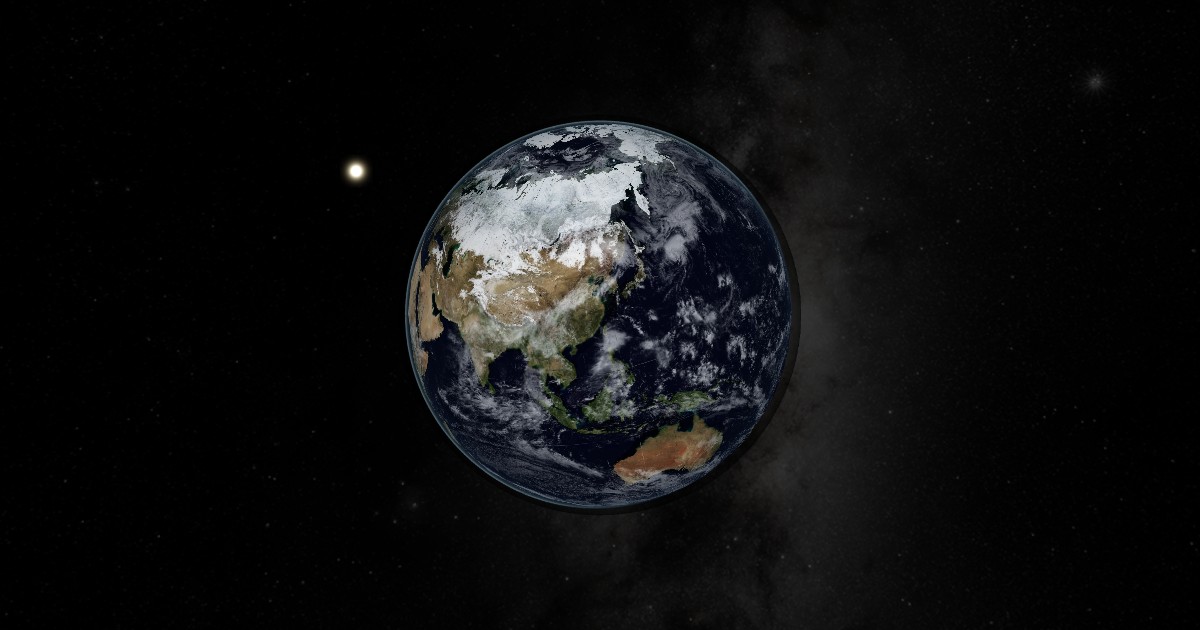
Intelligence as a planetary scale process
Conventionally, intelligence is seen as a property of individuals. However, it is also known to be a property of collectives. Here, we broaden the idea of intelligence as a collective property and extend it to the planetary scale. We consider the ways in which the appearance of technological intelligence may represent a kind of planetary scale transition, and thus might be seen not as something which happens on a planet but to a planet, much as some models propose the origin of life itself was a planetary phenomenon. Our approach follows the recognition among researchers that the correct scale to understand key aspects of life and its evolution is planetary, as opposed to the more traditional focus on individual species. We explore ways in which the concept may prove useful for three distinct domains: Earth Systems and Exoplanet studies; Anthropocene and Sustainability studies; and the study of Technosignatures and the Search for Extraterrestrial Intelligence (SETI). We argue that explorations of planetary intelligence, defined as the acquisition and application of collective knowledge operating at a planetary scale and integrated into the function of coupled planetary systems, can prove a useful framework for understanding possible paths of the long-term evolution of inhabited planets including future trajectories for life on Earth and predicting features of intelligentially steered planetary evolution on other worlds.
The Alien Space of Science: Sampling Coherent but Cognitively...
Scientific discovery is constrained not only by what is true, but by what is cognitively available to the researchers currently exploring a field. Many directions are coherent in light of the...

What we want is a hunter gatherer lifestyle with space age tools
Those who are convinced that there is more to things spend their time chasing it and not finding it often as not, and those who are convinced there isn't find themselves frustrated at the abyss.

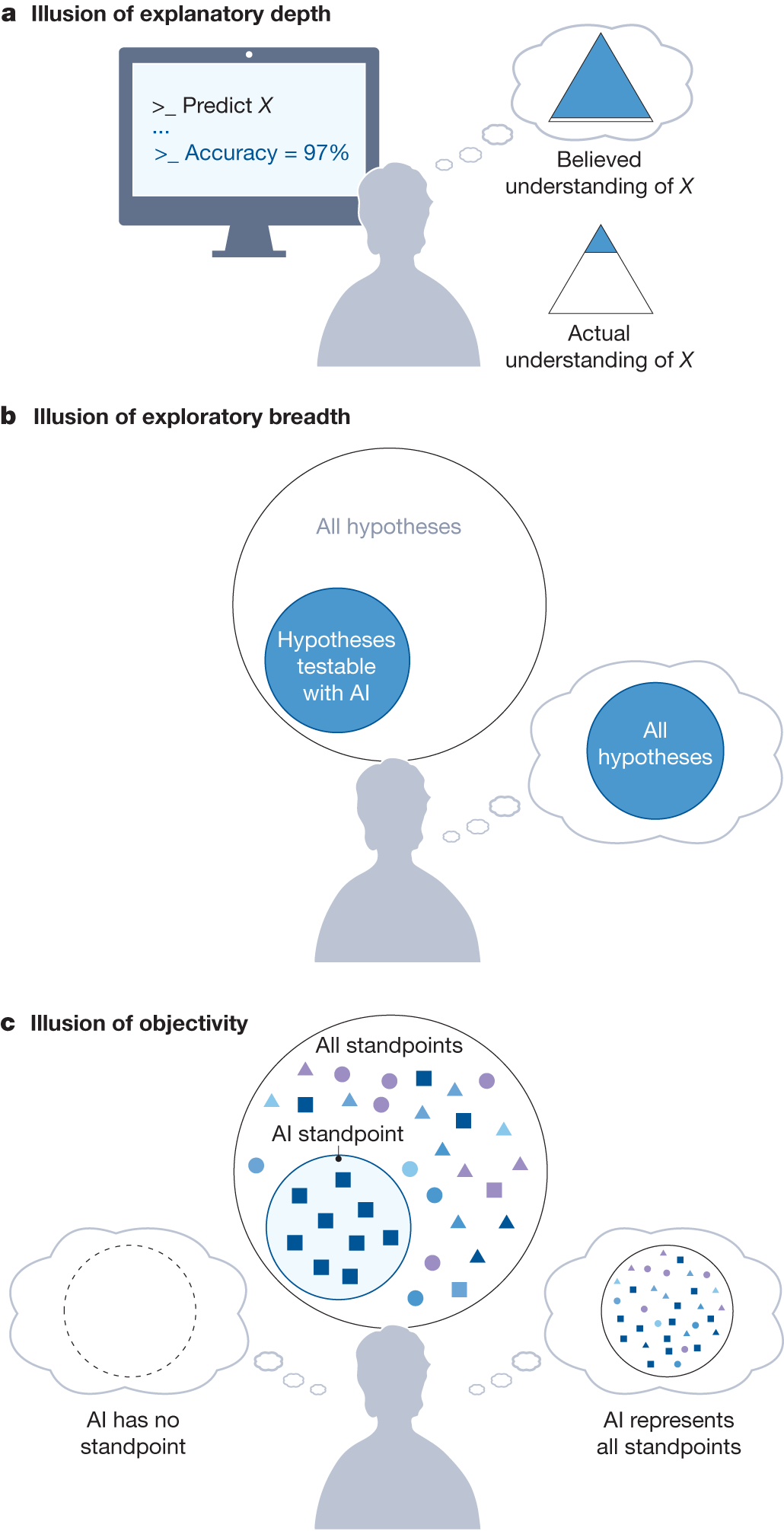
Artificial intelligence and illusions of understanding in scientific research
Scientists are enthusiastically imagining ways in which artificial intelligence (AI) tools might improve research. Why are AI tools so attractive and what are the risks of implementing them across the research pipeline? Here we develop a taxonomy of scientists’ visions for AI, observing that their appeal comes from promises to improve productivity and objectivity by overcoming human shortcomings. But proposed AI solutions can also exploit our cognitive limitations, making us vulnerable to illusions of understanding in which we believe we understand more about the world than we actually do. Such illusions obscure the scientific community’s ability to see the formation of scientific monocultures, in which some types of methods, questions and viewpoints come to dominate alternative approaches, making science less innovative and more vulnerable to errors. The proliferation of AI tools in science risks introducing a phase of scientific enquiry in which we produce more but understand less. By analysing the appeal of these tools, we provide a framework for advancing discussions of responsible knowledge production in the age of AI.
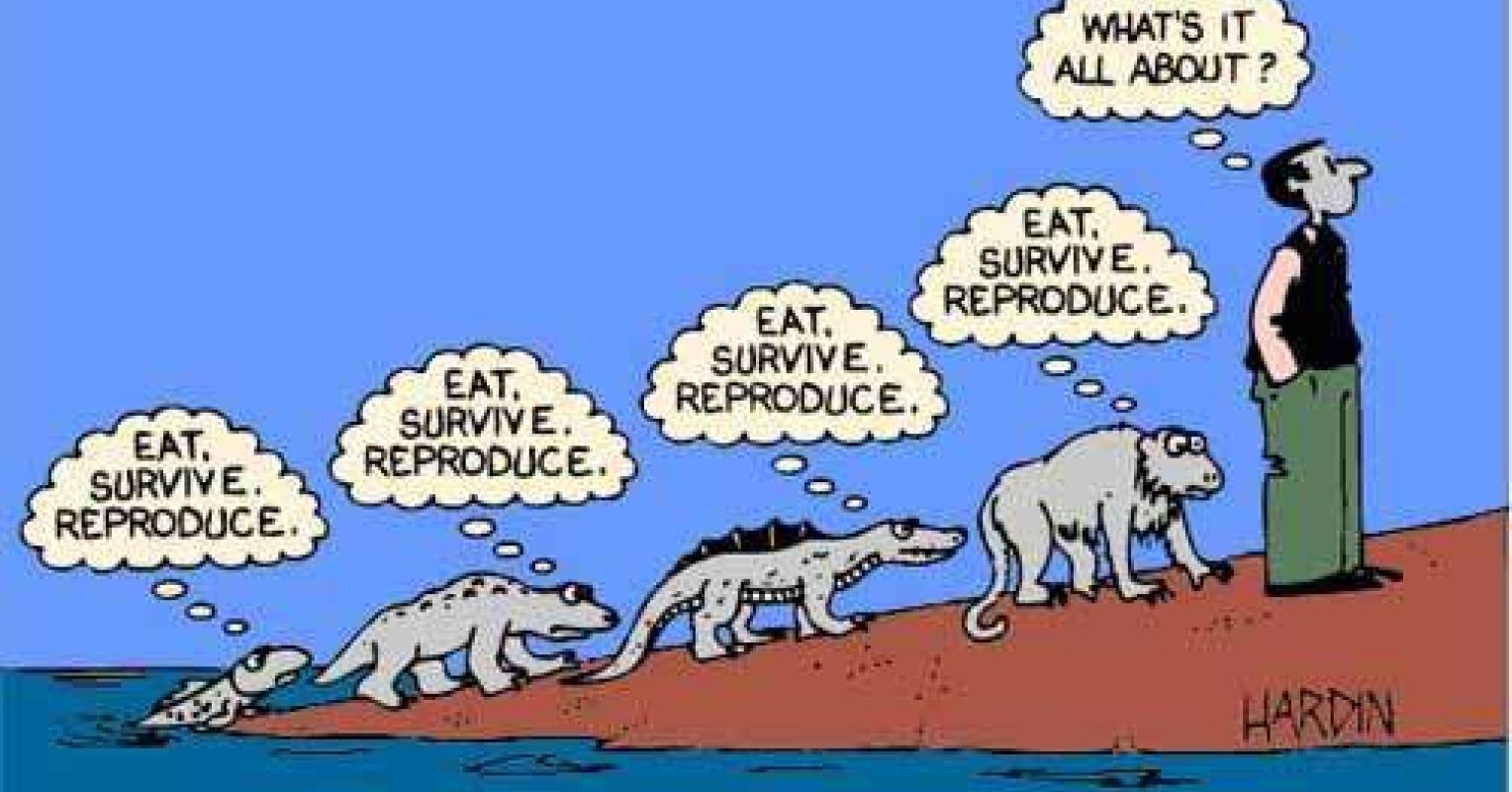
The Meaning of Life Revealed!
Evolutionary theory answers one of the most profound and fundamental questions human beings have ever asked themselves, a question that has plagued reflective minds for as long as reflective minds have existed in the universe: Why are we here? The question was answered in 1859 by Charles Darwin, and the answer can be stated in just six words...
Planetary Sapience & Planetary Stupidity: a Bildungsroman for the Baby Noosphere | Antikythera
That is, the faculty of recollection and foresight? Until recently, I would argue, our planet was amnesiac. That is, no part of it was reflectively aware of the place of the present relative to the established past nor the expected future. But then peculiar animals emerged, capable—no matter how imperfectly—of cooperation, abstraction and invention. In the last blink of geologic time, through the collaboration of these animals with their increasingly cunning artifacts, this state of planetary amnesia has faltering begun being cured. That is, through our artifacts, our planet is becoming aware of its own unfolding biography. In our fallible attempts to model our world—alongside our growing legion of sensors—The Earth system has developed a way of recollecting its deepest past and tracking the changing complexities of its present so as to forecast its furthest future.
Here's What I Learned as the U.S. Government's UFO Hunter
A forthcoming investigational report from an office of the Pentagon has found no evidence of aliens, only allegations circulated repeatedly by UFO claim advocates

As UFOs go mainstream, the jury is out on what the existence of alien life might mean for religion
Steven Spielberg's new film “Disclosure Day” explores extraterrestrial life and its impact on religion. UFOs, now also called UAPs, are gaining mainstream attention.
Is this the meaning of life? | John Stewart
John Stewart: Developments in evolutionary theory suggest we have a central role to play in the future of the universe

changelog.earth | Planetary release notes
New species. Balance changes. Unresolved bugs. An unofficial changelog for Earth.
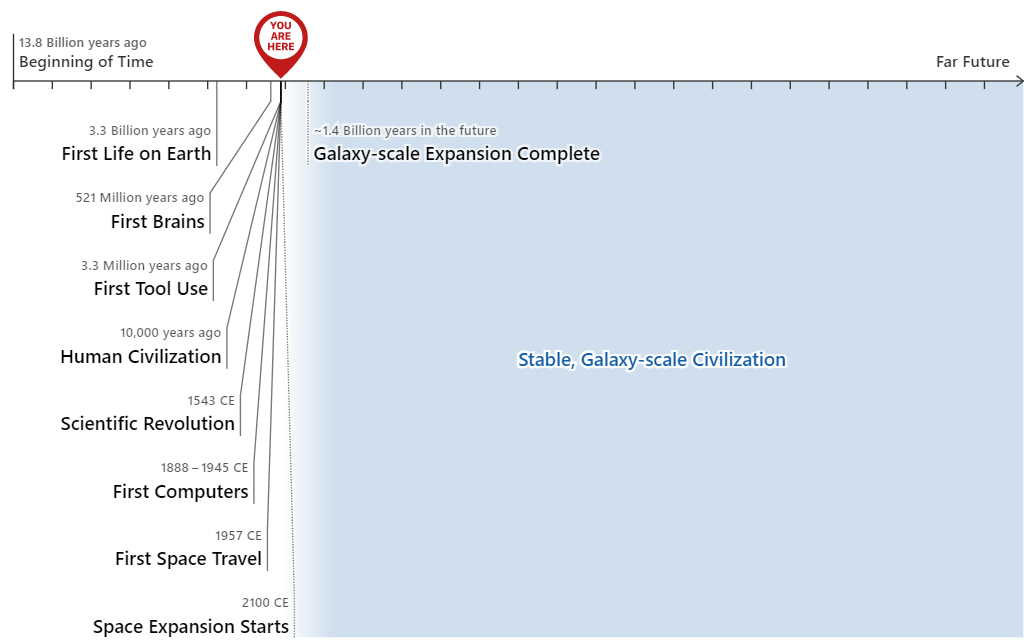
All Possible Views About Humanity's Future Are Wild
If humans will eventually spread out across the galaxy, then we are among the earliest living beings, with remarkable opportunities to shape the future
The Anthropic Hive Mind
As you’ve probably noticed, something is happening over at Anthropic. They are a spaceship that is beginning to take off.
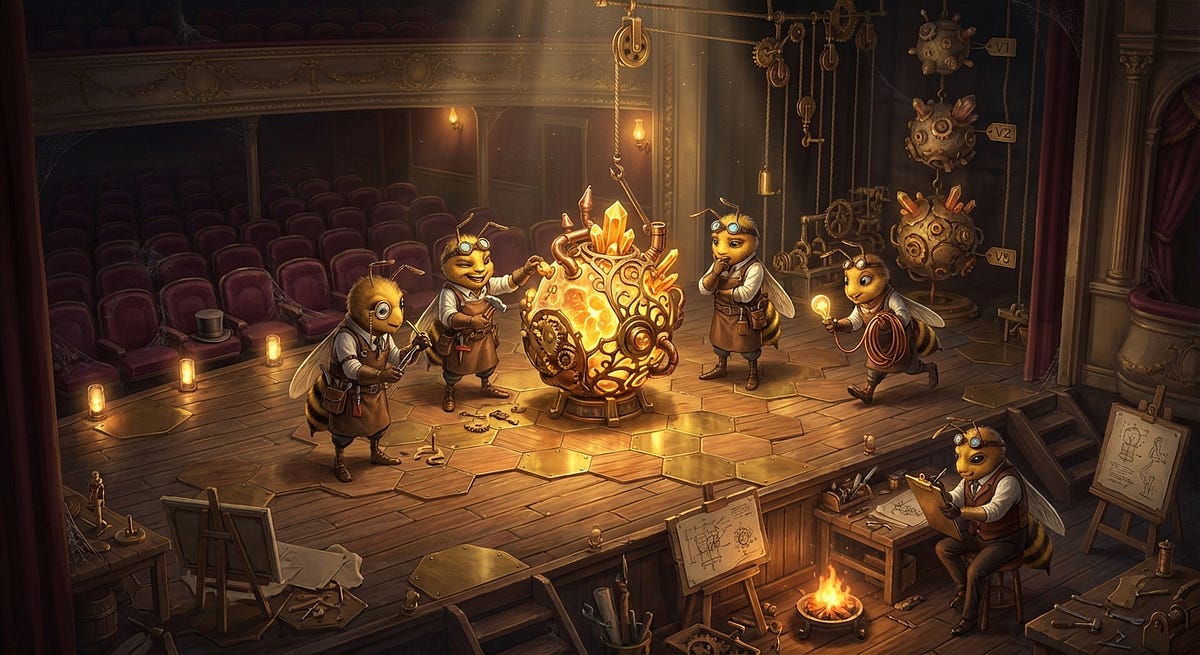
The Anthropic Hive Mind
As you’ve probably noticed, something is happening over at Anthropic. They are a spaceship that is beginning to take off.
Anthropic's Scion is heavily inspired by Mononoke · sunshowers
It is important to provide credit.