

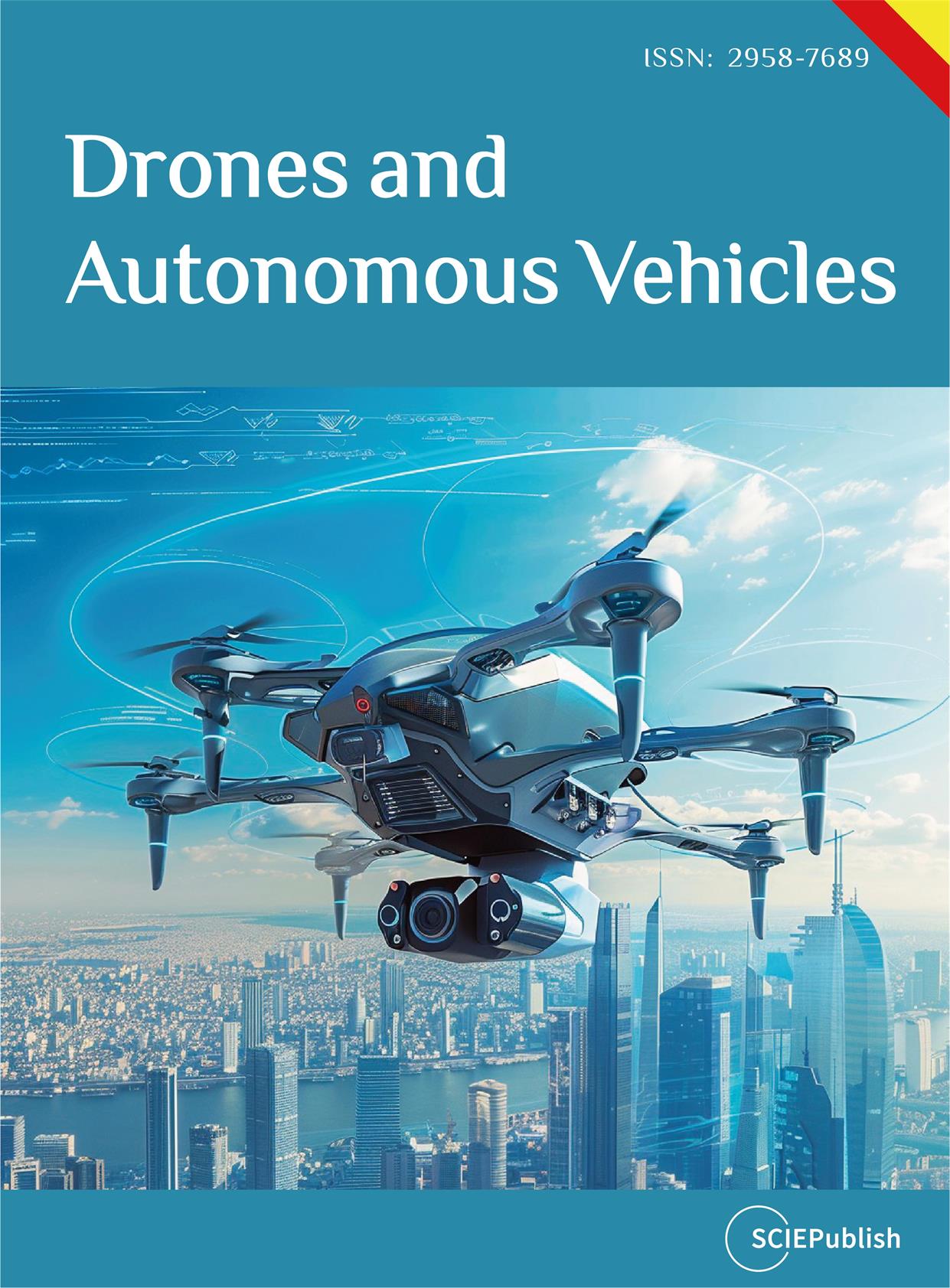
The increasing use of wireless technologies in many aspects of people’s lives has led to a congested electromagnetic spectrum, making it critical to manage the limited available spectrum as efficiently as possible. This is particularly important for military activities such as electronic warfare, where jamming is used to disrupt enemy communication, self-attacking drones, and surveillance drones. However, current detection methods used by armed personnel, such as optical sensors and Radio Detection and Ranging (RADAR), do not include Radio Frequency (RF) analysis, which is crucial for identifying the signals used to operate drones. To combat security vulnerabilities posed by the rogue or unidentified transmitters, RF transmitters should be detected not only by the available data content of broadcasts but also by the physical properties of the transmitters. This requires faster fingerprinting and identifying procedures that extend beyond the traditional hand-engineered methods. In this paper, RF data from the drones’ remote controller is identified and collected using Software Defined Radio (SDR), a radio that employs software to perform signal-processing tasks that were previously accomplished by hardware. A deep learning model is then provided to train and detect modulation strategies utilized in drone communication and a suitable jamming strategy. This paper overviews Unmanned Aerial Vehicles (UAV) neutralization, communication signals, and Deep Learning (DL) applications. It introduces an intelligent system for modulation detection and drone jamming using Software Defined Radio (SDR). DL approaches in these areas, alongside advancements in UAV neutralization techniques, present promising research opportunities. The primary objective is to integrate recent research themes in UAV neutralization, communication signals, and Machine Learning (ML) and DL applications, delivering a more efficient and effective solution for identifying and neutralizing drones. The proposed intelligent system for modulation detection and jamming of drones based on SDR, along with deep learning approaches, holds great potential for future research in this field.
Jamming and Spoofing Techniques for Drone Neutralization: An Experimental Study
This study explores the use of electronic countermeasures to disrupt communications systems in Unmanned Aerial Vehicles (UAVs), focusing on the protection of airspaces and critical infrastructures such as airports and power stations. The research aims to develop a low-cost, adaptable jamming device using Software Defined Radio (SDR) technology, targeting key UAV communication links, including geolocation, radio control, and video transmission. It applies jamming techniques that successfully disrupt UAV communications. GPS spoofing techniques were also implemented, with both static and dynamic spoofing tested to mislead the drones’ navigation systems. Dynamic spoofing, combined with no-fly zone enforcement, proved to be particularly effective in forcing drones to land or exhibit erratic behavior. The conclusions of this study highlight the effectiveness of these techniques in neutralizing unauthorized UAVs, while also identifying the need for future research in countering drones that operate on alternative frequencies, such as 4G/5G, to enhance the system’s robustness in evolving drone environments.

DroneAware Network — See Every Drone. Know Your Airspace.
Detect DJI Mavic 4 Pro, Mini 5 Pro, Matrice 4 series, Autel, Skydio & 150+ drone brands via FAA Remote ID. Free community detection network — live map, email alerts, flight history.

The ungoverned sky: Drones and the domestic extremist threat
The combination of easy accessibility and payload potential, and the limitations of domestic counter-drone systems, presents a growing challenge.
On the Horizon: The Ukraine War and the Evolving Threat of Drone Terrorism - Combating Terrorism Center at West Point
Abstract: This article analyzes the evolution of terrorist drone usage and forecasts its future trajectory in light of the tactical and technological innovations emerging from the Russo-Ukrainian War. The conflict has become a critical “innovation hub” for drone warfare, accelerating advancements in the scale, speed, and range of drone operations. These developments are not only … Continued

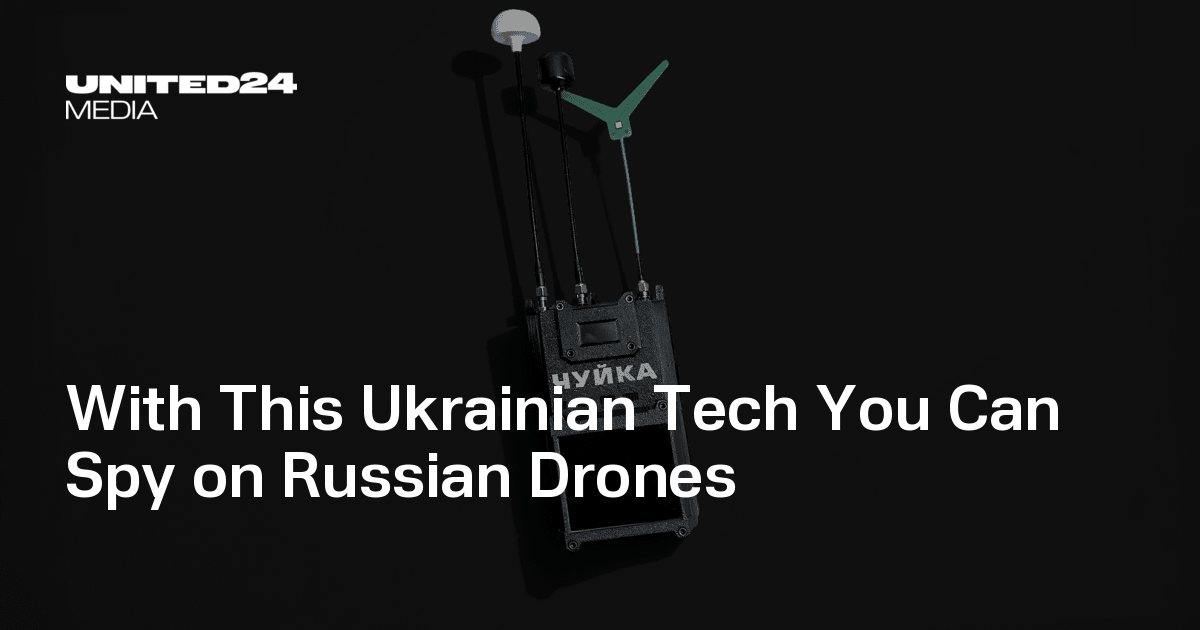
With This Ukrainian Tech You Can Spy on Russian Drones
Ukraine is using advanced, low-cost signal detectors like ZORKO and Chuika to intercept live FPV drone feeds, enhancing protection for troops.
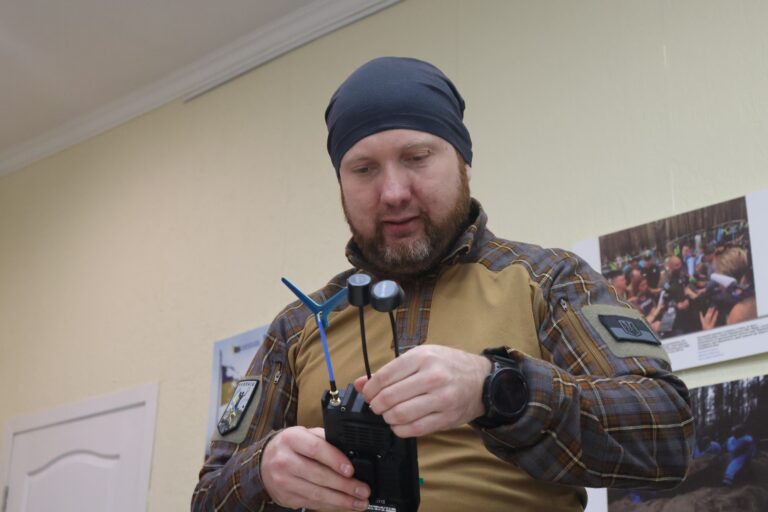
War correspondents given 5 drone detectors – NUJU and Ukrainian manufacturer’s initiative
The sharp increase in drone attacks in frontline areas creates a new, even more dangerous reality for journalists. In response to the escalation of threats
This pocket device lets police identify drones in seconds
Z-SCAN MINI is a compact drone Remote ID receiver designed specifically for law enforcement and public safety teams.

Frequently Asked Questions: International humanitarian law and the use of drones in armed conflict
The use of uncrewed vehicles in armed conflicts has grown significantly in recent years, raising humanitarian, legal, operational and security concerns. Armed remotely piloted aircraft – commonly known as “drones” – are now central to many military operations. While most drones are unarmed and used for surveillance or civilian purposes (such as disaster response, mapping or aid delivery), public debate has largely focused on armed drones and their impact on civilians.
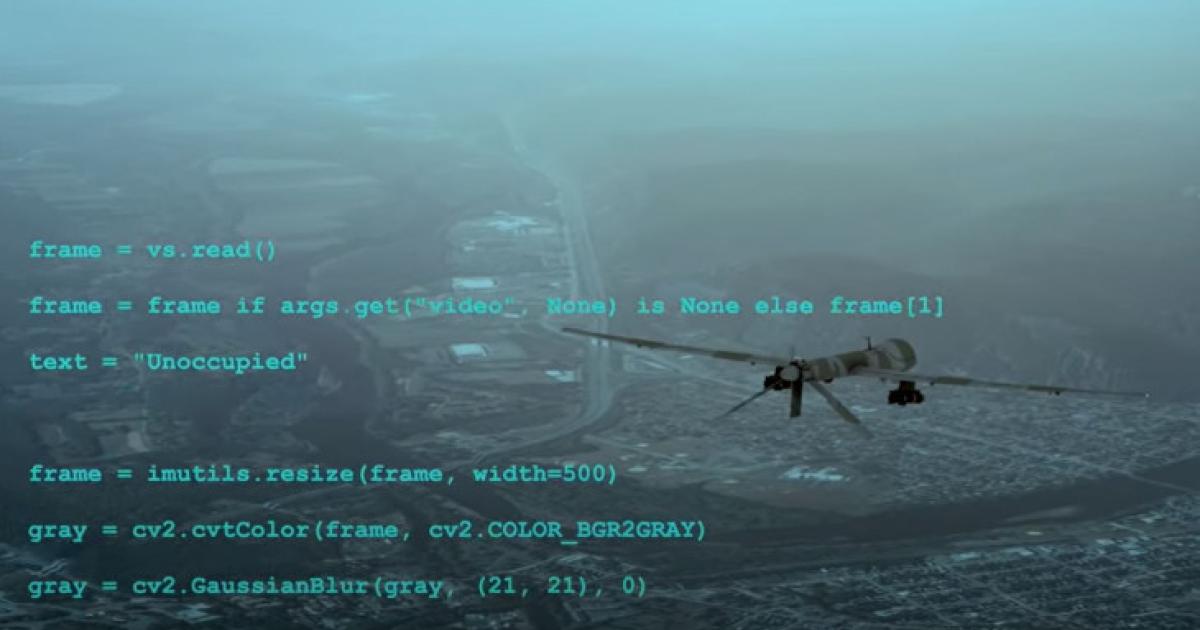
Drone Warfare in Ukraine: The Interplay of High- and Low-Tech Solutions
Autonomous Tech & Fiber-Optic Vehicles
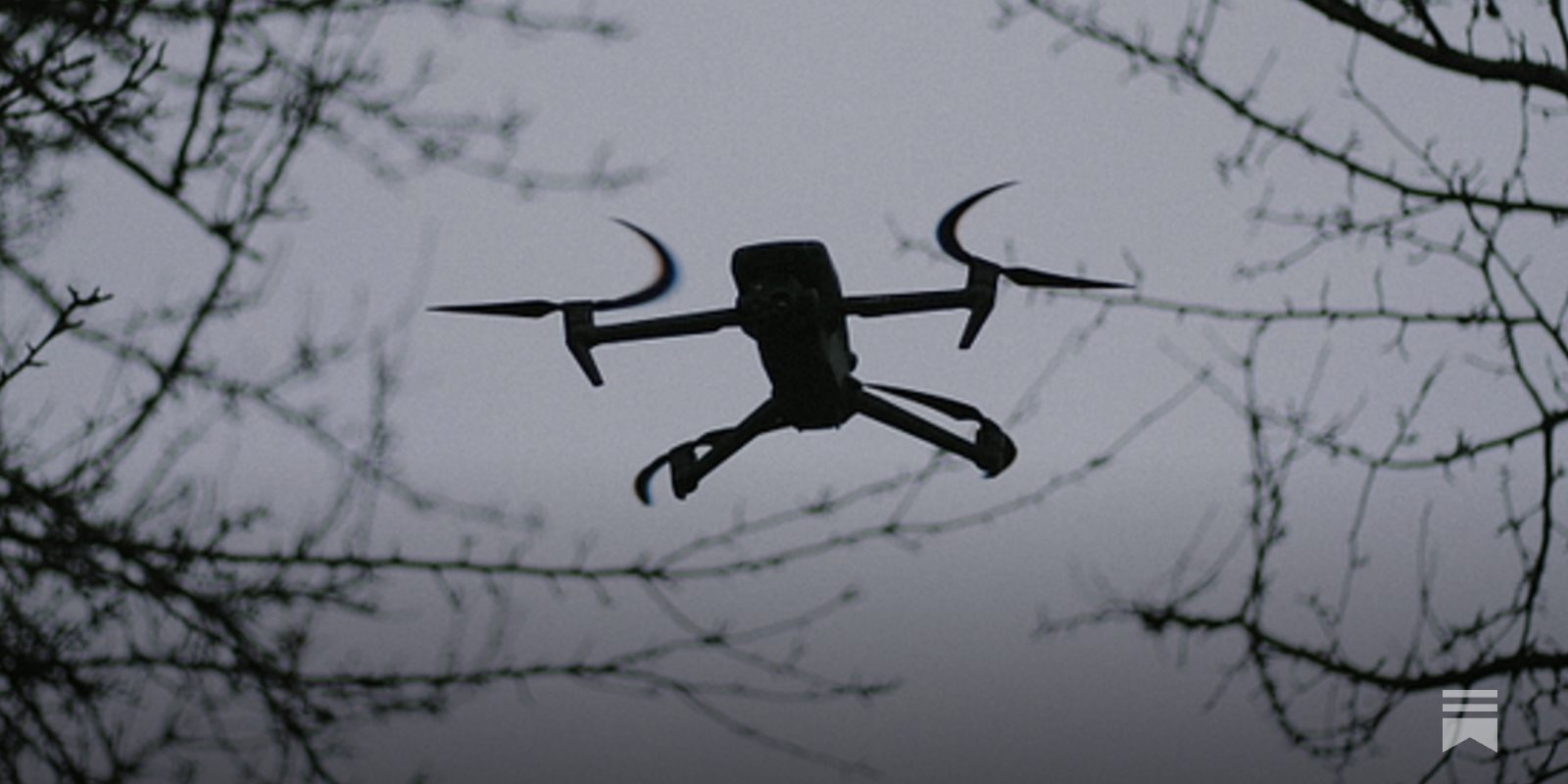
Turkish Drone Strikes: Acts of State Terrorism
Turkey is emerging as one of the leading countries in the world when it comes to using military drones, especially
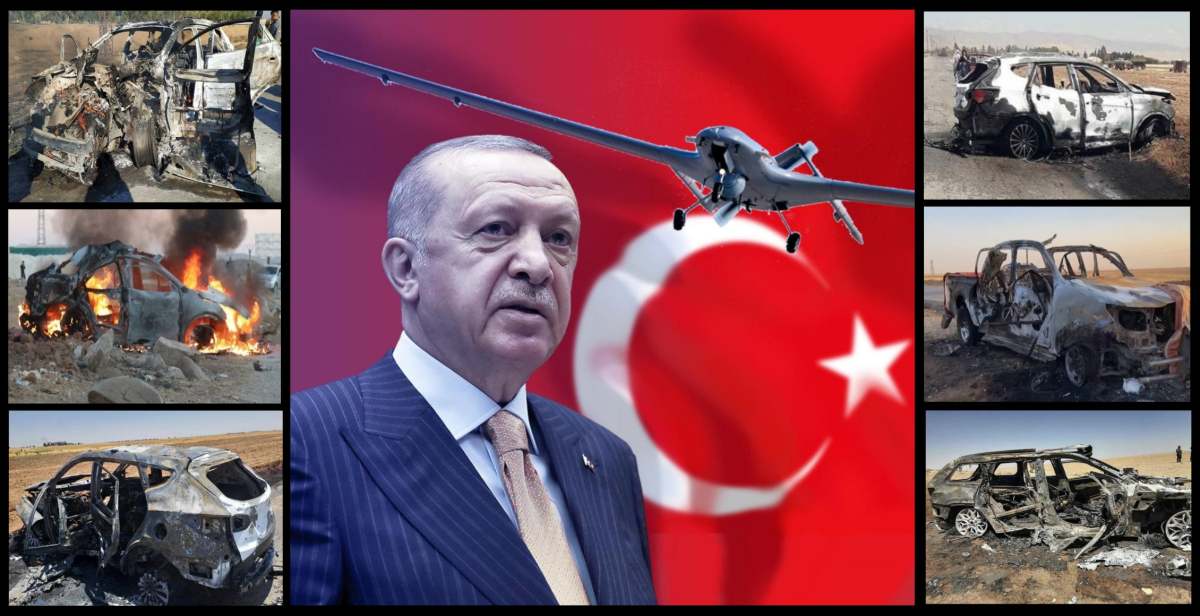
Kansas City police will use drones at World Cup 2026: Is your data at risk? | Opinion
Kansas City Police will deploy DJI drones during FIFA World Cup 2026. The FCC and Pentagon cite national security and privacy concerns. From Toriano Porter:
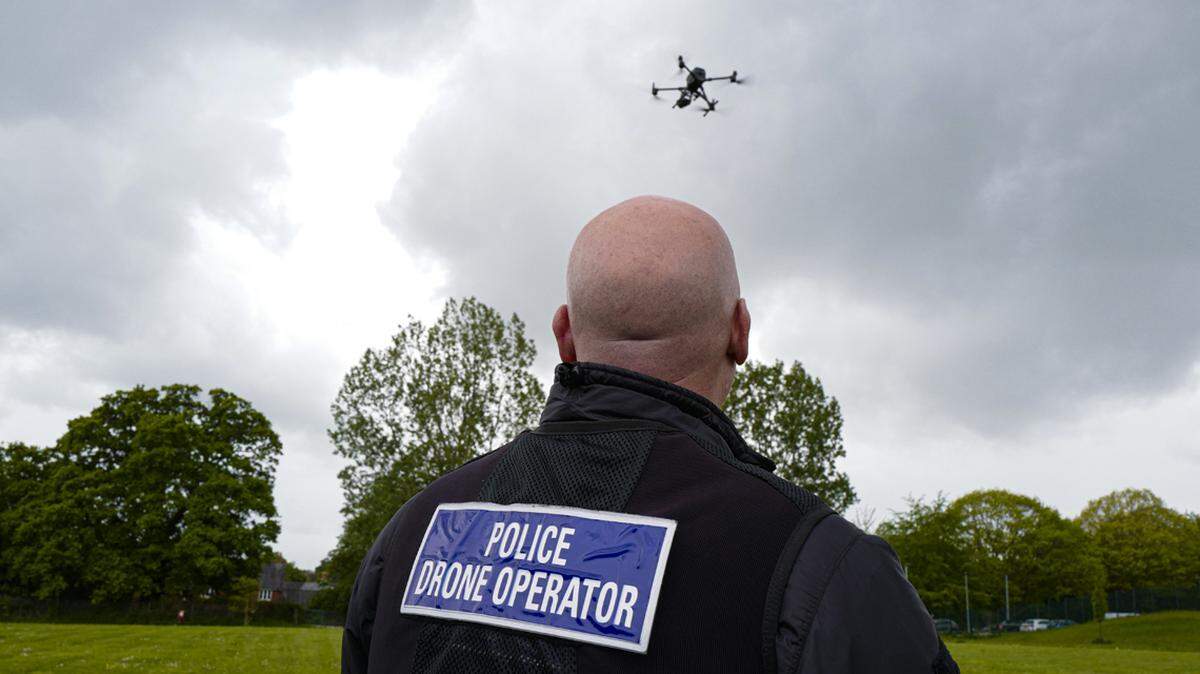
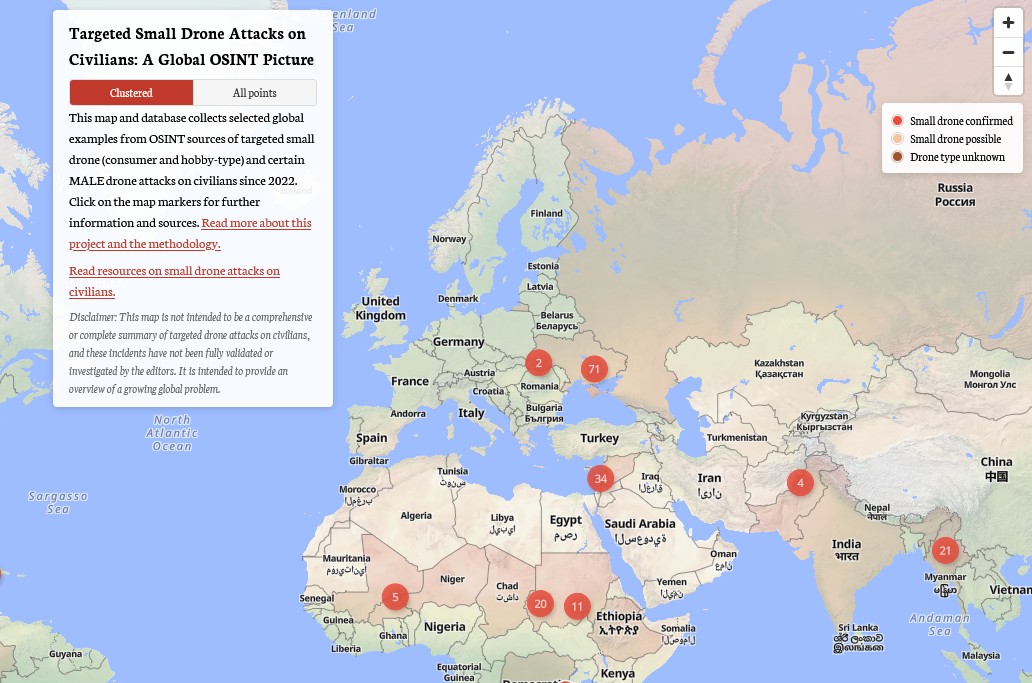
Targeted Small Drone Attacks on Civilians: A Global OSINT Picture
A global OSINT map of targeted small drone attacks on civilians since 2022.
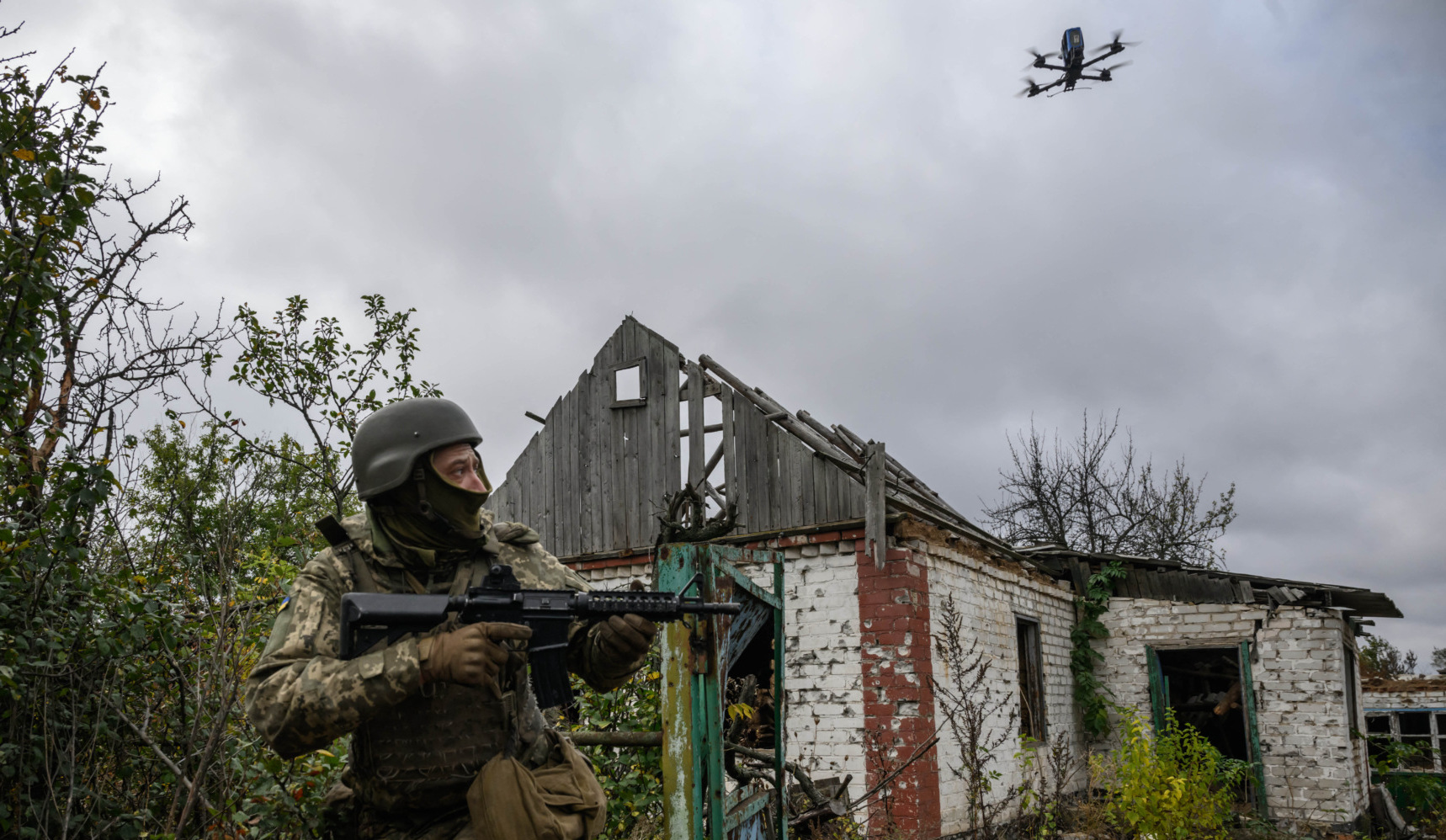
Drones are Changing How Wars Harm Civilians
Drones are rapidly changing war. Without global action, their use will lead to greater civilian harm and expand human suffering in conflict.
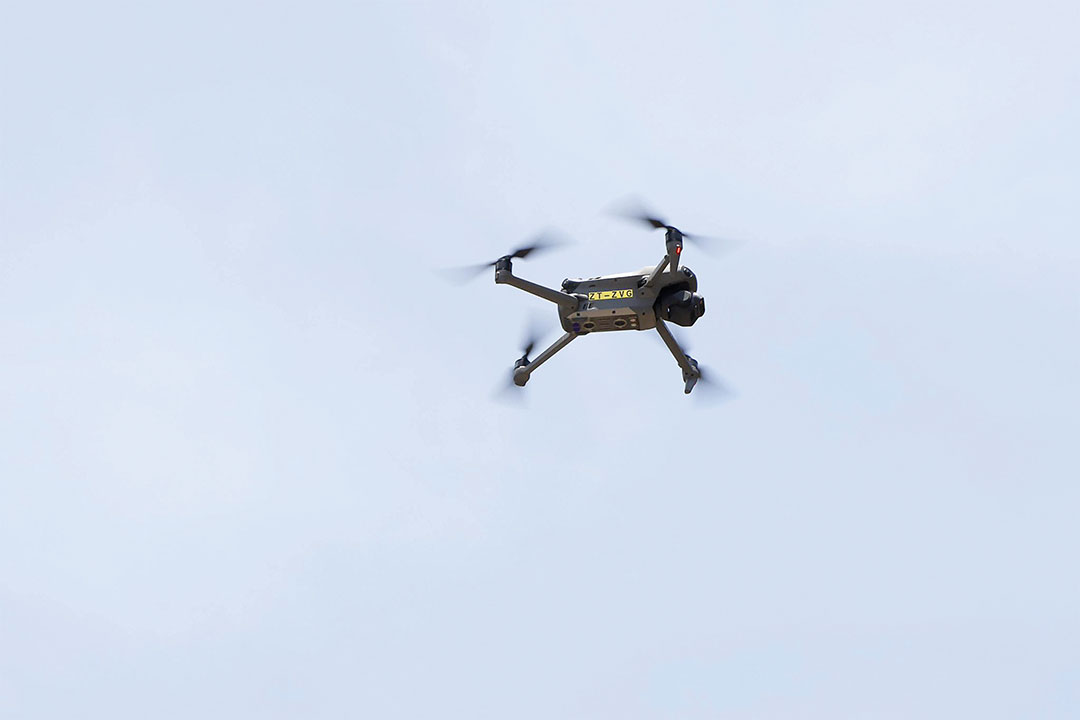
African Nations Turn to AI, Drones to Secure Borders - Africa Defense Forum
South Africa has joined Ethiopia, Kenya, Sudan and Tunisia in deploying advanced technology, such as artificial intelligence and drones, to enhance border security. South Africa’s technology upgrade includes four quadcopter drones to monitor locations known for illegal crossings. The drones can operate around the clock and use infrared cameras to track people crossing at night.
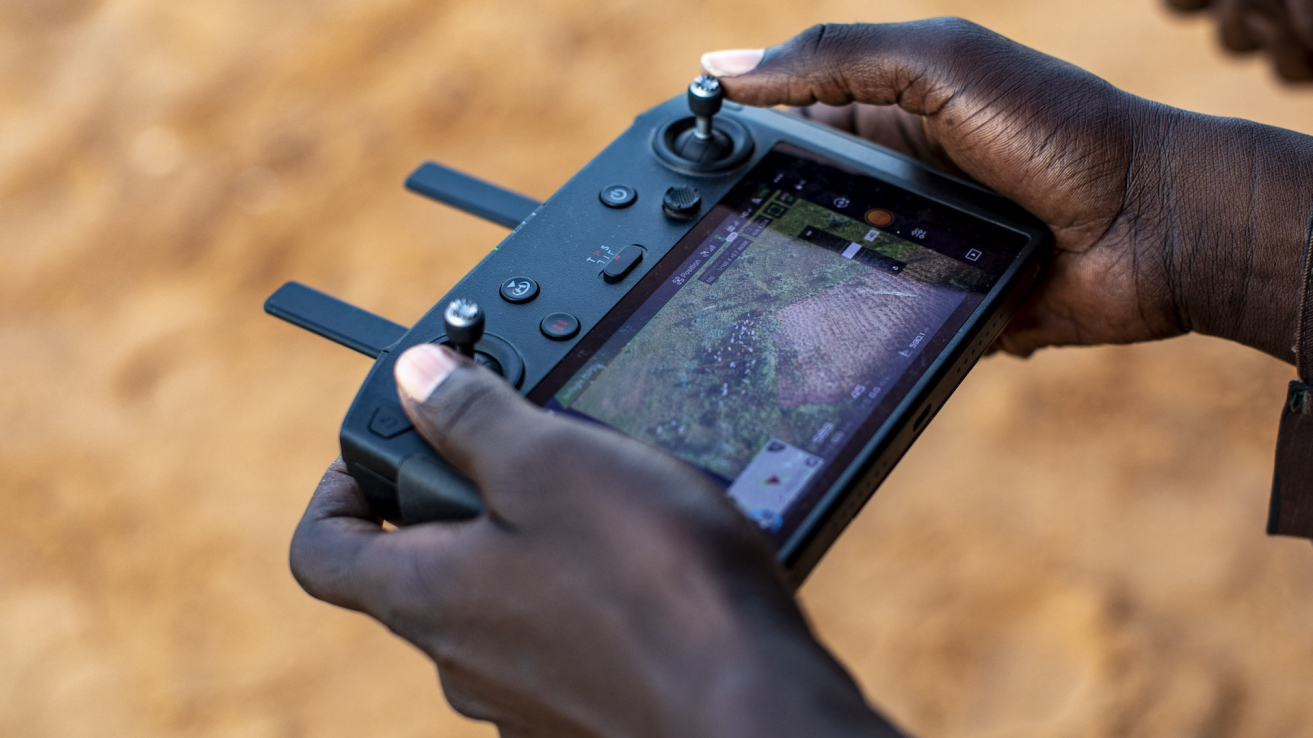
Sahel militants turn civilian drones into deadly weapons | ISS Africa
As armed groups shift away from direct confrontations with the military, commercial drones are increasingly used to carry out attacks.
Meet the radio-obsessed civilian shaping Ukraine’s drone defense
Since Russia’s invasion, Serhii “Flash” Beskrestnov has become an influential, if sometimes controversial, force—sharing expert advice and intel on the ever-evolving technology that’s taken over the skies. His work may determine the future of Ukraine, and wars far beyond it.
