


Discover trending, peer-reviewed research from 3,000+ journals — swipe, save, and connect with researchers who share your interests.
ScienceAlert : The Best in Science News And Amazing Breakthroughs
The latest science news. Publishing independent, fact-checked reporting on health, space, nature, technology, and the environment.
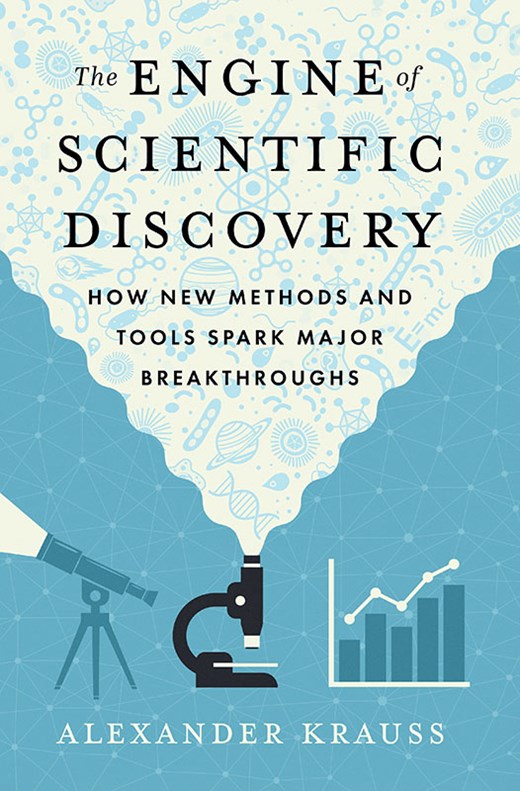
The Engine of Scientific Discovery: How New Methods and Tools Spark Major Breakthroughs
Abstract. How do we spark new scientific discoveries? Why do some breakthroughs seem even accidental? And most importantly, how can we accelerate them and
Scimeto - Automated Manuscript Integrity Checker
Upload your academic manuscript and get instant analysis of citations, references, statistics, retractions, and more. 21 plugins, 9 citation styles, free for researchers.
Why SCI PHI, why now?
At a critical inflection point for science, we're launching an editorial project to explore how visionary philanthropy enables the breakthrough science that will define the 21st century.

Science Works on Twitter / X
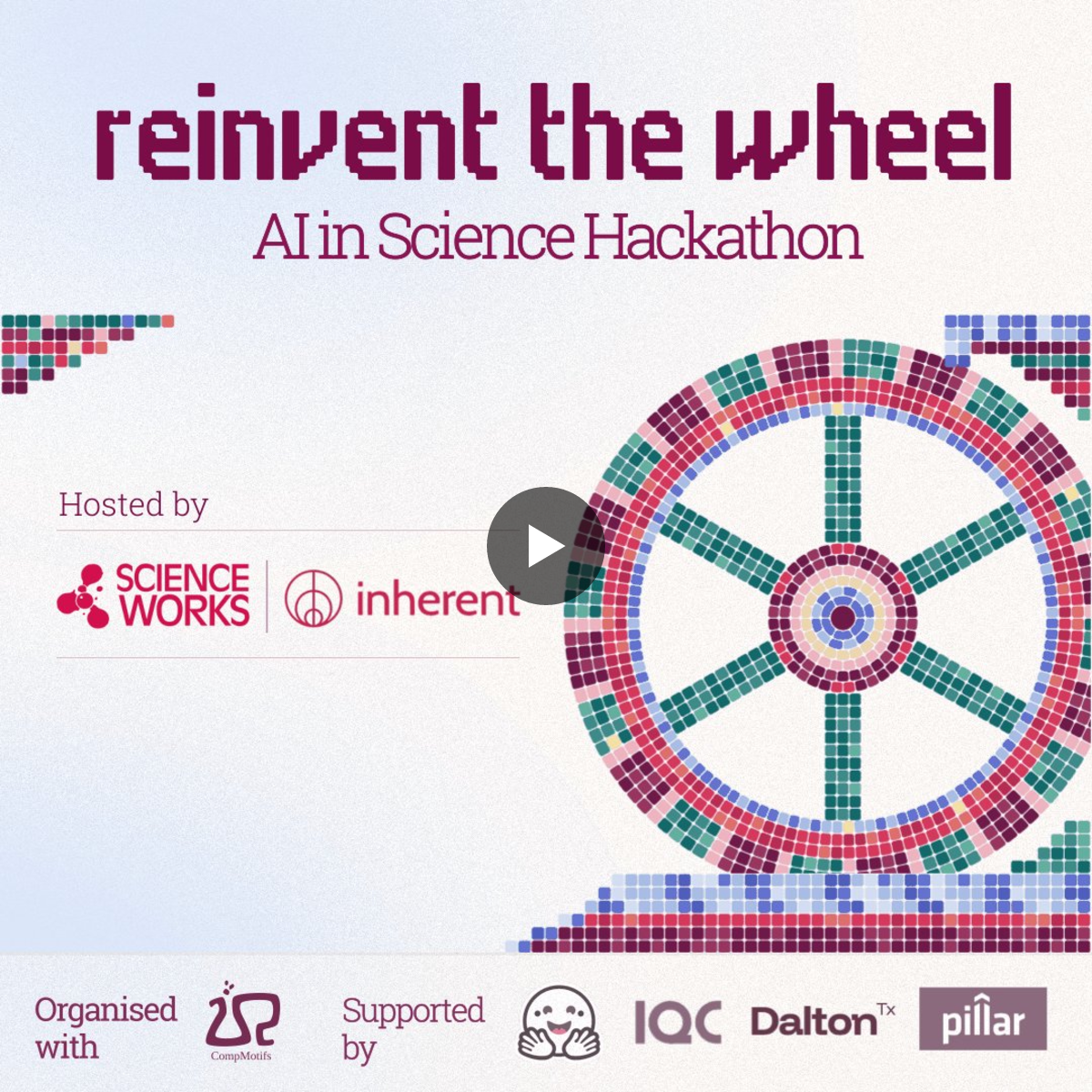
London AI × Science Hackathon 👾Science Works × @inherent_labs • Oct 16-18Lots of scientific software is outdated, hard to use, and isn't interoperable – let alone making use of (or ready to interface with) AI.Or it's expensive. Join us to build better for the community pic.twitter.com/42Qq528DDw— Science Works (@sci_works) September 30, 2026
Science News, Educational Articles, Expert Opinion | The Scientist
The Scientist offers independent, award-winning science journalism, covering the latest life science research, insights, and innovations.

Science News, Educational Articles, Expert Opinion | The Scientist
The Scientist offers independent, award-winning science journalism, covering the latest life science research, insights, and innovations.
Science News, Educational Articles, Expert Opinion | The Scientist
The Scientist offers independent, award-winning science journalism, covering the latest life science research, insights, and innovations.
On open-science research labs on discord and online , and getting more people.
The Scientific Contribution Graph: Automated Literature-based Technological Roadmapping at Scale
Sir Isaac Newton famously wrote, “If I have seen further, it is by standing on the shoulders of giants”. Scientific contributions are rarely developed in isolation, but build upon prior contributions, such as problem framings, experimental methods, and empirical findings. Understanding these prerequisite relationships is important for studying scientific progress, and for automated scientific discovery systems that must reason about which existing capabilities can be used to develop new ones (e.g. Lu et al., 2024; Jansen et al., 2025b; Baek et al., 2025).
The Discovery Engine: A Framework for AI-Driven Synthesis and Navigation of Scientific Knowledge Landscapes
Scientific progress relies on the effective accumulation, synthesis, and critical evaluation of knowledge. Traditionally, the well-documented, peer reviewed publication served as the primary standard for filtering and disseminating credible findings within the scientific community. Recently, however, we are witnessing an unprecedented acceleration in research output, a veritable explosion of scientific publications across all disciplines [1]. Yet, this very abundance creates a paradox: the sheer volume threatens to overwhelm the mechanisms designed for its assimilation and synthesis. Researchers, even within highly specialized subfields, face an almost insurmountable challenge in keeping abreast of relevant developments, integrating disparate findings, and identifying the truly novel signals amidst the noise [2]. This information overload contributes to disciplinary fragmentation, hindering the cross-pollination of ideas essential for disruptive innovation [3]. Furthermore, persistent concerns regarding "reproducibility crisis" [2], predatory journals, inflation of research areas[4], growing retractions and the potential influences of bibliometrics on research direction [5] highlight systemic challenges in validating and prioritizing scientific contributions to fundamental knowledge.
Linking the world's research to the code it runs on - OpenAlex blog
Research relies on software. Software written by scientists, for science, runs through the entire modern research stack: NumPy and SciPy, R and ggplot2, Jupyter, BLAST, ImageJ, AlphaFold. Yet in the scholarly record, that software is nearly invisible. Software is not usually cited formally in publications and is usually just mentioned in the text, which means […]

Plaudit — How to Give More Than One Like to a Scientific Article | Challenges and Issues of Modern Science
Is it possible to give more than one like on Facebook, Instagram, LinkedIn, and other social networks? Have you ever wanted, just once, to “like with both hands”? If so — your wish has come true on the platform of our journal Challenges and Issues of Modern Science.
AI for Research | Scite
Scite searches 280M+ scholarly articles to give you citation-backed answers and show you how every claim is supported or disputed.
Open Science Retreat 2027 - REWIRE Edition
New to Open Science or already an open science champion? Researcher or research support professional? You're all welcome! Curious about computational reproducibility? Join us to explore what it takes to rerun an analysis and reproduce the same results. Looking for a week of fresh ideas, renewed energy and inspiration? Come join us! AN UNCONFERENCE FOR THE OPEN SCIENCE COMMUNITY The Open Science Retreat is a week dedicated to scientific discussions and reflection, getting work done, making...

Sensemaking Networks: Transforming Social Media into a Sensemaking Layer for Science | Ronen Tamari
Sensemaking Networks is a project aiming to address three interrelated limitations of the current science publishing and communication infrastructure: (1) poor reach and feedback, (2) knowledge fragmentation, and (3) rigid formats. To address these issues, Sensemaking Networks combine two promising trends in science publishing and communication: science social media and semantic nanopublishing. While science social media significantly impacts scientific processes and public engagement, it lacks formal recognition and accessibility. On the other hand, nanopublications offer the benefits of formal scientific publishing and machine-readable knowledge representation. Their integration represents a promising direction that could serve as a transformative sensemaking layer for science, enhancing the collective synthesis, dissemination, and evaluation of research.
