


It’s common and correct to say that “all code is technical debt”. Adding code is a necessary evil for developing new features: you almost always have to do it, but each line of code adds to the complexity and maintenance burden of the system. All future changes to the system have to work with the existing code, or at least avoid breaking it. Once systems accumulate enough code, they become impossible for a single person to understand: instead of reading the code and understanding what it does, you must rely on guesses, theories and heuristics1. Sensible engineers write as little code as possible.
How Generative and Agentic AI Shift Concern from Technical Debt to Cognitive Debt
The term technical debt is often used to refer to the accumulation of design or implementation choices that later make the software harder and more costly to understand, modify, or extend over time...

Comprehension Debt - the hidden cost of AI generated code.
Comprehension debt is the hidden cost to human intelligence and memory resulting from excessive reliance on AI and automation. For engineers, it applies most to agentic engineering.
We should rethink how we teach people to code | deadSimpleTech
It's fair to say that the tech industry at the moment is not in a good place. Software engineers tend to be detached, demotivated and unwilling to care much about the work they're doing beyond their paycheck. Code quality is poor on the whole, made worse by the current spate of vibe coding and whatever other febrile ideas come out of Sam Altman's brain. Much of the software that we write is either useless or actively hurts people. And the talented, creative people that we most need in the industry are pushed to the margins of it.


The 80% Problem in Agentic Coding
Managing comprehension debt when leaning on AI to code

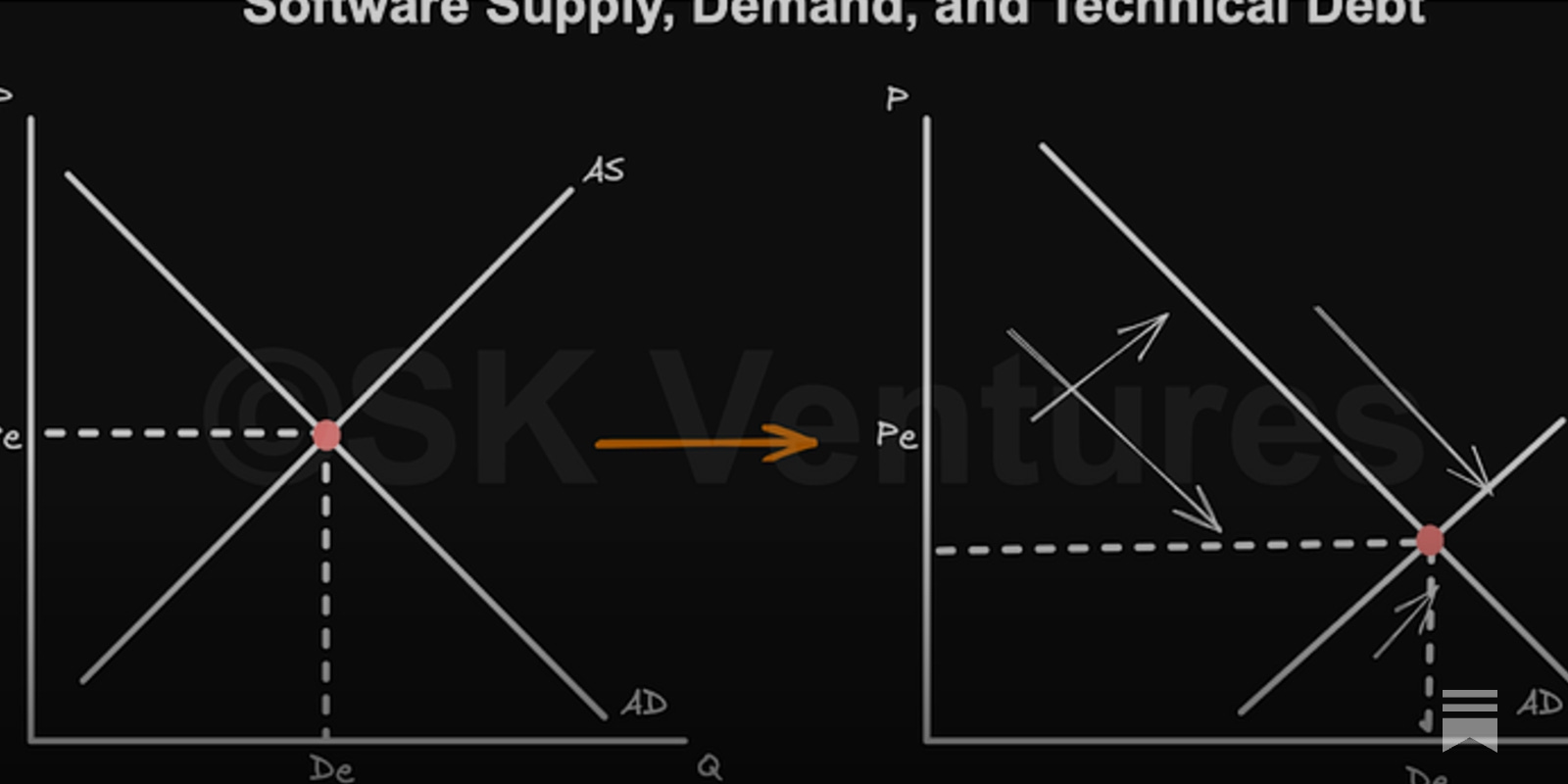
You’re Not Taking On Enough Tech Debt
TL;DR - The cost of servicing technical debt is plummeting because of LLMs; assuming coding models keep improving. You're better off taking more technical de...

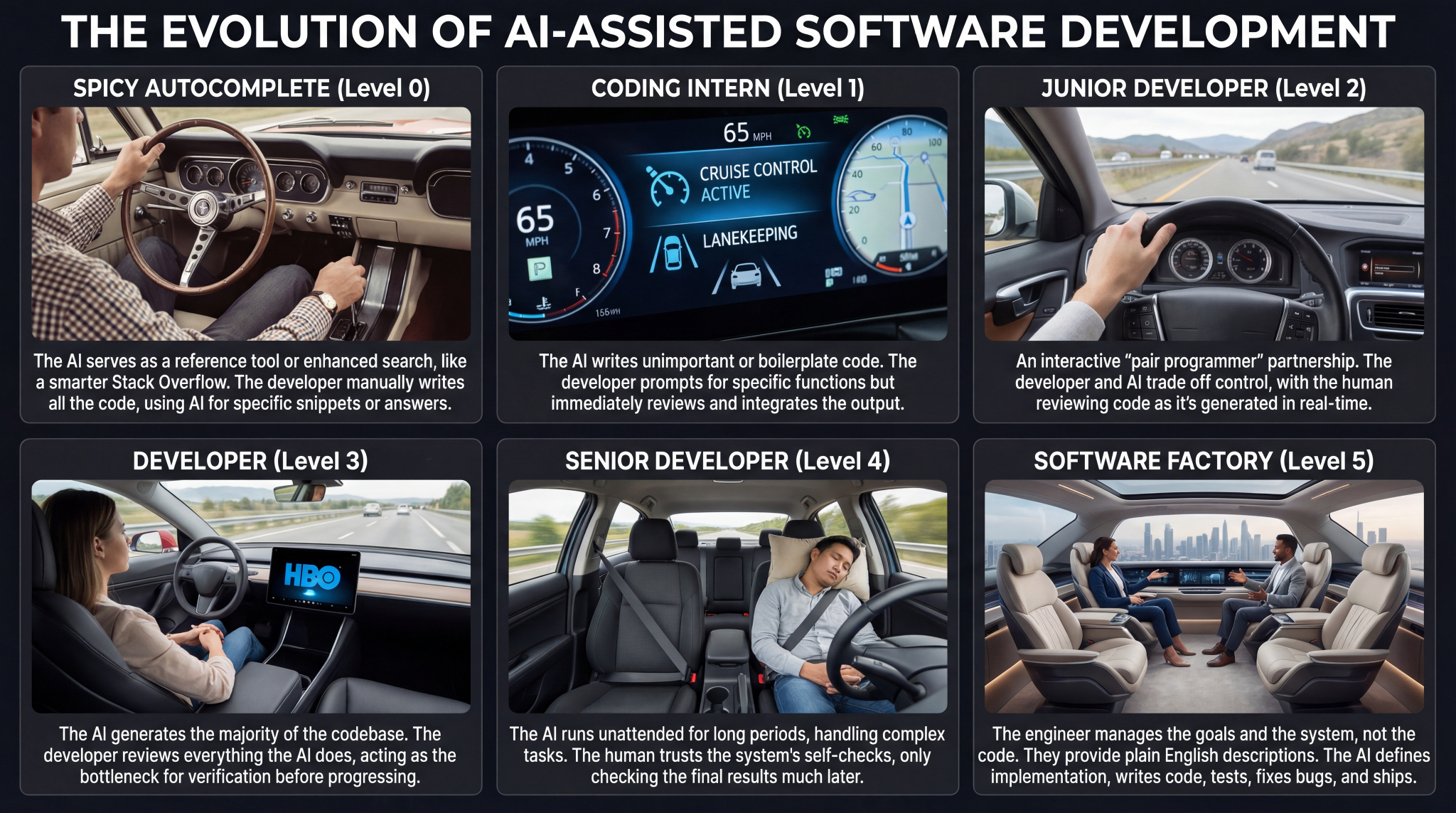
The Five Levels: from Spicy Autocomplete to the Dark Factory – Dan Shapiro's Blog
In my last post, I wrote about technical deflation. We’re seeing the cost of code is dropping so fast that we need to change our tech debt payment plans. The smart teams…
Prompt Engineering Guide – Nextra
A Comprehensive Overview of Prompt Engineering
Usage, Effects and Requirements for AI Coding Assistants in the Enterprise: An Empirical Study
The rise of large language models (LLMs) has accelerated the development of automated techniques and tools for supporting various software engineering tasks, e.g., program understanding, code generation, software testing, and program repair. As CodeLLMs are being employed toward automating these tasks, one question that arises, especially in enterprise settings, is whether these coding assistants and the code LLMs that power them are ready for real-world projects and enterprise use cases, and how do they impact the existing software engineering process and user experience. In this paper we survey 57 developers from different domains and with varying software engineering skill about their experience with AI coding assistants and CodeLLMs. We also reviewed 35 user surveys on the usage, experience and expectations of professionals and students using AI coding assistants and CodeLLMs. Based on our study findings and analysis of existing surveys, we discuss the requirements for AI-powered coding assistants.

Code Is Cheap Now, And That Changes Everything | Pere Villega
AI coding agents have made code production nearly free. Drawing on insights from Kent Beck, Paul Ford, and Simon Willison, this post argues that the value has shifted from writing code to defining systems — contracts, invariants, SLAs, and verification.

The developer’s dilemma
When it comes to making money, software developers are an odd bunch. Developers produce code, and code is in high demand. At a glance, it…
Research Debt
Science is a human activity. When we fail to distill and explain research, we accumulate a kind of debt...

The Bulk of Software Engineering is Just Plumbing
I read a post online recently about how some software engineer was asked to complete a technically complex, jargon-filled coding challenge over the...

