


Google is apparently struggling to contain a spam attack that's been ongoing for days
AI spam is winning the battle against search engine quality
'Not all AI content is spam, but I think right now all spam is AI content'

Google Search Really Has Gotten Worse, Researchers Find
"The majority of high-ranking product reviews in the result pages of commercial search engines use affiliate marketing, and significant amounts are outright SEO product review spam."

Browsing your website does not mean I want your spam
I recently fell down a deep dark hole on the internet.

FBI disrupts massive AI-powered phishing service using a million URLs
In a coordinated effort, the FBI, working with Google and Black Lotus Labs, has dismantled a massive Chinese phishing-as-a-service operation called Outsider Enterprise with thousands of phishing websites used to steal credit card data and passwords.

The Brazilianization of the Internet
Spam filters don't help you when you're the spam

Google is its own worst enemy
In its bid to push AI, it’s destroying its products and trying to kill the web too

Less than Half of Google Searches Now Result in a Click - SparkToro
We've passed a milestone in Google's evolution from search engine to walled-garden. In June of 2019, for the first time, a majority of all browser-based

Is Google Getting Worse? A Longitudinal Investigation of SEO Spam in Search Engines
Many users of web search engines have been complaining in recent years about the supposedly decreasing quality of search results. This is often attributed to an increasing amount of search-engine-optimized but low-quality content. Evidence for this has always been anecdotal, yet it’s not unreasonable to think that popular online marketing strategies such as affiliate marketing incentivize the mass production of such content to maximize clicks. Since neither this complaint nor affiliate marketing as such have received much attention from the IR community, we hereby lay the groundwork by conducting an in-depth exploratory study of how affiliate content affects today’s search engines. We monitored Google, Bing and DuckDuckGo for a year on 7,392 product review queries. Our findings suggest that all search engines have significant problems with highly optimized (affiliate) content—more than is representative for the entire web according to a baseline retrieval system on the ClueWeb22. Focussing on the product review genre, we find that only a small portion of product reviews on the web uses affiliate marketing, but the majority of all search results do. Of all affiliate networks, Amazon Associates is by far the most popular. We further observe an inverse relationship between affiliate marketing use and content complexity, and that all search engines fall victim to large-scale affiliate link spam campaigns. However, we also notice that the line between benign content and spam in the form of content and link farms becomes increasingly blurry—a situation that will surely worsen in the wake of generative AI. We conclude that dynamic adversarial spam in the form of low-quality, mass-produced commercial content deserves more attention. (Code and data: https://github.com/webis-de/ECIR-24).

Is Google Getting Worse? A Longitudinal Investigation of SEO Spam in Search Engines
Many users of web search engines have been complaining in recent years about the supposedly decreasing quality of search results. This is often attributed to an increasing amount of search-engine-optimized but low-quality content. Evidence for this has always been anecdotal, yet it’s not unreasonable to think that popular online marketing strategies such as affiliate marketing incentivize the mass production of such content to maximize clicks. Since neither this complaint nor affiliate marketing as such have received much attention from the IR community, we hereby lay the groundwork by conducting an in-depth exploratory study of how affiliate content affects today’s search engines. We monitored Google, Bing and DuckDuckGo for a year on 7,392 product review queries. Our findings suggest that all search engines have significant problems with highly optimized (affiliate) content—more than is representative for the entire web according to a baseline retrieval system on the ClueWeb22. Focussing on the product review genre, we find that only a small portion of product reviews on the web uses affiliate marketing, but the majority of all search results do. Of all affiliate networks, Amazon Associates is by far the most popular. We further observe an inverse relationship between affiliate marketing use and content complexity, and that all search engines fall victim to large-scale affiliate link spam campaigns. However, we also notice that the line between benign content and spam in the form of content and link farms becomes increasingly blurry—a situation that will surely worsen in the wake of generative AI. We conclude that dynamic adversarial spam in the form of low-quality, mass-produced commercial content deserves more attention. (Code and data: https://github.com/webis-de/ECIR-24).
LinkedIn and X Are Flooded With AI Spam, Browsing Data Suggests
An AI detection company found that amount of AI content that users actually see in their day-to-day browsing is shockingly high.

Google Faces New EU Antitrust Probe Over Search Ad Pricing Practices
Google, the target for billions of euros in European Union antitrust fines, has been hit by a fresh EU probe over concerns it’s illegally rigging the cost of advertising on its search engine.

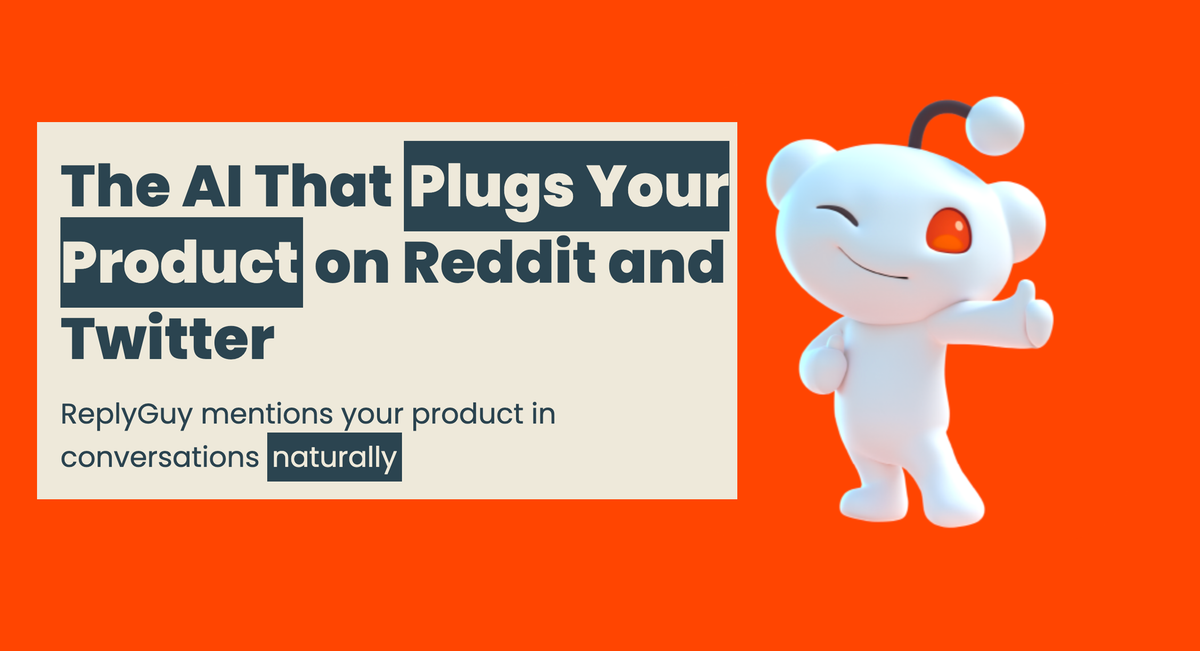
AI Is Poisoning Reddit to Promote Products and Game Google With 'Parasite SEO'
A market for manipulating Reddit using AI have emerged.
The Worst Spam Emails: Inside iLands' AI Agent Hustle
iLands, a new AI agent-centric startup, is spamming creatives like me numerous times a day. What do its agents want? My job. Why? They need to buy more tokens.
The new Security Checkup
Take 2 minutes to check your security status and get personalized tips to strengthen the security of your Google Account.
The Case Against Google (Published 2018)
Critics say the search giant is squelching competition before it begins. Should the government step in?

