

reimagining civilizationwith floating cities Seasteading means building floating societies with significant political autonomy. Nearly half the world’s surface is unclaimed by any nation-state, and many coastal nations can legislate seasteads in their territorial waters.
America still has a heartland, it’s just an artificial one | Aeon Essays
The cosy coastal world of pretend farmers’ markets bears no resemblance to the actual back end of America
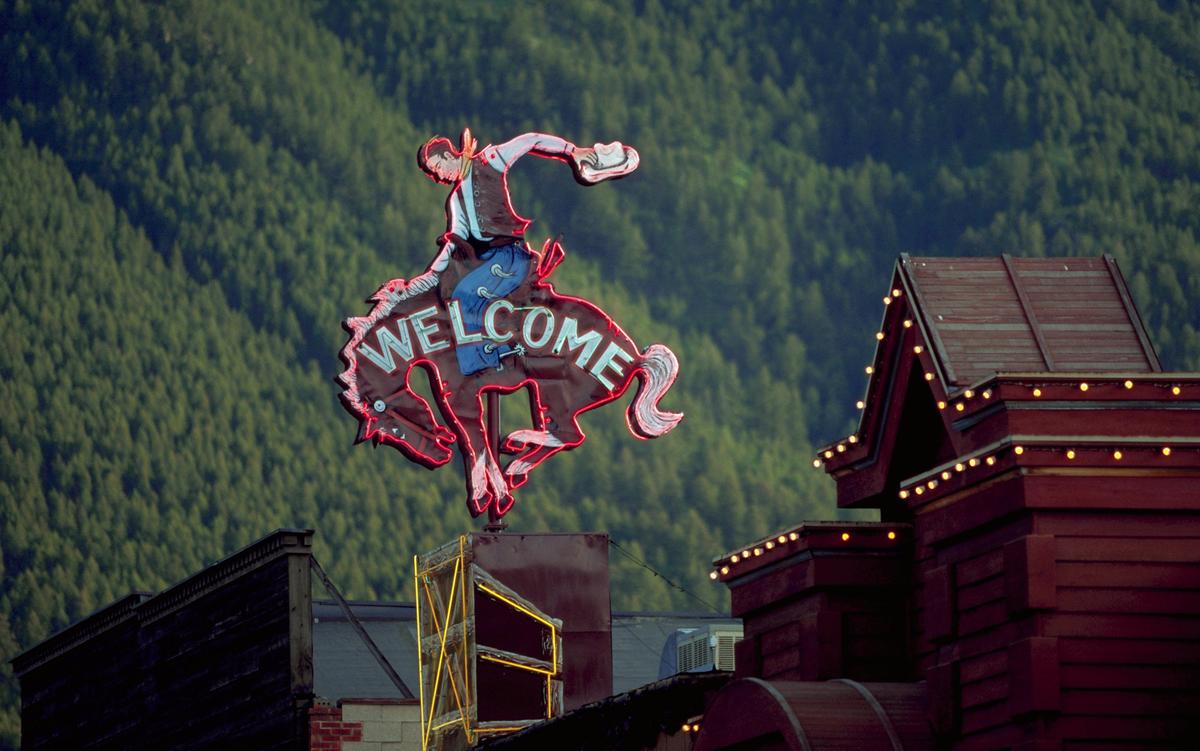
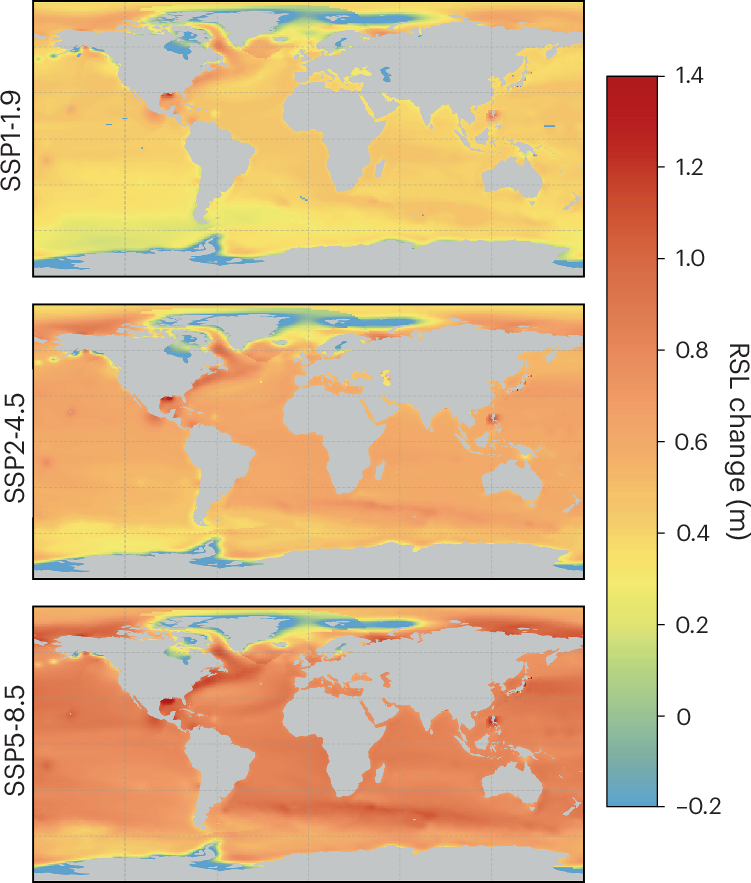
Climate-driven depopulation and adaptation realities in America’s coastal ground zero
With global temperatures poised to exceed the 1.5 °C Paris Agreement threshold—a level that triggered substantial ice-sheet collapse during the Last Interglacial—low-elevation coastal zones face sea-level commitments far beyond current planning horizons. With this geological frame of reference, we examine the impact of sea-level rise on what may be the most physically vulnerable coastal zone in the world using prehistoric and contemporary patterns of human mobility. We highlight the positive aspects of the recently commenced out-migration in this region and argue that the fate of communities landwards of this coastal zone will be decided in the next few decades.
The Seas Will Save Us: How an Army of Ocean Farmers are Starting an Economic Revolution
I’m a fisherman who dropped out of high school in 1986 at the age of 14. Over my lifetime, I’ve spent many nights in jail. I’m an…

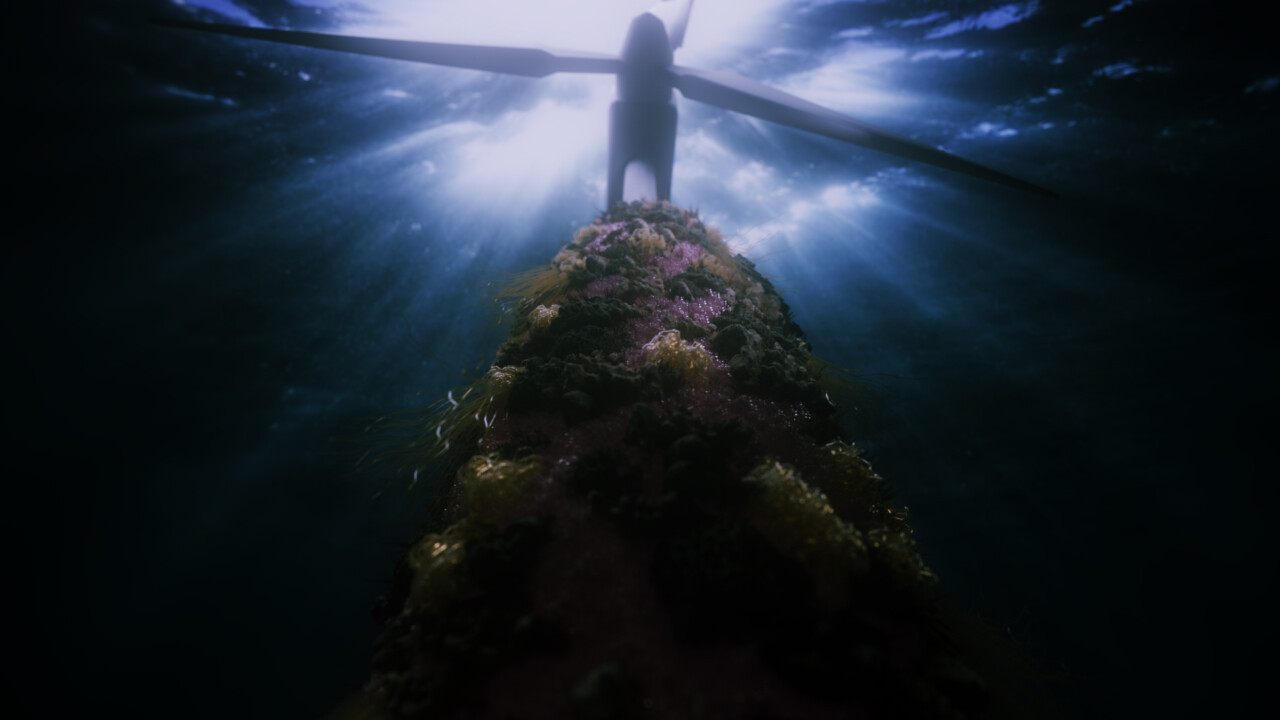
The Sea Life Making a Home in Offshore Wind Farms | Atmos
Offshore wind farms can pose risks to birds and marine life. But their foundations also serve as artificial reefs, offering essential habit.
An underwater mystery on Canada's coast
Tens of thousands of wooden stakes poking up from British Columbia's shoreline have smashed a long-held stereotype of Canada's First Nation people.

The Map Is Not the Territory
The map is not the territory reminds us that our mental models of the world are not the same as the world itself. It cautions against confusing our abstractions and representations with the complex, ever-shifting reality they aim to describe.

Hawaii’s Beaches Are Disappearing
Major islands have lost nearly a quarter of their beaches in the last century. The culprit? Seawalls and other barriers erected by wealthy homeowners.

The Water’s Edge: Empire, Race, and the Global History of Oakland, California, 1848-1980
Author(s): Klein, Andrew Nelson Carver | Advisor(s): Kelley, Robin D.G. | Abstract: This dissertation explores historical intersections between capitalism, race-making, environmental change, and U.S. foreign relations from the vantage of Oakland’s waterfront. It tracks the evolution of this geostrategic coastline since it emerged as a coal-powered nexus of railroads, steamships, and military installations during American colonization. Revising the story of Oakland’s development from a global perspective, my project documents how local boosters, businessmen, and bureaucrats forged intimate ties with far-flung territories administered by U.S. troops and landowners. Combining social and environmental history with methods from Black studies, I map the transformation of Oakland’s fertile estuary into an infilled hub of postindustrial commerce, a vital node of military logistics, and a focal point for racialized labor migration. Simultaneously, this dissertation reveals how, over the long twentieth century, Black, Indigenous, Chinese, and other working-class Oaklanders found footholds on the harbor, often repurposing its imperial routes for dramatically different ends. Drawing on archives and oral histories in Cuba, Hawai‘i, and across the continental United States, I trace Oakland’s tradition of radical internationalism, most visible in the antiwar and Black Power movements of the sixties, to multi-generational struggles over the governance of coastal land. I argue that Oakland’s waterfront both bridged the continental and overseas expansion of an ascendant world power and came to serve as a proving ground for alternative forms of globalization. “The Water’s Edge” therefore offers a critical reappraisal of the generally place-bound history of North American urbanism and far-reaching lessons for building just cities in a present defined by global environmental crises.

From Steampunk to Solarpunk
For awhile now, I’ve had the thought that an economy based on renewable energy might return to using sailing ships as working cargo ships. Apparently some other people had the same thought, a…

How ordinary ship traffic could help map the uncharted Arctic Ocean seafloor - ArcticToday
Throughout world, the ocean floor’s details remain largely a mystery; less than 10 percent has been mapped using modern sonar technology. Even in the United States, which has some of the best maritime maps in the world, only one-third of the ocean and coastal waters have been mapped to modern standards. Access to content from...

The Coral Reef of Humanity Encircling the Rapacious Pirate Vessels of Commerce
How to think about what unions do.

Farming and Rural Affairs - One Nation Victoria
Water for farmers who irrigate, not speculators. Farmland protected from industrial energy projects, local timber backed, Labor's fisheries job cuts reversed.
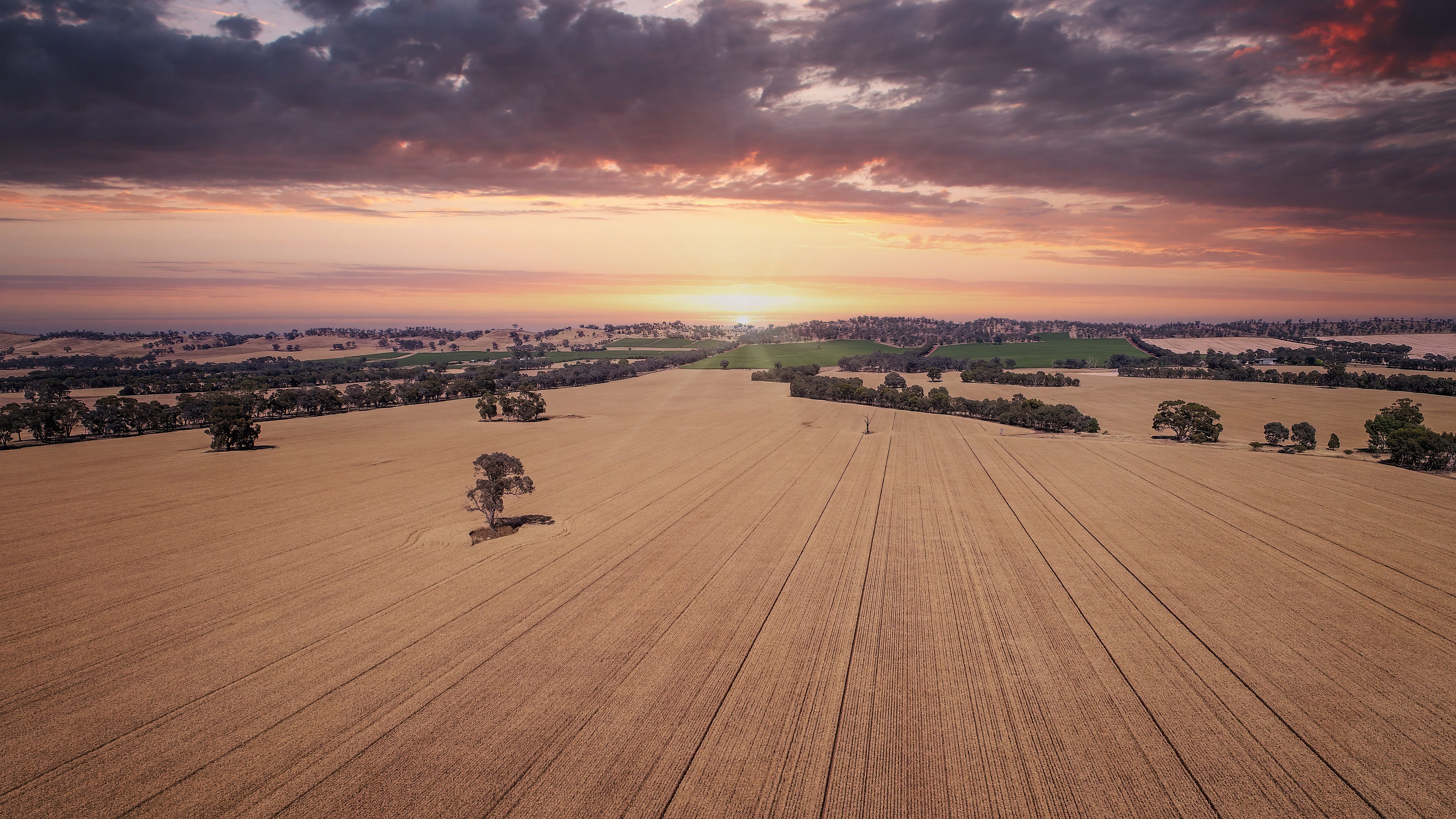
A Short History of Enclosure in Britain | The Land Magazine
Over the course of a few hundred years, much of Britain's land has been privatized — that is to say taken out of some form of collective ownership and management and handed over to individuals.
A Tale of Two Theories (of Coordination)
Leveraging and Deleveraging Toward Thick Sovereignty
Microsoft reveals findings from Project Natick, its experimental undersea datacenter
Why is a Nubian waterwheel a perfect metaphor for building sustainable community technology? @kandake.africa has the answer. atproto.com/off-protocol/2026-08-17-water…

Waterwheel Logic - AT Protocol
atproto.com