


Underneath fears about rogue AI, labor market collapse and gradual disempowerment, there's a deeper worry: As machines become more capable, will humans be able to keep thinking for ourselves? It's a complicated question, but the Field Guide to Thinking for Ourselves has answers. 100% human-written, on topics from education to collective intelligence.
Are we offloading too much of our thinking to AI?
Reflections on autonomy and the value of thinking for ourselves
AI: A Guide for Thinking Humans | Melanie Mitchell | Substack
I write about interesting new developments in AI. Click to read AI: A Guide for Thinking Humans, by Melanie Mitchell, a Substack publication with tens of thousands of subscribers.
Are We Thinking Correctly About AI Intelligence? | Quanta Magazine
Computer scientist Melanie Mitchell discusses why artificial intelligence doesn’t “think” or “reason” like humans, and how we can create better methods for measuring machine cognition.

On working machines
In part one, on thinking machines, I explored two facets of the philosophy of artificial intelligence: “intelligence”, and consciousness. That left an important topic to consider for this post: the...
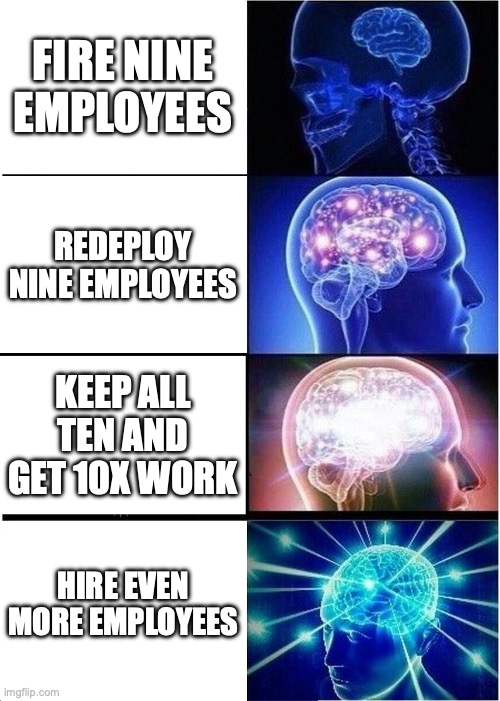
My Thoughts on AI, Part 1: Fears, Opinions, and Mental Journey
My own personal thoughts and opinions on AI effects and usage, and how those have evolved over time

Why I believe current AI models can really think and understand - Part 2 of 3
Why computers can in principle produce thinking and understanding

Why I believe current AI models can really think and understand - Part 1 of 2
How the human mind is different from our conception of it

How to stay smart in the age of AI: the science of critical thinking
There is growing concern that AI can blunt memory and reasoning. But science shows ways to keep the brain sharp.

The Thoughts The Civilized Keep
The hype around a new AI language generator reveals the sterility of mainstream thinking on AI today — and indeed on how we think about thinking itself.

The Impact of Artificial Intelligence on Human Thought
This research paper examines, from a multidimensional perspective (cognitive, social, ethical, and philosophical), how AI is transforming human thought. It highlights a cognitive offloading effect: the externalization of mental functions to AI can reduce intellectual engagement and weaken critical thinking. On the social level, algorithmic personalization creates filter bubbles that limit the diversity of opinions and can lead to the homogenization of thought and polarization. This research also describes the mechanisms of algorithmic manipulation (exploitation of cognitive biases, automated disinformation, etc.) that amplify AI's power of influence. Finally, the question of potential artificial consciousness is discussed, along with its ethical implications. The report as a whole underscores the risks that AI poses to human intellectual autonomy and creativity, while proposing avenues (education, transparency, governance) to align AI development with the interests of humanity.

Unresolved debates about the future of AI
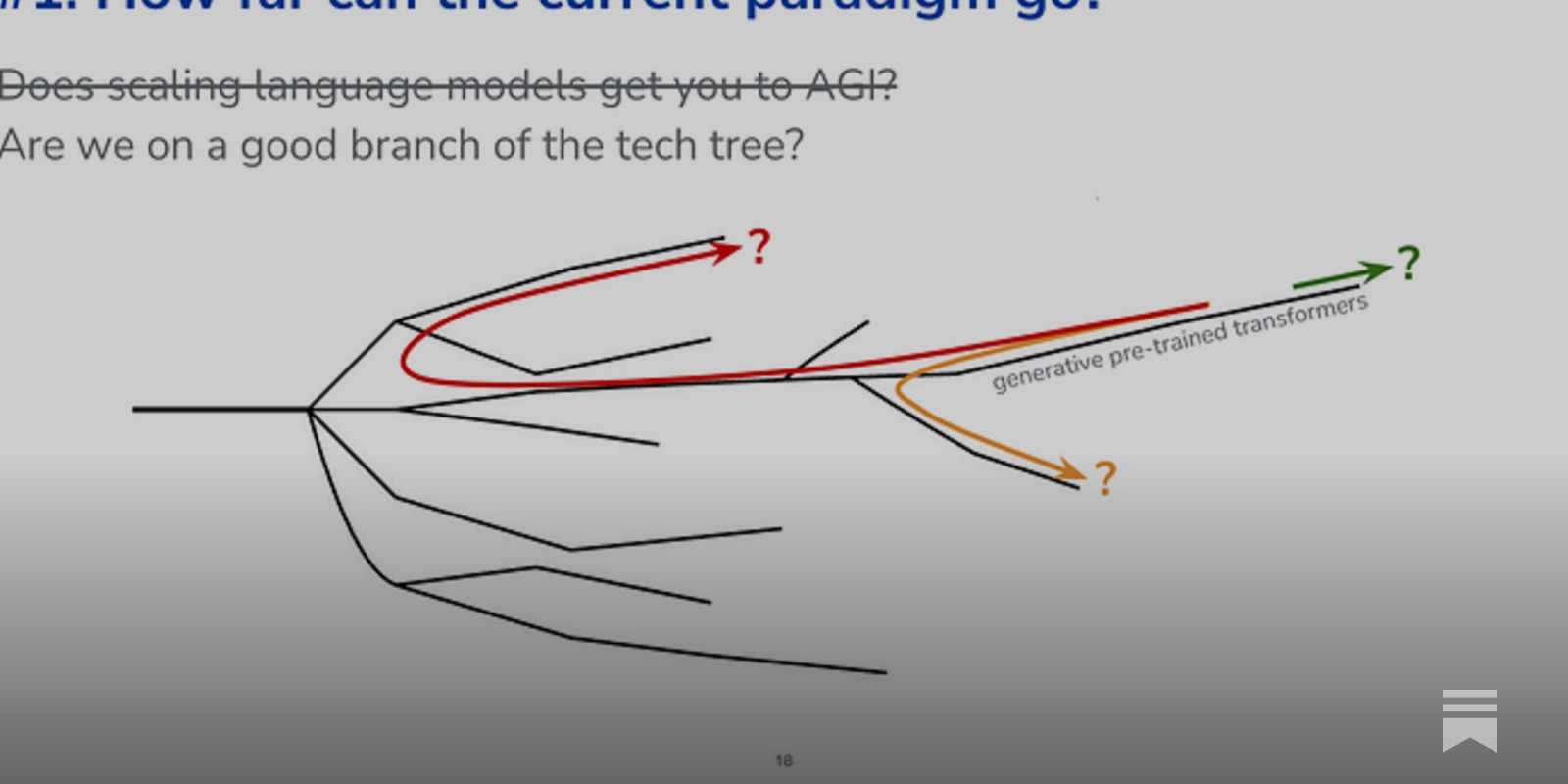
How far the current paradigm can go, AI improving AI, and whether thinking of AI as a tool will keep making sense
Will robots give us more "me" time?
Roboticist Daniela Rus's book "The Heart and the Chip" envisions a future where AI and robots handle mundane tasks, freeing us to engage in deeper thinking and creativity.
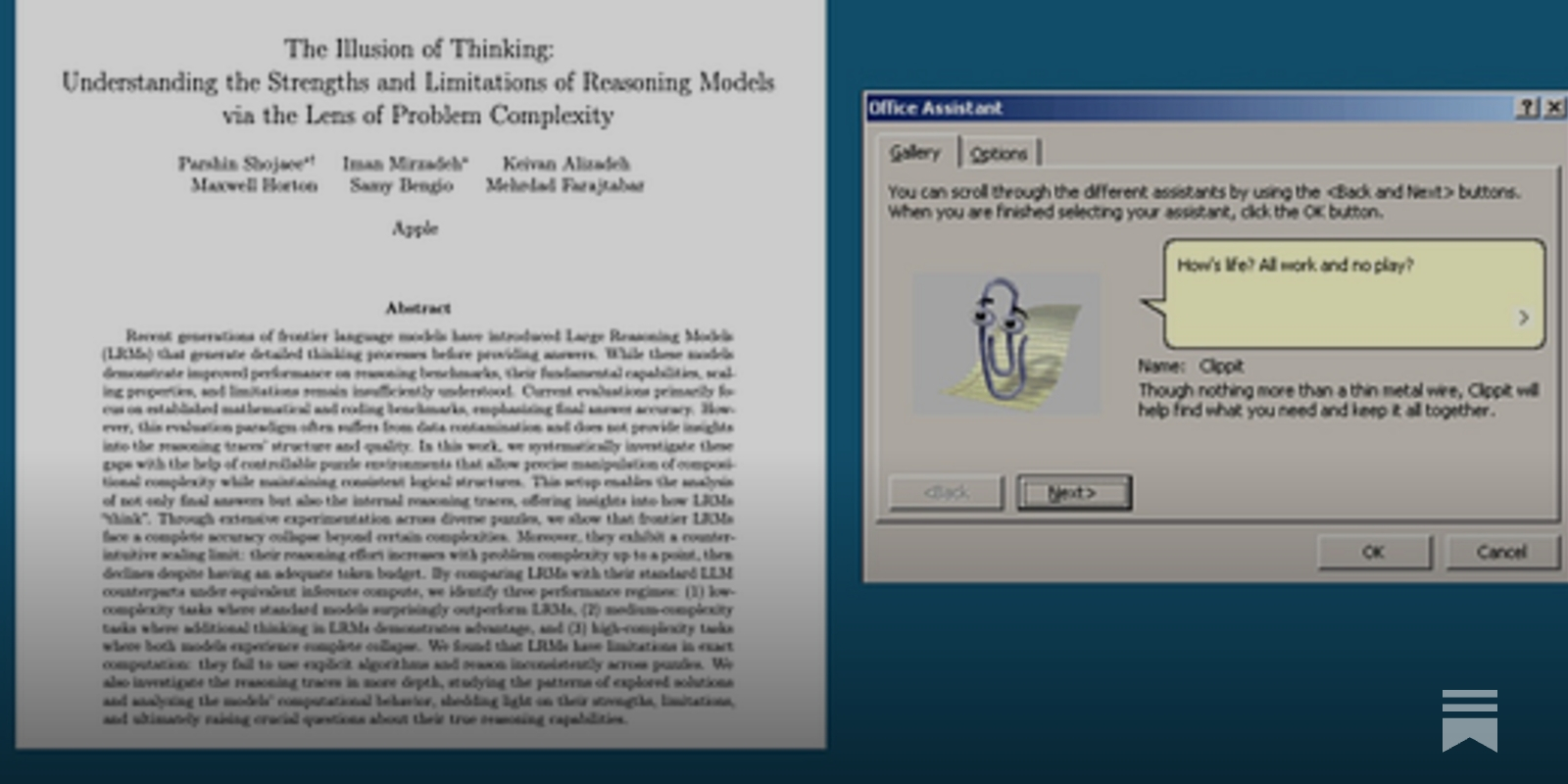
233. "The Illusion of Thinking" — Thoughts on This Important Paper
This is a fantastic paper. I just love it. tl;dr AI is not human. Anthropomorphization has been bad for AI, LLMs, and Chat. Clippy walked so today's AI could run.
Machine god metaphors eat your brain
There are other ways of thinking about AI
The AI future where humans get paid to be creative