


Today, Trase is launching new supply chain, deforestation and emissions data for Brazilian soy.
How does food get traded around the world?
Our interactive tool helps you see where food is exported from and where it goes.
Data center pega de surpresa cidade mineira que sofre com falta d’água | Intercept Brasil
Projeto da Atlas Renewable Energy ameaça nascentes do Cerrado em Paracatu, município onde a mineração e a agricultura já afetam a disponibilidade de recursos hídricos

Treeline — Open Telemetry & Trail Ecosystem
Decentralized outdoor fitness, GPS tracks, and adventure logs on the AT Protocol. User-owned data stored directly in your PDS.
INVESTING IN REGENERATIVE AGRICULTURE AND FOOD
THE INVESTING IN REGENERATIVE AGRICULTURE AND FOOD PODCASTThrough 400+ interviews with farmers, investors, scientists, and entrepreneurs, the podcast puts the spotlight on the pioneers in the regenerative food and agriculture space to learn more on how to put our money to work to regenerate soil, people, local communities and ecosystems while making an appropriate and fair return.
Cold Climate Syntropic Agriculture — Propagate
Syntropic farming has taken hold in Brazil and the tropics, but today we ask: How can we apply these concepts to cold climates?

Dark Forestry | Henry From Online
Seasons are changing for technologists, and the industry we work in isn't the same as it was a decade ago. We have new realities and new responsibilities to accept.

Governo prepara migração de dados estratégicos para infraestrutura sob controle brasileiro
Parte das bases públicas deverá usar a futura nuvem brasileira; Serpro e Dataprev ampliam capacidade para receber novos sistemas

O greenwashing descarado da Ecosia — agora com IA
Alegações verdes vagas sem números concretos, repressão a trabalhadores, e a inclusão de IA — justo a IA — chamada de “verde”. O greenwashing da Ecosia, o buscador alternativo ao Google e…

The brutal trade-off that will decide the future of food
A growing number of thinkers say factory farming can help save the planet. Are they right?

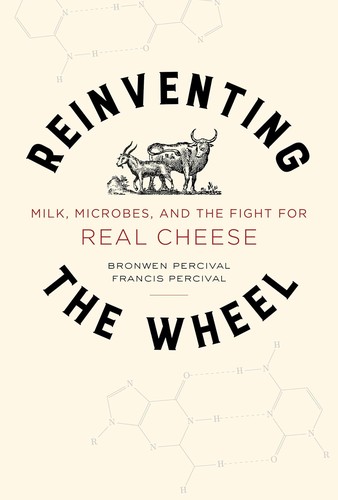
Reinventing the wheel: milk, microbes, and the fight for real cheese
"Reinventing the Wheel is equal parts popular science, history, and muckraking. Over the past hundred and fifty years, dairy farming and cheesemaking have been transformed, and this book explores what has been lost along the way. Today, using cutting-edge technologies like high-throughput DNA sequencing, scientists are beginning to understand the techniques of our great-grandparents. The authors describe how geneticists are helping conservationists rescue rare dairy cow breeds on the brink of extinction, microbiologists are teaching cheesemakers to nurture the naturally occurring microbes in their raw milk rather than destroying them, and communities of cheesemakers are producing "real" cheeses that reunite farming and flavor, rewarding diversity and sustainability at every level."--Provided by publisher.
PantryAI – Import Recipes, Generate Meals, Track Food Stock
Import recipes from anywhere, generate meals from what you already have, and stop wasting money on groceries with AI-powered food stock tracking. Join the Creator Program.
Japan does not cut down centuries-old trees for development. Instead, experts spend months preparing their roots and relocating them
When roads, railways or new buildings are planned, centuries-old trees are often among the first casualties of development. In Japan, however, some of the country's most valuable trees are given a second chance.

Ecosia - the search engine that plants trees
Ecosia is a search engine and AI that uses 100% of its profits for the planet, supporting tree planting and renewable energy projects.

Data Governance for Sustainable Digital Food Systems | DigiFood
Explore our research on agricultural data governance in Kenya, India, and Colombia. We aim to support civil society with a human-rights based approach to digital food systems. Join us in promoting equitable practices for sustainable agriculture.
Labor-Value Commodity Chains: The Hidden Abode of Global Production - Monthly Review
Intan Suwandi is a frequent contributor to Monthly Review. This article is adapted from her book, Value Chains: The New Economic Imperialism, winner of the 2018 Paul M. Sweezy-Paul A.... READ MORE
