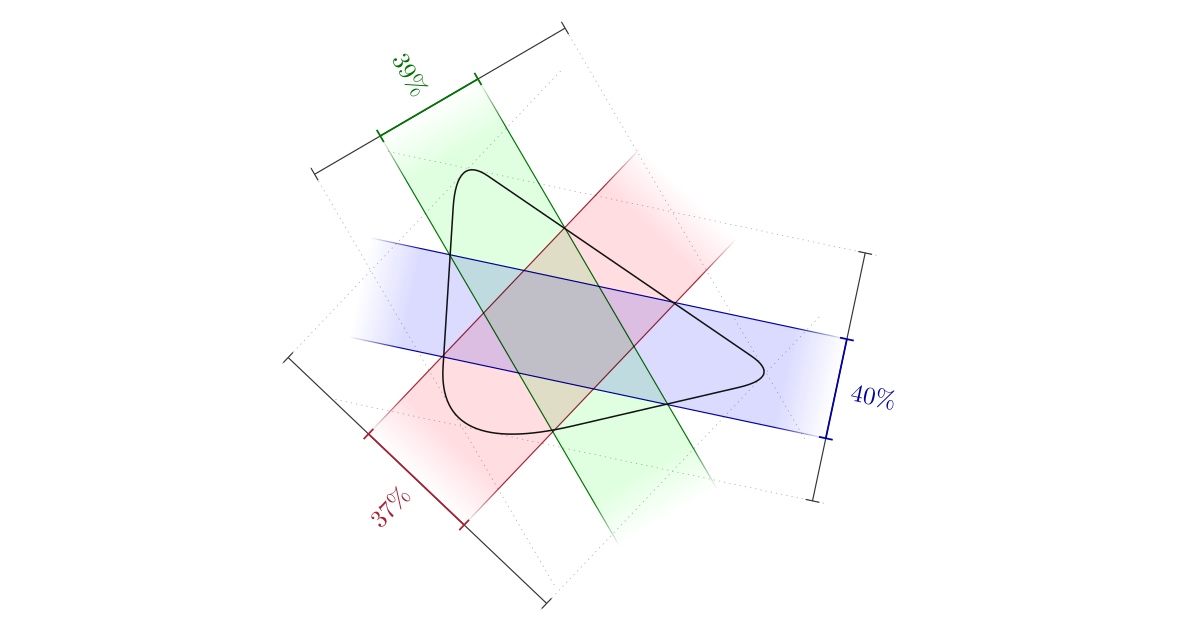
The illustration work of Aleks Sennwald
Byrne's Euclid
A reproduction of Oliver Byrne's celebrated work from 1847 plus interactive diagrams, cross references, and posters designed by Nicholas Rougeux

An Archive of Commercial Illustration (c. 1950-75)
Illustrator Zara Picken maintains an archive of commercial illustration from the mid-20th century. So much throwback inspiration here!

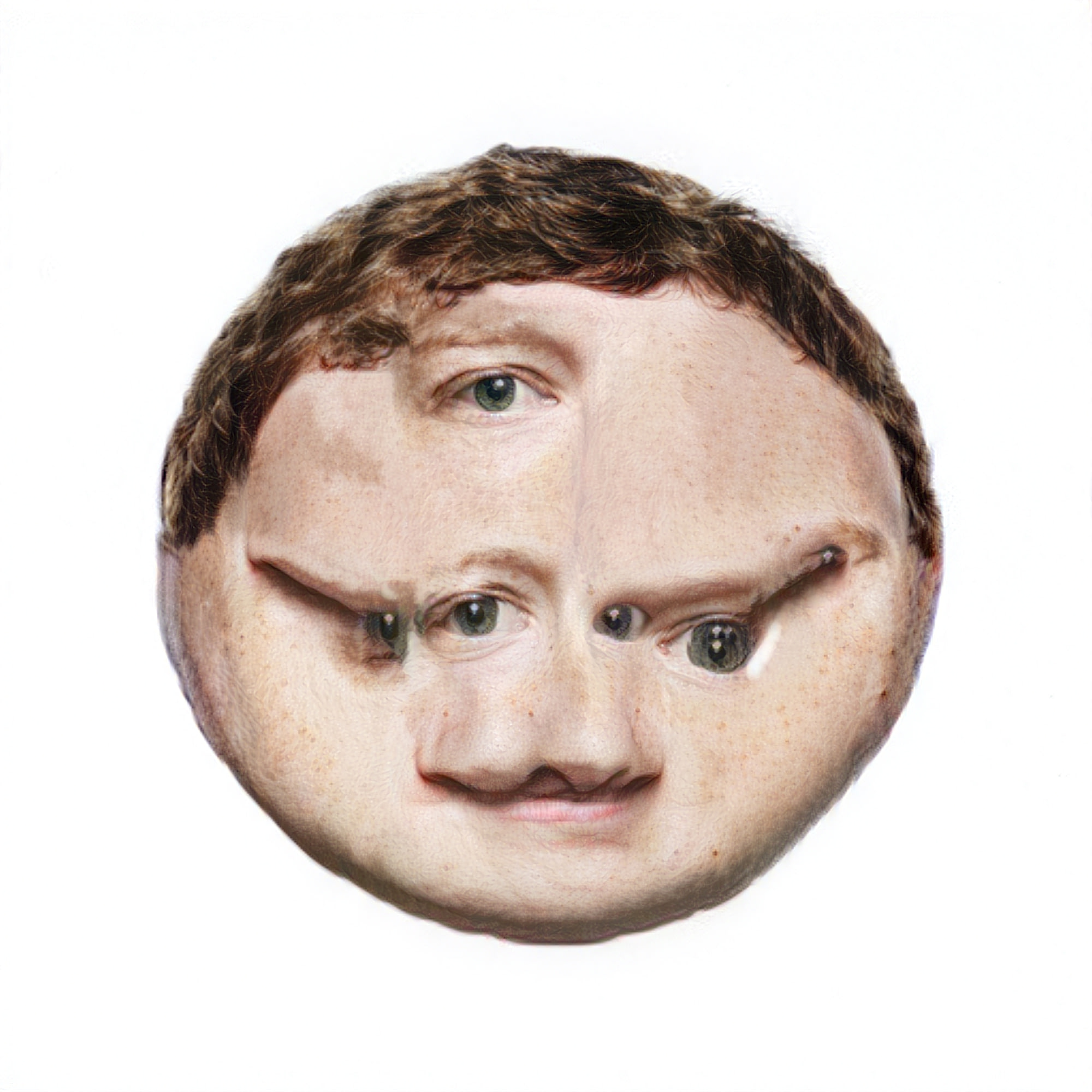
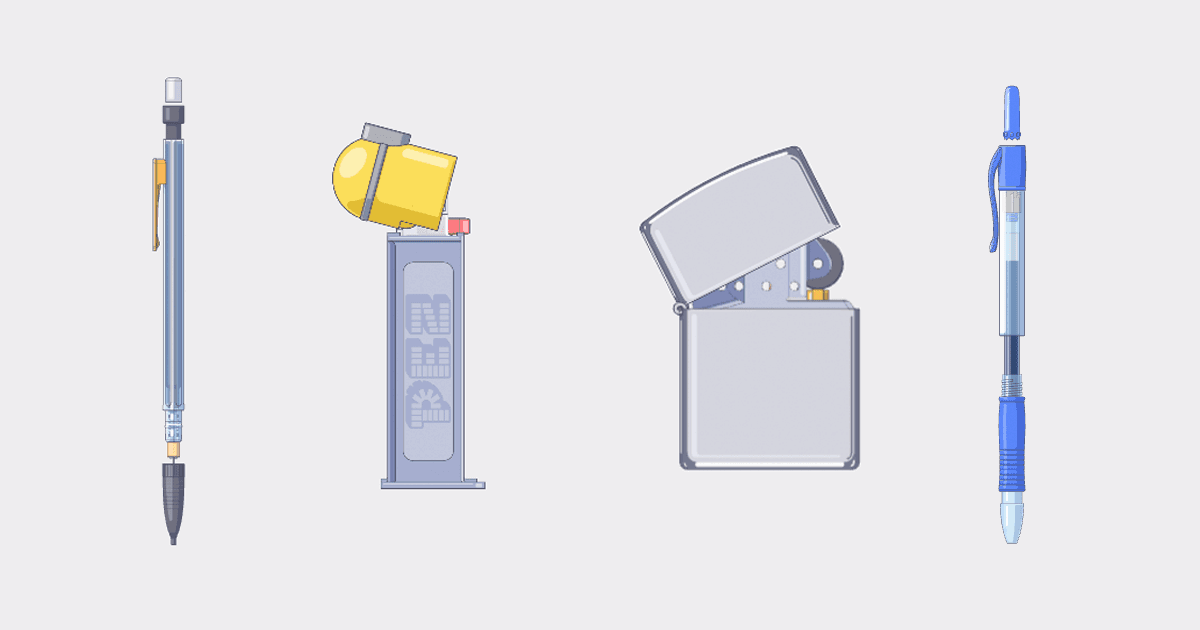
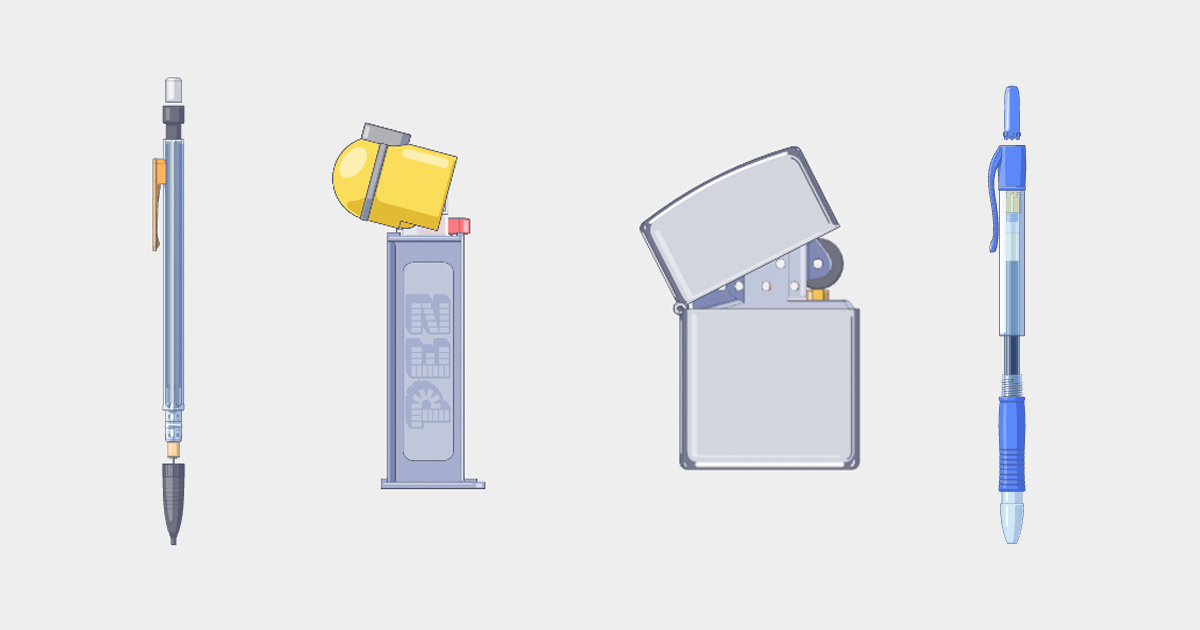
Signed Distance Fields – Render Diagrams
LOTR Argonath Book-Ends - Free 3D Print Model - MakerWorld
Download this free 3D print file designed by BrainSync. One day I looked up the Argonath bookends and I thought “wow, that's quite expensive”, so I decided to make my own.I picked up a free broken model of the Argonath, reworked it with some more details and functional structure to be print-ready et voila'.The two statues have independent base and and can be separated to allow as much space in between as you need for your books. I used PLA MAX to print them separately, at layer 0.16, nozzle 210C, hotbed 70C, tree support, 15-80 speed.In the pictures you can see the plain print and the final result with some black wash and dry brush paint to make the details pop up. Enjoy! (P.S. I couldn't help it but to add some flavor to my print as shown in the pictures ;P)

About these notes
Hi! I’m Andy Matuschak. You’ve stumbled upon my working notes. They’re kind of strange, so some context might help.
The Andy Warhol Foundation for the Visual Arts
Thomas Ammann Fine Art initiates the ongoing Andy Warhol Catalogue Raisonné: Paintings, Sculptures, and Drawings project.
PatternsandEros — Anggrek
Anggrek Agency Contemporary Art Agency and Exhibition Space in Zurich Switzerland
The Great Season — 13FOREST Gallery
On Friday, January 24, 13FOREST Gallery will open The Great Season, an exhibition of new and recent acrylic work by painter Nicole Duennebier. Dark and sumptuous, The Great Season highlights a fantastical six-panel painting that associates the random beauty of nature with an elaborate 19th-century parlor game. Set against black backgrounds, Duennebier’s complex forms strongly refer to Baroque still-life paintings in which fruits and vegetables simultaneously emerge and pass into different stages of maturity. A key difference in Duennebier’s work is that, rather than render images of everyday objects, she bases them on her fascination with biology, particularly bacteria, fungi and other objects hidden from view. Referring to her use of darkness, the artist states that her inky backgrounds are “like a primordial soup, a pool of black that springs forth a decadent and sometimes horrible growth.” Each of the paintings in the show is associated with lush proliferation. In Bright Beast After Nature, for instance, a black background gives rise to a nebula of unfolding, biomorphic forms that seem to divide and overtake one another. Painted in thin, translucent layers, the work suggests a still life captured in only one of many stages it will eventually pass through. With Bright Beast Dissected View Duennebier gives an equally fantastic image of the engine behind such proliferation. Similar to vivisections seen in science textbooks, the painting shows the surface of a soft, woolly plant and the interior, biological source of its existence. In content the “engine” plays with the idea of a still life, but one made of flowers, vegetables and animal viscera. Duennebier’s centerpiece in The Great Season is a vast, six-panel painting titled, Hydnellum Myriorama. Its title refers to a type of fungus found in nature and to a Victorian card game – myriorama – in which children could arrange a series of illustrated cards to form hundreds of different landscapes. In Duennebier’s six panels are hybrid images that resemble Baroque still lifes, coral, fur, crystals and close-ups of microscopic fauna. Each of the forms emerges from nothing and stands bathed in a common light source. Despite the panels’ differing environments, Duennebier negates their importance by enabling viewers to arrange the panels into aesthetic experiences of their own choice. With Hydenellum Myriorama, the random potential of generation and decline in nature is given its parallel in art. Of her own work Duennebier states: “My interests in natural phenomenon (dermoid cysts, fungus, invasive flora/fauna) and my love of candied Old Master opulence always seem to be present in my painting… Painting with attention to detail, I’ve become accustomed to the fact that nature in itself, or anything living really, never totally allows you to have a perfectly idealized experience. Everything is always spewing, dripping, rotting a little.”

Eight Photographers on Their Favorite Image from Robert Frank’s “The Americans”
Jason Eskenazi, a photographer and former security guard at the Met, collected responses to the foundational book’s indelible pictures.

Lindenmayer Systems
Let me show you how to use Lindenmayer systems to produce beautiful images like this one:
Unsolicited sketch of @sweetbee.vip in my art journal, the Paper Stage. Thank you all for daring to share
This is the semi-finished result for the Adventureland module, inside the Indiana Jones temple I 3D printed. I never actually went and finished painting this; the module is still on my garage workbench, embarrassingly enough #SkyTok #3DPrinting #ModelRailroad #DisSky
Jay Stevens
Since Bluesky has a video feed now now I'm going to post this throwback to when I was working on the lava temple for my Adventureland model railroad module