

Is the current form of the scientific paper still optimal in 2025? How do we preserve, and efficiently leverage, the uncut gems of the scientific process?
The Bazaar of Scientific Knowledge | shishyko!
What if we didn't collapse all the knowledge from the scientific process into one paper?
It’s time to get rid of the peer-reviewed paper
The peer-reviewed journal article, perhaps the single most important device behind the expansion of scientific knowledge in the last century, is an extraordinarily expensive way to share novelty: e…

Science Must Decentralize
Knowledge production doesn’t happen in a vacuum. Every great scientific breakthrough is built on prior work, and an ongoing exchange with peers in the field. That’s why we need to address the threat
Science has been in a “replication crisis” for a decade. Have we learned anything?
Bad papers are still published. But some other things might be getting better.

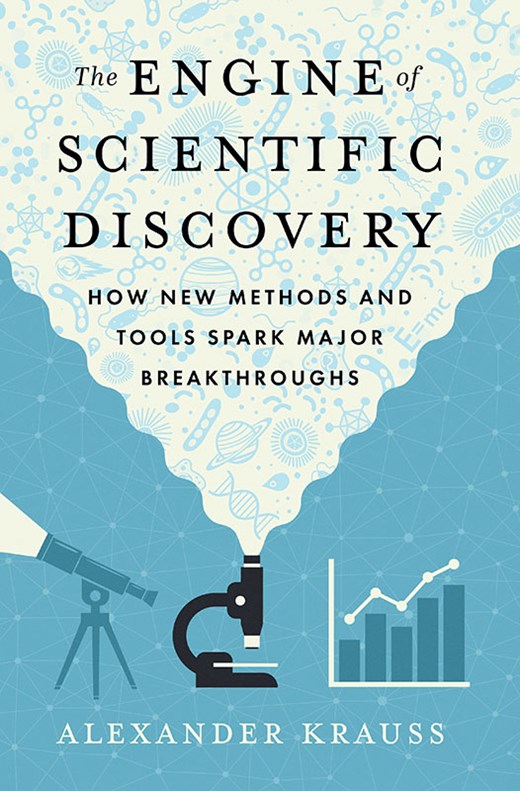
The Engine of Scientific Discovery: How New Methods and Tools Spark Major Breakthroughs
Abstract. How do we spark new scientific discoveries? Why do some breakthroughs seem even accidental? And most importantly, how can we accelerate them and
Maybe scientific progress isn’t slowing, after all
A new paper takes aim at the claim that science has become less disruptive

AI maps science papers to predict research trends two to three years ahead
The number of scientific papers is growing so rapidly that scientists are no longer able to keep track of all of them, even in their own research area. Researchers from the Karlsruhe Institute of Technology ...

Are Scientific Papers Bad?
Speculations on the Future of the Scientific Method
The following essay was published 20 years ago (January, 2006) on my blog The Technium. I edited the intro here, but the speculations are basically unchanged.
Building Collective Intelligence Networks for Flourishing Scientific Communities
Scientific communities are straining under mounting challenges—knowledge fragmentation, outdated publication processes, institutional erosion and funding cuts—that threaten our capacity to address urgent global problems. Traditional scientific process
The new way we’ll do science
Papers should become human-readable views over a graph of data, tools, results, and certificates.
The Drain of Scientific Publishing
The domination of scientific publishing in the Global North by major commercial publishers is harmful to science. We need the most powerful members of the research community, funders, governments and Universities, to lead the drive to re-communalise publishing to serve science not the market.

What happened to Science Goodreads and how do we rebuild it? A 65 million dollar question (at least) - Cosmik Labs
The story of the rise and fall of Mendeley
Is the scientific paper still a fraud?
How we write scientific papers does not reflect how we do science. Their formal structure infers a pre-ordained linear process rather than reflecting the messy creativity of research. This matters in the AI age because it masks the human in the process.
Products like @margin.at and @semble.so have the potential to change scientific publishing as we know it today. These are early-stage products but they're clearly ahead of the curve when it comes to new ways to organize and share knowledge.
