

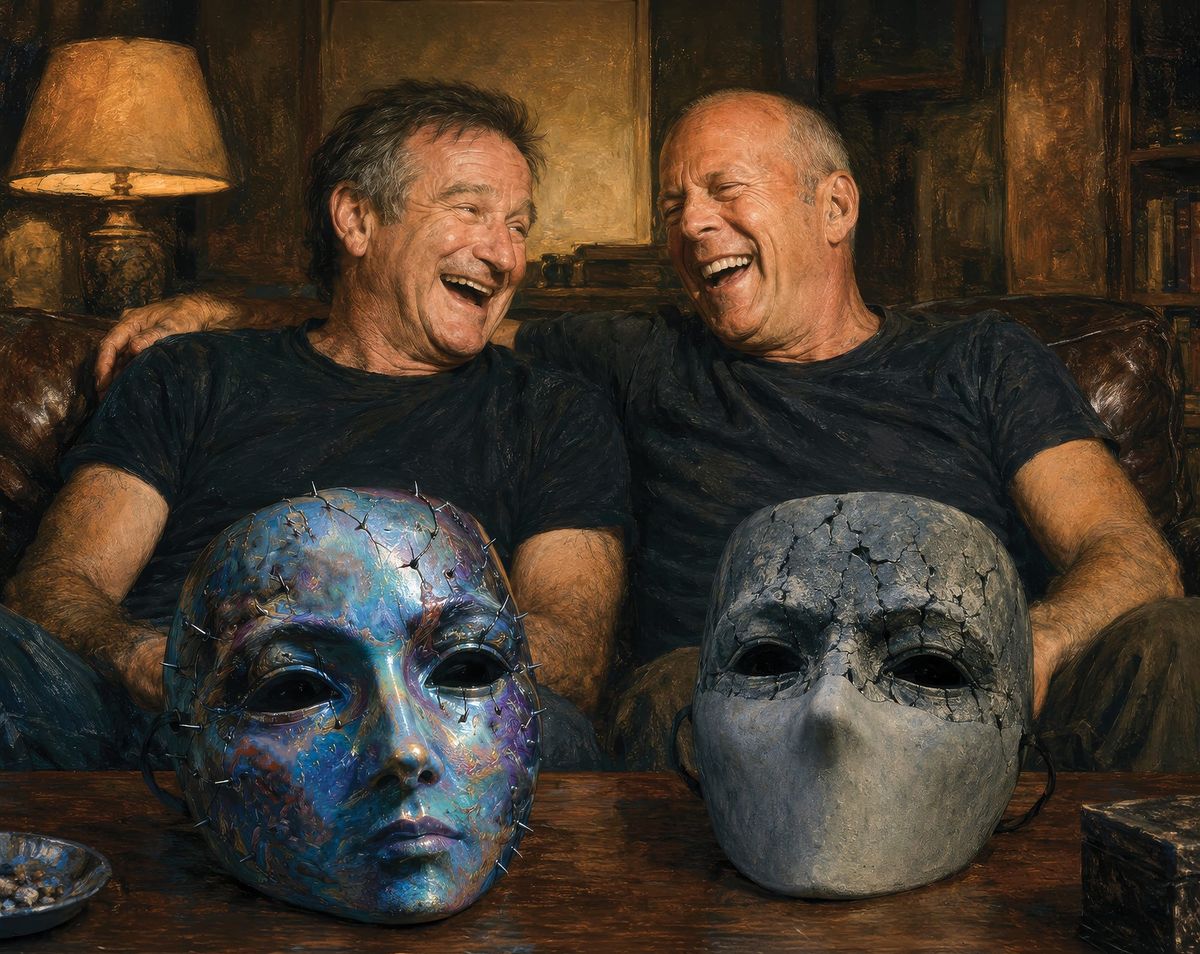
What can Robin Williams and Bruce Willis teach us about dementia? This article explores the complex biological realities of brain diseases, controversies in Alzheimer's research, the risks of new drugs, and the multi-billion-dollar industry exploiting our fear of cognitive decline.
Learning What Substance Is Suspected of Causing Alzheimer’s May Throw You Into an Existential Crisis
A surprisingly common substance was found to have a causal relationship with the kind of brain damage associated with Alzheimer's disease.

Can Alzheimer’s really be reversed, as a new documentary claims?
A CNN documentary follows two people with Alzheimer’s who took part in a study to determine if lifestyle changes can reverse symptoms.
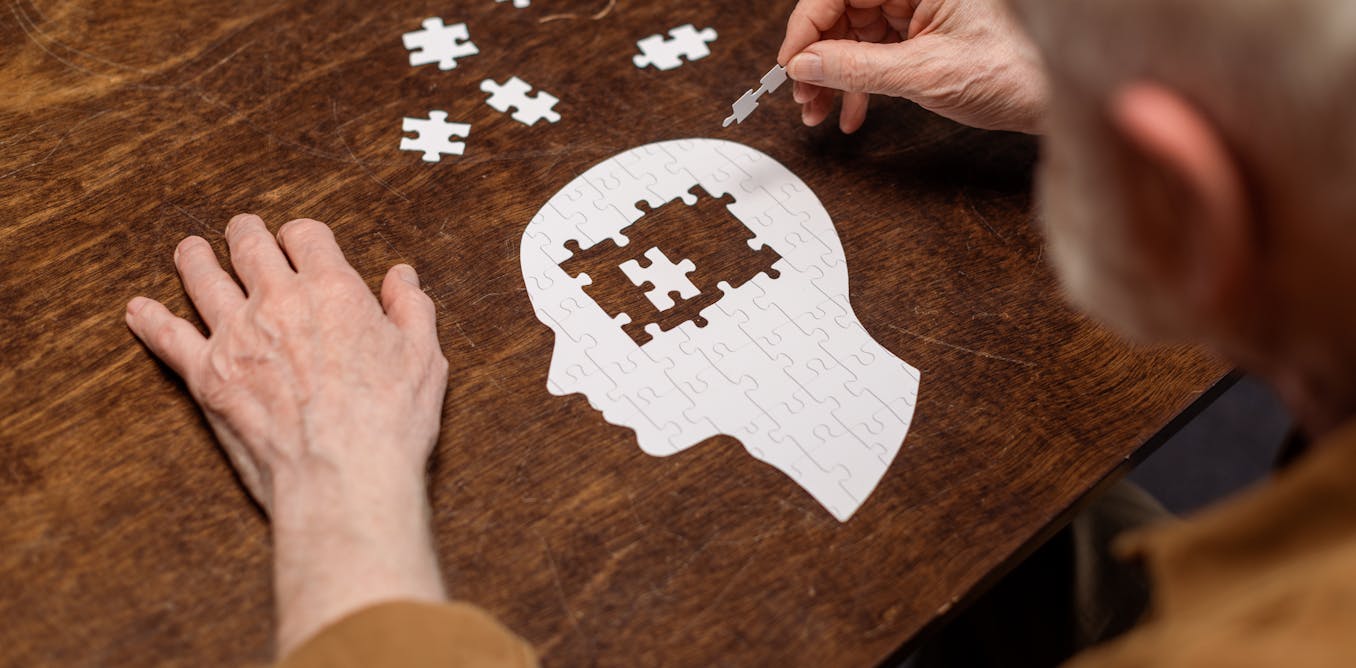
The Divided Brain (2019) | How the Left Brain Hijacked the Modern World
Problems of Proliferation — LessWrong
Scientific progress and its perils. TLDR: The vulnerable world hypothesis is likely correct. Once enormous amounts of cognitive labor start getting a…
We Are Entering the Age of Alzheimer's
We will all be touched by the disease. How are we going to get through this?

Brainrot: Deskilling and Addiction are Overlooked AI Risks | Proceedings of the 2026 ACM Conference on Fairness, Accountability, and Transparency
As part of the Digital Library's transition to Open Access, new features for researchers are available in the Premium Edition. Click here to learn more.

Just back from a truly impactful few days at Asilomar for the Brain and Mind, hosted by the brilliant team at BrainMind. The spirit of the 1975 Recombinant DNA Conference felt palpable as we gathered… | Sean White
Just back from a truly impactful few days at Asilomar for the Brain and Mind, hosted by the brilliant team at BrainMind. The spirit of the 1975 Recombinant DNA Conference felt palpable as we gathered to chart ethical standards for the accelerating field of Neurotech. While our focus was on neuroethics, from investor diligence questions and board-level risk matrices to user/stakeholder engagement and toolkits for neuroentrepreneurs, the key themes shared a powerful parallel with AI Ethics: maintain and enhance human agency, combat misuse and mistrust, and acknowledge that innovation is moving faster than its guardrails. Both fields present novel challenges that demand we adapt our existing frameworks and principles to meet new challenges. At the heart of it all is human agency. Whether we're discussing neurodevices or large language models, our core responsibility as builders, executives, investors, and policymakers is to ensure people are informed, in control, and never burdened to fight for their own empowerment or autonomy. We have the fundamental responsibility to care about the people we serve. This commitment to responsible, human-centric development is fundamental to our work at Inflection AI. We're building with emotional intelligence at the core. Every product decision we make starts with a simple question: does this expand what people can do, or does it quietly shift the burden onto them? AI should work for the humans using it, amplifying judgment, not replacing it. Earning trust through transparency rather than demanding it through dependency. A special thank you to Diana Saville for once again outdoing herself at every event and to Michael McCullough, MD for his endless support of the ecosystem. And to all the Braingels who showed up and rolled up their sleeves! Let's translate the urgency from Asilomar into action and continue to drive positive change.

Inventing the future: A neuroscience research roadmap
The past decade of transformative advances in neurotechnology portends an exciting future for neuroscience. This NeuroView charts a strategic path to accelerate and integrate research discovery and speed the development of new cures for human brain disorders.

Partner with Neuroscience
Partner with J&J Neuroscience to collaborate on licensing, academia, venture deals and shared innovation across Alzheimer’s, Parkinson’s and more.
The Cognitive Debt of Digging Through Preprints
Your Brain on MIT Media Lab

Why the Human Brain Project Went Wrong--and How to Fix It
Two years in, a $1-billion-plus effort to simulate the human brain is in disarray. Was it poor management, or is something fundamentally wrong with Big Science?
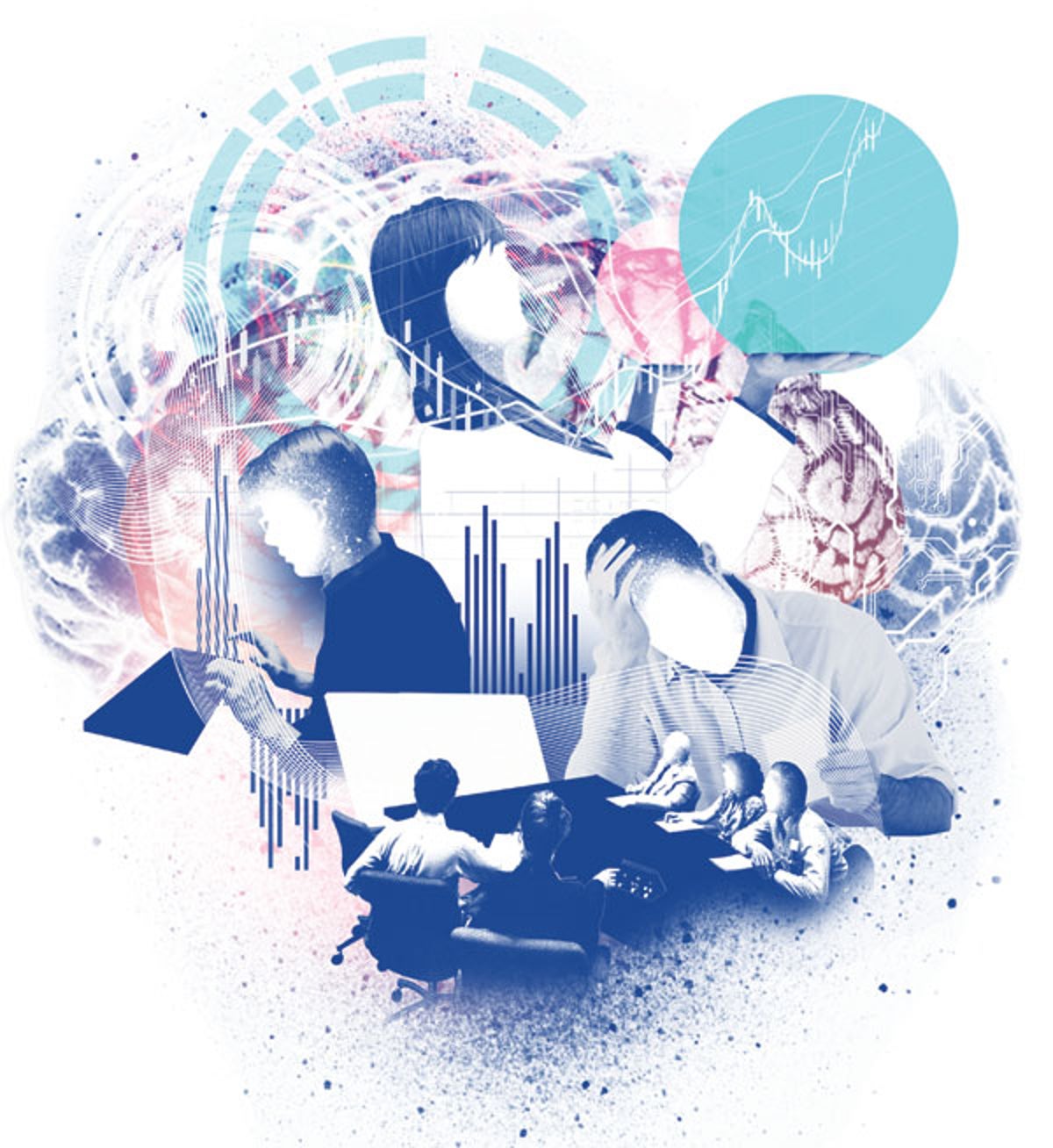
Leading Innovation in Psychiatric Treatment | Alto Neuroscience
We leverage brain biology to develop personalized medicines, helping patients get better faster.
Neuralink and the Brain's Magical Future — Wait But Why
I knew the future would be shocking but this is a whole other level.

Seeing the "shingles vaccine protects from dementia" claim going around again. Unfortunately the main study it's based on is just not convincing. @epiellie.bsky.social has written a great post about why:
Shingles vaccine & dementia prevention: too good to be true?
medium.com