Inside Iraq's most notorious prison, an Army interrogator came face to face with a shocking truth about the war—and himself
Before Shooting in Iraq, a Warning on Blackwater (Published 2014)
Not long after the security firm’s top manager in Iraq told a State Department investigator “that he could kill” him, an inquiry was abandoned. Weeks later, the firm’s guards killed 17 civilians in Iraq.

Guantanamo: Detainee Accounts : VI. Punishment
Former detainee Shah Mohammed Alikhil told Human Rights Watch:
Inside the fight to reveal the CIA's torture secrets
The first part of the inside story of the Senate investigation into torture, the crisis with the CIA it spurred and the man whose life would never be the same
Guantanamo Detainee Was Tortured, Says Official Overseeing Military Trials
Follow 2008 Elections & Campaigns at washingtonpost.com.

The CIA Sent Him Deep Undercover to Spy on Islamic Radicals. It Cost Him Everything
How one man infiltrated Al Qaeda and the broader jihadist world — and how his double life likely led to PTSD, depression, and ultimately his death.

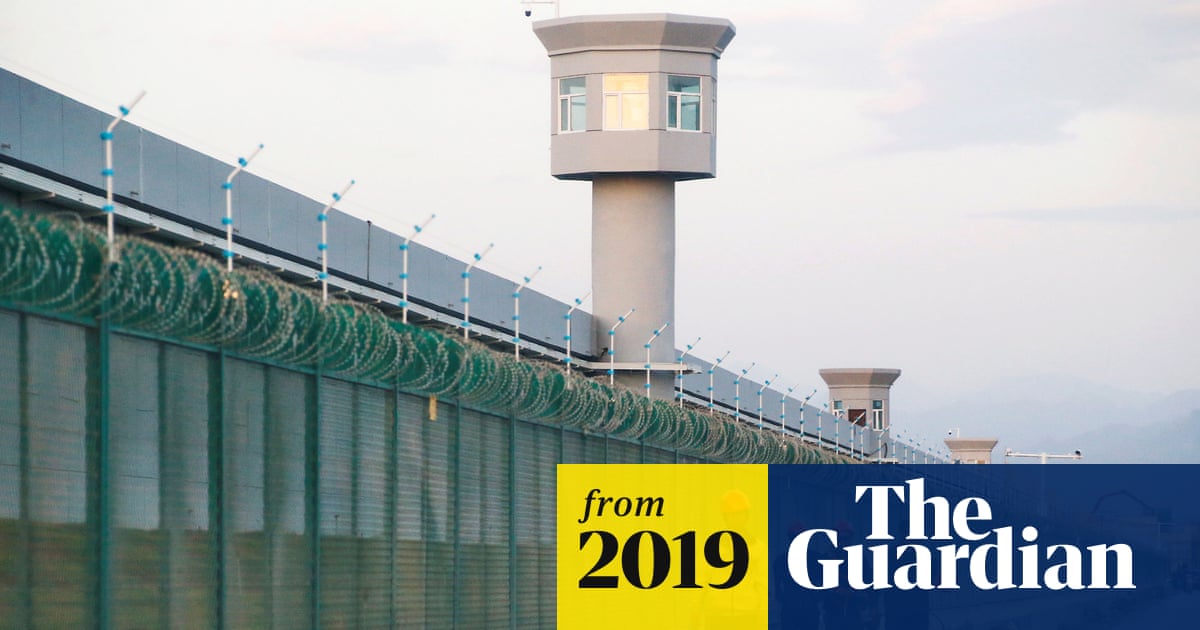
'Allow no escapes': leak exposes reality of China's vast prison camp network
Documents confirm operational details of largest mass incarceration of an ethnic-religious minority since second world war
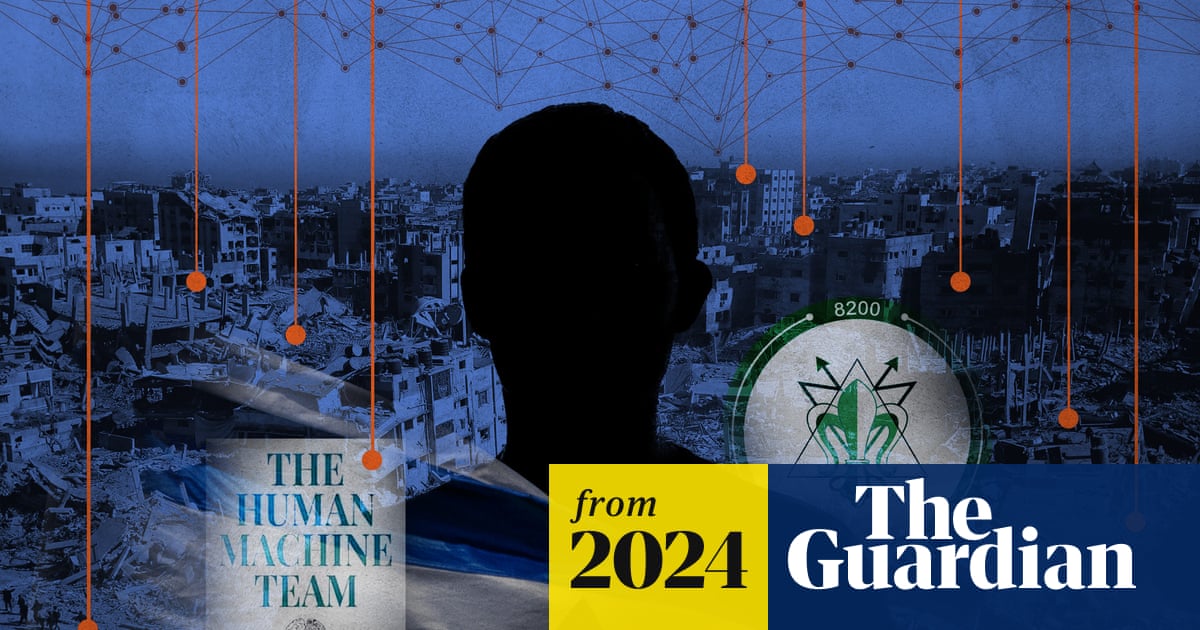
Top Israeli spy chief exposes his true identity in online security lapse
Exclusive: Yossi Sariel unmasked as head of Unit 8200 and architect of AI strategy after book written under pen name reveals his Google account
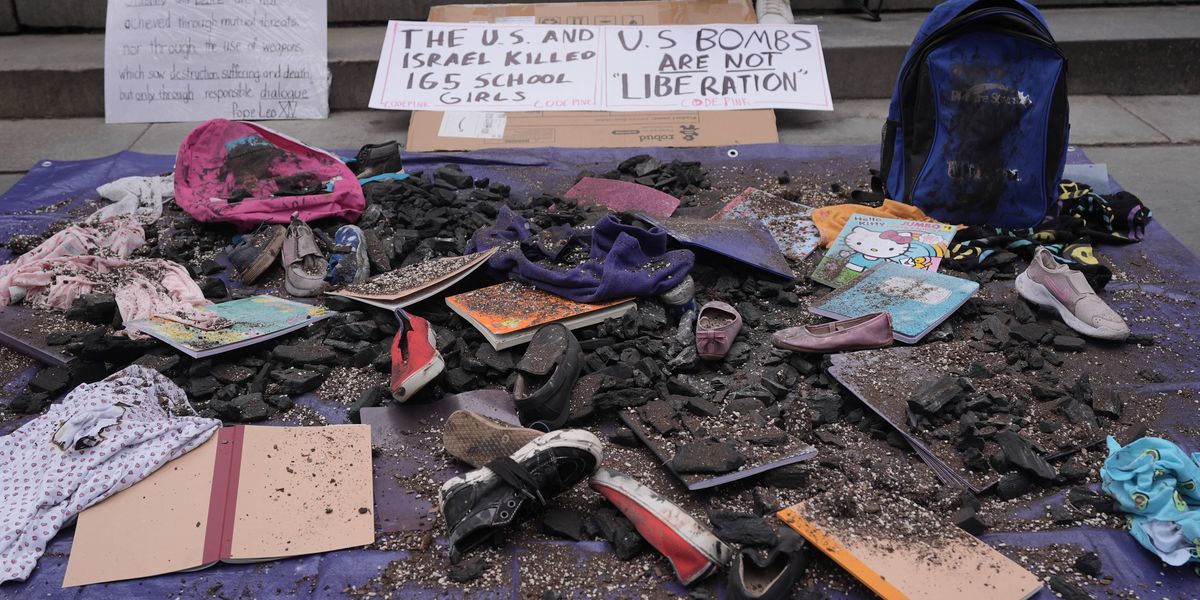
Preliminary Pentagon Findings Betray Trump's Outrageous Lies About Iranian School Massacre | Common Dreams
Pentagon Secretary Pete Hegseth "should be potentially charged and prosecuted for war crimes," said the advocacy group Just Foreign Policy.
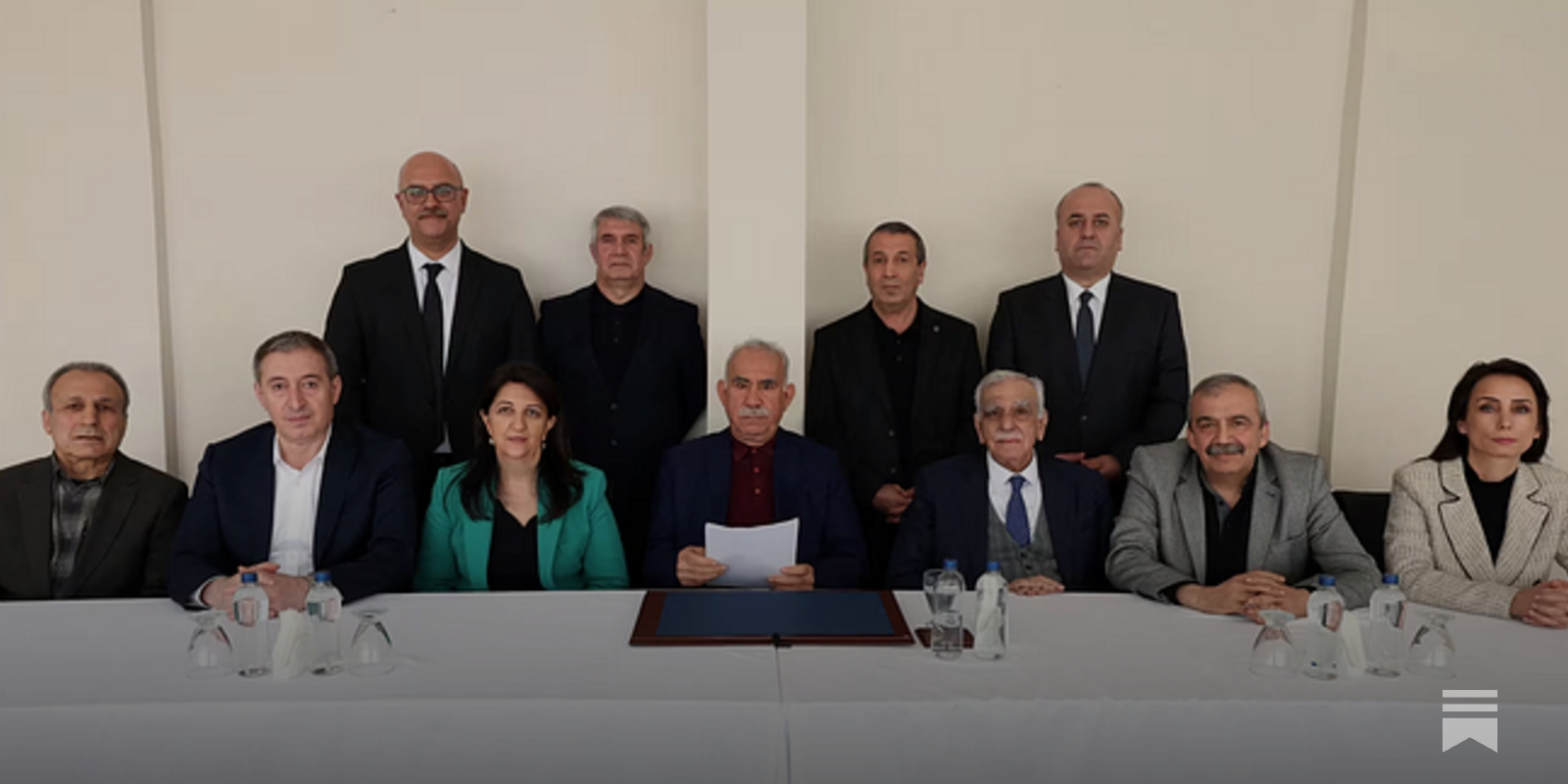
Fall of Assad: The end of the PKK?
This report examines the possible consequences of Assad’s fall on the PKK and the broader Kurdish movement in the region.
Judiciary Democrats’ Report Details Mounting Evidence Linking Trump to Epstein’s Criminal Activities and DOJ’s Cover-Up; Specific Accounts Involving 11 Women Provide More Evidence of Potential Sex Crimes | U.S. House Judiciary Committee Democrats
Washington, D.C. (October 26, 2026)—Today, Rep. Jamie Raskin, Ranking Member of the House Judiciary Committee, released a sweeping new Committee staff report, “‘We Have Certain Things in Common, Jeffrey’: The Case Against Donald Trump Emerging in the Epstein Files and DOJ’s Desperate Efforts to Cover it Up,” detailing evidence involving 11 women, five of whom directly accuse Donald Trump of rape or sexual assault in Jeffrey Epstein’s close company or presence. The report concludes that, based on the available evidence and witness testimony, Trump and Paolo Zampolli—who until recently served as a senior Trump Administration official and diplomat—may have been co-conspirators in Jeffrey Epstein’s conspiracy to traffic and abuse young women in the 1990s.
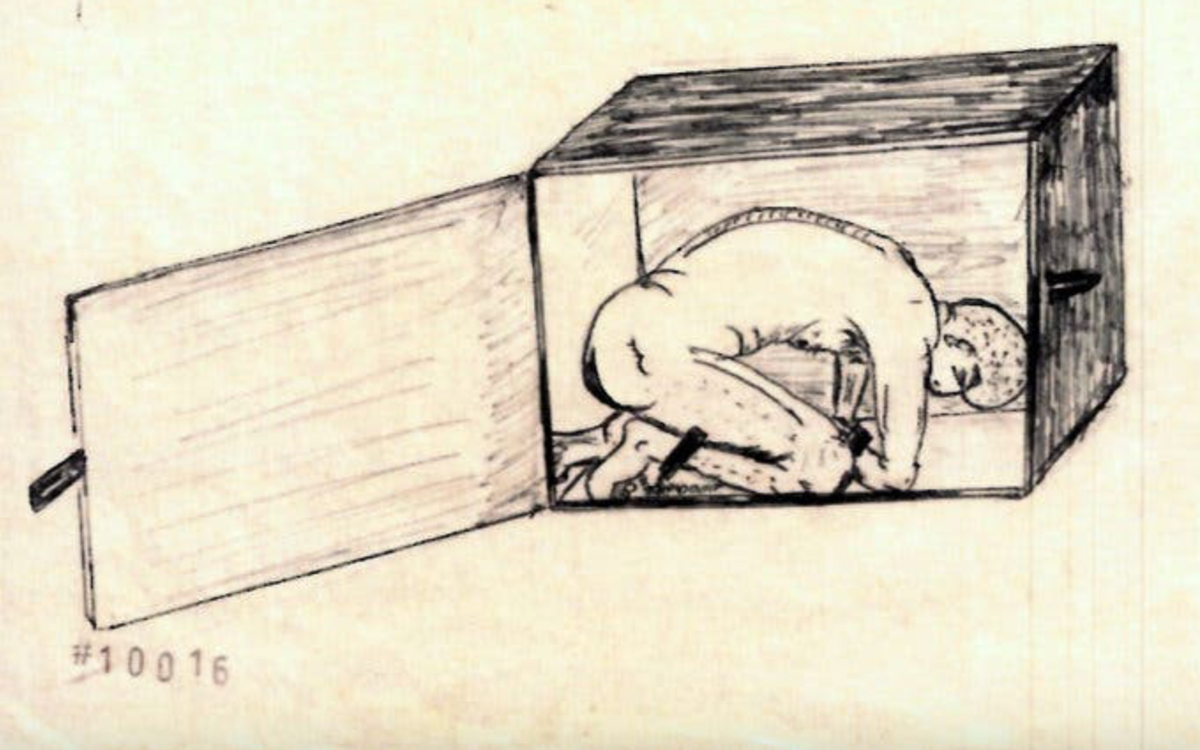
Torture Techniques from CIA Black Sites Were Used at Alligator Alcatraz
Amnesty International, interviewing migrant detainees, identifies use of the confinement box. There can be no denying it is a torture prison
The Deepfake Defense—Exploring the Limits of the Law and Ethical Norms in Protecting Legal Proceedings from Lying Lawyers
Thousands of audiovisual images documented the insurrectionists who stormed the United States Capitol on January 6, 2021. Authorities subsequently collected those images and charged some for their criminal conduct. Given the overwhelming audiovisual evidence implicating the insurrectionists, it should be impossible to assert a plausible defense claiming that those unmistakably depicted in the images were not present. Right? Wrong. As the defense in the federal criminal trial of January 6th insurrectionist leader Guy Reffitt illustrated, the emergence of “deepfakes” has changed the landscape of plausible defenses to crimes. Reffitt led the attack on the Capital. Videos and other visual images showed him at the head of the crowd advancing on the Capitol’s West Terrace. He was arrested and charged with multiple crimes. And although the evidence, including audiovisual images, against Reffitt, was clear and overwhelming, his lawyer undermined it, arguing to the jury that the evidence against Reffitt was a “deepfake” – an audiovisual recording created using Artificial Intelligence technology that allows anyone with a smartphone to believably map one person’s movements and words onto the image of another person. Unfortunately, the law does not provide a clear response to Reffitt’s lawyer’s reliance on deepfakes as a defense. <br><br>But this much is clear—the “deepfake defense” is a new challenge to our legal system’s adversarial process and truth-seeking function. Because the norms of professional ethics require lawyers to advocate zealously, deepfakes invite lawyers to raise objections and arguments to evidence to exploit juror bias and skepticism about what is real. Thus, lawyers may plant the seeds of doubt in jurors’ minds to question the authenticity of all digital audio and visual images, even those counsel knows to be genuine.<br><br>Currently, no rule of procedure, ethics, or legal precedent directly addresses the presentation of the “deepfake defense” in court. The existing standards provide scant guidance because they were developed before the advent of deepfake technology. As a result, they do not solve the concern of how to deter lawyers from exploiting it. Although in the last several years, legal scholarship and the popular news media have addressed certain facets of deepfakes, there has been no in-depth commentary on the “deepfake defense.” This article is the first to explore the deepfake defense, locating it within the historical and current framework of lawyers’ efforts to fabricate evidence and the laws and the practice norms that exist to curb that conduct. It proposes a reconsideration of the ethical rules governing candor, fairness, and the limits of zealous advocacy and urges a re-examination of the court’s role in sanctioning such conduct. Thus, this article offers novel proposals to guide the way forward for lawyers and courts as they traverse this new technological landscape.

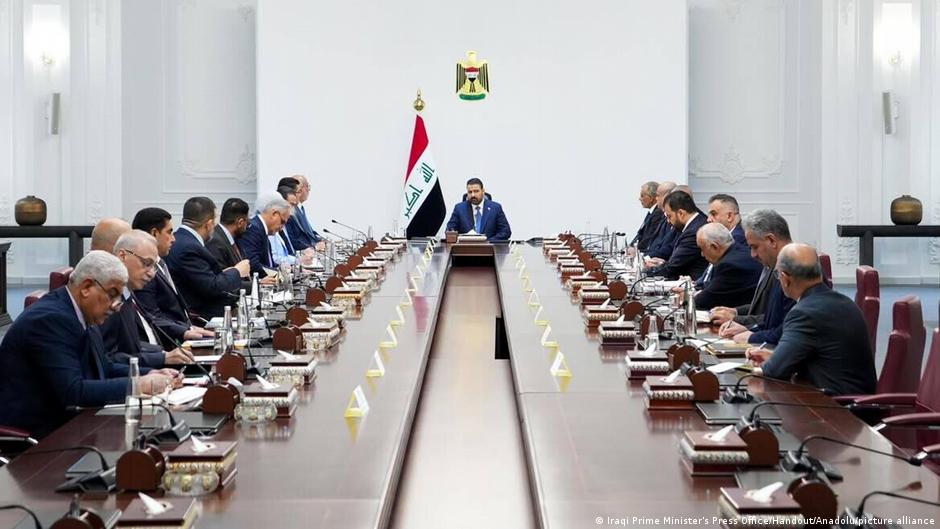
Baghdad confirms attack on Saudi pipeline came from Iraq
Saudi Arabia has said it will not retaliate and wants Iraq to "take the necessary measures." Baghdad is under pressure from the United States to rein in Iran-backed militias.
How a Mole Infiltrated the Highest Ranks of American Militias — ProPublica
Outraged by the Jan. 6 Capitol riot, a wilderness survival trainer spent years undercover climbing the ranks of right-wing militias. He didn’t tell police or the FBI. He didn’t tell family or friends. The one person he told was a ProPublica reporter.
README.txt: a memoir
While working as an intelligence analyst in Iraq for the United States Army in 2010, Chelsea Manning disclosed more than seven hundred thousand classified military and diplomatic records that she had smuggled out of the country on the memory card of her digital camera. In 2011 she was charged with twenty-two counts related to the unauthorized possession and distribution of classified military records, and in 2013 she was sentenced to thirty-five years in military prison. The day after her conviction, Manning declared her gender identity as a woman and began to transition, seeking hormones through the federal court system. In 2017, President Barack Obama commuted her sentence and she was released from prison. Manning recounts how her pleas for increased institutional transparency and government accountability took place alongside a fight to defend her rights as a trans woman. Manning details the challenges of her childhood and adolescence as a naive, computer-savvy kid, what drew her to the military, and the fierce pride she has about the work she does. This powerful, observant memoir will stand as one of the definitive testaments of our digital, information-driven age. -- adapted from jacket