What a 19th-century rebellion against automation can teach us about the coming war in the job market

Rethinking the Luddites in the Age of A.I.
Brian Merchant’s new book, “Blood in the Machine,” argues that Luddism stood not against technology per se but for the rights of workers in the face of automation.

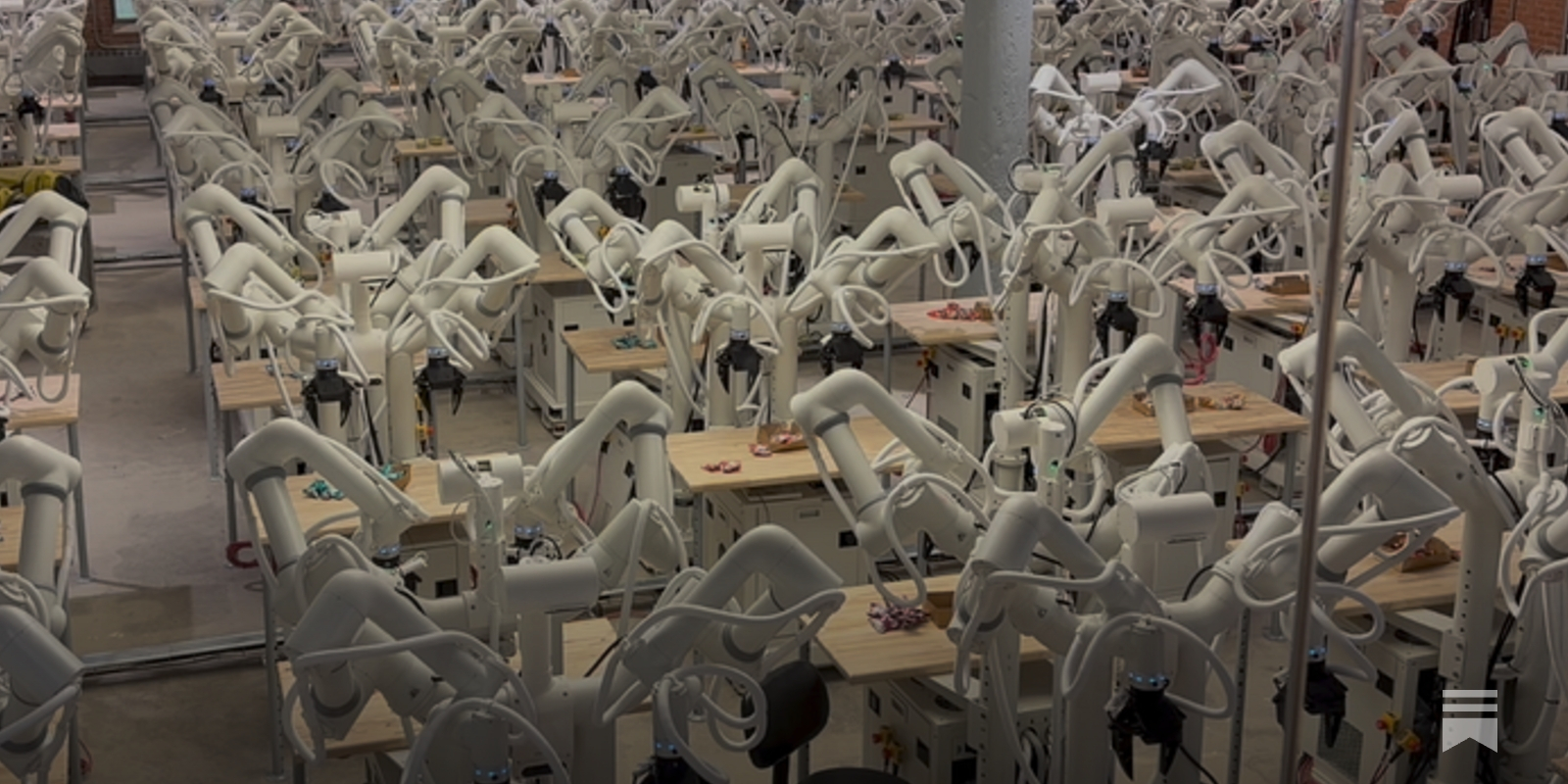
Robot startups are trying everything they can think of to get more data
Free apartment cleanings, exoskeletons, 100 robots in a warehouse...
Pluralistic: “Rights for robots” and the AI slavery fantasy (10 Jul 2026) – Pluralistic: Daily links from Cory Doctorow
While the AI bubble is primarily a material phenomenon (driven by the calculation that bosses are easy marks for a sales pitch that sees them replacing workers with software), there is an inescapable ideological component to it: the desire for a world without people in it:
Technological Disruption in the US Labor Market • The Aspen Institute Economic Strategy Group
DAVID DEMING, CHRISTOPHER ONG, LAWRENCE H. SUMMERS This paper explores past episodes of technological disruption in the US labor market, with the goal of learning lessons about the likely future impact of artificial intelligence (AI). The authors measure changes in the structure of the US labor market going back over a century in two ways. ...
How ‘Automation’ Made America Work Harder
Computers were supposed to reduce office labor. They accomplished the opposite

Nathan Witkin on Twitter / X
Does anyone disagree that pretty much every piece of empirical evidence we have about actually existing AI points toward a labor-augmenting technology with a more-or-less ordinary risk profile (no worse than cars, guns, nuclear power, social media, etc.)?On the labor front, the…— Nathan Witkin (@NateWitkin) October 5, 2026
AI Exec: We May Have Pulled Off “The Largest Theft of Labor in Human History”
Documents from our lawsuit reveal how tech leaders talk when they think no one is listening.

China’s Learn-On-The-Job Robots Outpace US’ Cautious Rollout
Which philosophy they will learn to think. Can a walled garden outlast an open field, or will openness inevitably prevail?

Will AI Destroy the Economy? (According to Economists: No.) | AI Reality Check | Cal Newport
Imagination — Ruha Benjamin
Race After Technology (Polity) cuts through tech-industry hype to understand how emerging technologies can reinforce white supremacy and deepen social inequity. Benjamin argues that automation has the potential to hide, speed, and even deepen discrimination, while appearing neutral and even benevole

Why are workers so worried about AI? Listen to how business leaders talk about it
Concerns about AI pushing humans out of jobs may be a bit overstated, but the anxiety being felt by workers related to technology is real and nuanced.

AI Was Supposed To Take Your Job. Why Hasn't It?
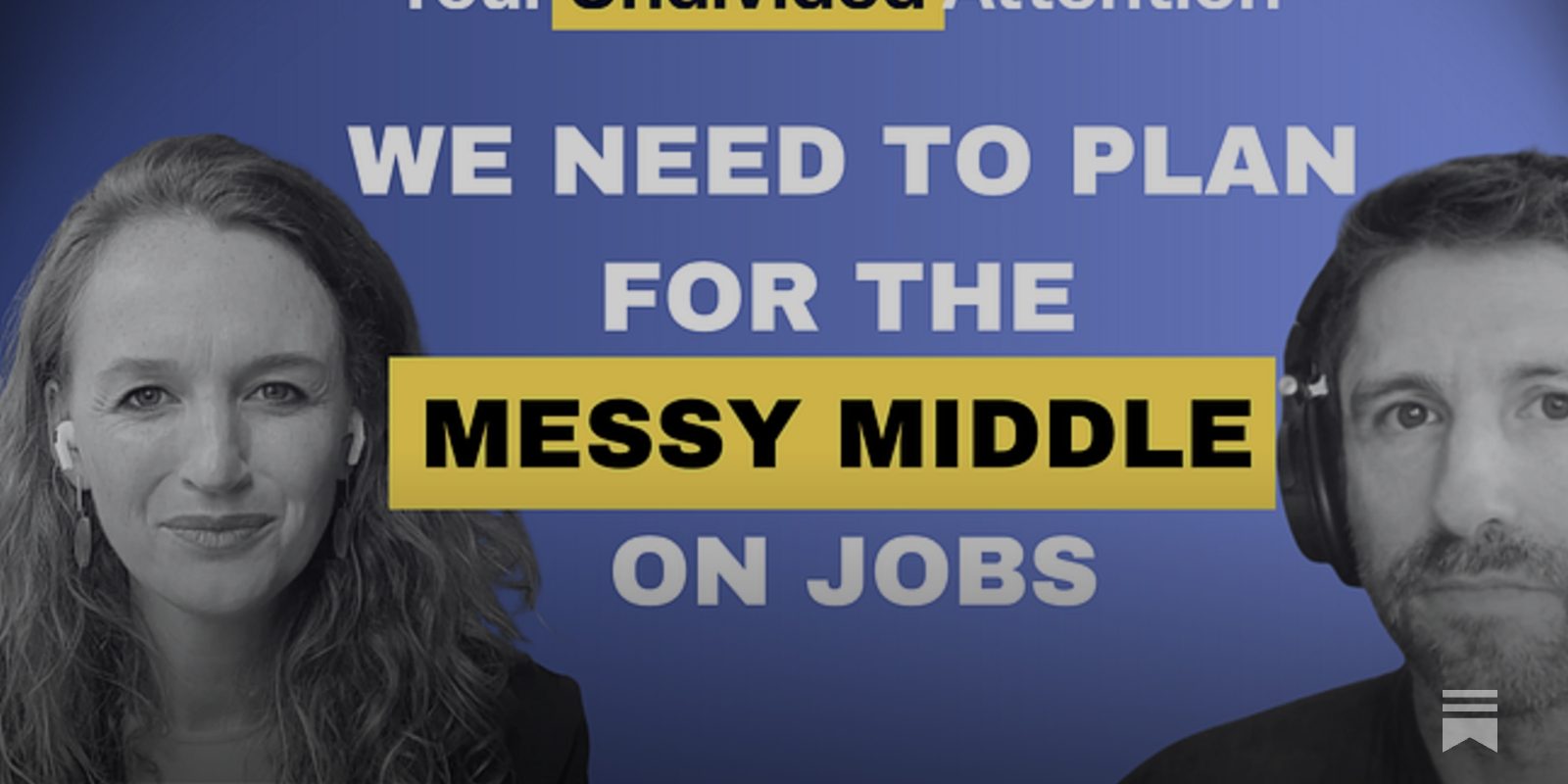
Enough Debate about the AI Jobpocalypse. We Need To Plan for the Messy Middle.
Caught between arguments of abundance and apocalypse, economist Molly Kinder explores what workers can expect in the near future — and what we can do about it.
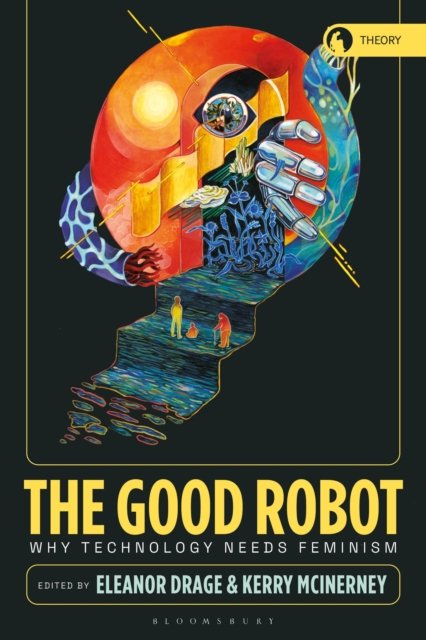
Good Robot
What is good technology? Is ‘good’ technology even possible? And how can feminism help us work towards it? The Good Robot addresses these crucial questions through the voices of leading feminist thinkers, activists and technologists. Each thinker provides a snapshot of key challenges, questions and provocations in the field of feminism and technology. While the question of whether various AI and technological advances can be ethical is not new, the embedded nature of feminist perspectives pulls out whether this perceived ‘goodness’ or ‘wrongness’ might actually impact our lives in the 21st century. This book explores both the radical possibilities of technology to disrupt practices of patriarchy, colonialism, racism and beyond but also provides a significant critique of how we can contain the ethical possibilities of entities we cannot predict. In exploring unjust technological practices and engaging critical voices in the tech industry, the existing moral issues are brought to light as well as the possible ethical quagmires. This book opens a new space of discussion on digital technologies – one that insists that the future of AI is an urgent feminist issue.