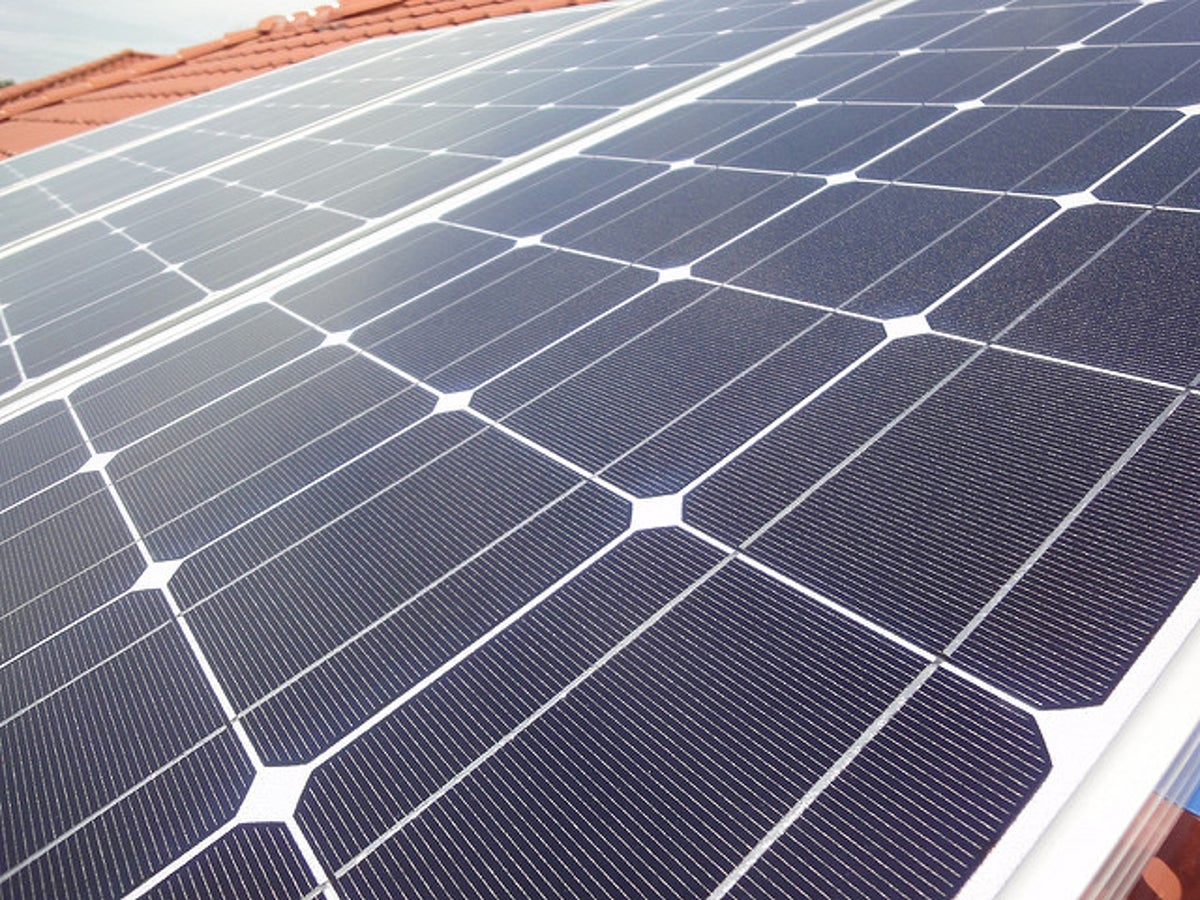
Most solar PV connected to the GB electricity network does not supply metering to NESO, and so NESO sees most solar PV generation as a suppression of demand. This means that the observed/metered 'National Demand’ outturn reported by NESO and Elexon is not a true representation of how much electricity was consumed across the network. When modelling demand, NESO also consider so-called 'Virtual Demand', which is the metered 'National Demand' plus NESO's own estimates of the generation from "unmetered" [by NESO] Solar and Wind generators. When forecasting demand it is often easier to forecast 'Virtual demand', which is predominantly behaviour-driven, and then to subtract a forecast of the unmetered solar and wind to create a forecast of the ‘National Demand’.
Electricity prices rising by double the rate of inflation. Data center demand means no relief ahead, analysts say
The impact of the AI industry on electricity prices has turned into a major political flashpoint ahead of the midterm elections this November.

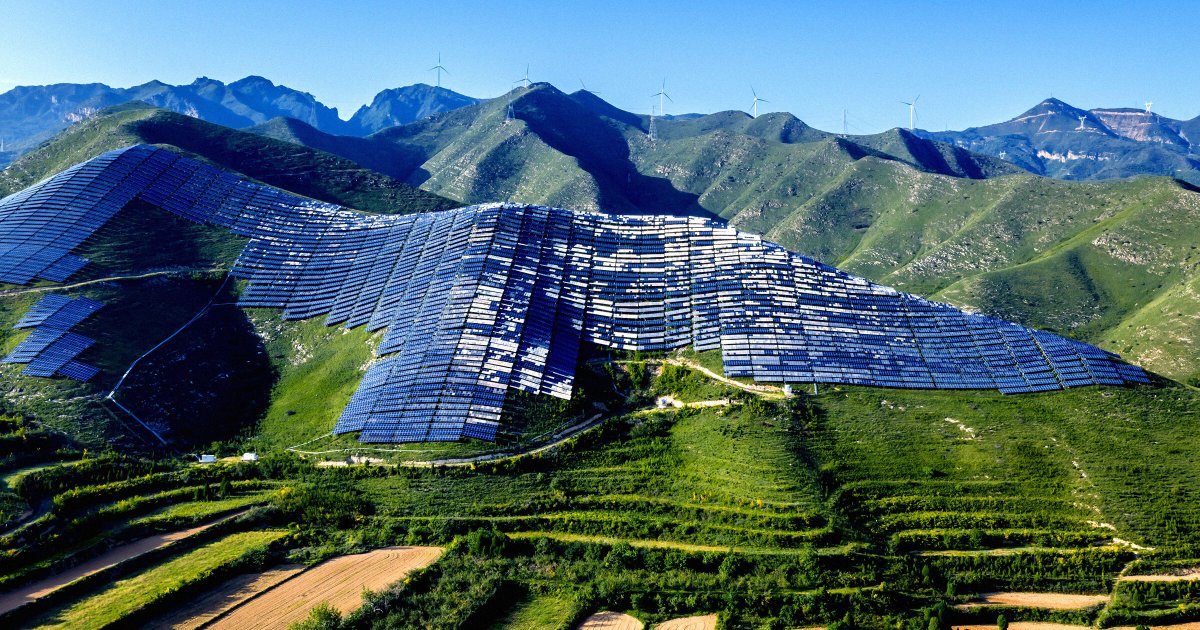
Solar Power Is Getting So Cheap That It’s Almost Unbelievable
The cost of solar panels has dropped to just a few cents per watt, thanks to a massive supply of photovoltaics flooding the market.
Have Data Centers Raised Your Electric Bill? Causal Evidence from the United States
We estimate that data centers caused average retail electricity rates to fall modestly in the United States from 2015 to 2024 using an instrumental variables approach. Despite prevailing sentiment, the finding is consistent with economic reasoning: existing large power system fixed costs, economies of scale in transmission and distribution, and declining unit costs for generation imply that durable demand growth lowers average prices. We find patterns of economies of scale for transmission, distribution, and generation costs as well as within and across retail customer classes. We caution that future supply constraints could reverse the effect.

Have Data Centers Raised Your Electric Bill? Causal Evidence from the United States
We estimate that data centers caused average retail electricity rates to fall modestly in the United States from 2015 to 2024 using an instrumental variables approach. Despite prevailing sentiment, the finding is consistent with economic reasoning: existing large power system fixed costs, economies of scale in transmission and distribution, and declining unit costs for generation imply that durable demand growth lowers average prices. We find patterns of economies of scale for transmission, distribution, and generation costs as well as within and across retail customer classes. We caution that future supply constraints could reverse the effect.
National Grid: Live
Shows the live status of Great Britain’s electric power transmission network
US data centers’ energy use amid the artificial intelligence boom
Data centers accounted for 4% of total U.S. electricity use in 2024. Their energy demand is expected to more than double by 2030.

The Price of Solar Is Declining to Unprecedented Lows
Despite already low costs, the installed price of solar fell by 5 to 12 percent in 2015
France Exports Surplus Solar Power as Electricity Prices Turn Negative
French solar power surged on Thursday as a stretch of sunny weather boosted generation allowing the country to export huge volumes of electricity to neighboring markets.
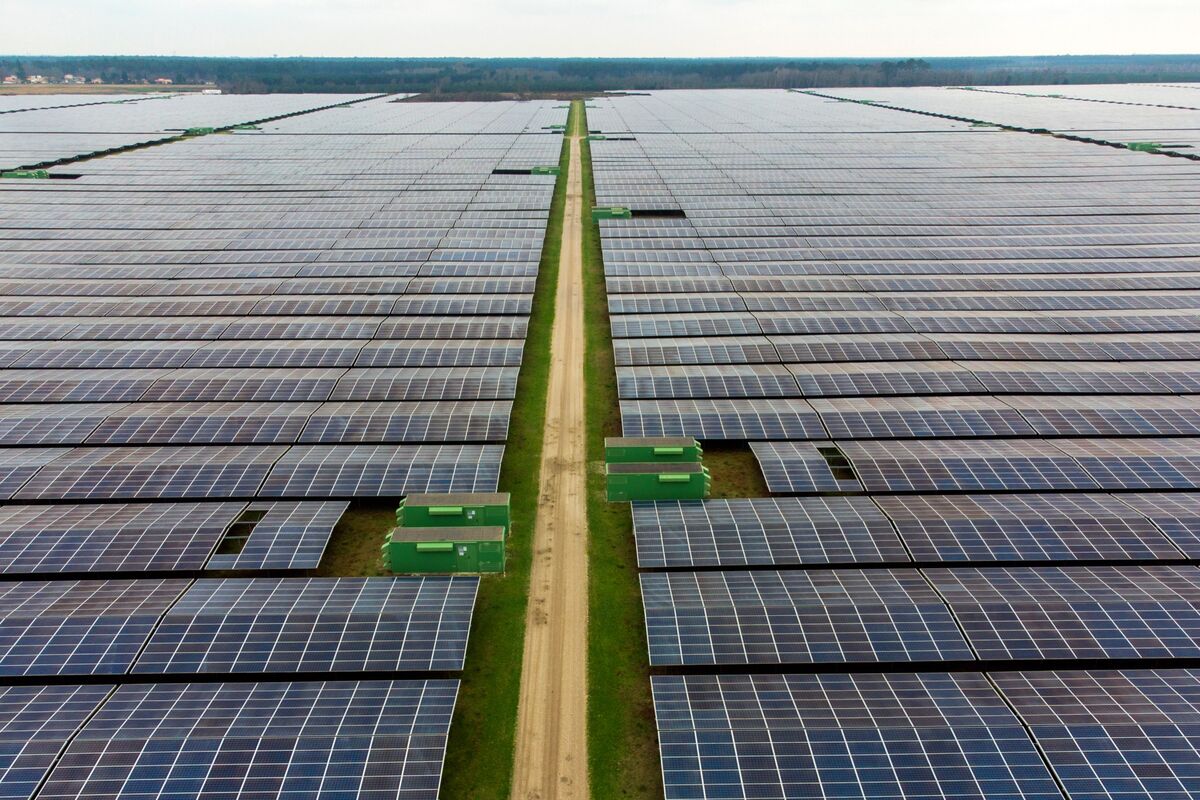
Energy Production and Consumption
Explore data on how energy production and use varies across the world.
Will AI really consume more electricity than the US produces? - Poynter
President Trump said AI could need nearly twice the nation’s electricity, but credible projections put its future share at no more than 25%
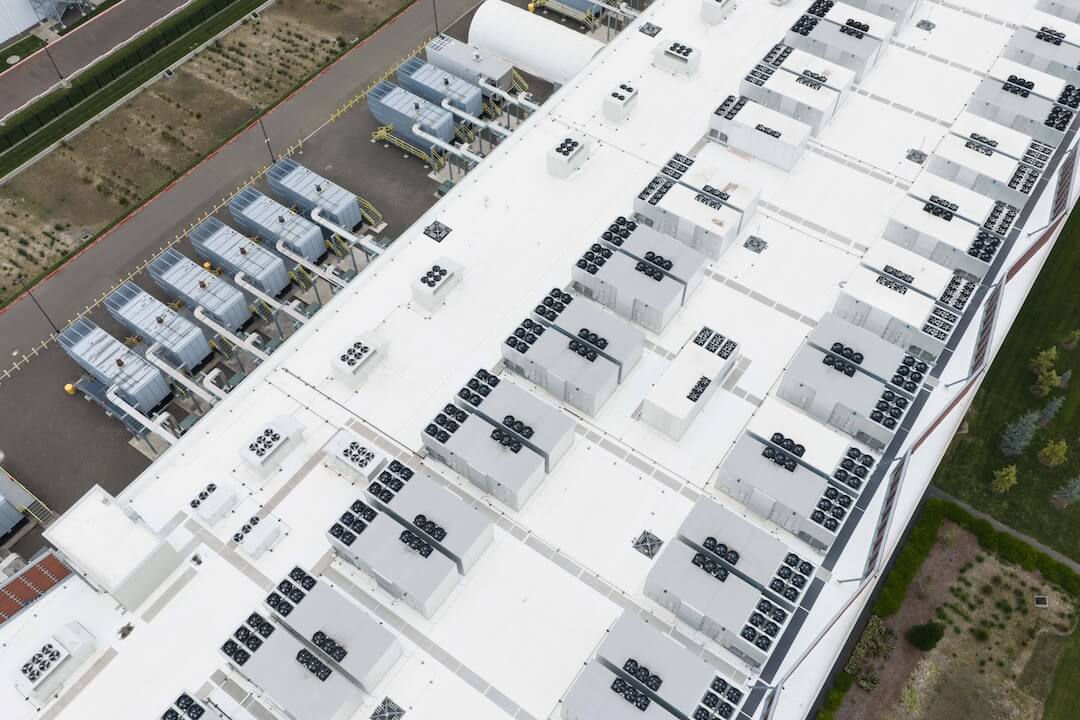
Data centres in future European energy systems—energy efficiency, integration and policy
End-use efficiency, demand response and coupling of different energy vectors are important aspects of future renewable energy systems. Growth in the number of data centres is leading to an increase in electricity demand and the emergence of a new electricity-intensive industry. Studies on data centres and energy use have so far focused mainly on energy efficiency. This paper contributes with an assessment of the potential for energy system integration of data centres via demand response and waste heat utilization, and with a review of EU policies relevant to this. Waste heat utilization is mainly an option for data centres that are close to district heating systems. Flexible electricity demand can be achieved through temporal and spatial scheduling of data centre operations. This could provide more than 10 GW of demand response in the European electricity system in 2030. Most data centres also have auxiliary power systems employing batteries and stand-by diesel generators, which could potentially be used in power system balancing. These potentials have received little attention so far and have not yet been considered in policies concerning energy or data centres. Policies are needed to capture the potential societal benefits of energy system integration of data centres. In the EU, such policies are in their nascent phase and mainly focused on energy efficiency through the voluntary Code of Conduct and criteria under the EU Ecodesign Directive. Some research and development in the field of energy efficiency and integration is also supported through the EU Horizon 2020 programme. Our analysis shows that there is considerable potential for demand response and energy system integration. This motivates greater efforts in developing future policies, policy coordination, and changes in regulation, taxation and electricity market design.
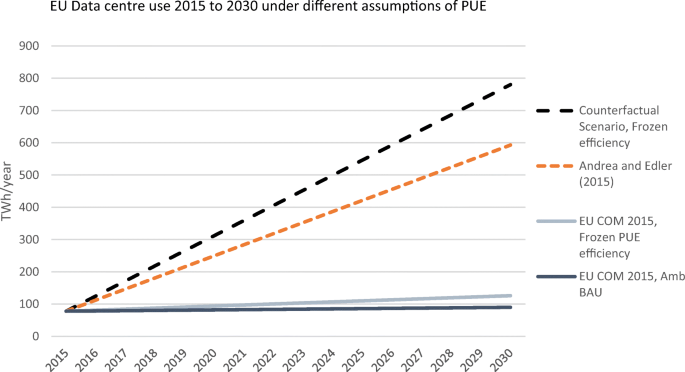
How We Create True Abundance
Groq On-demand Pricing for Tokens-as-a-Service
Groq powers leading openly-available AI models. View the pricing of our core models including GPT-OSS, Kimi K2, Qwen3 32B, and more.

GB Renewables Map
Live map showing realtime renewable energy generation in Great Britain
Share of electricity in total final energy consumption
Get the present share of electricity statistics in total final energy consumption mix by country or region.
(PDF) The Power Resources Approach: Developments and Challenges
PDF | On May 31, 2018, Stefan Schmalz and others published The Power Resources Approach: Developments and Challenges | Find, read and cite all the research you need on ResearchGate