


The Department of Homeland Security’s deportation efforts under Trump have energized and validated some hate groups.
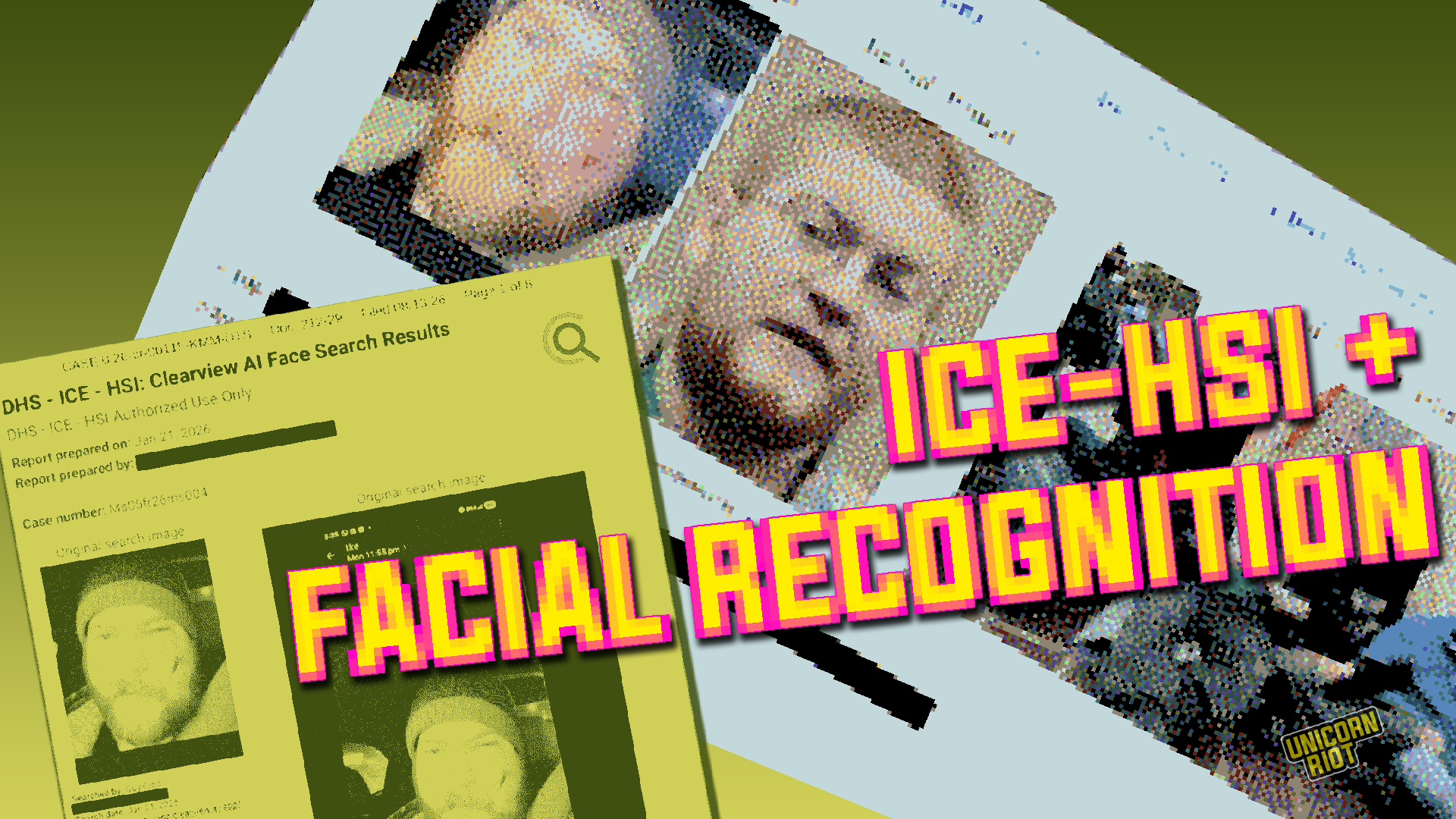
DHS Facial Recognition Software Used Against Minnesota 15 - UNICORN RIOT
Homeland Security Investigations (HSI) has deployed an aggressive facial recognition apparatus for monitoring and tracking domestic political dissidents, raising questions about why an agency created after 9/11 to fight the global war on terrorism is now maintaining centralized dossiers on ordinary American protesters.
DHS Demanded Google Surrender Data on Canadian’s Activity, Location Over Anti-ICE Posts
Using a 1930s trade law, Homeland Security targeted the man—who hasn’t entered the US in more than a decade—following posts on X condemning the killings of Renee Good and Alex Pretti.

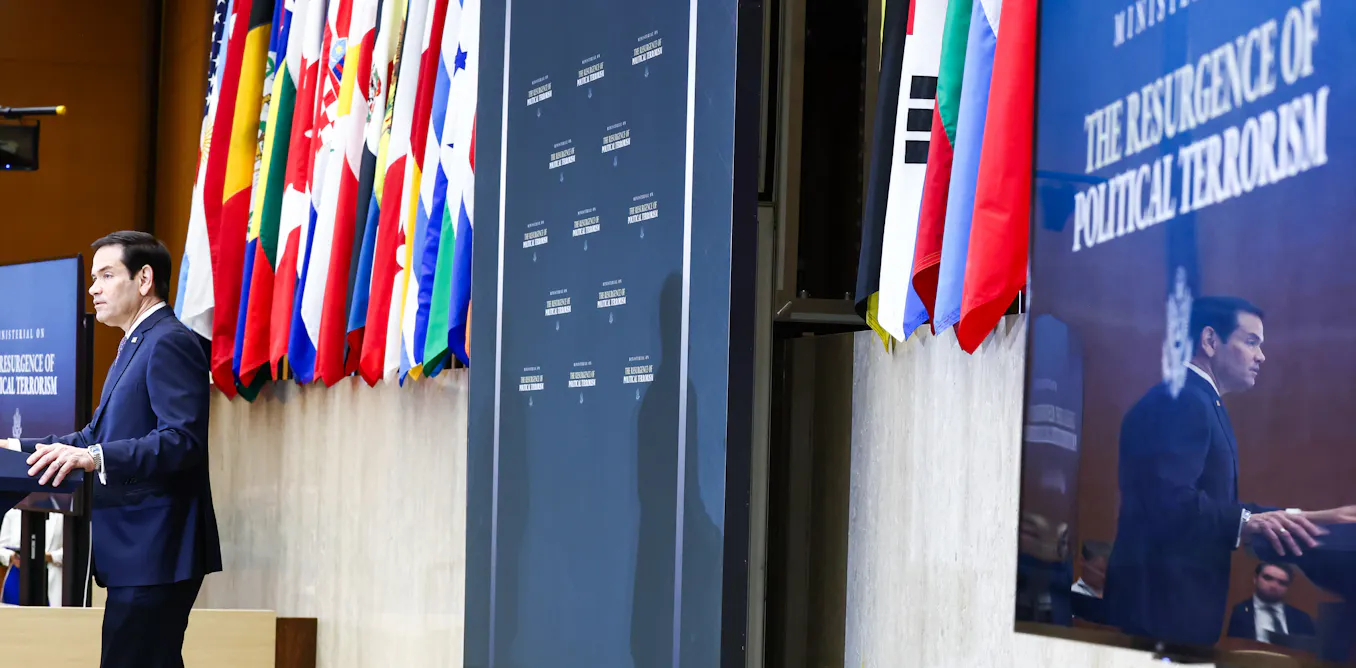
The Trump administration’s global campaign against ‘radical left terrorism’ is built on a national security memo without congressional approval
Almost a year after President Trump authorized preemptive law enforcement measures based on political or ideological beliefs, a wave of terrorism prosecutions against left-wing protesters has begun.
The Trump administration’s global campaign against ‘radical left terrorism’ is built on a national security memo without congressional approval
Almost a year after President Trump authorized preemptive law enforcement measures based on political or ideological beliefs, a wave of terrorism prosecutions against left-wing protesters has begun.
Records Reveal How Homeland Security Agents Surveilled ICE Protesters
Spokane police documents show a DHS task force officer tracing protesters’ cars, identities, and whereabouts without alleging any wrongdoing.

Peters Report Finds Trump Administration Has Dismantled Critical Counterterrorism Infrastructure and Weaponized What Remains Against Political Opponents, Leaving Americans Vulnerable to Terror Threats - Committee on Homeland Security & Governmental Affairs
Senator Gary Peters released a new report detailing how the Trump Administration has systematically dismantled key elements of the nation’s post-9/11 counterterrorism infrastructure, diverting personnel and resources away from preventing terrorist attacks, and increasingly weaponizing other counterterrorism authorities for political purposes.
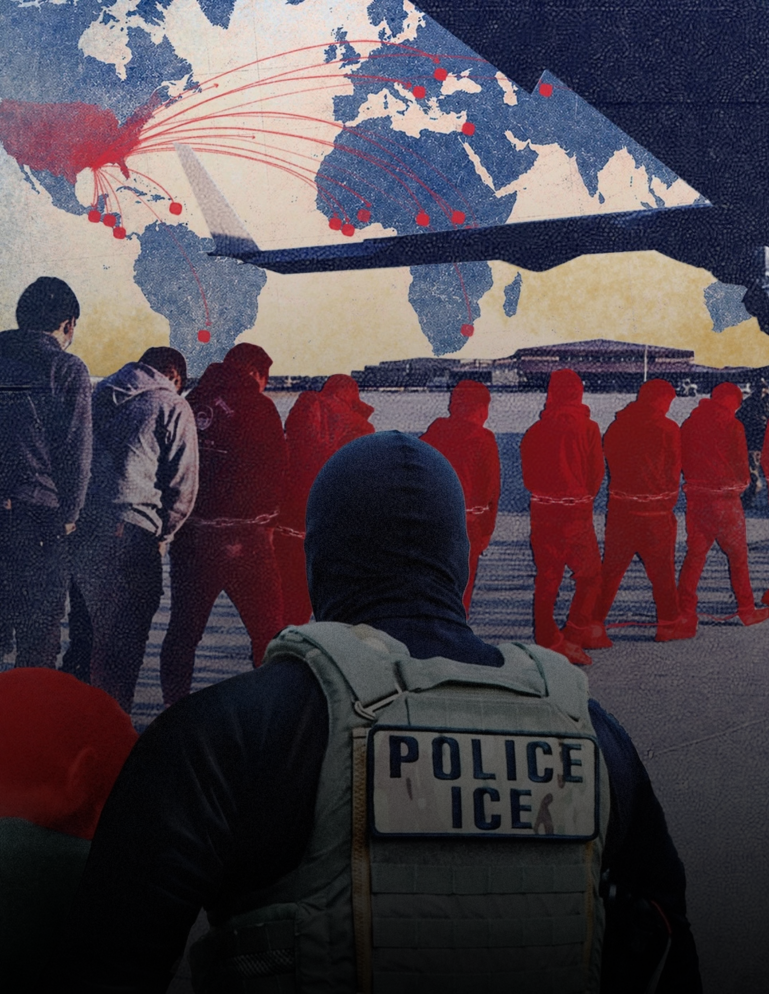
The Deportation Project: Inside the Trump administration's secret deals to expel people worldwide - Forbidden Stories
72 journalists, 26 news organizations, 15 countries: a global investigation into the Trump administration’s secret third-country deportation system
USA: « We had whistles, they had guns »: Human Rights Violations in U.S. Immigration Enforcement Operations and the Case to Abolish ICE
Amnesty International has documented that, since taking office on 20 January 2025, the Trump administration has subjected migrants, asylum seekers and refugees to a wide range of human rights violations. The administration is implementing a mass detention and deportation system, fuelled by racist, xenophobic and false narratives and white supremacist theories, whose objective is to […]

USA: "We had whistles, they had guns": Human Rights Violations in U.S. Immigration Enforcement Operations and the Case to Abolish ICE - Amnesty International
Amnesty International has documented that, since taking office on 20 January 2025, the Trump administration has subjected migrants, asylum seekers and refugees to a wide range of human rights violations. The administration is implementing a mass detention and deportation system, fuelled by racist, xenophobic and false narratives and white supremacist theories, whose objective is to […]

Left-Wing Group Too Disorganized For FBI Agents To Infiltrate
NEW YORK—Admitting that they had been working for several years without any discernible success, FBI agents confirmed Wednesday that a local left-wing political group was too disorganized to infiltrate. “We’ve had a few guys in there posing as members and trying to manipulate them into committing acts of violence we can arrest them for, but these people don’t ever do anything violent—they don’t ever do anything at all,” an undercover FBI agent told reporters, adding that the agency believed they’d made headway with turning the leader of the Liberation Socialists group into an informant until the guy didn’t show up to a meeting for months. “These people are incredibly disorganized. We try to attend their meetings to get them to unwittingly work on our behalf, but half the time no one shows up but the undercover agents, and the other half of the time the meetings are so confusing it’s impossible to follow what they’re actually trying to do. We also tried to sow division in their ranks to ensure that they couldn’t become powerful, but that didn’t work because these people already all fucking hate each other. They spend all their time arguing about minutiae, and most of the time when we try to talk them into doing something violent to the communal spaces in their community, they don’t even know where to go. They’re just a mess.” The FBI agent added that he was worried the left-wing organization was on to him, as he’d already aroused suspicion by interrupting a meandering discussion of principles with a straightforward plan of action.

Deportation Data Project
The Deportation Data Project obtains, posts, and analyzes internal U.S. government immigration enforcement data via public records litigation.
Far Right Groups Targeting Pride Month - Google My Maps
Tracking the far right anti-LGBTIQ activists, Christian Nationalists, White Supremacists, and violent extremist groups targeting LGBTIQ events during Pride Month. Incident Report: https://tinyurl.com/PrideIncident Map Information: https://tinyurl.com/MappingPride #DefendPride Resources: https://itsgoingdown.org/defendpride/ Project of Radical Reports: https://www.radicalreports.org Contact: radicalreportsnewsletter@gmail.com
The State of Anti-AA/PI Hate in 2025 - Stop AAPI Hate Action
Half of AA/PI adults experienced hate during Trump's second term, with half also feeling the chilling effects of his anti-immigrant policies—regardless of citizenship.

DOJ Using Gang, Terrorist Prosecutors To Ensure People Opposed To Trump Are Treated Like Gang Members, Terrorists
The authoritarianism has been out in the open pretty much since day one with this presidency. Things that leak out around the edges — unaccompanied by official statements, announcements, or r…

They Walk Among Us - Criminal ICE and Border Agents — Ohio Immigrant Alliance
The Ohio Immigrant Alliance released “They Walk Among Us: A List of 59 Sexually and Physically Abusive ICE and Border Agents,” an analysis of sexual and violent crimes committed by ICE and Border Patrol agents. It report documents 59 cases of violent and/or sexual criminal acts by DHS employees.

Third-country removals: CECOT

Search terms: Terrorism Confinement Center, Centro de Confinamiento del Terrorismo, Tecoluca, El Salvador

“You Have Arrived in Hell”

Watch the 60 Minutes Inside CECOT segment Bari Weiss doesn’t want you to see

Read the CBS Report Bari Weiss Doesn’t Want You to See