

This is a fundamental error in the SIAI analysis. CFAI 4.2.1 says "If an effort to get Congress to enforce any set of regulations were launched, I would expect the final set of regulations adopted to be completely unworkable." It further says that government regulation of AI is unnecessary because "The existing force tending to ensure Friendliness is that the most advanced projects will have the brightest AI researchers, who are most likely to be able to handle the problems of Friendly AI." History vividly teaches the danger of trusting the good intentions of individuals.
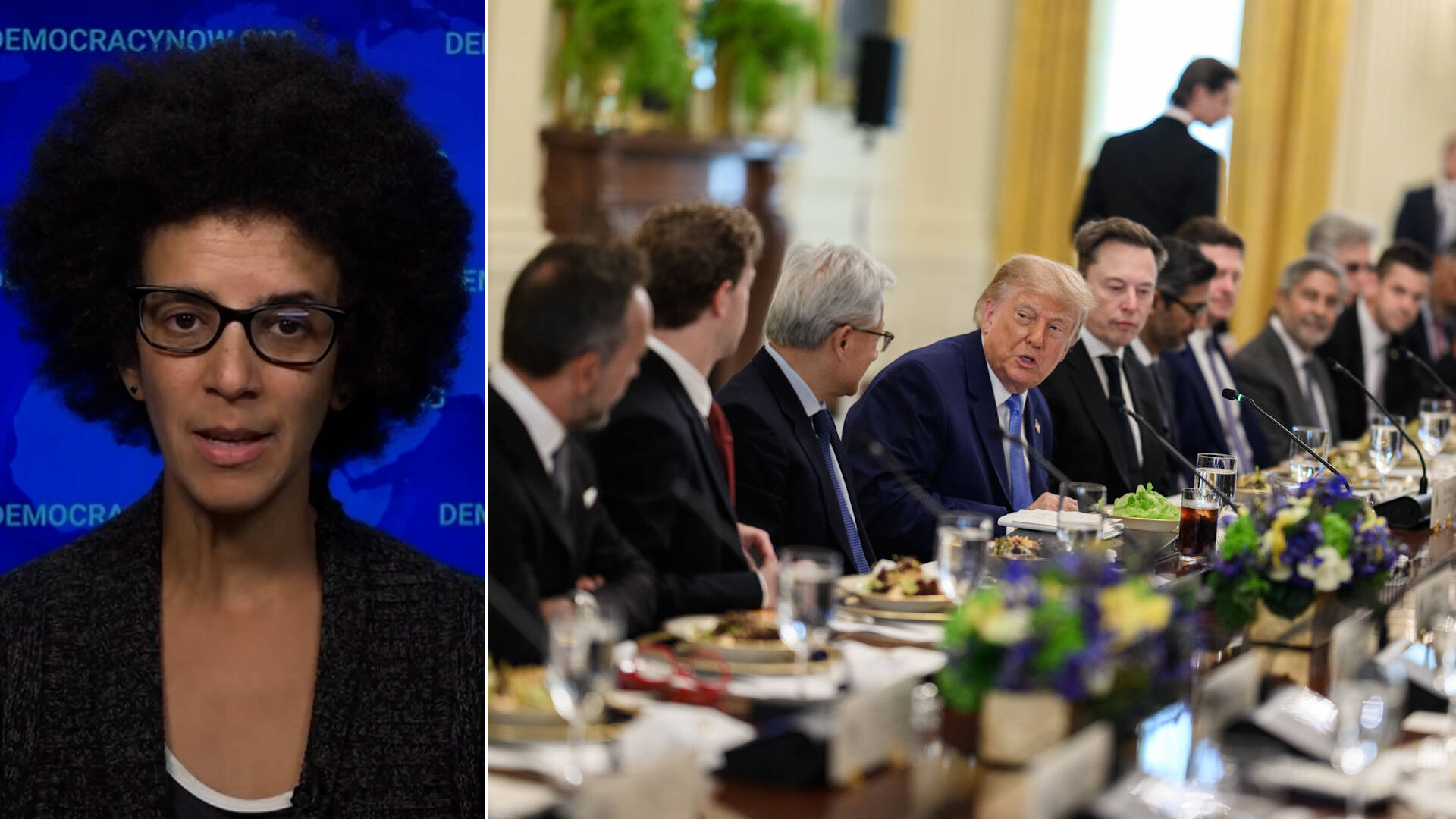
The Real Existential Risk Is AI CEOs Avoiding Oversight: “Alternative Nobel” Winner Timnit Gebru
We speak to the prominent AI researcher and leading critic of the AI industry, Timnit Gebru, who was recently awarded a 2026 Right Livelihood Award for her work investigating the harms and hype behind the global buildup of artificial intelligence. “Instead of discussing faulty, unreliable systems,” Gebru says tech leaders like SpaceXAI’s Elon Musk, OpenAI’s Sam Altman and Anthropic’s Dario Amodei are “marketing their systems as all-knowing, superpowerful, superintelligent,” and lobbying for “self-policing and self-regulation” to avoid being held “liable through existing laws.” Gebru expresses skepticism over increasingly widespread claims that AI algorithms pose an existential risk to humanity, warning that such claims are overblown and that “what is actually happening is regulatory capture.”
3: Consulting the Record: AI Consistently Fails the Public - AI Now Institute
Amid the excitement over AI’s (speculative, hypothetical) potential, we have lost sight of the sobering reality of its present and recent past. AI is already intermediating critical social infrastructures, materially reshaping our institutions in ways that ratchet up inequality and concentrate power in the hands of the already powerful. It is consistently deployed in ways […]
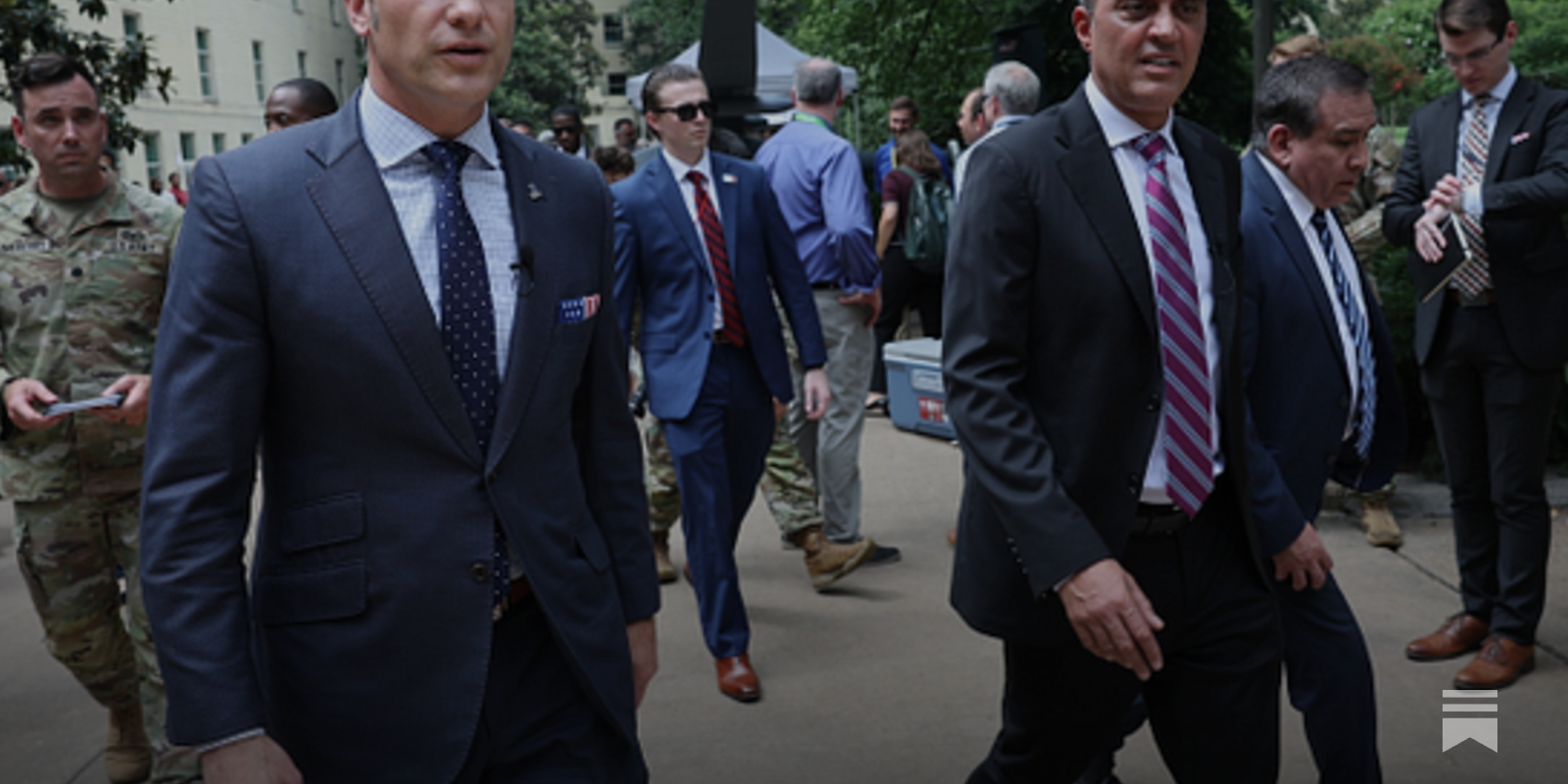
Where AI Regulation Stands Today
The White House has released a National Artificial Intelligence Legislative Framework and new executive orders aiming to establish a single, nationwide standard for AI regulation...

The Pentagon’s bombshell deal with OpenAI, explained
Only Congress can put meaningful limits on government abuse of AI.
Welcome to the AGI era of AI governance
It's a one-way door and we weren't ready for it.
How AI Destroys Institutions
Civic institutions—like the rule of law, higher education, and a free press—are the backbone of democratic life. They are the mechanisms through which complex s

Governments Can’t Agree on What AI Actually Is
Without clear definitions, governance is impossible.

We All Hate AI, but if You’re Poor, It Can Really Ruin Your Life
Debt collection. Parole decisions. Oversight of public services. It’s all being outsourced to AI, with terrible consequences for poor people.

Study maps how ‘Big AI’ influences AI laws and oversight — Centre for Technomoral Futures
AI companies influence policy and regulation using similar techniques to Big Tobacco, Big Pharma and Big Oil, according to a new study by colleagues at University of Edinburgh, Trinity College Dublin, TU Delft and Carnegie Mellon University.

Statement from Dario Amodei on our discussions with the Department of War
A statement from our CEO on national security uses of AI
AGI’s Bureaucratic Future · Pax Machina
AGI won’t do away with bureaucracy. Markets and democracies still run on shared rules. Used well, AI could make the institutions behind those rules more capable and easier to hold accountable.

OpenAI president urges AI safeguards as group he funds opposes regulation
As OpenAI executives step up their public calls for federal AI safety rules, a political group the company’s president helped fund is spending millions to elect members of Congress who oppose restrictions on the technology.

AI Regulation: The Politics of Fragmentation and Regulatory Capture
Filippo Lancieri is an Associate Professor of Law at Georgetown University Law Center.
Import AI 456: RSI and economic growth; radical optionality for AI regulation; and a neural computer
What laws does superintelligence demand?

> the central promise of “ai” is that nothing is worth doing and that community doesn’t exist. It’s individual entitlement as software. It’s Thatcherism. post.lurk.org/@emenel/117441848350524047
emenel (@emenel@post.lurk.org)
post.lurk.org

