

A language for authoring state machines.
The Initial State: Planting the seeds | StateML
A language for authoring state machines.
Building a conceptual framework around the design of StateML | StateML
A language for authoring state machines.
The symbolic boundary of statecharts; hidden between the visual formalism and executable schematic | StateML
A language for authoring state machines.
Pretty State Machine Patterns in Rust
A computer scientist working in open source towards a more hopeful future.
Steve Ruiz on Twitter / X
good prompt "find all of the implicit state machines in my app"— Steve Ruiz (@steveruizok) October 31, 2026
Structured Outputs with Will Kurt and Cameron Pfiffer - Weaviate Podcast #119!
System: Formalizing Science: From Open Corpus to Computable System
Open access made much of the scientific record openly available. An enormous opportunity now exists to make it computable and systemic.

f0lkl0r3.dev — Computer History Museum Oral Histories
The people who built the future, in their own words. Oral history interviews from the Computer History Museum, enriched with AI-generated context, visuals, and connections.
English Language Arts Standards » History/Social Studies » Grade 11-12 » 4 | Common Core State Standards Initiative
Determine the meaning of words and phrases as they are used in a text, including analyzing how an author uses and refines the meaning of a key term over the course of a text (e.g., how Madison defines faction in Federalist No. 10).
Compiling knowledge, not retrieving it: a hands-on deep dive into llm-wiki-compiler
The thesis of this piece is simple and uncomfortable: the problem of making an LLM “remember” what you’ve read isn’t solved with more…
Computer: A History of the Information Machine
Computer: A History of the Information Machine is a history of computing written by Martin Campbell-Kelly and William Aspray first published in 1996. It follows the history of "information machines" from Charles Babbage's difference engine through Herman Hollerith's tabulating machines to the invention of the modern electronic digital computer. A revised 2nd edition published in 2004 included new material on the Internet and World Wide Web, while the updated 3rd edition published in 2013 includes contributions from historians Nathan Ensmenger and Jeffrey Yost. The 3rd edition extends the story to include recent phenomena such as social networking and revises the discussion of early history to reflect new insights from the literature.

Can LLMs track state changes over long texts—like an object changing hands or a variable reassignment? On our new StateBench eval, frontier models including GPT-6 Sol & Claude Opus 5.5 fell to 13% accuracy or lower on the hardest, longest problems. 🧵 buff.ly/NF3iDYc
LLM Wikis

AI-compiled knowledge bases
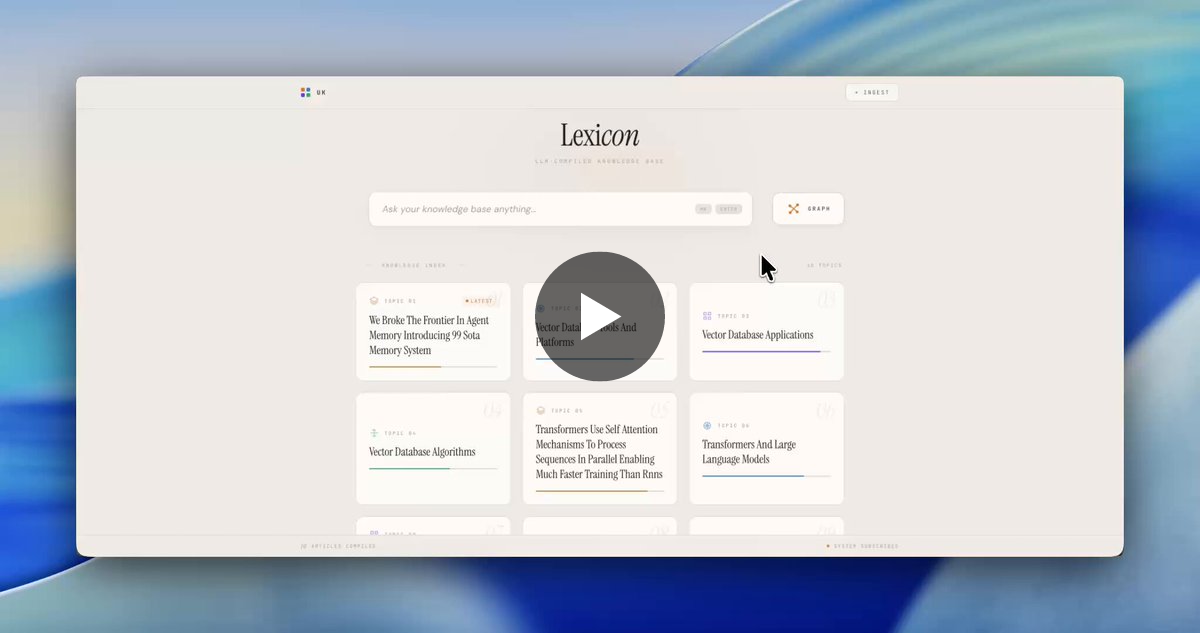
Jared Goering on Twitter / X
OpenWiki: Open Source Repo Documentation for Coding Agents
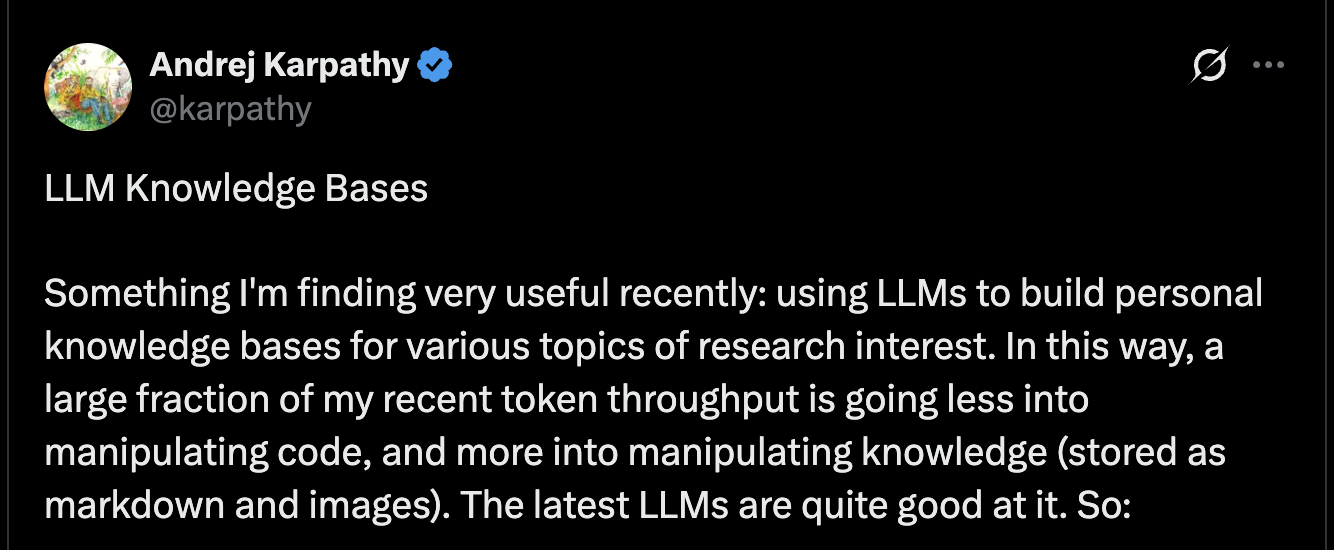
Wiki Memory

The Obsidian heads were right.
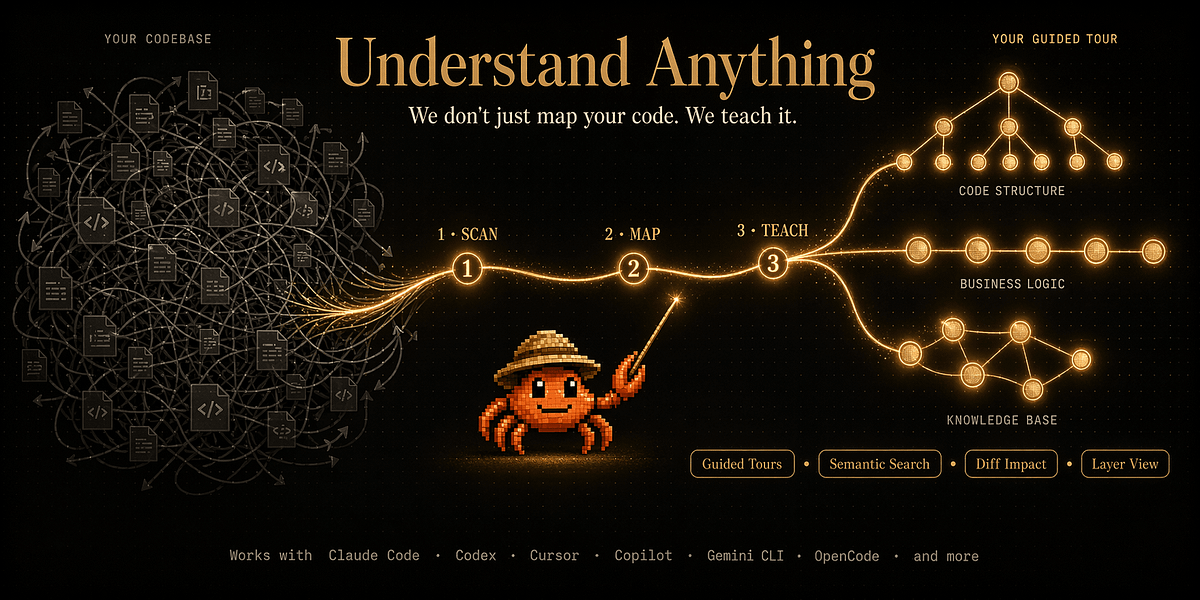
The Definitive Guide to Understand Anything: Turning Code and Knowledge Into Graphs That Teach
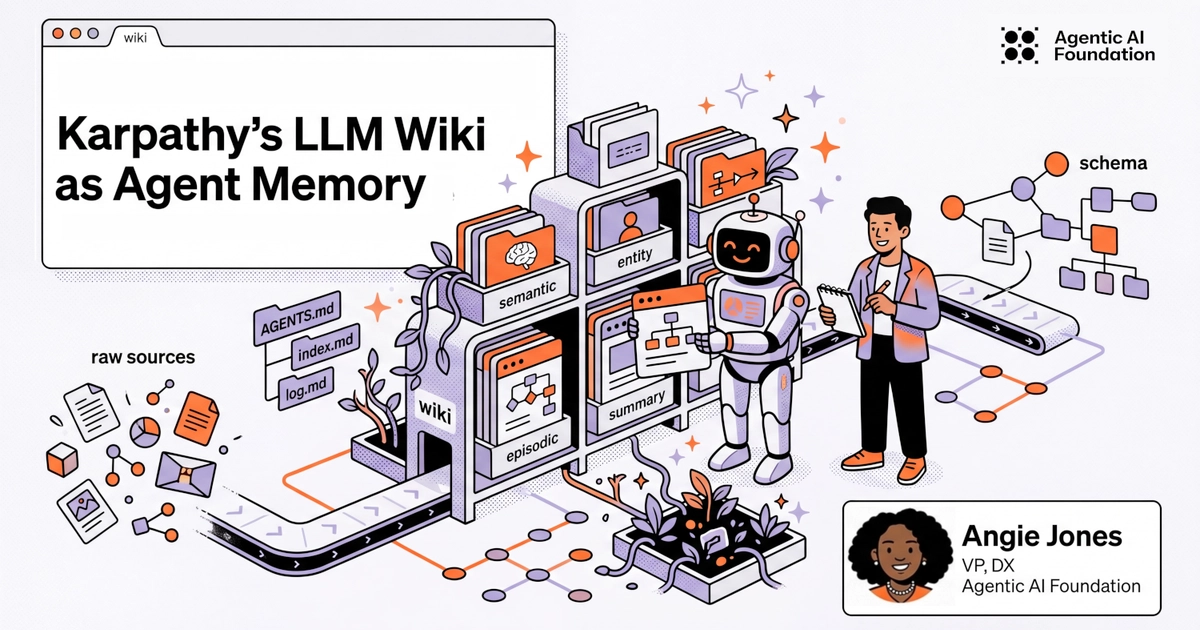
Karpathy's LLM Wiki as Agent Memory - Agentic AI Foundation (AAIF)
