

“If the Internet was a country, it would be the 13th largest polluter”
Long Live the Web: A Call for Continued Open Standards and Neutrality
The Web is critical not merely to the digital revolution but to our continued prosperity—and even our liberty. Like democracy itself, it needs defending

Home - Green Web Foundation
We need a fossil free internet by 2030. The internet is the world's biggest coal powered machine, and this is bug in the system we can fix.
We Need To Rewild The Internet
The internet has become an extractive and fragile monoculture. But we can revitalize it using lessons learned by ecologists.

The Internet is a Global Public Resource | The Mozilla Blog
One of the things that first drew me to Mozilla was this sentence from our manifesto: “The Internet is a global public resource that must remain open and
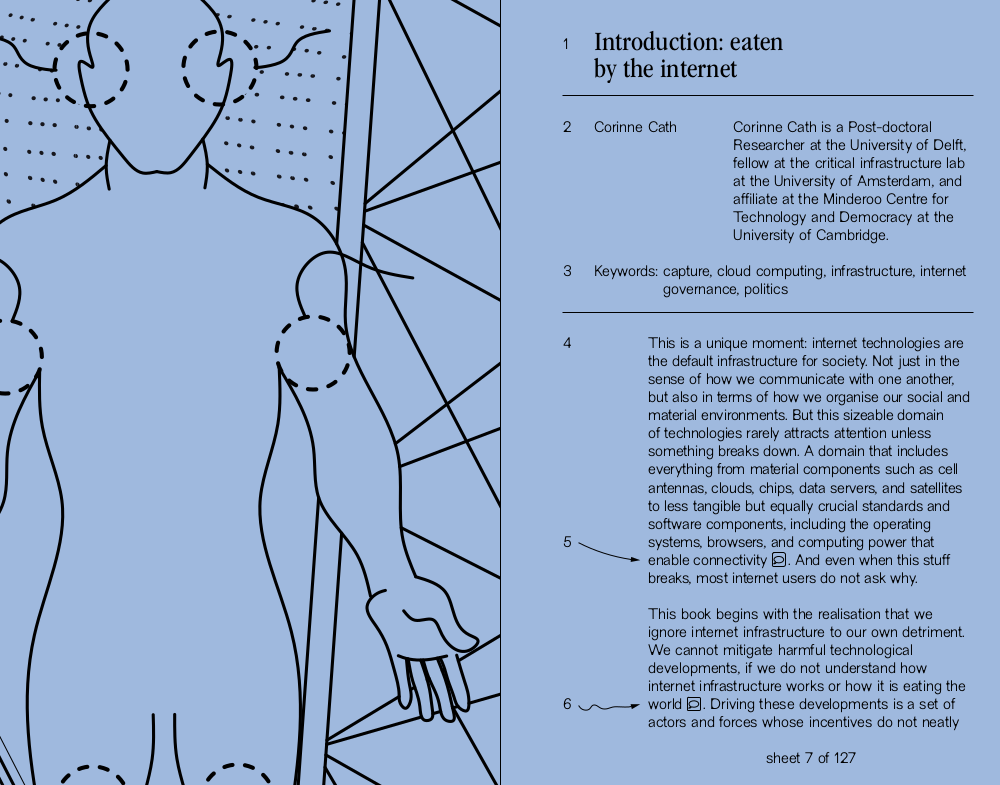
Eaten by the Internet
This book makes internet infrastructure visible as a force of political power, which is transforming the social world, from the bottom up—through fifteen chapters contributed by a global set of researchers, activists, and techies. We are living a unique moment: internet technologies are the default infrastructure for society, not just how we communicate but also how we organise our social life, politics, and economy, all the way down to our material environments, like cities. Our world is eaten by the internet. This means that those who control the internet control the bounds of public speech, economic production, social cohesion, and politics, making its infrastructure a core political terrain in the networked age. The book’s chapters cover a wide set of topics, spanning from the global politics of content moderation by internet infrastructure to the colonialism inherent in the race to plug the moon, from the harms wrought by blockchain companies in rural America to the particularities of online censorship across Asia. The chapters take on thorny topics, discussing power consolidation in the advertisement and cloud industry, the role of internet infrastructure in the war in Ukraine, and tech’s environmental impact—amongst others. In doing so, this book roots contemporary technology debates in the politics of internet infrastructure and urges us to ask how can we ensure our infrastructures sustain us, rather than consume us?
Opinion | How to Save the Web (Published 2018)
Governments, businesses and users around the world must commit to a set of fundamental principles for the web.

Tim Berners Lee: Thoughts On The Internet Evolution
"I’ve always believed the web is for everyone. That's why I and others fight fiercely to protect it."

The web can be weaponised – and we can't count on big tech to stop it | Tim Berners-Lee
It’s dangerous having a handful of companies control how ideas and opinions are shared. A regulator may be needed
Saying “No” In an Age of Abundance
Writing about the big beautiful mess that is making things for the world wide web.
Reimagining the Browser for a Green Web - Branch
The web must operate within planetary limits by phasing out fossil fuels, and reducing absolute emissions across supply chains.
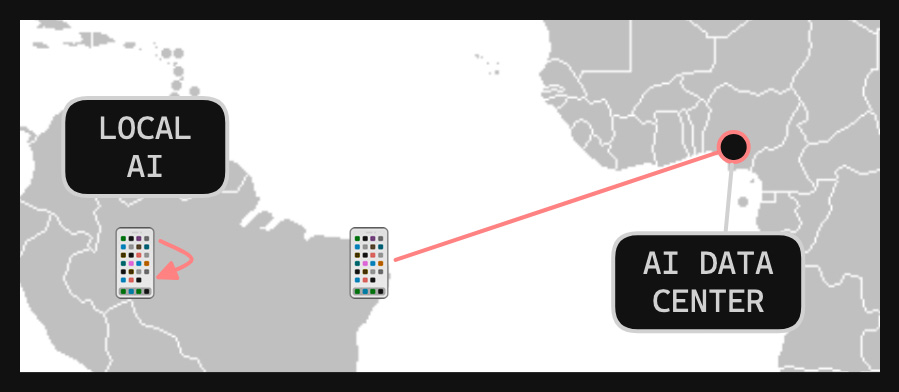
You Might Debate It — If You Could See It
Writing about the big beautiful mess that is making things for the world wide web.
The Case for Open Sovereignty in a Fragmenting Internet
Once, the Internet promised to dissolve borders. It was humanity’s great experiment in connection — a place where ideas, innovation, and communities could move freely, unburdened by geography or...

The Missing Building Blocks of the Web
At a time when millions are losing trust in the the web’s biggest sites, it’s worth revisiting the idea that the web was supposed to be…


The Group That Rules the Web
Billions of humans will use the Web over the next decade, yet very few of those people are in a position to define what is “the Web” and what isn’t.

Fix the internet, save democracy

The internet has evolved into a state that is actively hostile towards global democracy. A thesis is emerging that to save global democracy, you must fix the internet.
The IndieWeb Is Punk Manifesto
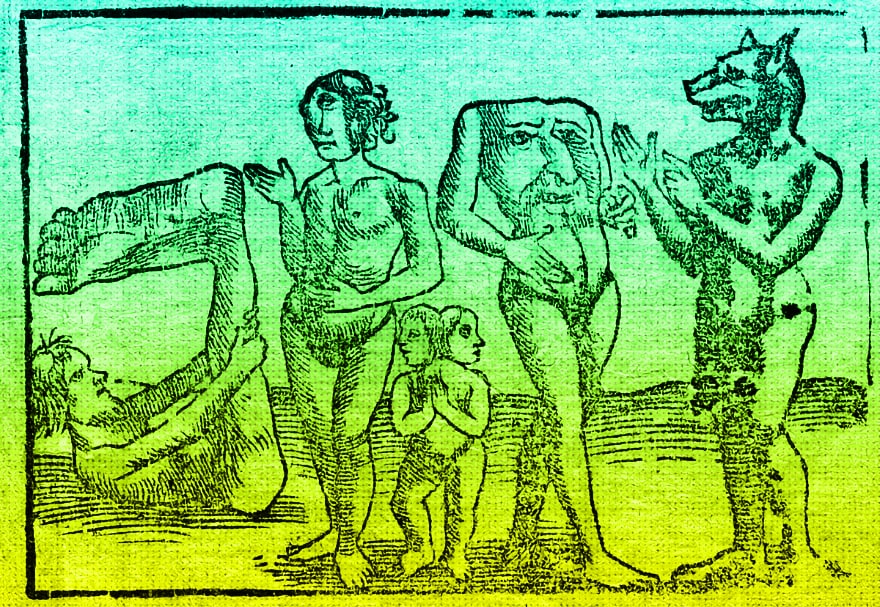
The Retweeting Class

Funding The Web: From Cartel to Covenant

Protocols, Not Platforms: A Technological Approach to Free Speech

The architecture of the internet creates risks for democracy