

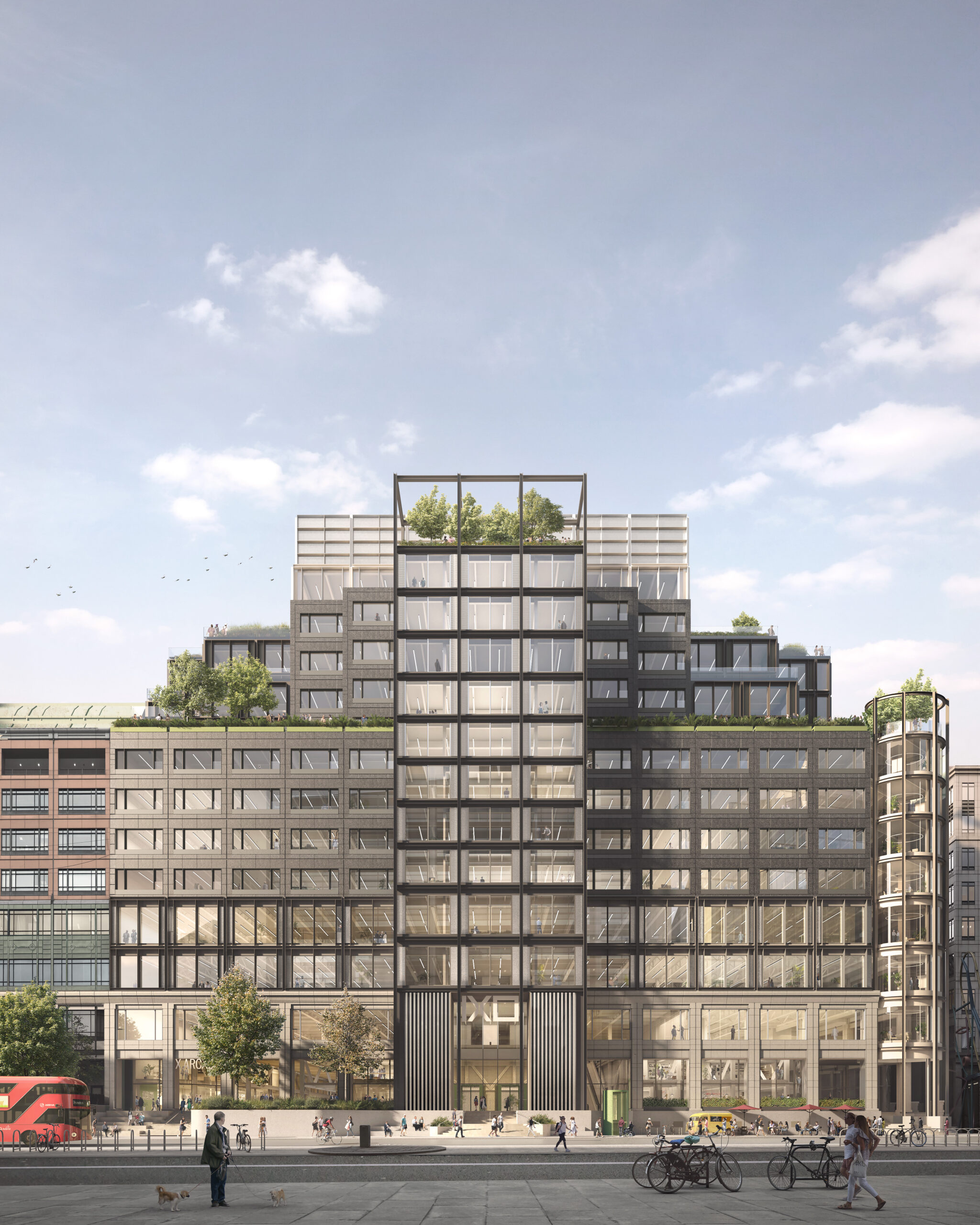
Transforming society together

How Does Circular Economy Work In Sustainable Construction? - Construction Jobs
Circular Economy
The circular economy prioritises the reuse of materials, preventing the over extraction of natural resources and usable materials that end up in landfill.

Circular economy in the building and construction sector: A scientific evolution analysis
The building industry is responsible for considerable environmental impacts due to its consumption of resources and energy, and the production of wastes. Circular Economy (CE), a new paradigm can significantly improve the sustainability of this sector. This paper performs a quantitative scientific evolution analysis of the application of CE in the building sector to detect new trends and highlight the evolvement of this research topic. Around 7000 documents published 2005 to 2020 at Web of Science and Scopus were collected and analyzed. The bibliometric indicators, network citation, and multivariate statistical analysis were obtained using Bibliometrix R-package and VOSviewer. The co-occurrence analysis showed five keyword-clusters, in which the three main ones are: (i) energy and energy efficiency in buildings; (ii) recycling, waste management and alternative construction materials; (iii) sustainable development. The analysis showed that researchers pay close attention to “sustainability”, “energy efficiency”, “life cycle assessment”, “renewable energy”, and “recycling” in the past five years. This paper highlights that (i) the development and use of alternative construction materials; (ii) the development of circular business models; (iii) smart cities, Industry 4.0 and their relations with CE, are the current research hotspots that may be considered as potential future research topics.
CIRCULAR ECONOMY IN CONSTRUCTION – MAXIMIZING RESOURCE EFFICIENCY AND MINIMIZING WASTE
Circular economy in demolition: Repurposing waste to fuel new builds
Evelyn Long discusses the importance of the UK’s circular economy in demolition and how it should not only be maintained, but pushed further
Design principles for long-lived circular organization: An Ostromian perspective
Circular organizational templates such as holacracy and sociocracy have gained popularity. In such organizations, all members have rights to participate in decision-making. Which factors enable such organizations to sustain their circular form? We investigate 18 highly diverse circular organizations to answer this question. Our findings show that Elinor Ostrom’s design principles for avoiding the tragedy of the commons may also explain circular organizations’ longevity. With regard to their relevance, we sort these principles into three groups: indispensable, queasy, and quite unproblematic principles. Our main theoretical contribution is to show that circular organizations can be understood as commons, and thus to make research on the governance of commons fruitful for the design of circular organizations. We show that implementing circular forms has to mind especially the queasy design principles of monitoring, graduated sanctions, conflict resolution mechanisms, and balancing individual contributions and rewards.
Infrastructure for Interdependence: Building technology in service of collective power
[This document serves as a memo for investors]
What will be scarce?
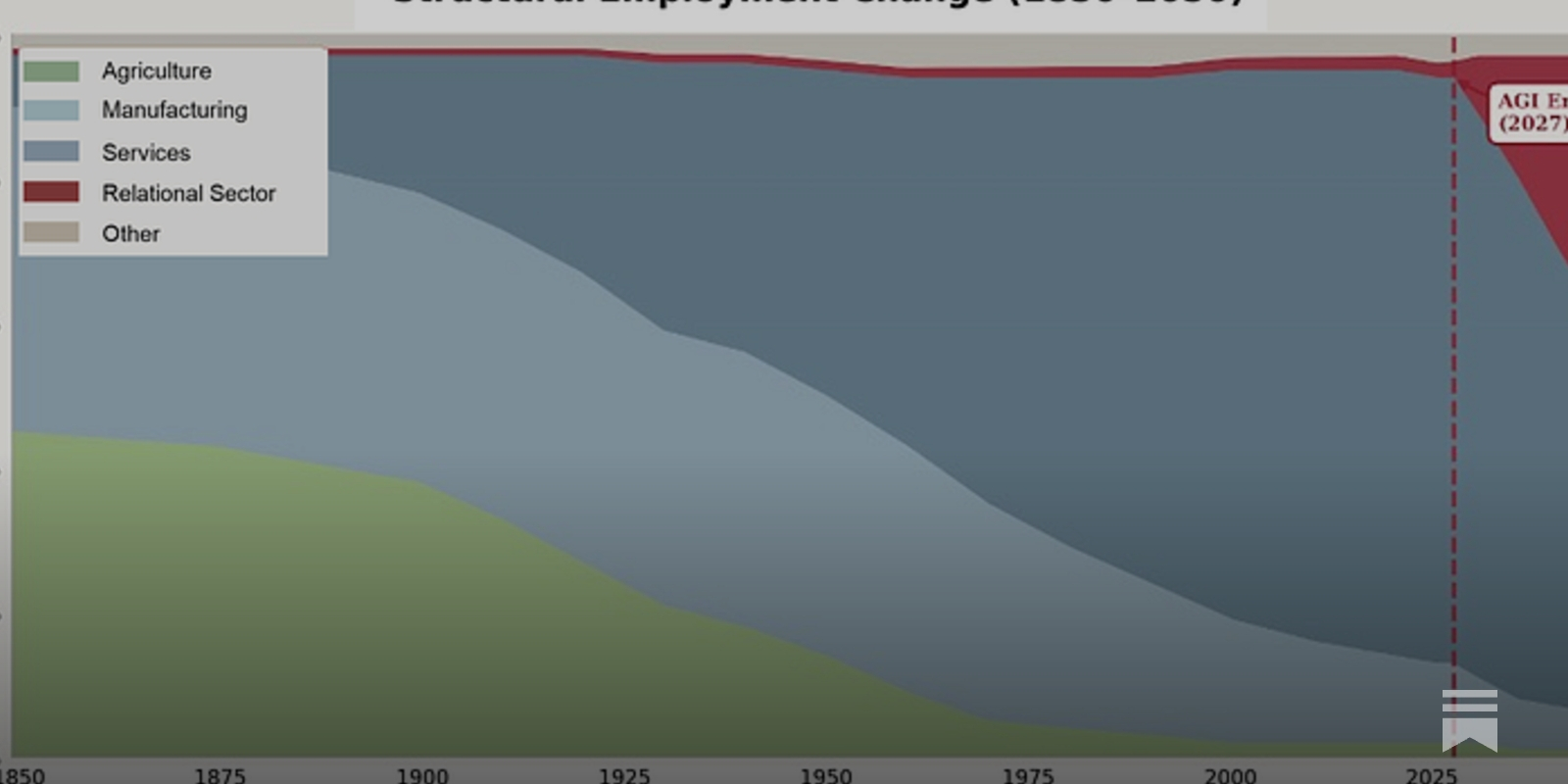
The economics of structural change and the post-commodity future of work
Constructionism | The Paper Pilot
The Paper Pilot's digital garden of thoughts on philosophy, politics, and sociology
Project Interlay | Post-Appitalism
Weaving a post-appitalist future. Decomposing the data silos of capitalist business models.

Fab City Prototypes — Designing and making for the real world
This article is the extract of the proposal submitted by the Fab City global initiative to the European Commission call for Circular…
Digital Construction Week | Innovation in the built environment
The UK’s leading event for innovation and technology in the built environment. Explore the latest developments in digital construction.
A compass for a Life-Affirming Economy
This is an invitation to stand at the intersection of Self, Culture, and Science and imagine what flourishing in a life-affirming economy…

Economics for the future – Beyond the superorganism
Our environment and economy are at a crossroads. This paper attempts a cohesive narrative on how human evolved behavior, money, energy, economy and th…
L’incontournable trilemme de l'économie mondiale
Traduction française de Dani Rodrik (2012), « The inescapable trilemma of the world economy »
.png)