


We build implantable Brain-Computer Interfaces to protect what makes you human.
ABILITY | Restoring Communication Through Brain-Computer Interfaces
ABILITY Neuro - Restoring communication through next-generation brain-computer interfaces
Synaptrix Labs | AI powered Brain-computer interface Solutions
Introducing Neuralis by Synaptrix Labs, the first device that allows paralyzed patients to move their wheelchairs through brain activity alone, powered by our novel AI based EEG signal processing model that makes it possible.

Neuralink implant enables patient to make YouTube videos with generative AI’s help
Smith is the first non-verbal individual and only the third person globally to receive a Neuralink Brain-Chip Interface (BCI) implant.
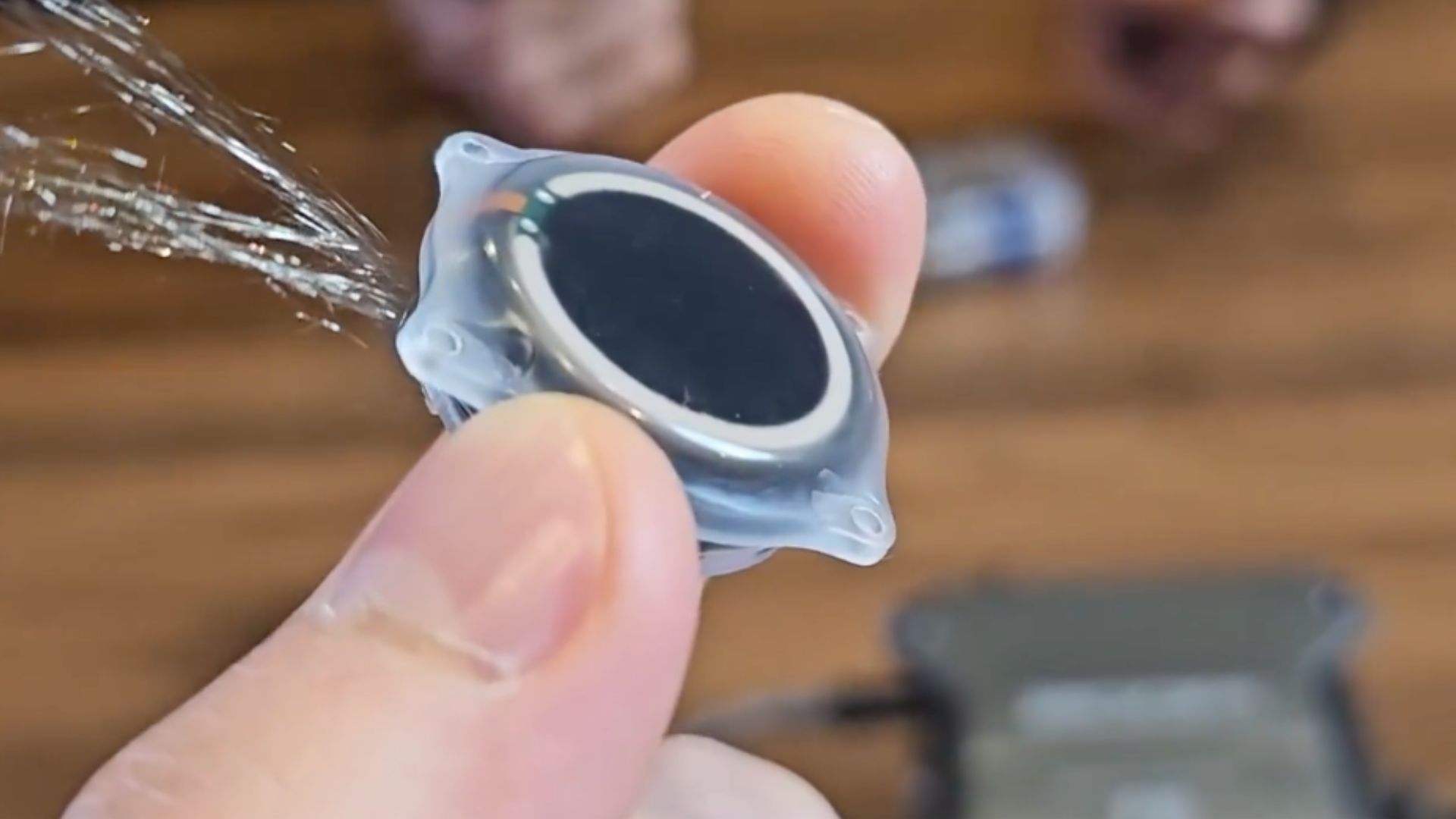
Motif Neurotech — Therapeutic Brain Computer Interface For Mental Health
We're building devices to help you monitor and regulate your mental health and performance.
.png)
Yneuro | The startup behind Neuro ID®
Imagine a world where technology and human experience blend seamlessly. At Yneuro, we’re building that world. As pioneers in neurotechnology, we craft AI-driven software solutions that transcend global barriers. Celebrated in startup ecosystems and competitions, Yneuro is redefining digital interaction, making advanced technologies intuitive and accessible for everyone. Join us as we merge technology and human cognition, creating unprecedented possibilities.

Brainrot: Deskilling and Addiction are Overlooked AI Risks | Proceedings of the 2026 ACM Conference on Fairness, Accountability, and Transparency
As part of the Digital Library's transition to Open Access, new features for researchers are available in the Premium Edition. Click here to learn more.

The more we rely on tech, the more we deskill our bodies | Aeon Essays
We are, moment by moment, doing less sensing, navigating, remembering, walking, choosing, and attending

UK Patent Filed for Hair-Inclusive EEG Electrode by Synaptive | Synaptive posted on the topic | LinkedIn
Big news from us 🎉 We've just filed a United Kingdom patent application on our hair-inclusive EEG electrode, the first step in taking this from prototype to something that actually reaches the labs and people who need it. For too long, EEG hardware has quietly excluded people based on hair type. Thick, coily, tightly curled, if your hair didn't fit the mould, your signal quality suffered, or you were excluded from studies altogether. That's not a small technical footnote. That's data that shapes diagnoses, treatments, and our understanding of the brain itself, built on a foundation that didn't include everyone. We built Synaptive to fix that at the hardware level, so good signal doesn't depend on who you are or what your hair looks like. Filing the patent is a huge milestone for us, and we're only getting started. If you're a researcher, lab, or manufacturer interested in electrodes that actually work for everyone, reach out on our website (synaptiveltd.co.uk). Thank you to everyone who's backed us on this journey so far ❤️ Synaptive : ) Rishan P. Peter Bryan Michael-Merlin (Merlin) Krý
The Second Brain That Grows Smarter and Lives on your Computer
How a spark from Andrej Karpathy, app called Obsidian, and “The Curator”, the app I built are changing the way I think.

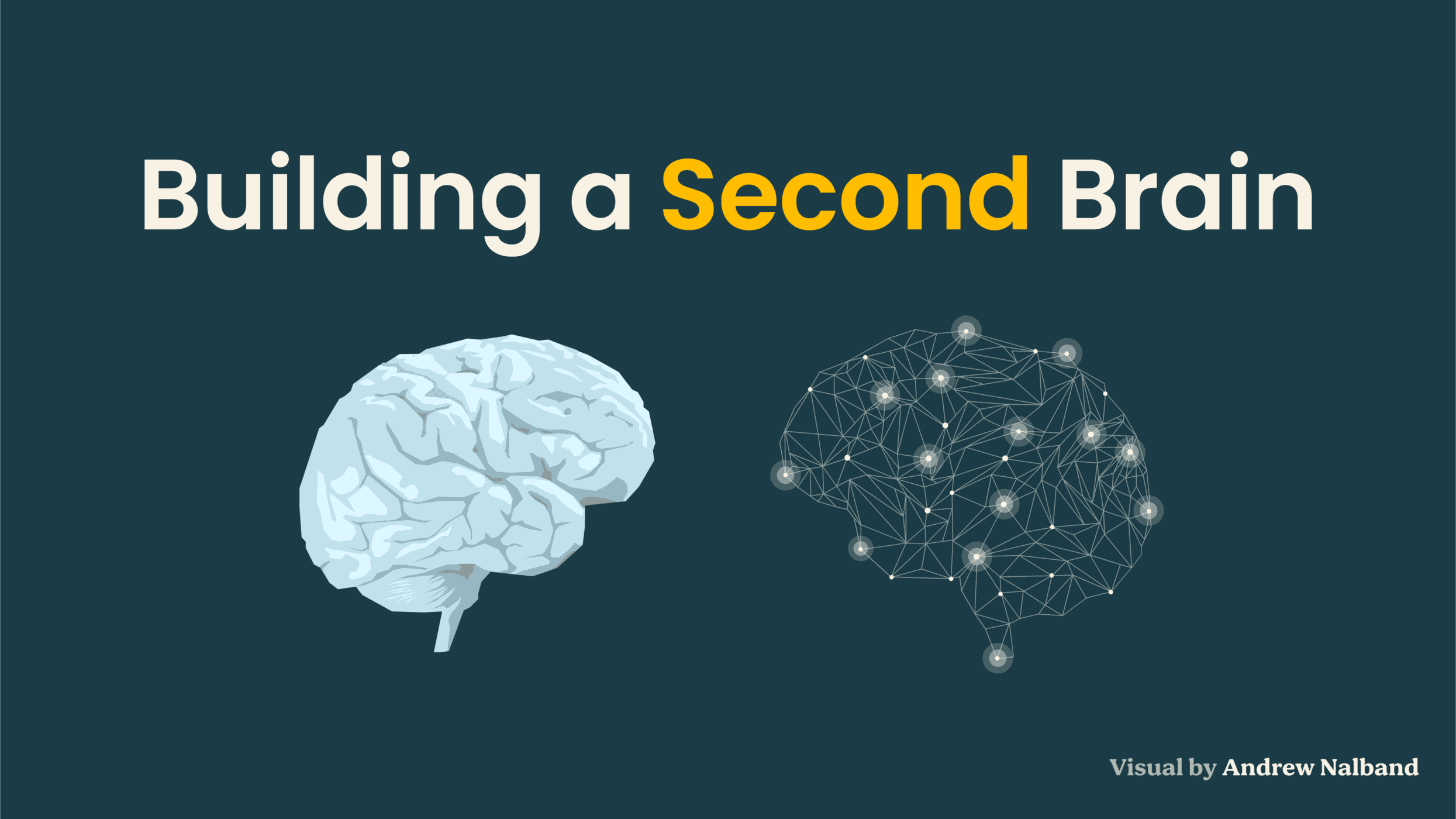
Building a Second Brain: The Definitive Introductory Guide
This is an introduction to Building a Second Brain, the proven method to organize your digital life and unlock your creative potential
Scaling Managed Agents: Decoupling the brain from the hands
Anthropic is an AI safety and research company that's working to build reliable, interpretable, and steerable AI systems.
The brain in the machine: How AI could help explain how we think | IBM
Scientists are using large AI models to predict patterns of brain activity at scale, a development that researchers say is pushing neuroscience toward a new kind of digital imaging.

Jeff Hawkins Is Finally Ready to Explain His Brain Research (Published 2018)
He created the mobile computing companies Palm and Handspring. But for decades his passion has been studying how the human brain works.

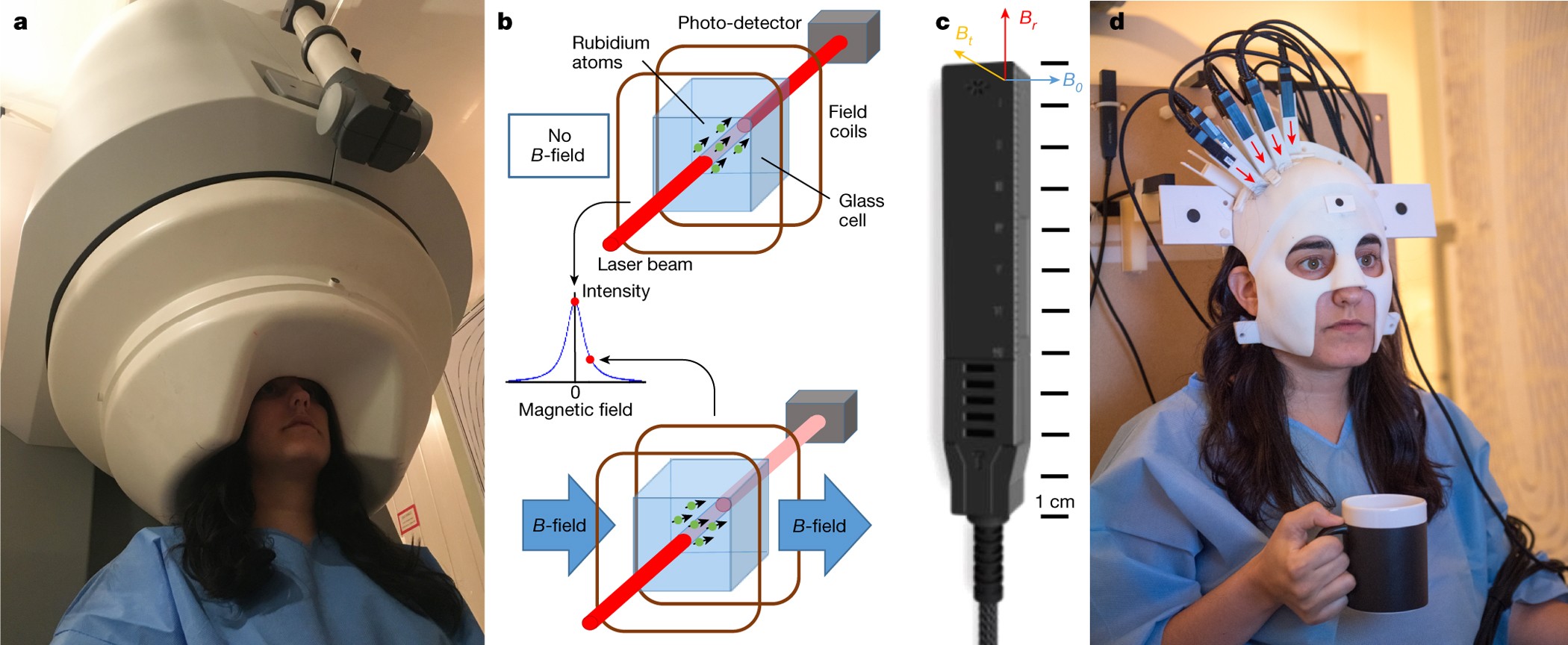
Moving magnetoencephalography towards real-world applications with a wearable system
A new magnetoencephalography system allows high-spatiotemporal-resolution imaging of human brain function in moving subjects.
Did Neuralink make the wrong bet?
The field of brain-computer interfaces is moving away from mind-controlled computer cursors to restoring speech.
