


From George Washington to Jill Biden, Black literature has long been plagued by ignorant white patrons, who arbitrarily anoint a few writers as symbols ...
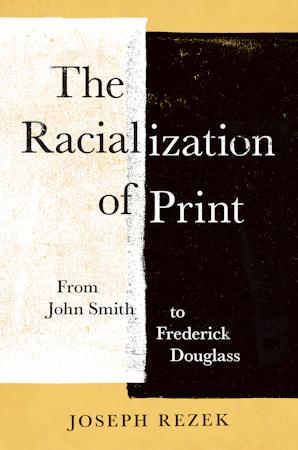
The Racialization of Print
Readers since Thomas Jefferson have believed it possible to judge entire races of people based on a single book, yet no one has attempted to explain the orig...
The Freedom to Write
PEN America stands at the intersection of literature and human rights to protect free expression in the United States and worldwide.
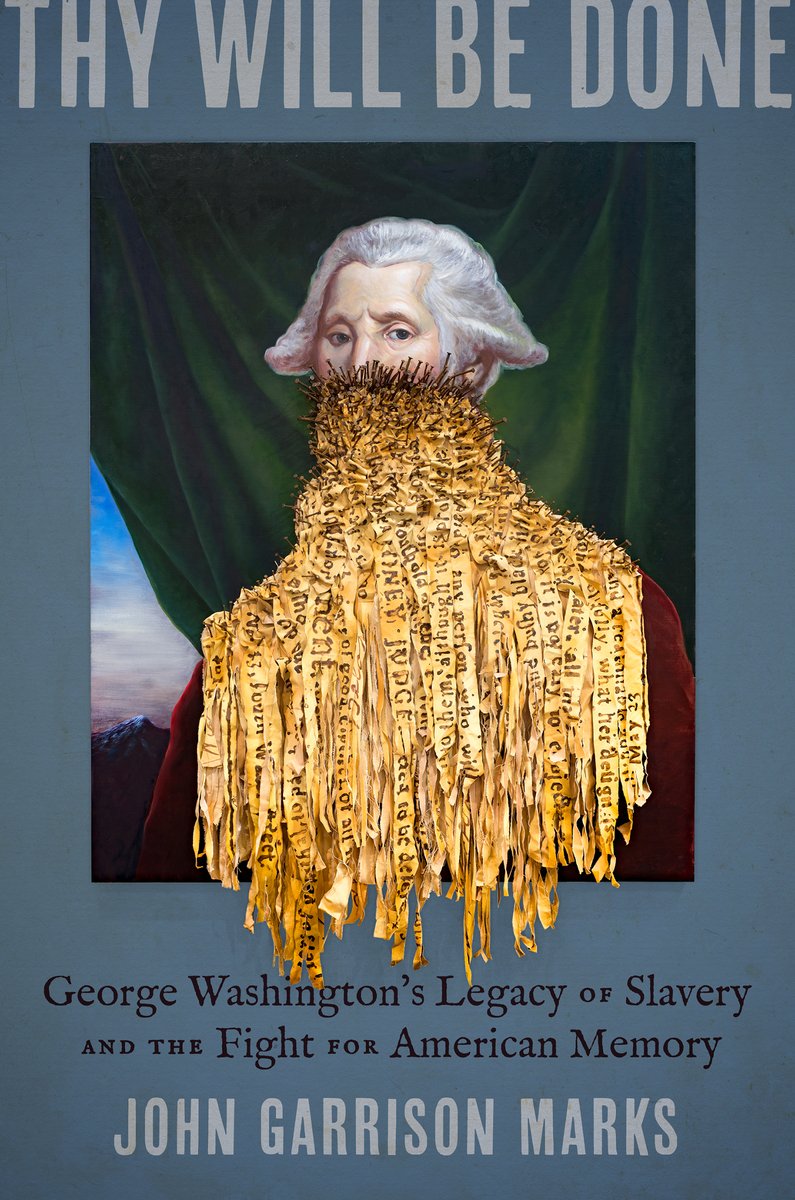
Thy Will Be Done: George Washington's Legacy of Slavery and the Fight for American Memory
George Washington's Legacy of Slavery and the Fight for American Memory

Reading Wars
Read online or download for free Reading Wars explores heated, even murderous, political struggles over who gets to read and what they get to read. Those conflicts, once again in the news, stretch back centuries. In this book, Don Herzog examines the history and politics of anxieties about readers and reading, spanning both the United States and Britain, from the 1500s right up to contemporary battles over banning library books and freedom of speech. In these pages, Herzog deftly interweaves episodes from Reformation England, when first Catholics and then Protestants cracked down on unsupervised Bible-reading, with the deadly campaigns in pre-Civil War America to keep black people – both free and enslaved – illiterate. Drawing on a wealth of primary sources, he reconstructs arguments insisting that ordinary men and women could not be trusted to read what they liked – indeed, that some of them ought not read at all. And he charts struggles to promote literacy. Herzog argues that at stake in these battles is whether some people – those banned from reading – are perceived as not fully human, or lesser persons than others. The radical campaign to let more or less everyone read more or less everything is ultimately, therefore, a campaign for equality. Click here to read praise for Reading Wars "In characteristically engaging and straight-forward language Don Herzog explores the debates past and present, largely in Britain and America, about whether or not to suppress reading. By taking seriously the arguments for suppressing or restricting books and their readers, Herzog suggests that those arguments turn on the claim that for some people reading is dangerous. This assumption, Herzog compellingly argues, ignores the fact that literacy is largely a social activity. In Reading Wars, Herzog develops a powerful liberal argument for literacy and reading. An argument, Herzog shows, that has incompletely triumphed." — Steve Pincus, Thomas Donnelly Professor of History, University of Chicago "Knowledge is power - which is why efforts to acquire knowledge through reading have been outlawed, suppressed through violence, and remain targets today. Don Herzog's Reading Wars tells the astonishing history behind the wars on reading in a readable, clever style, underscoring the stakes of many of the current fights over censorship and book bans." — Leah Litman, cohost of the podcast Strict Scrutiny and New York Times bestselling author of Lawless "A rich yet accessible introduction to the many ways in which society has attempted to restrict reading materials throughout British and United States history. Equal parts illuminating and horrifying, it lays the groundwork for the 21st century’s own shameful dabbles with censorship through its careful consideration of the key concerns and prejudices that structure each generation’s literacy battles." — Alison Hicks, Associate Professor in Library and Information Studies, UCL "Political theory, historical sense, worrisome texts, unheralded documents, and great storytelling join forces in Herzog’s virtuoso investigation of the brutal fighting over who gets to learn to read (and what) in early and late modern America and Britain. The bloodshed may have lessened, but we are still fighting, and Herzog shows the deeper stakes involved in reading’s relation to equality and personhood." — Mary G Dietz, John Evans Professor Emerita of Political Theory, Northwestern University , Reading Wars explores heated, even murderous, political struggles over who gets to read and what they get to read. Don Herzog examines the history and politics of anxieties about readers and reading, spanning the United States and Britain, from the 1500s right up to contemporary battles over banning library books and freedom of speech.

Authorship, division of labour, material and digital form; thoughts on Samuel A. Moore's Publishing Beyond the Market
On Christmas day, we had a quiet time this year. One of the things I did was to read Moore, Samuel A., Publishing Beyond the Market: Open Access, Care, and the Commons (University of Michigan Press, 2025). This is a most enjoyable book that outlines a project and worldview that I know Sam has been cultivating and refining for many years. I should stress that I am not writing a “review” here. I would be conflicted anyway as I am thanked in the acknowledgements. But it did, like all good books, make me think and I wanted to jot down some thoughts. These thoughts are not necessarily novel – sometimes Sam even explores some of them in the book – but I thought it would be enjoyable to express them nonetheless.
As Governments Silence War Critics, Writers Pay the Price
Crackdowns on writers during wartime emerged as a key trend in PEN America's 2025 data gathered for the latest annual Freedom to Write Index.
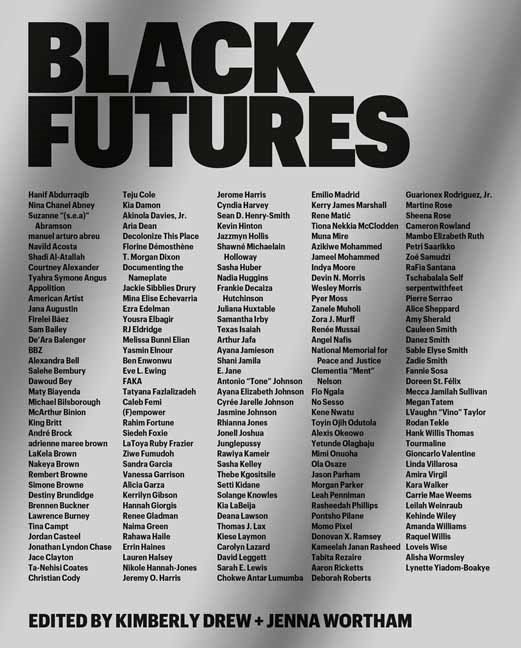
Black Futures
Check out Black Futures - <b><b>“A literary experience unlike any I’ve had in recent memory . . . a blueprint for this moment and the next, for where Black folks have been and where they might be going.”—<i>The New York Times Book Review</i> (Editors’ Choice)</b><br><br></b><i><b>What does it mean to be Black and alive right now?</b></i><br><br>Kimberly Drew and Jenna Wortham have brought together this collection of work—images, photos, essays, memes, dialogues, recipes, tweets, poetry, and more—to tell the story of the radical, imaginative, provocative, and gorgeous world that Black creators are bringing forth today. The book presents a succession of startling and beautiful pieces that generate an entrancing rhythm: Readers will go from conversations with activists and academics to memes and Instagram posts, from powerful essays to dazzling paintings and insightful infographics.<br><br> In answering the question of what it means to be Black and alive, <i>Black Futures</i> opens a prismatic vision of possibility for every reader. by Jenna Wortham and Kimberly Drew on Bookshop.org UK!
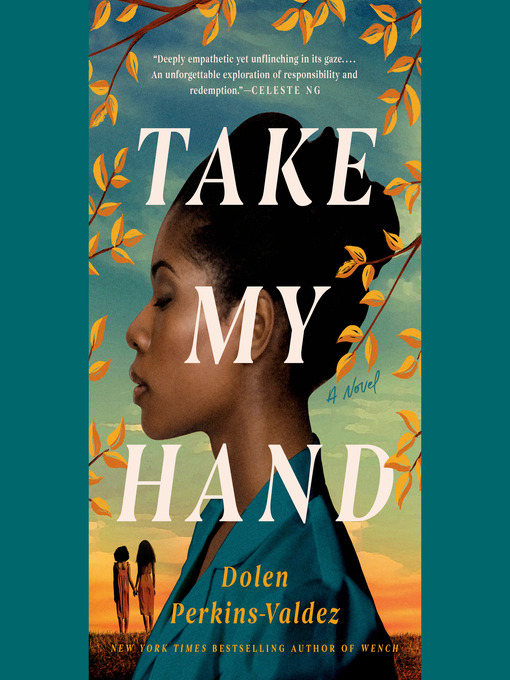
Take My Hand
Winner of the 2023 NAACP Image Award for Outstanding Literary Work - FictionDeeply empathetic yet unflinching in its gaze…an unforgettable exploration of responsibility and redemption. - Celeste NgInspired by true events that rocked the nation, a searing and compassionate new novel about a Black nurse in post-segregation Alabama who blows the whistle on a terrible injustice done to her patients, from the New York ...
Data Feminism for AI
Attacks on women and trans people are not happening in a vacuum. Communications scholars W. Lance Bennett and Marianne Kneuer recently argued that we are witnessing the intensification of "illiberal public spheres" around the world (Bennett and Kneuer, 2023). These are characterized by a set of anti-democratic communications tactics that include the denigration and exclusion of minoritized people, targeted attacks on the press and political institutions, and transgression of norms of civil discourse. Such tactics are enabled and amplified by the social media platforms owned by Big Tech, whose business model elevates attention above all other metrics, such that they profit richly off extremism, threats, spectacle, and lies. The success of this corporate partnership with right-wing extremism is evident in the proliferation of book bans (Magnusson, 2024), the demonization of DEI and critical race theory (Crenshaw, 2022), and mob tactics to doxx, intimidate, misrepresent, and otherwise silence people that study misinformation, speak out against racial and gender violence, or rule against insurrectionists (Edmonds, 2024). At the same time, we have seen the continued work of feminists, including Latin American, Indigenous, and abolitionist feminists in the US and globally, doing the work of imagining alternate worlds (Cullors, 2021; Davis, 2022; Ricaurte, 2019; Simpson, 2017). This paper represents our own first attempt to imagine a more equitable, sustainable, feminist world for AI research.
Thousands of AI-written, edited or ‘polished’ books are being sold – an eerie echo of Orwell’s ‘novel-writing machines’
In ‘1984,’ George Orwell envisaged a world in which books were a mass-produced commodity no different from ‘jam and bootlaces.’
Writers at Risk Archive
PEN America champions the freedom to write, recognizing the power of the word to transform the world. The bedrock work of the global PEN network is advocacy and assistance on behalf of individuals persecuted for their use of the written word or other forms of expression. PEN America’s Writers at Risk Database is a searchable catalog of the writers, journalists, academics, public intellectuals and others under threat around the world. The database includes historical cases PEN America has worked on from 1987 onwards; non-active cases are color-coded black. PEN America is grateful to the John Templeton Foundation for support that enabled the establishment of the Writers at Risk Database and to PEN International for their collaboration in assembling this database.
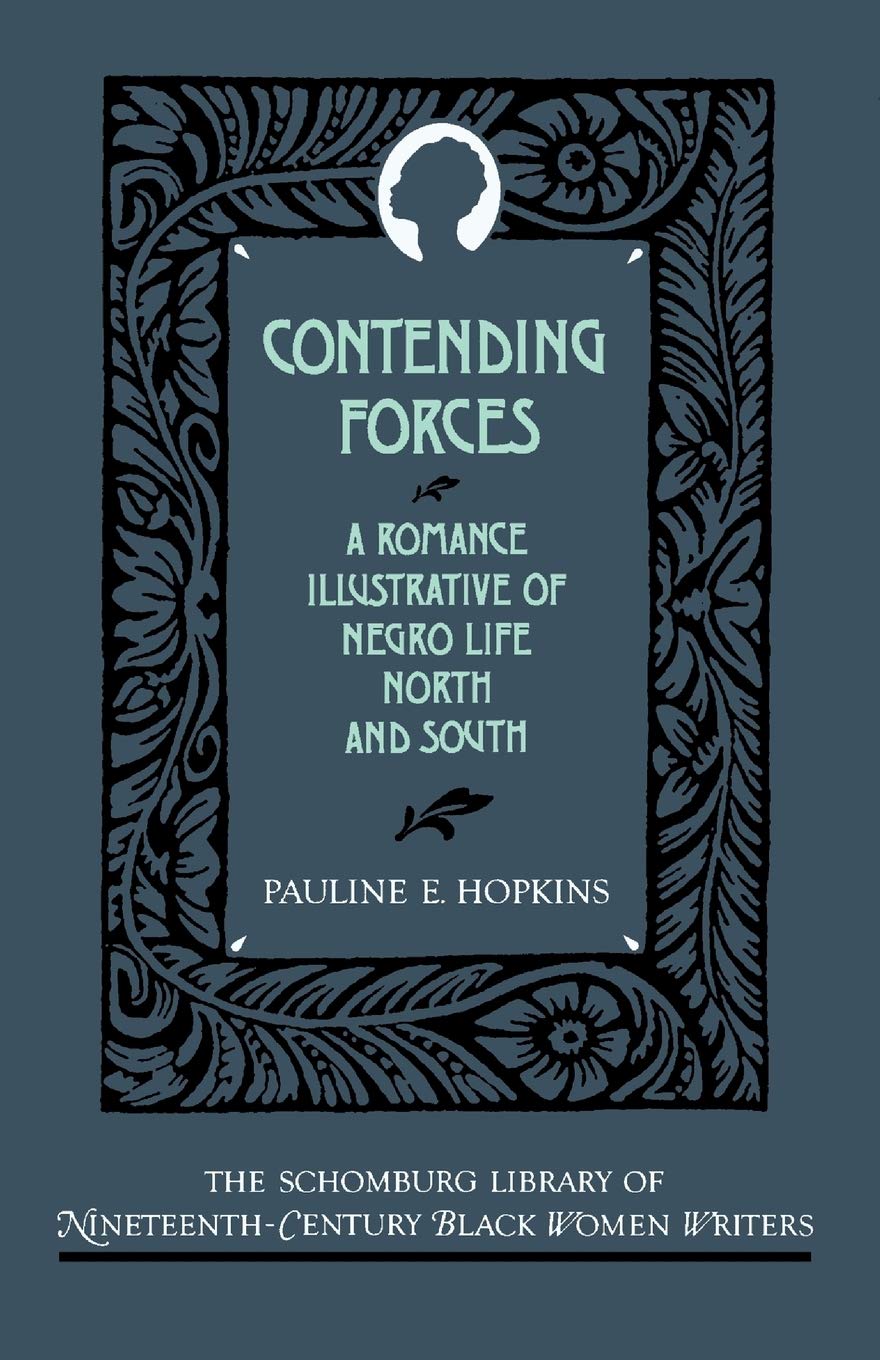
REVIEW: Pauline Hopkins' Contending Forces should be leading the literary canon - The Maroon
Contending Forces tells the story of a Black family both before and after slavery ended in the United States.
The Bookmaker | The Point Magazine
In the lead-up to the 2008 election, Nate Silver revolutionized the way we talk about politics, bringing cold, hard, numerical facts to a world that had been dominated by the gut feelings of reporters and opinion columnists.
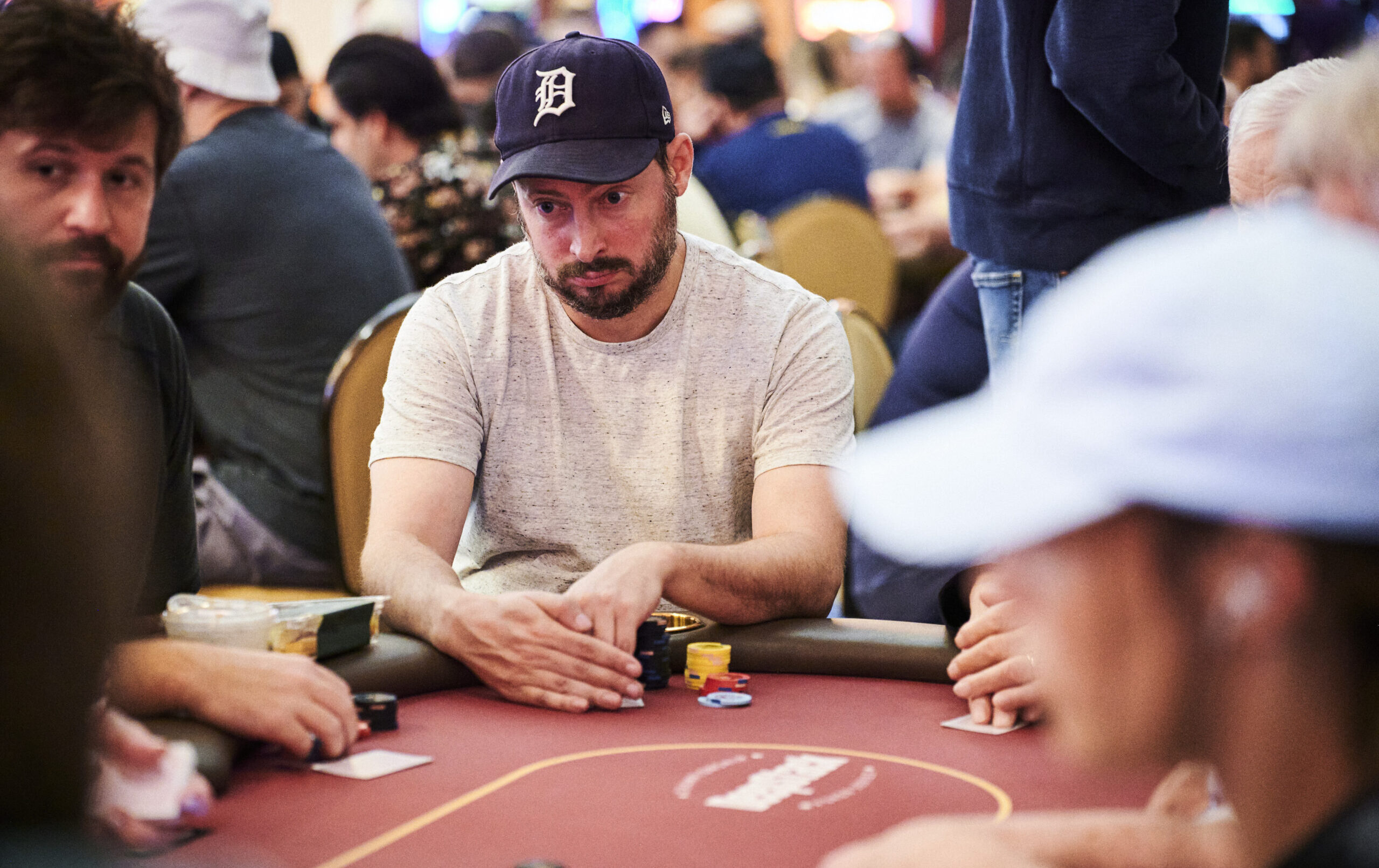
The Bookmaker | The Point Magazine
In the lead-up to the 2008 election, Nate Silver revolutionized the way we talk about politics, bringing cold, hard, numerical facts to a world that had been dominated by the gut feelings of reporters and opinion columnists.
Being Black: Selections from "Soledad Brother" by Georg…
Discover and share books you love on Goodreads.
