


This article describes the ICAP framework that defines cognitive engagement activities on the basis of students’ overt behaviors and proposes that engagement behaviors can be categorized and differ...
The Program
AI-powered curriculum focused on engagement, personalized mastery learning, and life skills workshops

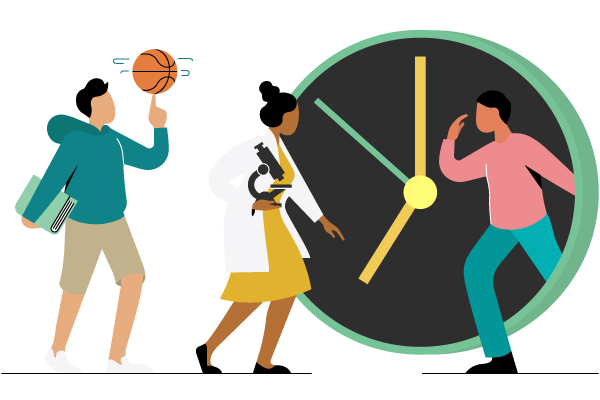
Innovative Time Strategies for Schools | Unlocking Time
Explore free resources about innovative time strategies to fuel student-centered learning in schools -- includes tools, case studies and opportunities to dig deeper.
Cognitive Load and Social Media Advertising
Social media engagement requires cognitive resources, which subsequently impact the advertisements consumers see while browsing. For the most part, however, advertising practitioners and scholars s...

How to Read Fewer Books - The School of Life
We publish articles around emotional education: calm, fulfilment, perspective and self-awareness. | How to Read Fewer Books — Read now

Do People Engage Cognitively with AI? Impact of AI Assistance on Incidental Learning
As part of the Digital Library's transition to Open Access, new features for researchers are available in the Premium Edition. Click here to learn more.
Modeling the Engagement-Disengagement Cycle of Compulsive Phone Use | Proceedings of the 2019 CHI Conference on Human Factors in Computing Systems
As part of the Digital Library's transition to Open Access, new features for researchers are available in the Premium Edition. Click here to learn more.

How Learning Happens | Seminal Works in Educational Psychology and Wha
How Learning Happens introduces 28 giants of educational research and their findings on how we learn and what we need to learn effectively, efficiently, and

Cognitive Load Theory and its Applications for Learning - Scott H Young
What makes learning hard? How can we make it easier? Cognitive load theory explains how we learn and how to do it better.
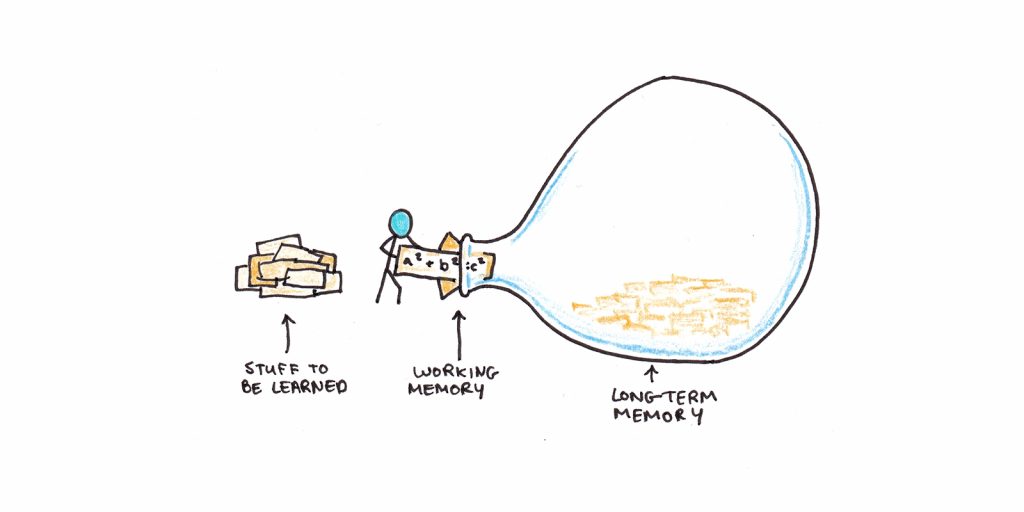
Learning How to Learn (And 20+ Studies) – Max's Two Cents
I have been interested in cognitive science and effective learning methods for years. I’ve read multiple books and articles and put many ideas to test. In this post, I aim to synthesize my notes and provide references to scientific studies.
Smartphone Bans, Student Outcomes and Mental Health
How smartphone usage affects well-being and learning among children and adolescents is a concern for schools, parents, and policymakers. Combining detailed admi

Phone-Free Schools Movement | Protecting Student Well-Being
Join the Phone-Free Schools Movement to create healthier, more focused school days. We help schools implement bell-to-bell phone-free policies that boost learning, safety, and student well-being.
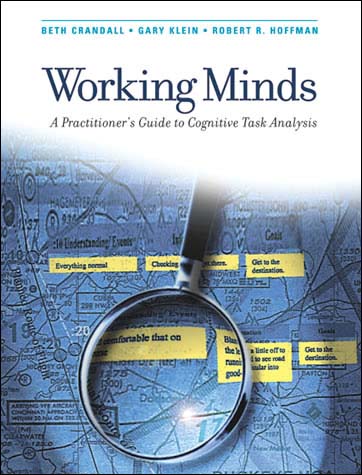
Working Minds: A Practitioner's Guide to Cognitive Task Analysis
How to collect data about cognitive processes and events, how to analyze CTA findings, and how to communicate them effectively: a handbook for managers, tr
Longitudinal Socio-Emotional Learning Intervention for Autism via Smartglasses: Qualitative School Teacher Descriptions of Practicality, Usability, and Efficacy in General and Special Education Classroom Settings
There is considerable demand for special education services for the over half a million students with autism in the United States. While assistive technology may augment educational services, its implementation is often prevented by a number of practical and attitudinal barriers. These barriers are especially pertinent for the newest and thus least familiar digital systems, such as computerized smartglasses loaded with specialized software modules. Computerized smartglasses are a technology that has already been shown to have an ability to deliver educational interventions through augmented reality. With this in mind, we sought to understand how school educators received and assessed the practicality of a smartglasses-based educational intervention in a single-subject study. The intervention was designed to aid with attention and social educational learning in autism. The intervention was delivered twice a day during a two-week study on a 13-year-old student with autism who was attending a mainstream middle school in Massachusetts. Three different school educators delivered the intervention: the student’s general education teacher, special education teacher, and paraprofessional. Educators recorded their attitudes, the practicality of the technology, and its impact on the student and their classroom through the use of a digital log and a series of in-person interviews. Overall, the school educators experienced a positive view of the smartglasses. The smartglasses intervention was found to be logistically practical to implement, easily usable by both the educator and student, and not time-consuming to learn or implement. Educators also identified the experience as being fun for the student, and felt that the student demonstrated improvement in his verbal and non-verbal skills. There were no adverse effects on the other students or the classroom, and the technology did not result in a distraction. These findings suggest that social skills interventions delivered by smartglasses may be practical, useful, and may lead to improvements in social communication skills. Further research on smartglasses may help to clarify the future role for augmenting special education in students with autism.

Math Academy
The Math Academy curriculum and pedagogy leverage cutting-edge cognitive learning theory. Why? Because it’s been studied extensively, backed up and proven to work. We aren’t providing edu-tainment. This isn’t enrichment. We teach math as if we were training a professional athlete or musician, or anyone looking to acquire a skill to the highest degree possible. This is real work for a student who is serious about learning math. We expect every student using our system to actually master the material, and do it efficiently and effectively.