


The widespread use of AI technologies impacts individuals, organisations, and societies in ways that warrant more comprehensive investigation. Inequalities in benefiting from AI advancements may le...
"AI" is Automated Inequality
Tech bros still dominate the discussions about so-called "AI" with false claims. Even most "AI"-critical researchers spend much of their time meticulously debunking (always only a subset of) claims, leaving vast areas of the economic consequences of "AI" unexplored. (Even the "AI"-evangelist Economi
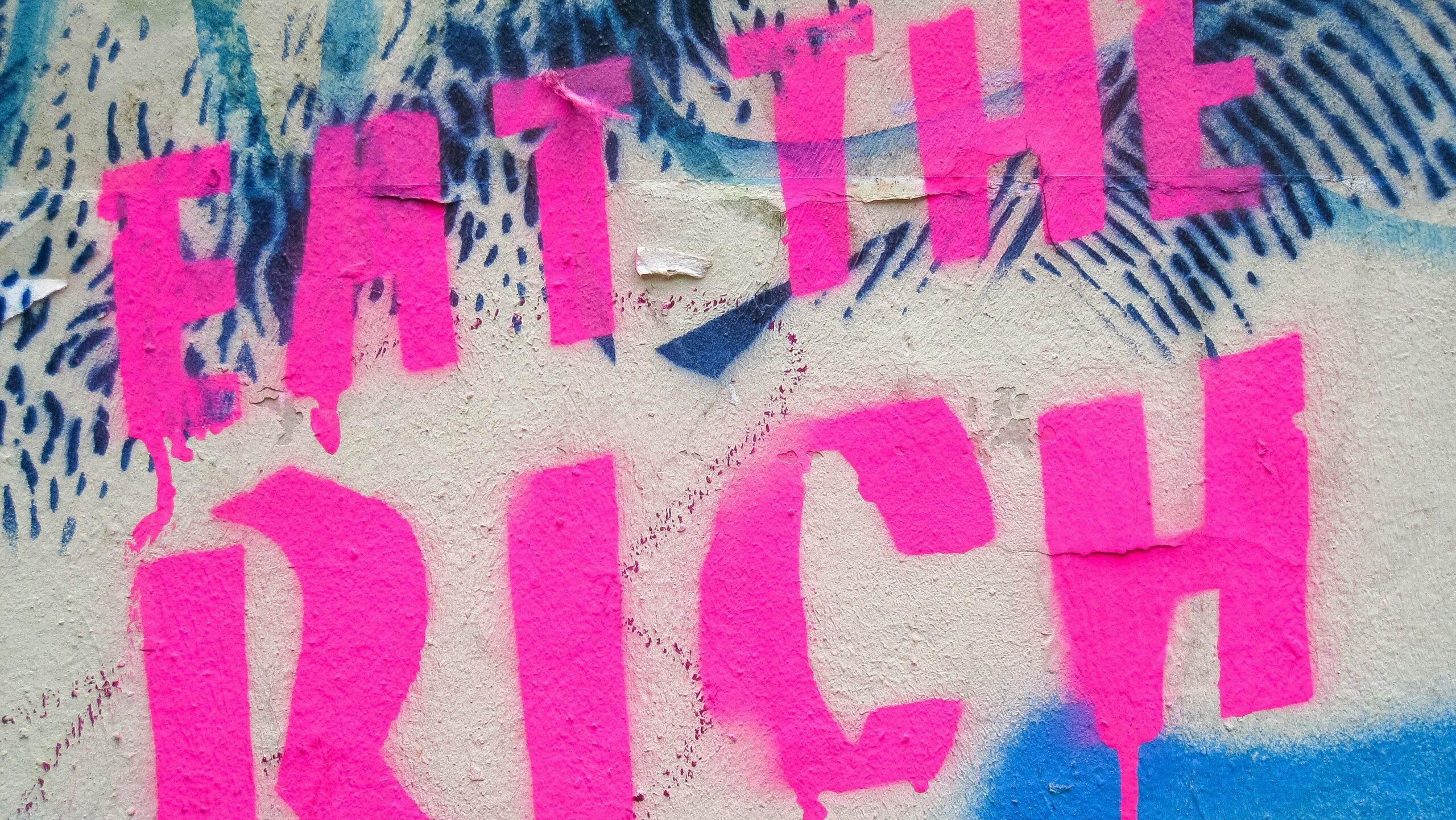
AI Gender Pay Gap - Emerging Tech - I by IMD
As AI investment grows, unequal access to emerging tech skills is widening the AI gender pay gap. New research shows how organisations can reverse it.
AI FOR EPISTEMICS & COORDINATION
Civilization and technology have radically improved the human condition. Nonetheless, the world sometimes goes in directions which essentially nobody would prefer — e.g., nuclear arms races, unexpected financial crashes, predatory marketing, or ubiquitous political misinformation.
The Beauty of AI and Why AI Needs More Women
While women remain underrepresented in the Artificial Intelligence (AI) and tech workforce, their participation is considered crucial for developing the right AI for tomorrow.

3: Consulting the Record: AI Consistently Fails the Public - AI Now Institute
Amid the excitement over AI’s (speculative, hypothetical) potential, we have lost sight of the sobering reality of its present and recent past. AI is already intermediating critical social infrastructures, materially reshaping our institutions in ways that ratchet up inequality and concentrate power in the hands of the already powerful. It is consistently deployed in ways […]
We’re at risk of a two-tier AI economy if we don’t bridge the AI gender gap, expert says | Fortune
Women are more skeptical of AI. Their hesitation will make AI safer, says Harvard researcher Mara Bolis.

Why We Need More Women In The AI Revolution
Research suggests that women make up less than a third of AI professionals and only 18% of AI researchers globally.
Women in tech and AI in Europe: Can the region close its gender gap?
AI could be the turning point that finally unlocks women’s full participation in tech in Europe.

Gender Productivity Paradox: Artificial Intelligence Is Failing Women - ICTworks
We're seeing decreasing distributive returns at higher AI exposure levels. Precisely when we should expect technology to be most equalizing.

AI’s Gender Gap - Haas News | UC Berkeley Haas
Generative AI could boost productivity and reduce inequality, but women across the world are at risk of missing out. A sweeping analysis by Nick Otis, PhD 25, Assistant Professor Solène Delecourt, and colleagues from Stanford and Harvard found that women were about 20% less likely than men to use tools such as ChatGPT, Claude, and […]

A Growing Gender Divide in the AI Economy — The Honest Economist
The article argues that AI is reshaping gender inequality even before the pay gap visibly widens. Women are more concentrated in clerical and administrative roles where AI can restructure work, while men are more concentrated in technical, AI-complementary roles. Among college graduates, the exposur

Why women’s leadership matters in the age of AI - I by IMD
AI is reshaping leadership and work. Ensuring women help design and govern it will determine whether the technology advances equity or deepens inequality.

Globally, More People Expect AI to Cause Job Loss Than Growth
Amid a mix of concern and excitement about AI, a 37-country survey finds pessimism about its potential impact on jobs and economic inequality.
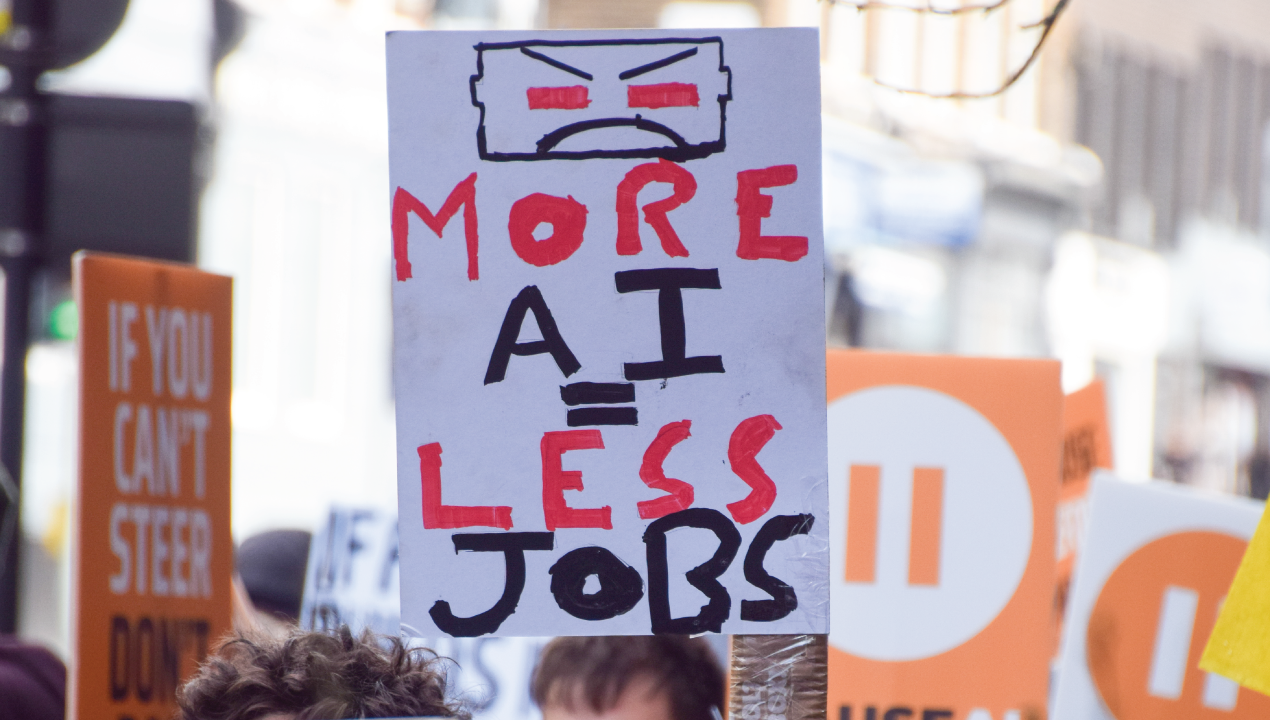
How AI Is Fueling the Gender Pay Gap in Tech
A new Wharton study finds that too few women are working with emerging tech, and that exclusion is driving a growing divide in pay.

> the central promise of “ai” is that nothing is worth doing and that community doesn’t exist. It’s individual entitlement as software. It’s Thatcherism. post.lurk.org/@emenel/117441848350524047
emenel (@emenel@post.lurk.org)
post.lurk.org"AI makes it cheaper to contribute to Open Source, but it's not making life easier for maintainers. More contributions are flowing in, but the burden of evaluating them still falls on the same small group of people. That asymmetric pressure risks breaking maintainers." also relevant to slop science

