


This essay examines Palestinian “men of capital” in British-ruled Palestine. It lays out their historical erasure as the product of settler colonialism; the historiographic dominance of the aristoc...
The Ethnic Cleansing of Palestine | Oneworld
Renowned Israeli historian, Ilan Pappe’s groundbreaking work on the formation of the State of Israel. ‘Along with the late Edward Said, Ilan Pappe is the most eloquent writer of Palestinian history.’ NEW STATESMAN Between 1947 and 1949, over 400 Palestinian villages were deliberately destroyed, civilians were massacred and around a million men, women, and […]

Britain’s Palestine failure and the collapse of the international rules-based order
Britain dithers on the sidelines instead of seizing the opportunity to address a century-old injustice inflicted on the Palestinian people

US Labor & Imperialism Pt. 2: Zionism w/ Jeff Schuhrke (Palestine Pt. 16)
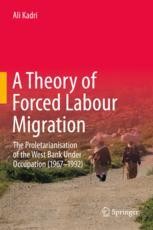
A Theory of Forced Labour Migration
This book focuses on labour dislocation and migration of Palestinians between 1967 and 1990. In particular, it highlights the social transformations in the occupied Palestinian territory where Palestinian labour was permitted to work in Israel from 1968 onwards.
The Arab Worker under the Palestine Mandate (1937)
Palestinian trade unionist George Mansour (b. 1905 – d. 1963) initially worked as a baker, then as school teacher in Nazareth before his family moved to Jaffa in 1927, where he worked first in tra...

The Rise and Fall of the Palestinian-Arab Middle Class Under the British Mandate, 1920–39
The Palestinian-Arab middle class under the Mandate may be characterized as bourgeois and educated, similarly to bourgeois classes that have developed in the West in the Modern era. The bourgeois characteristics of the Palestinian-Arab middle class, and their influence on its historical trajectory during the Mandate era, have not been studied in depth yet. This article aims to focus on a local aspect of the rise of the middle class in the region in that period: the rise of the Palestinian-Arab middle class under the Mandate, until the Palestinian-Arab Revolt (1936–9). The main hypothesis is that particular bourgeois social and cultural characteristics prevented the middle class full incorporation into the Palestinian-Arab National Movement, and even led to estrangement between the middle class and the national leadership, as well as members of lower strata, especially the villagers. Members of the middle class, mostly Christians but Muslims as well, espoused in their daily life modern habits, ideas, and customs, as a means to distinguish between themselves and other classes, similarly to their parallels in the West, and like their contemporaries elsewhere in the Eastern Mediterranean, as has demonstrated by Watenpaugh. Those gaps reached their climax during the years of revolt.
The Palestinian Nakba and its Continuous Repercussions
Adel Manna', The Palestinian Nakba and its Continuous Repercussions, Israel Studies, Vol. 18, No. 2, Summer 2013, Shared Narratives—A Palestinian-Israeli Dialogue / Guest Editors: Paul Scham, Benjamin Pogrund, and As'ad Ghanem
The Hundred Years' War on Palestine
A landmark history of one hundred years of war waged against the Palestinians from the foremost US historian of the Middle East, told through pivotal events ...
Habermas as an ethnic thinker Par Excellence: on critique, Palestine and the role of intellectuals
Taking Habermas’ 2023 statement on Palestinians-Israel as the point of entry, this article examines his concept of critique. Against the dominant view of him as a philosopher of ‘universalism’ and ...


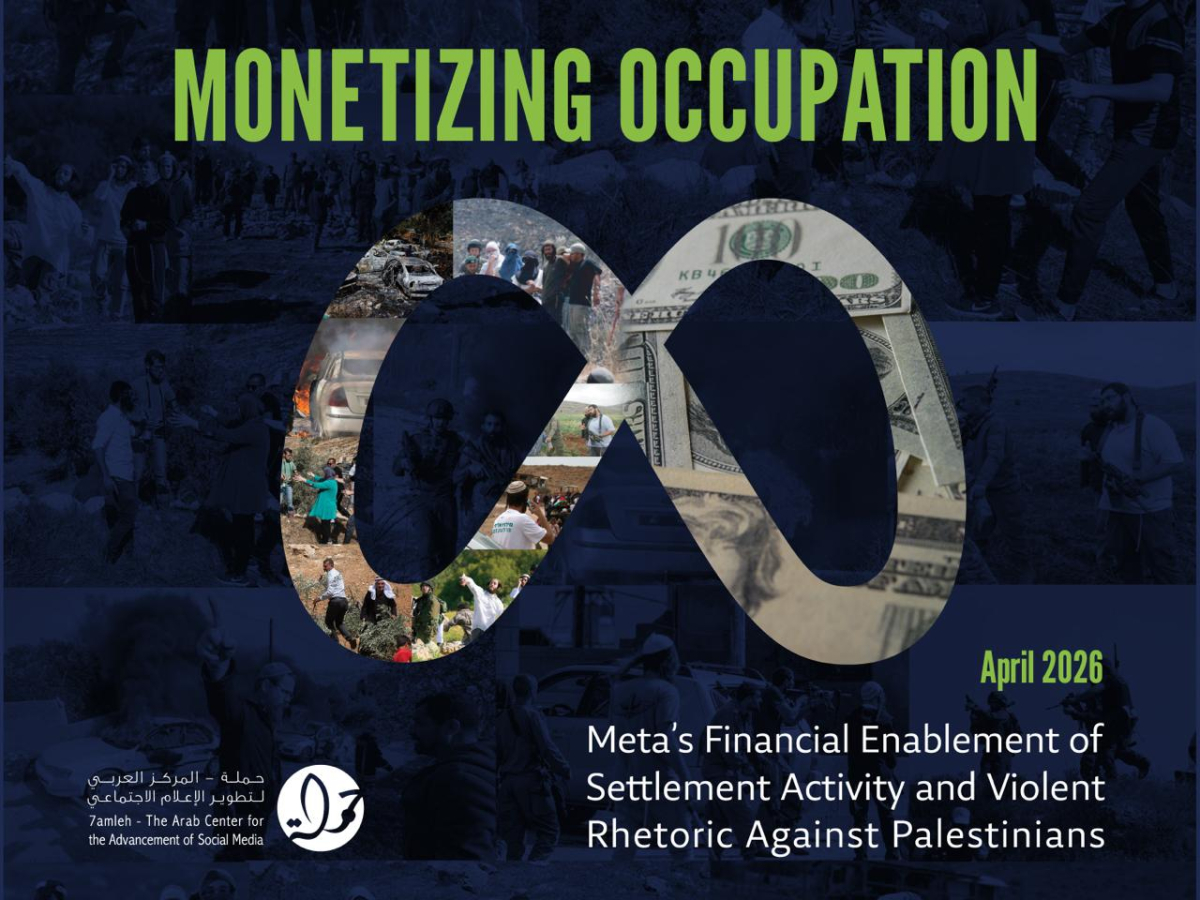
Hamleh - New 7amleh Report: Meta Monetizes Settlements and Violence Against Palestinians
April 13, 2026, 7amleh - The Arab Center for the Advancement of Social Media has released a new report titled “Monetizing Occupation: Meta’s Financial Enablement of Settlement Activity and Violent Rhetoric Against Palestinians.”
Summary of Capital in the Twenty-First Century: by Thom…
Summary of Capital in the Twenty-First Century by Thoma…
The Future Is Peace: A Shared Journey Across the Holy Land
Two lifelong peace activists and guides to Israel/Palestine, both of whom have lost family in the conflict, take readers on a revealing life-changing journey across this holy, bloodstained land and discover the mythic, political, and personal history that divides but also binds them and their peoples

Meta 'financially enabling' Israeli settler violence against Palestinians, report says
Findings published by 7amleh reveal Meta's bias in the moderation of content by Israelis and Palestinians

Jason Hickel: Why a Liberated Palestine Threatens Global Capitalism
Palestine Action

Activists criminalized in the UK and designated as terrorists in the US

State Department Advances Trump Crackdown on ‘Far-Left Terrorism’

Palestine Action

Pro-Palestine activists who were sentenced as terrorists launch appeal
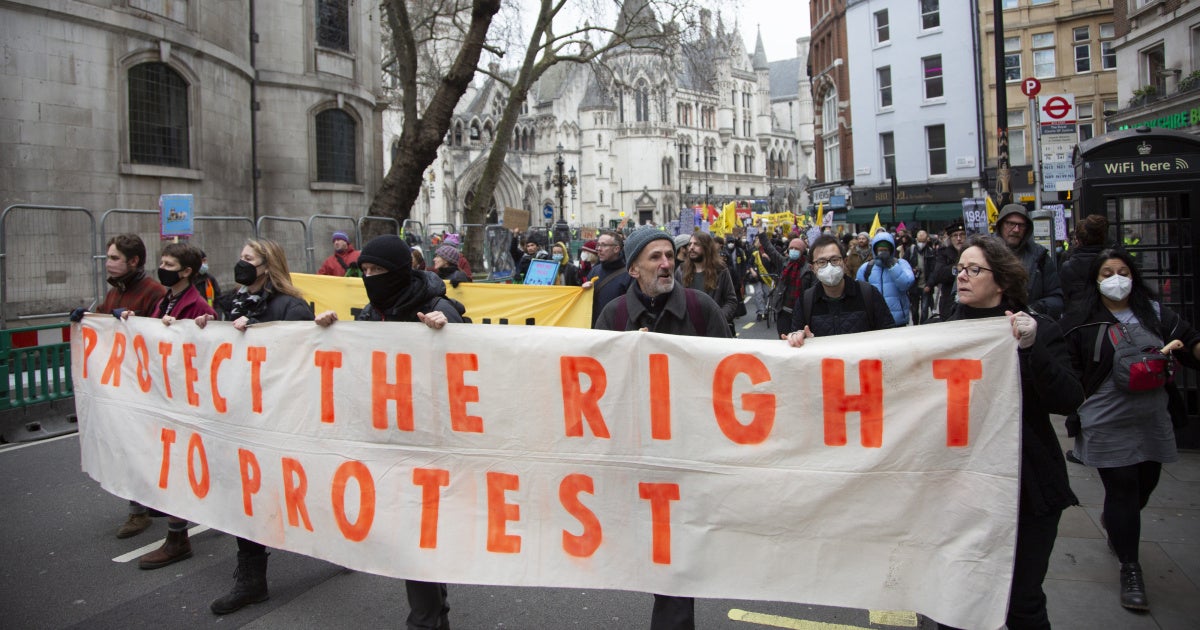
Silencing the Streets

US declares Palestine Action a ’terrorist group’